Review: Old genes for new purposes: how gene co-option reshapes plant diversity
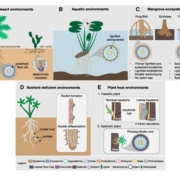
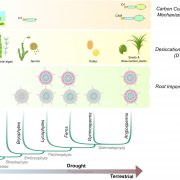
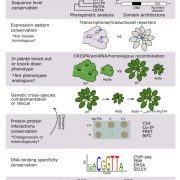
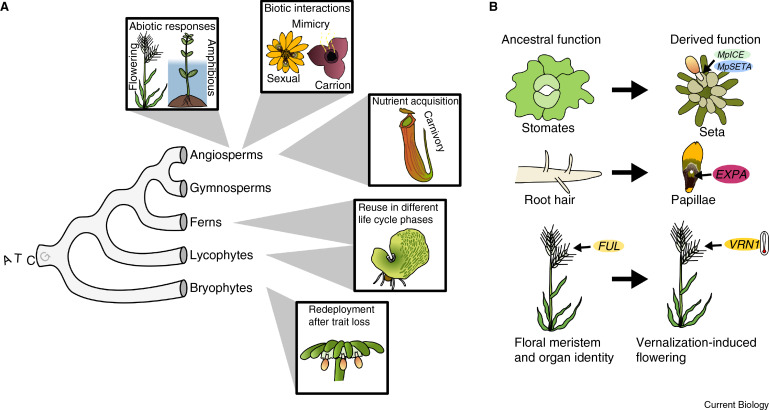 The diversity in plants’ adaptations and evolution is vast. One driver of this variety gaining traction in evolutionary studies is gene co-option, or “tinkering”, the ability to repurpose existing genes for new purposes. In a recent review by Di Stilio and Garcia, the authors bring together recent evidence from across land plants to show how the same genetic toolkit can be rewired to produce new traits. Examples of gene co-option range from carnivorous digestion and floral deception to carrion-mimicking scents, vernalization-responsive flowering, and even prickles. Gene duplication can release selective pressure on redundant gene copies, creating opportunities for evolutionary tinkering, but duplication alone cannot explain the functional changes. Duplicated genes must be repurposed through changes in regulation, interactions, or gene regulatory networks to gain new functions. A full understanding of co-option also requires knowledge of the ancestral function of a given gene. By comparing genes, traits, and their evolutionary history, we can see how old genetic material can be repeatedly rewired for new purposes. Overall, gene co-option provides one of the most parsimonious ways to generate phenotypic diversity and helps explain the innovations in phenotype seen throughout plant evolution. (Summary by Ale Lombardi @alepanda.bsky.social) Curr. Biol. 10.1016/j.cub.2026.03.085