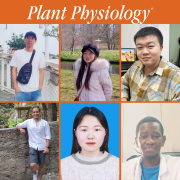
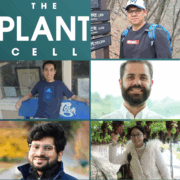
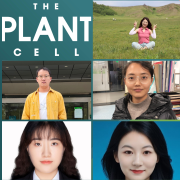
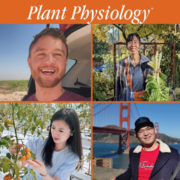
Plant Physiology Spotlights First Authors January, February, and March 2026
You’ve seen our First Authors on X, BlueSky, and Facebook. Behind the manuscripts are researchers, professors, professionals, and students dedicated to advancing the field of plant science. Read more about these dedicated scientists here.
 Siddique I. Aboobucker
Siddique I. Aboobucker is the First Author of The Stunt of Stunted Silk: A Novel Pollination Control Mechanism in Maize published 28 January 2026. He was a Research Scientist III at Iowa State University until Dec 31, 2025, and is now an Assistant Professor of Plant Reproductive Biology at the University of Kentucky from Jan 1, 2026. Education background includes: 2014 Ph.D Molecular Biosciences at Arkansas State University, USA; 2005 B. Tech. in Biotechnology at Bharathidasan University, India. Research interests include Plant reproductive biology, doubled-haploid technology, Maize silk biology. Personal interests include Biking, Volunteering, and some activism.
“Plants hold a deep spiritual significance for me. Beyond nourishing us physically, they are often invoked in The Qur’an as symbols of the connection between the material and spiritual realms. For example, just as plant life emerges with rain, human hearts come alive through the recognition of God. This spiritual resonance is what first drew me to plant sciences. I remain continually amazed by the complexity and elegance of plant growth and development. From a single seed to a fully formed organism with diverse functions, the journey of a plant is truly awe-inspiring.”
 Virginia N. Miguel
Virginia N. Miguel (She/her) is the First Author of Class IV plant U-box proteins function redundantly to optimize protein accumulation of receptor-like cytoplasmic kinase BIK1 published Aug 25 2025. She is a Postdoctoral Researcher at Queen’s University, Canada.
Education background includes: 2021 Ph.D. in Biological Sciences at Instituto de Agrobiotecnología del Litoral (UNL-CONICET), Argentina; 2016 MSc in Biotechnology, Universidad Nacional del Litoral, Argentina.Research interests include: Molecular biology, biotechnology, genetic regulation, stress resilience, and cellular signaling. Personal interests include traveling and exploring, painting, playing the guitar, and cooking for family and friends.
“I sometimes feel that plants found me before I found them. Since I was young, I have had a natural curiosity alongside closeness to nature, drawn to its shapes, colours, and gentle resilience. What I love about plant science is that it allows me to explore a world that seems silent but is full of signals, movement, and communication. Through proteins, molecules, and cellular pathways, plants have their own kind of music, and research allows me to listen to those notes and understand how they come together.
My interest in plant science also grew from the idea that fundamental knowledge can lead to real change. Understanding the inner mechanisms of plants can eventually contribute to agriculture, sustainability, and society. Along the way, I have been inspired by many mentors, colleagues, and students. From my first classes in molecular biology and genetics to my current work in plant immunity and cellular signalling, each scientific community I have been part of has shaped the way I see plants, science, and collaboration.”
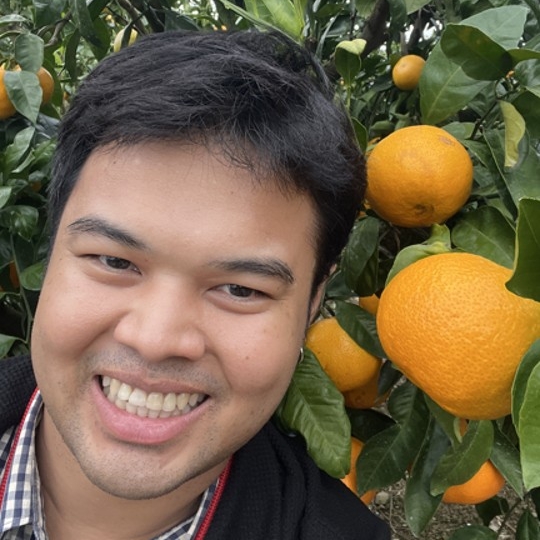 Sitthisak Intarasit
Sitthisak Intarasit is the First Author of Coordinating photosynthesis and respiration: Evolution and functional integration of mitochondria and chloroplasts in algae published Feb 9 2026. Intarasit is a Lecturer at Chiang Mai University. Education background includes: 2022 Ph.D. (Biology) International Program, Chiang Mai University 2019 M.Sc. (Biology), Chiang Mai University 2017 B.Sc. (Biology), Chiang Mai University. Research interests include Plant and algae metabolism, Oxidative stress.
Personal interests include Badminton.
“I became interested in plant science during high school, when studying biology sparked a strong fascination with plant biology in particular. I enjoy plant science because it reveals how plants grow, adapt, and sustain life through elegant and efficient biological processes. My interest was shaped by teachers and mentors who encouraged curiosity and critical thinking in biology, motivating me to pursue plants as a scientific focus.”
 Thomas Cornelius van der Hoven
Thomas Cornelius van der Hoven (he/him) is the First Author of Temperature-dependent Alternative Splicing Enables Circadian Adaptation to Ambient Temperature published Feb 06 2026. He is a PhD student University of Glasgow. Education background includes: 2025 MSc Bioinformatics at University of Glasgow, 2024 BSc (Hons) Molecular and Cellular Biology at University of Glasgow. Research interests include Plant cold response, Transcriptomics, Alternative Splicing. Personal interests include Photography, Cycling, Exploration.
“My interest in plant science began with a childhood gift: a microscope and a diverse collection of plant specimen slides from South Africa. I remember spending hours peering through the lens, fascinated by the intricate structures but unable to fully grasp what the slides were trying to tell me. That mystery sparked a desire to become a biologist. Now, I finally have the opportunity to explore what I was looking at all those years ago and move from simply observing to asking the important questions.”
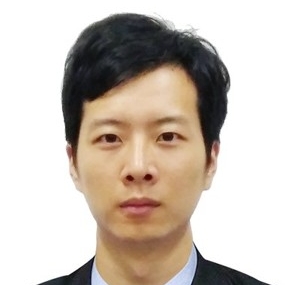 Liu Fujie
Liu Fujie is the First Author of Natural variation in TaRFR1-5B modulates Fusarium head blight resistance via recognition of pTaRIN1-like in wheat published 02 Jan 2026. Liu is currently at the Institute of Crop Germplasm and Biotechnology, Jiangsu Academy of Agricultural Sciences.
Education background includes: 2023 Ph.D College of Agriculture, Nanjing Agricultural University 2019 MSc College of Agriculture, Nanjing Agricultural University.
Research interests include: Plant immune system, Crop disease resistance, Plant pathogen.
Personal interests include: Running, Badminton. “My fascination with plant science stems from the wonders of plant genetics. As the fundamental building blocks of life, unraveling the mysteries of plants is both an intellectual adventure and a pursuit with real-world significance.
Throughout my research journey, I have been profoundly inspired by many pioneering scholars. In particular, my mentor Professor Zhou Baoliang, along with my current team lead, Chief Scientist Professor Wu Jizhong, instilled in me a hands-on, inquiry-driven approach—teaching me to “seek the essence behind the phenomenon” right there in the experimental fields. I am also continually motivated by the remarkable insights of scientists whose work fills the pages of academic literature.
Ultimately, it is the combination of a deep curiosity about the natural world and a sense of mission to address practical challenges that has firmly anchored my dedication to plant science.”
Zeng Chu
Zeng Chu is the First Author of ACCUMULATION OF PHOTOSYSTEM ONE2 plays an essential role in chloroplast intron splicing during chloroplast biogenesis published 20 January 2026.Chu is a PhD student at Yangzhou University. Education background includes a 2021 Master of Biology from Yangzhou University. Research interests include chloroplast development. Personal interests include running.
“The curiosity about the world led me to develop a passion for plant science.”
Tianqing Zhu
Tianqing Zhu(she/he) is the First Author of Single-nucleus RNA-seq reveals apical-basal polarity as a somatic embryogenesis checkpoint in Picea abies published 21 January 2026.She is n Associate Professor at State Key Laboratory of Tree Genetics and Breeding, Chinese Academy of Forestry. Education background includes:2015 Ph.D. in Cell Biology at Swedish University of Agricultural Sciences; 2008 BSc Biology at Nankai University.
Research interests include Plant development, Somatic embryogenesis, Genetic breeding, and molecular science. Personal interests include Painting.
“Growing up in the city, I was struck by how a humble spruce seedling in a park could grow into a resilient giant—a quiet testament to nature’s precision, which drew me into uncovering how conifers regenerate from a single cell in the lab. My work is inspired by mentors who see somatic embryos not just as research subjects, but as living bridges between urban life and the ancient, adaptive intelligence of forests.”
 Kaidi Yu
Kaidi Yu (He) is the First Author of Integrating transcriptomics and high-throughput gene editing uncovers shoot apical meristem regulators in Brassica napus published 29 January 2026.
He is a Postdoctoral Fellow, Institute of Chinese Medicinal Materials, Hubei Academy of Agricultural Sciences. Education background includes: 2018 Ph.D Crop Genetics and Breeding at Huazhong Agricultural University. Research interests include Crop Genetics and Breeding. Personal interests include Painting.
“My love for plant science comes from a lifelong curiosity that has guided me from my PhD research on rapeseed genetics and breeding—where I explored how unlocking a plant’s genetic potential could boost agricultural productivity and sustainability—to my current work with medicinal plants, which deepens my fascination with how plants synthesize unique bioactive compounds that bridge traditional herbal wisdom and modern molecular biology; at its heart, what I cherish most is that plant science lets me decode nature’s blueprints to address real-world challenges, whether for food security or human health.”
 Zizhao Xie
Zizhao Xie is the First Author of The OsPUB33-OsNAC120 module is a molecular switch between the drought stress response and growth recovery in rice published 23 Jan 2026. Xie is a a lecturer in the College of Landscape Architecture and Horticulture at Yunnan Agricultural University. Education background includes: 2025 Ph.D in Biology at Chongqing; 2021 MSc in in Biology at Chongqing ; 2018 BSc Agric Yunnan Agricultural University. Research interests include Plant development, Abiotic stress. Personal interests include playing basketball.
“I began my research on rice growth, development, and abiotic stress mechanisms in 2018 as a member of Professor Junli Huang’s laboratory at the School of Biological Engineering, Chongqing University. After earning my Ph.D. in June 2025, I joined Yunnan Agricultural University as a faculty member. To date, I have published several first-author or co-first-author research articles in leading plant science journals, including The Plant Cell, New Phytologist, Plant Communications, and Plant Physiology.
My research is particularly focused on the growth-defense trade-off—the delicate and often costly balance plants must strike between survival under stress and sustaining growth. In our recent study published in Plant Physiology, we uncovered a key molecular switch that regulates this balance in rice: the OsPUB33-OsNAC120 module.
We found that OsPUB33 (a U-box E3 ubiquitin ligase) and OsNAC120 (a transcription factor) physically interact. Under drought conditions, the ABA-activated kinase OsSAPK9 phosphorylates OsNAC120, which marks it for recognition and degradation by OsPUB33. This shift promotes the activation of drought-tolerance genes. When stress subsides, OsPUB33 levels decline, allowing OsNAC120 to accumulate and resume its role in promoting growth recovery. This kinase-regulated dynamic switch elegantly explains how rice prioritizes survival during stress without permanently compromising productivity.”
 Raquel Álvarez-Urdiola
Raquel Álvarez-Urdiola (she/her) is the First Author of The non-conventional peptidome of Arabidopsis flower development published 20 Feb 2026. She is a Project Manager at CIHEAM Zaragoza. Education background includes: 2023 Ph.D. in Plant Biology and Biotechnology at the Autonomous University of Barcelona; 2018 MSc in Biomolecules and Cell Dynamics at the Autonomous University of Madrid; 2017 BSc in Biotechnology at the University of Zaragoza.
Research interests include Flower development and bioinformatics. Personal interests include Science communication, Theatre, and singing.
“My interest in plant science began unexpectedly. I was curious to explore something different from my previous experiences, and gradually I discovered the incredible potential of plant research, which ultimately shaped my career path.”
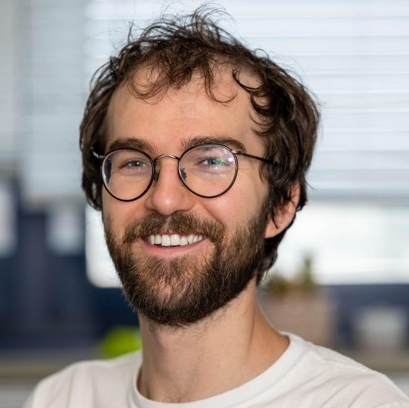 Benjamin Koch
Benjamin Koch (he/him) is the First Author of Molecular Insights into the Production of Extracellular Vesicles by Plants published 06 February 2026. Koch is a Postdoctoral Research Scientist at The Sainsbury Laboratory in Norwich, United Kingdom. Education background includes: 2024 PhD in Molecular and Cancer Biology at Indiana University School of Medicine; 2018 BA in Biology at Indiana University; 2018 BM Cello Performance at Indiana University, Jacobs School of Music. Research interests include Plant-pathogen interaction Cell biology. Personal interests include playing music, nature, and the outdoors.
“I never envisioned a life in science for myself. From an early age, I loved music.
While I was completing my undergraduate studies in cello performance at the world-renowned Jacobs School of Music at Indiana University, I happened to enroll in a few biology courses.
My goal was to take an Ecology course, but Ecology was an upper-level course with several prerequisites. So, I started working through the prerequisites. An Evolution course with Dr. Matthew Hahn opened the door to biology for me. A Genetics course with Dr. Wayne Forrester showed me a world of molecules, cells, and relationships that I had scarcely imagined. It also led to several years of teaching assistantship and my first job as an undergraduate researcher in Wayne’s nematode lab. Between orchestra concerts, rehearsals, and endless hours of cello practice, my time was spent poring over biology textbooks, articles, students’ worksheets, and “picking worms” in Wayne’s lab.
In my final undergraduate year, Mycology Lab with the late Dr. Michael Tansey confirmed that I wanted to become a biologist. In late summer, Dr. Tansey invited students in his upcoming mycology course to join him for a “mushroom walk” in the woods of Southern Indiana. Even though I was the only student who RSVP-ed, Dr. Tansey met me walking stick in hand, and as the two of us walked through the woods, he pointed out fungi, plants, and creatures I had never noticed before. Though I never enrolled in the Ecology course that I originally dreamt of, by the end of my undergraduate studies, just a few days before my final cello recital, I was accepted to a PhD program at the Indiana University School of Medicine studying cancer biology.
Why medicine and cancer biology? During my undergraduate lab research experience, I was confused by the lack of real-world application of lab work. How soon my perspective on the relationship between fundamental research and real-world application would change!
I joined Dr. Roger Innes’ lab with a cutting-edge, interdisciplinary project studying how plant extracellular vesicles could be applied as nanocarriers of cancer drugs. After banging my head against a wall for two years, COVID-19 hit the world, and in the fog and stagnation of the summer of 2020, I realized that without more fundamental knowledge of plant extracellular vesicles, my translational research project had no chance of succeeding. With PhD students and post-doctoral researchers in Roger’s lab, including Dr. Brian Rutter, Dr. Hana Zand-Karimi, Dr. M. Lucía Borniego, Dr. Meenu Singla-Rastogi, and others, including several brilliant undergraduate researchers, we used genetics, cell biology, and mycology to discover the fundamental characteristics, diversity, and biogenesis of plant extracellular vesicles, and how plant extracellular vesicles directly interacted with fungal pathogens to inhibit their growth, a story which we published in early 2025 in The Journal of Extracellular Vesicles.
This new publication in Plant Physiology represents a continuation of that story, in which we identify some of the fundamental cellular processes, pathways, and plant tissues involved in the formation and secretion of plant extracellular vesicles. Though during my doctoral research, I never ended up pursuing my original studies of plant extracellular vesicles as cancer nanomedicines, I came to appreciate plant biology, plant immunity, and plant-pathogen resistance as vital areas of fundamental research that lead to real-world improvements in sustainable agriculture. This led me to continue my studies in Dr. Wenbo Ma’s group at The Sainsbury Lab, a world-renowned research institute of plant-pathogen interaction, where I am now working as a post-doctoral researcher.
In my life, I have never gone exactly where I wanted to go, but I found where I needed to be. I still love music, I still love fungi, and now I love plant biology, too.”
 Benny Jian Rong Sng
Benny Jian Rong Sng (he/him) is the First Author of HFR1 delays dark-induced leaf senescence by suppressing ORE1 transcription and attenuating its protein activity G published 03 February 2026. He is a Research Fellow at Temasek Life Sciences Laboratory.Education background includes:2023 Ph.D Biological Sciences at National University of Singapore; 2016 Bsc (Hons.) Biological Sciences at National University of Singapore. Research interests include Abiotic stress responses, and hormonal regulation of plant physiology. Personal interests include Exercising, Playing video games.
“My first in-depth experience in plant science was during a final year research project for my BSc degree at the National University of Singapore. Researching plant genetics left a strong impression on me, so much so that after graduation I wanted to pursue a career related to plants. Subsequently, I worked on a vegetable farm in Singapore and encountered many difficulties growing crops like tomatoes in Singapore’s hot and humid climate. This led to a realization that no matter how I improve my agriculture skills, I could not change the fact that some crops cannot thrive in harsh growing conditions. Because of this, I pivoted back to plant science research with the goals of uncovering how plants respond to abiotic stresses, as well as developing new strategies for early detection and mitigation of these stress responses”
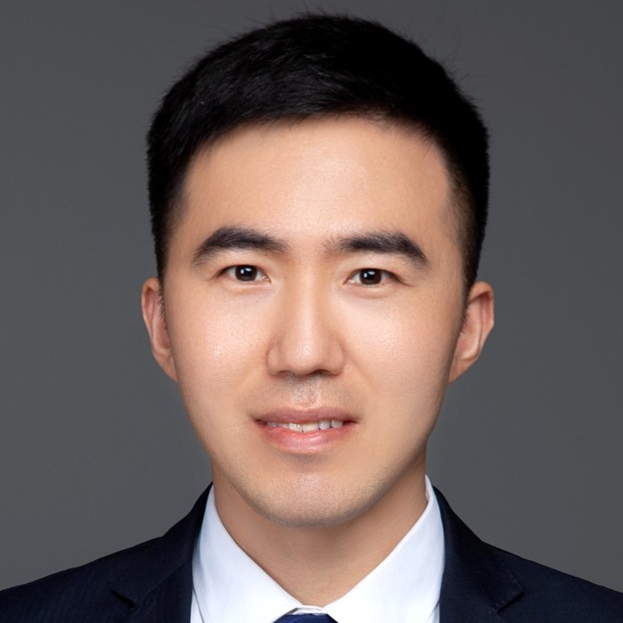 Weibin Li
Weibin Li (He/His) is the First Author of High-resolution diel dynamics of non-structural carbohydrates in trees reveal organ-level coordination and trait–environment coupling published 05 March 2026. Li is a Professor at Lanzhou University, China.
Education background includes: 2017 Ph.D., Institute of Applied Ecology, Chinese Academy of Sciences, China. Research interests include Plant carbon allocation, Abiotic stress, and forest mortality. Personal interests include reading and music.
“Plants have always felt magical to me. Unlike animals, they cannot move away from stress or rely on medical interventions to improve their quality of life, yet they survive—and often thrive—by finely tuning their internal physiology to a changing environment. This quiet resilience is what first drew me to plant science and continues to motivate my research.
My curiosity centers on how plants manage carbon—their fundamental currency for growth, storage, and survival—under environmental constraints. This interest led to my work on High-resolution diel dynamics of non-structural carbohydrates in trees reveal organ-level coordination and trait–environment coupling, where I explored how different plant organs coordinate carbon use across daily cycles and environmental gradients.
Throughout my research journey, I have been deeply inspired by my mentors and colleagues. In particular, Prof. Nate McDowell and the collaborative research environment around me have consistently challenged me to think critically, ask better questions, and connect plant physiological mechanisms to broader ecological processes. Their guidance has reinforced my belief that understanding how plants cope with stress is not only scientifically fascinating, but also essential in a rapidly changing world.”
 Yue Zhang
Yue Zhang (He/his) is the First Author of Simplified mechanical organs in aquatic plants are associated with the loss of expansin genes published 18 March 2026.He is an Assistant Professor at Wuhan Botanical Garden, Chinese Academy of Sciences. Education background includes: 2022 Ph.D Wuhan Botanical Garden, Chinese Academy of Sciences. Research interests include Aquatic plants, adaptive evolution. Personal interests include Badminton.
Zhang loves plant science because plants exhibit phenotypic plasticity during their adaptation to aquatic environments.
 Akari Maeda
Akari Maeda (she/her) is the First Author of A small-molecule clock modulator quantitatively manipulates photoperiodic flowering published 25 March 2026. She is a JSPS postdoctoral research fellow at Nagoya University and a Visiting Scientist at the Sainsbury Laboratory
Education background includes: 2025 Ph. D., Bioagricultural Sciences at Nagoya University; 2022 M.Sc., Science at Nagoya University; 2020 B.Sc., Agriculture at Meijo University. Research interests include the circadian clock and plant responses to environmental stimuli. Personal interests include traveling, visiting buildings, and observing their design.
“I began working on circadian clock research because I was drawn to its ability to confer robust and precise temporal regulation on plant physiology in fluctuating environments. My supervisor, Norihito Nakamichi, allowed me to learn about the history of circadian clock studies and explained how early researchers proposed insightful hypotheses to explain the biological timekeeping system long before the underlying molecular mechanisms were known. Learning about these pioneering ideas left a strong impression on me and highlighted the interest of chronobiology.
Furthermore, the arrival of Tomoaki Muranaka in the Nakamichi laboratory enabled us to analyse, using duckweeds, the relationship between circadian period length and flowering phenotypes in greater detail, yielding clearer results than had previously been obtained in Arabidopsis. These findings helped to further substantiate discoveries made by earlier pioneers in both dicotyledonous and monocotyledonous plants. I believe this progress resulted from reflecting on past studies and continually asking what can be demonstrated with the approaches available to us today.
This combination of environmental robustness and temporal control continues to motivate my research. I hope to continue valuing the hypotheses proposed by early pioneers and to keep asking whether there are ways to overcome the barriers that once proved insurmountable for them.”
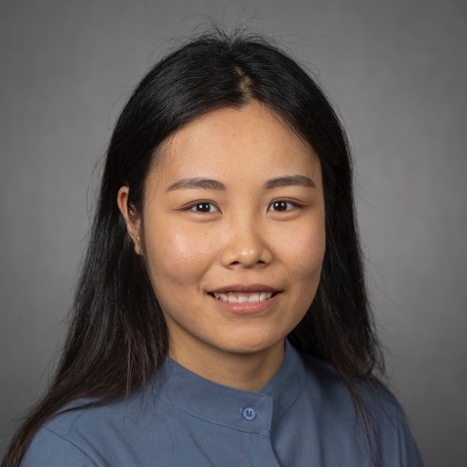 Moni Qiande
Moni Qiande is the First Author of BOTany methods: accessible automation for plant synthetic biology published 19 February 2026. Qiande is a Postdoctoral Associate at the University of Florida. Education background includes: 2019 BSc China Agricultural University.
Research interests include Biology automation, Plant molecular engineering, Yeast prototyping. Personal interests include Hiking.
“My interest deepened during my training in plant molecular biology, when I began working at the interface of genetics, metabolism, and engineering. I was fascinated by how subtle molecular changes, for example, altering a single enzyme, promoter, or pathway, could reshape plant traits and metabolic outputs. At the same time, I became acutely aware of how slow and labor-intensive traditional plant research can be. That tension—between the enormous potential of plant systems and the bottlenecks in studying them—became a driving force in my work.”
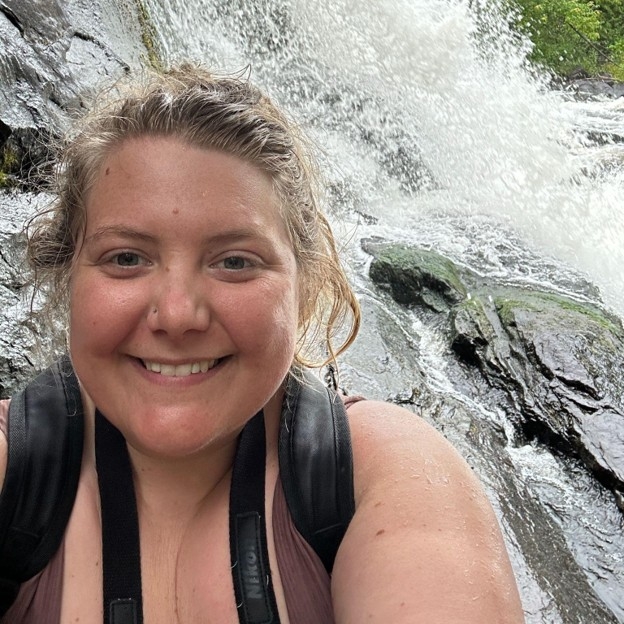 Amanda Koenig
Amanda Koenig (she/her) is the First Author of Multifactorial analysis of simultaneous organelle movement reveals cell-specific motility for leaf peroxisomes and mitochondria published 28 February 2026.She is a Postdoctoral Scholar at Michigan State University-Department of Energy Plant Research Laboratory. Education background includes:2022 Ph.D Genetics and Molecular Plants Sciences at Michigan State University, 2016 BSc Biochemistry at Loyola University Chicago. Research interests include Plant Cell Biology, Organelle Dynamics. Personal interests include Biking, Kayaking, Flute Playing.
“When I was a sophomore in high school, I was adamant I wanted to be a book editor, a career path I confidently declared to my Honors Chemistry teacher on my first day of class. She looked me directly in the eyes and said: “I don’t think so, you’re going to be a scientist.”
By the end of that semester, I enrolled in AP Physics and Calculus B/C instead of AP American Literature and Independent Science Research instead of Creative Writing. I joined the 5 person inaugural class of AP Chemistry at my school and took a job as a lab tech at Washington University School of Medicine in St. Louis, where I earned my first ever authorship on a scientific publication in the field of endocrinology. But, later that summer, I went to the beach with my family and brought along a Nat Geo magazine, as any good nerd would, and read an article about the acidification of the ocean and its effects on reefs.
Environmental sustainability emerged as my new focus, and when I declared a Biochemistry major at Loyola Chicago, I did so with plants and their immense power to fuel the planet in mind. I joined one of the only plant research labs at LUC, and lamented each semester that they had to cancel the Plant Biochemistry course for lack of enrollment. So, after 4 years chasing any single plant course to no avail, what other place to be than a founding land-grant university and a beacon of plant research innovation, Michigan State, for my PhD? Robin Wall Kimmerer wrote, in Braiding Sweetgrass, “Doing science with awe and humility is a powerful act of reciprocity with the more-than-human world.” Every day, I carry that intention with me not only at the lab bench but on hikes while I listen for birds, kayak paddles watching for a new-to-me native plant, gardening in my backyard, and biking to work. Being a scientist means approaching every interaction with openness and curiosity; that is what keeps me engaged with science.”
 Zane Gregory Long
Zane Gregory Long (He/His) is the First Author of Jasmonate signaling and prey nutrient availability trigger distinct biochemical responses in the Drosera capensis feeding cycle published 20 January 2026. He was a Graduate Student, University of California Irvine at the time of submission, now an independent contractor. Education background includes: 2025 Ph.D Chemistry, University of California, Irvine; 2018 BS Chemistry University of California, Irvine.
Research interests include Mass Spectrometry, Analytical Chemistry, Chemical Biology, Plant Biology. Personal interests include Gaming, Crafting.
“I love plant science because as a mass spectrometrist, there are few things better for discoveries of new unknowns than plants.”
 Gemma Rose Takahashi
Gemma Rose Takahashi (she/her) is the First Author of Jasmonate signaling and prey nutrient availability trigger distinct biochemical responses in the Drosera capensis feeding cycle published 20 January 2026. She is an Assistant Specialist (UCI MIND – MODEL-AD) at the University of California, Irvine. Education background includes: 2025 PhD in Biology (Molecular Biology and Biochemistry, Bioinformatics) at the University of California, Irvine; 2019 BS in Geobiology at the California Institute of Technology, Research interests include bioinformatics, Alzheimer’s, carnivorous plants, protein structural biology. Personal interests include water polo, swimming, crochet, gaming, piano.
“I fell into plant science by accident! For the longest time I wanted to hunt dinosaurs, but my undergraduate institution convinced me that microbes were just as cool – and in a way they were. Microbes occupy an immense range of metabolic and competitive niches, giving rise to useful molecules like penicillin and Taq polymerase. Exploring microbial genomes, transcriptomes, and proteomes feels much like a treasure hunt, not unlike that of a dig for fossils. In graduate school, my PI introduced me to her collection of carnivorous plants – which can be both molecularly useful and wonderfully weird. What is cooler than a plant that eats meat? I spent a great portion of my PhD diving into the genes and proteins associated with plant carnivory, especially in Drosera capensis. Though I now work with mouse labs, I will always keep a plant or three nearby.”
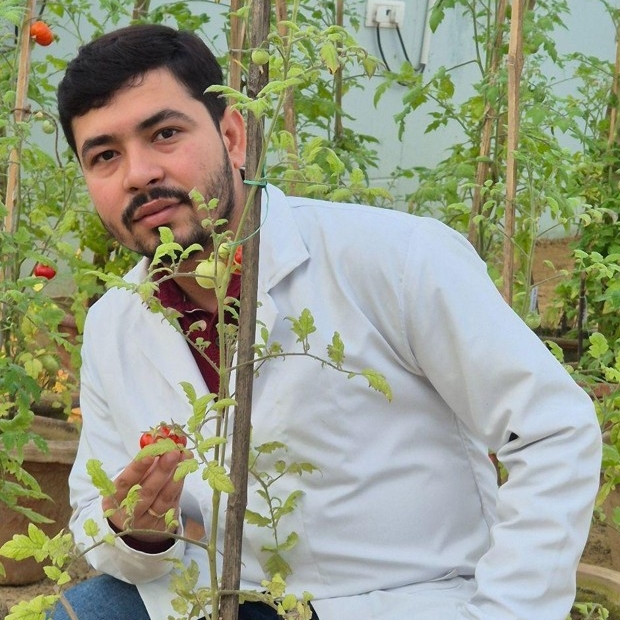 Pranshu Kumar Pathak
Pranshu Kumar Pathak is the First Author of Regulation of Squalene Biosynthesis and Plant Development by ELONGATED HYPOCOTYL 5 in Response to Light in Arabidopsis thaliana published 28 January 2026. Pathak is a Project Associate II at CSIR-Central Institute of Medicinal and Aromatic Plants, (CSIR-CIMAP Lucknow). Education background includes: 2025, Ph.D. in Biological Science at CSIR-National Botanical. Research Institute (CSIR-NBRI), Lucknow. ; 2017 Masters in Plant Biotechnology (Molecular Biology division) at Banaras Hindu University (BHU), Varanasi, Uttar Pradesh, India. ; 2015, Bachelors in Biotechnology (BSc Biotechnology) at Gaya College, Gaya (affiliated to Magadh University), Bodh Gaya, Bihar, India. Research interests include stress physiology, functional genomics, and molecular biology. Personal interests include being an educator for underprivileged students, a hodophile, listening to music, reading books, and a self-believer.
“As I graduated with a BSc in biotechnology, I was thinking about Indian farmers because India is an agriculture-based country. After my master’s studies, when I gained knowledge of plant-microbe interactions (PMI), I started educating farmers and other students of plant science about biocontrol methods for pests and pathogens. During my PhD, I was introduced to the concept of secondary metabolites (Flavonoids and terpenoids) and their protective roles for plants. I have always dreamed of becoming a plant scientist. With global warming intensifying, it is crucial to develop new advancements in plant science to address the world’s growing needs for food and nutritional security. So, kindly help me find a group for a postdoctoral position.”
 Nier Chen
Nier Chen(she/her) is the First Author of 5’UTR Editing of Ribosomal Protein UL3Z Gene Unveils Its Critical Roles in Pre-rRNA Processing and Global mRNA Translation Dynamics published 20 February 2026. She is a Master’s Student, School of Life and Ocean Sciences, Shenzhen University, Education background includes: 2023 BSc Chinese Pharmacy Guangzhou University of Chinese Medicine. Research interests include Plant Ribosome Translation, Plant Epigenetics. Personal interests include Playing Badminton.
“My journey in research began with a curiosity about the fundamental principles of plant life. During my master’s studies, I had the privilege of joining the research group of Professor Beixin Mo, who served as my supervisor, where I focused on elucidating the functions and regulatory mechanisms of plant ribosomal proteins. Using CRISPR/Cas9-based genome editing, we successfully generated a series of hypomorphic alleles of the embryo-lethal ribosomal protein gene UL3Z in Arabidopsis thaliana. This work revealed the indispensable role of UL3Z in embryonic development, precise rRNA processing, and the maintenance of global translational homeostasis. Throughout this formative stage, I benefited greatly from the rigorous academic environment fostered by Professor Mo’s group. As my supervisor, Professor Mo consistently guided me to identify foundational gaps in my research reasoning; her questions were always incisive and directed toward the logical core of scientific inquiry, helping me develop a structured and disciplined approach to research. In parallel, my mentor, Wei Xiong, provided essential guidance in experimental techniques and early-stage research training, encouraging intellectual independence while offering timely support whenever I encountered obstacles.
Within this nurturing environment—one that truly supported my first steps and guided me forward—I not only gained proficiency in cutting-edge techniques such as genome editing and molecular genetics, but also developed a deeper appreciation for the translational process as a central regulatory hub linking genetic information to functional execution in living systems. This experience taught me that meaningful scientific progress arises not only from individual curiosity and critical reflection, but also from the guidance and collaboration of inspiring mentors and peers.”
 Anuradha Singh
Anuradha Singh (she/her) is the First Author of Genome-wide association studies and modeling of stomatal gas conductance reveal genetic control of water-use efficiency in sorghum published 16 February 2026. She is a Research Associate at Michigan State University.
Education background includes: Ph.D. in Plant Biotechnology, 2016 Guru Jambheshwar University of Science & Technology, Hisar, India (jointly with the National Agri-Food Biotechnology Institute, Mohali, India). Supervisors: Dr. Joy K. Roy and Dr. Rakesh Tuli. M.Sc. in Biotechnology, 2010 Pondicherry Central University, Puducherry, India. B.Sc. in Botany (Hons), 2008 Banaras Hindu University, Varanasi, India.
Research interests include ntegrating genomics, phenomics, and plant physiology to unravel the complex genetic architecture underlying drought resilience, biomass accumulation, and grain yield in diverse sorghum populations. At Michigan State University, she employed a high-throughput, “field-to-genome” pipeline that combines sensor-based imaging, GWAS, machine learning, and bioinformatics approaches to identify key genes and traits that enhance sorghum adaptation to water-limited environments. By bridging these layers of data, Singh’s work aims to design climate-resilient sorghum varieties with improved productivity, ultimately contributing to sustainable agriculture under changing environmental conditions. Personal interests include cooking and gardening, or anything that allows her to experiment creatively and connect with the natural world.
“I love plant science because it perfectly blends discovery with real-world impact. Every experiment reveals something new about how plants grow, survive, and interact with their environment. Knowing that this knowledge can improve food security or help combat climate change makes my work meaningful every day. My research journey has been shaped by my past and present mentors, particularly Dr. Addie Thompson, who has taught me not only to ask questions but to pursue them rigorously and creatively. Their guidance has profoundly influenced how I approach both experiments and the scientific process.”
 Joshua James Singleton
Joshua James Singleton is the First Author of MEDIATOR25 integrates jasmonate signaling with specialized metabolism across alkaloid and flavonoid pathways published 19 Febuary 2026.
Singleton is currently applying and open to work. Education background includes: 2025 Ph.D. Plant and Soil Science at University of Kentucky 2019 M.S. Plant and Soil Science at Texas Tech University 2017 B.S. Plant and Soil Science at Texas Tech University. Research interests include Gene Regulation, Metabolic Engineering. Personal interests include Cooking, Gardening, Fitness.
“I became interested in plant science while living in a small agricultural town in Texas. There I learned the importance and necessity of maintaining robust agriculture production. ‘
I find passion in the field of plant science as plants have evolved many complex mechanisms and pathways for adaption to their environment for millions of years. Unlocking those secrets through rigorous experimentation is both exciting and rewarding.
My mentors throughout my career have guided, inspired, and strengthened me to become a more competent and tempered researcher.
I began my fledgling interest in plant science writing a paper in high school over the topic of GMO crops. Since then my personal interest in the genetics of plants has only become more entrenched with time.”
Yuxuan Lou
Yuxuan Lou is the First Author of AI-enabled protein design facilitates future plant research and crop breeding published 18 March 2026. Lou is PhD Student at China Agricultural University.
Education background includes: 2025 Bachelor of Agriculture, China Agricultural University. Research interests include Protein design. Personal interests include playing table tennis.
“Since middle school, I have held a strong interest in the life sciences. During my preparation for the high school biology competition, I gained a preliminary understanding of various disciplines within life sciences, among which plant science captivated me the most with its quiet charm and significant importance. At university, as a member of the inaugural Bio-breeding Elite Program at China Agricultural University, my commitment to studying plant science and contributing to the revitalization of the seed industry was further strengthened. With the rapid advancement of artificial intelligence, I have come to realize the profound transformation AI can bring to plant science. Under the guidance of my advisor, Professor Xiangfeng Wang, I have systematically studied deep learning and am currently developing a series of AI-driven protein design algorithms. I hope to promote innovation and development at the intersection of AI and plant science in the future.”
 Ze-xiang Zeng
Ze-xiang Zeng (she/her) is the First Author of Deciphering vital transcription factors in cytokinin- and ABA-mediated postharvest leaf senescence of Brassica rapa published 04 March 2026. Zeng is a Postdoctoral Fellow at South China Agricultural University.
Education background includes: 2025 Ph.D. in Postharvest Science of Horticultural Products at South China Agricultural University; 2020 BSc in Horticulture at South China Agricultural University. Research interests include Postharvest biology, Leaf senescence, Gene regulation. Personal interests include Music, Traveling.
“My research journey has been profoundly shaped by Professor Jianye Chen. Since joining his lab in 2020, under his mentorship, I have learned to approach plant senescence from a systems perspective, allowing me to truly appreciate the complexity of biological regulation. Professor Chen’s rigorous scientific standards inspire me to continually push the boundaries of my work. Driven by this, my future research will expand beyond the transcriptional level into multi-dimensional layers, such as post-translational modifications and epigenetics, to comprehensively decode the underlying mechanisms of leaf senescence in vegetables.”
Ying Li
Ying Li (she/her) is the First Author of Rice stripe virus NS2 and NS3 proteins jointly stabilize OsIAA25 to inhibit auxin-mediated immunity in rice published 21 Febuary 2026. She is a Lecturer at College of Biology and Oceanography, Weifang University. Education background includes:2021 Ph.D Shandong Agricultural University; 2015 BSc Wenjing College of Yantai University.
Research interests include Molecular Mechanism Research on Crop Disease Resistance and Stress Tolerance. Personal interests include running.
“I am passionate about plant science, primarily because I value its role in solving real-world agricultural problems; research into the interactions between rice and viral proteins serves as a crucial bridge connecting fundamental scientific inquiry with agricultural production.”
 Chenyu Zhang
Chenyu Zhang (He) is the First Author of Fluoride Detoxification in Tea Plants is Aluminum-Dependent and Associated with Localization in the Epidermis published 27 Febuary 2026.Education background includes:2025 Ph.D Huazhong Agricultural University & Tea Research Institute, CAAS; 2018 Hunan Agricultural University; 2014 Hunan Agricultural University.
Research interests include genetics, development, ionome. Personal interests include Table tennis, basketball.
“I became interested in plant science during the final year of my undergraduate studies, when I prepared and examined cross-sections of tea leaves. I was fascinated by their complex yet intriguing structure.”
 Félix Martínez Rivas
Félix Martínez Rivas is the First Author of Malate Matters: Disrupting Bacterial-type Phosphoenolpyruvate Carboxylase (BTPC) Rewires Tomato Fruit Development published 28 January 2026. Rivas is a Postdoctoral Researcher AND Centro de Biotecnología y Genómica de Plantas (UPM/INIA-CSIC). Education background includes: 2021 PhD in Plant Biotechnology at Universidad de Córdoba / 2015 MSc in Agrifood Biotecnology at the University of Almería / 2014 BSc in Biochemistry at Universidad de Córdoba.
Research interests include Plant metabolism, natural diversity, domestication, abiotic stress. Personal interests include Music, Tennis, and reading.
“I come from a farmer’s house, in the area named the ‘sea of plastic’ as the greenhouses cover thousands of square kilometers (even seen from space). My mum is also a fantastic house gardener with the best flowers in the neighborhood.
Science came in high school when the chemistry teacher taught us the Krebs Cycle and metabolism. I discovered I loved chemical reactions and metabolism. In the first year of university, I realized I loved the laboratory courses and performing the protocols by myself.”
 Yuerong Gao
Yuerong Gao is the First Author of Light-induced m 6 A RNA modification regulates anthocyanin accumulation during rose petal coloration published 04 March 2026. Gao is an Assistant Professor at Beijing University of Agriculture. Education background includes:2017 Ph.D of Horticalture at China Agricultural University; 2013 Master of Agricultural at Hainan university; 2010 Bachelor of Engineering at Wuhan University of Bioengineering. Research interests include Plant Physiology, Molecular Regulation. Personal interests include Painting.
“My interest in plant science began in my youth. Plants are the most important organisms on Earth. How was the harmonious relationship between plants and the Earth’s environment formed? And how it was manifested at the physiological and molecular levels? These questions have always deeply attracted me.”
 Juan Du
Juan Du (she/her) is the First Author of Twenty-Five Years of Photobodies: Formation, Composition, and the Two-Compartment Logic of Phytochrome B Signaling published 01 March 2026. She is an Assistant Project Scientist at University of California, Riverside.
Education background includes: 2019 Ph.D Crop Science at Oklahoma State University; 2014 MSc Plant Science at China Agriculture University; 2012 BSc Plant Science at China Agriculture University. Research interests include Phytochrome signaling, Nuclear organization. Personal interests include Violin.
“I feel very fortunate to have joined the Chen lab for my postdoctoral training, where my advisor, Dr. Meng Chen, has been a central mentor and a major source of inspiration in my research development. When I began my postdoctoral project on the mechanism of photobody formation, our hypothesis was that photobodies form nonrandomly at specific subnuclear locations. However, at that time, no effective methods were available to label individual photobodies.
Working closely with my advisor, I developed the first Oligopaints-based FISH method in Arabidopsis. Through his step-by-step guidance on how to develop and refine experimental protocols, I learned not only how to optimize the protocol itself through extensive troubleshooting, but also how to integrate complementary methodological strategies to further improve FISH signal quality.
After months of optimization, we were ultimately able to visualize photobodies together with chromosome-specific centromeres, which provided reliable nuclear landmarks for distinguishing and analyzing individual photobodies. However, establishing a method was only the first step. There was still no established framework for characterizing photobodies or for connecting their spatial organization to mechanistic insight. At this stage, my advisor emphasized the importance of remaining open-minded rather than assuming specific nuclear associations, which prompted me to systematically examine a broad range of spatial relationships between photobodies and nuclear landmarks. Under his guidance, we discovered that photobodies nucleate at nonrandom subnuclear locations and exhibit distinct thermosensitive and thermo-insensitive populations. I feel very fortunate to have received his mentorship, which has had a lasting impact on my scientific development and will continue to guide my approach to research throughout my future career.”
 Tingting Wen
Tingting Wen(she/her) is the First Author of OsNPF3.5 mediates gibberellin allocation and grain yield in rice published 10 March 2026. Wen is a Postdoctoral at South China Agricultural University. Education background includes: 2025 Ph.D in Genetics at CAS Center for Excellence in Molecular Plant Sciences; 2021 MSc in biology Studies at Shanghaitech University; 2018 B.Sc.(Ag.) Landscape Architecture Shandong Agricultural University.
Research interests include Plant transporters, source-sink relationship. Personal interests include Running.
“Plant science is important for the human future.”
Asuka Nakamura
Asuka Nakamura (she/her) is the First Author of Cyclic electron flow around photosystem I provides energy production and photoprotection in C4 plants published 16 March 2026. She is a PhD student at Kwansei Gakuin University. Education background includes: 2025 MSc in BioScience at Kwansei Gakuin University. Research interests include Photosynthesis, C4 plants. Personal interests include photography.
“When I was in junior high school, a researcher at my favorite botanical garden told me:
“Photosynthesis is the only biological process on Earth that converts solar energy into a food we can use.” These words made me realize how amazing plants are and inspired me to pursue a career in plant science.
 Shanbin Xu
Shanbin Xu is the First Author of OsVPS34-generated PI3P recruits GPA5/Rab5a to regulate post-Golgi glutelin trafficking in rice endosperm published 19 March 2026. Xu is at the Quzhou Academy of Agricultural and Forestry Sciences.
Education background includes: 2020 Ph.D Genetics at Nanjing Agricultural University; 2017 Master in crop genetics and breeding at Anhui Agricultural University; 2013 BSc Agriculture Anhui Agricultural University. Research interests include endosperm development; seed storage protein transport. Personal interests include running.
“Professor Dong Hu mentors me in my research.”