
Non-coding RNA and RNA modification empower immunity in grapevine
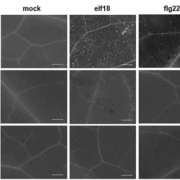
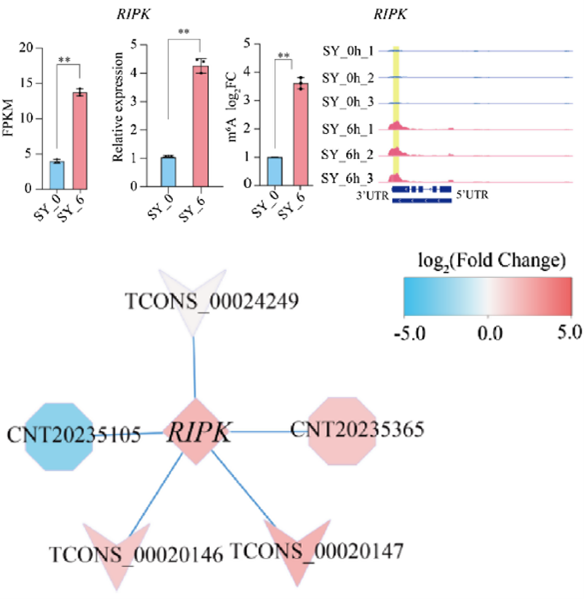 Grapevine is an important crop in the food industry. Like other crops, cultivated grapevine benefits from wild relatives that can be used for genetic resource mining and cultivar improvement. Useful genetic resources include novel alleles and gene expression regulators for better growth and stress resilience. In this study, Duan et al. reveal the promotion of immunity in wild grapevine by the combined effect of lncRNA (long non-coding RNA) and m6A RNA methylation. The authors treated wild grapevine variety V. quinquangularis ‘Shanyang’ (SY) and cultivated grapevine variety ‘Cabernet Sauvignon’ (CS) with bacterial flagellin protein flg22 to induce immune responses in the plants. They then compared the differentially expressed lncRNAs upon flg22 treatment in the two grapevine varieties. Several lncRNAs were induced in SY but not CS upon the treatment. The overexpression of these lncRNAs in grapevine leaves promoted the resistance to fungal pathogen Coniella diplodiella. The authors also revealed the increase of m6A RNA methylation in CDS regions of SY upon the treatment, and the hypermethylation promoted gene expressions. Combined analysis of lncRNA, m6A RNA methylation, and gene expression revealed the promoted expression of a serine/threonine protein kinase (RIPK) gene by both hypermethylation and lncRNAs upon flg22 treatment. In addition to suggesting lncRNA candidates for pathogen resistance enhancement in grapevine, the study improves the understanding of gene expression regulation by the combined effect of lncRNA and m6A RNA methylation. (Summary by Yee-Shan Ku @YeeShanKu1) Plant Biotechnol J 10.1111/pbi.70303