

Plant Science Research Weekly: October 3, 2025
Review: How to evaluate the climate-mitigation potential of plant agricultural interventions
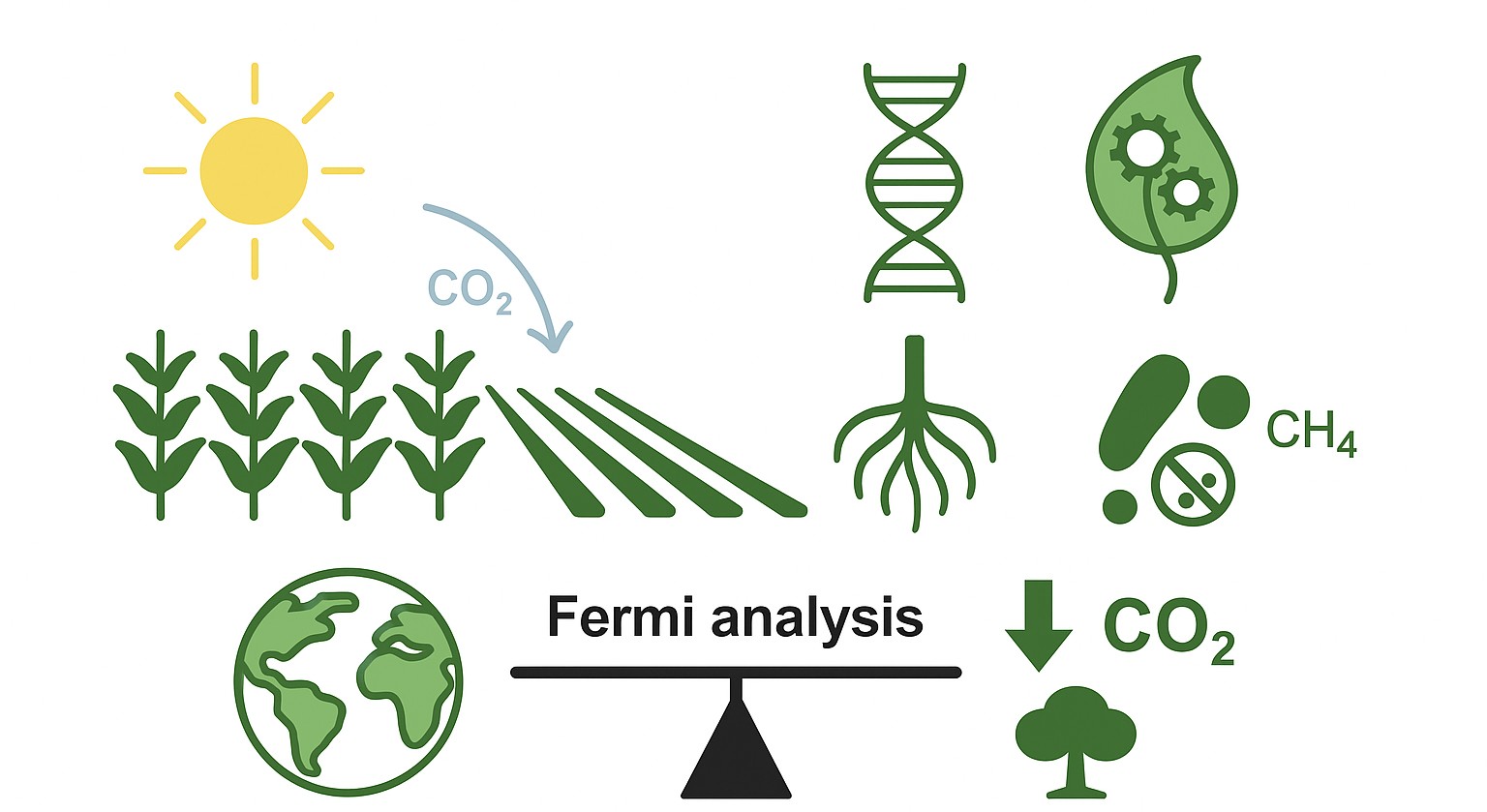 Agriculture contributes substantially to climate change. Many agricultural interventions have been suggested as opportunities to lower this impact, through CO2 sequestration or through reducing emissions of CO2 and CH4. This review by Vickers and Zerbe lays out how to use Fermi calculations to identify which of these interventions might have the biggest impact and the key priorities revealed through this approach. One of their findings is that strategies that impact the largest areas will have the biggest impact, even if they aren’t the biggest impact when calculated per hectare. The authors also note that as land area is limited, some promising avenues such as extensive reforestation must be managed carefully to not impinge upon land needed for crop production. Some approaches such as better management of fertilizer use can be implemented immediately, whereas others that rely on synthetic biology or complex breeding will be slower to implement. The authors recommend identifying a portfolio of near- and long-term strategies and regular re-evaluation to ensure that the selected approaches remain relevant. These conclusions were described in a recent webinar on Numeracy, Realism, and Relevance in Plant Science, and this article is dedicated to the memory of Professor Andrew Hanson, a leading proponent of synthetic biology and rational problem solving. (Summary by @PlantTeaching.bsyk.social) Plant Physiol. 10.1093/plphys/kiaf410
How well do large-language models understand plant biology?
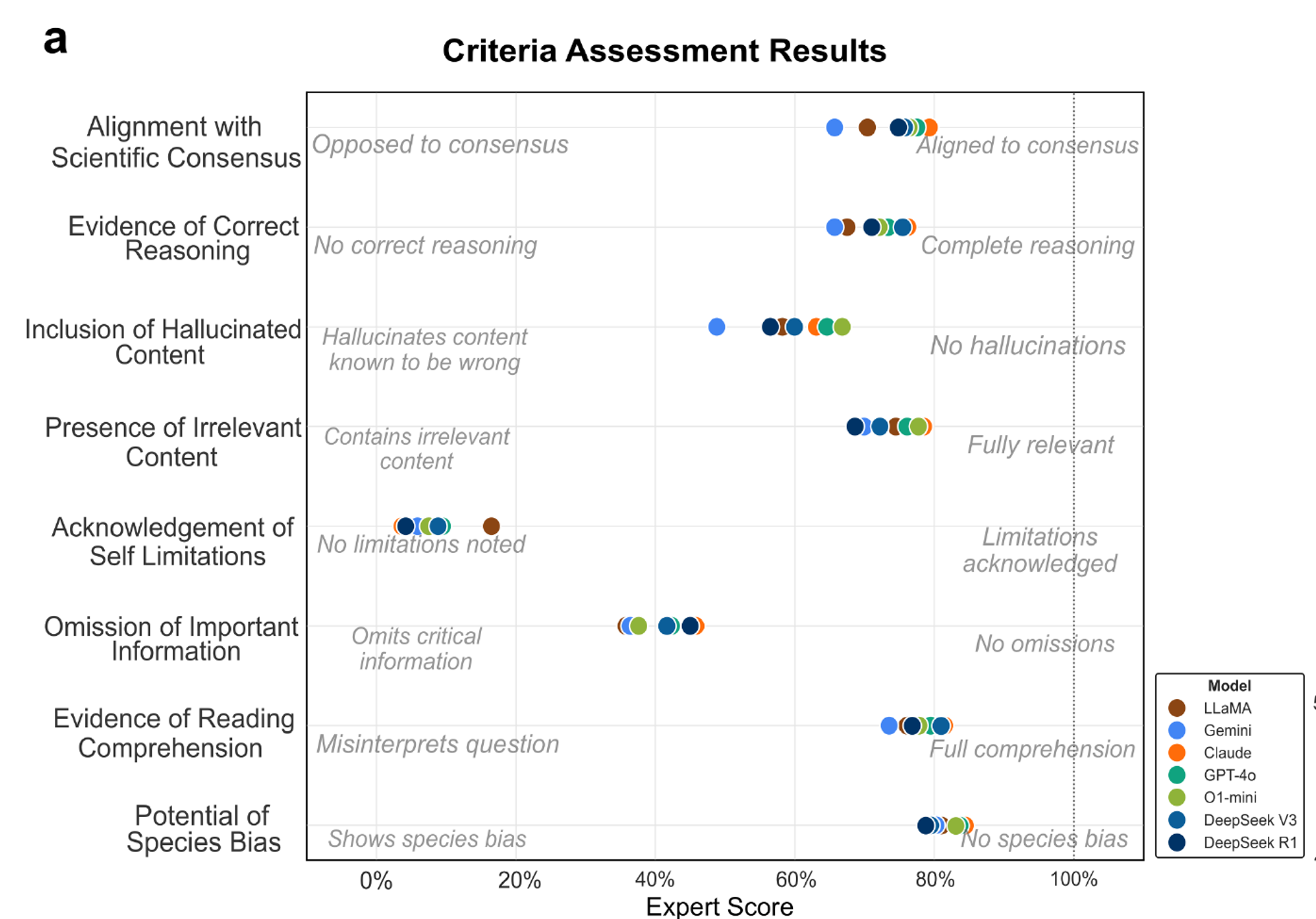 This very interesting preprint by Fernández Burda et al. investigates how well large-language models (LLMs, such as ChatGPT) are able to correctly answer questions about plant molecular biology. The article is a huge group effort that engaged the help of over 100 plant scientists to develop MoBioPlant (https://huggingface.co/datasets/manufernandezbur/MoBiPlant) as a resource. The group created a database of hundreds of questions (multiple choice and open-ended) that they posed to LLMs, and scored the different tools for their accuracy. The results are not bad, but also raise concerns about the widespread use of LLMs. Although the LLMs scored better than random on multiple choice questions, selecting the correct answer 75% of the time, they also showed their limitations. The paper presents plenty of evidence for the types of hallucinations that LLMs have been charged with, in which they present made-up facts as data, and cite non-existent articles. Not surprisingly, they show a bias towards more highly cited papers, reflecting their frequency in the models they were trained on. Whether you are a student or instructor, author or reviewer, you should remember, your critical thinking skills are better than those of a LLM. (Summary by @PlantTeaching.bsyk.social) bioRxiv https://www.biorxiv.org/content/10.1101/2025.08.31.672925v1
Lessons from 138 bryophyte genomes
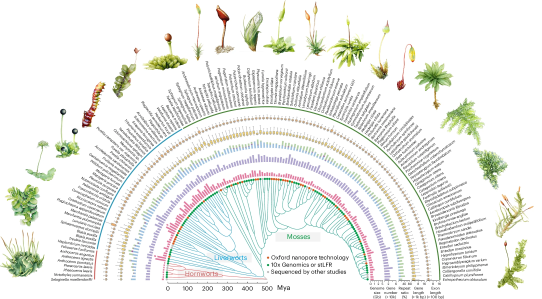 Pangenomes are amazing resources that provide glimpses into evolution that no single genome can capture. This new article by Dong et al. is a treat, as it describes the findings from a compilation of 138 bryophyte genomes, of which 123 are newly sequenced. Bryophytes are non-vascular plants (mosses, liverworts, and hornworts) and a monophyletic sister clade to tracheophytes. Unlike tracheophytes, bryophytes’ dominant life form is the haploid, gametophyte state. The authors found that although bryophytes on average contain fewer genes, they hold a greater diversity of gene families, including many previously undescribed genes and de novo genes, likely to have evolved from previously non-coding regions. Additionally, bryophyte genomes contain a lot of genes with origins in prokaryotes, viruses, fungi or animals, likely products of horizontal gene transfer. The authors propose that this expanded gene space in bryophytes likely contributed to their resilience across biomes and their “enduring presence on land over the past 500 million years”. (Summary by Mary Williams @PlantTeaching.bsyk.social) Nature Genetics 10.1038/s41588-025-02325-9
Photosynthesis reinvented: Introducing the McG Cycle for boosting plant growth and yield
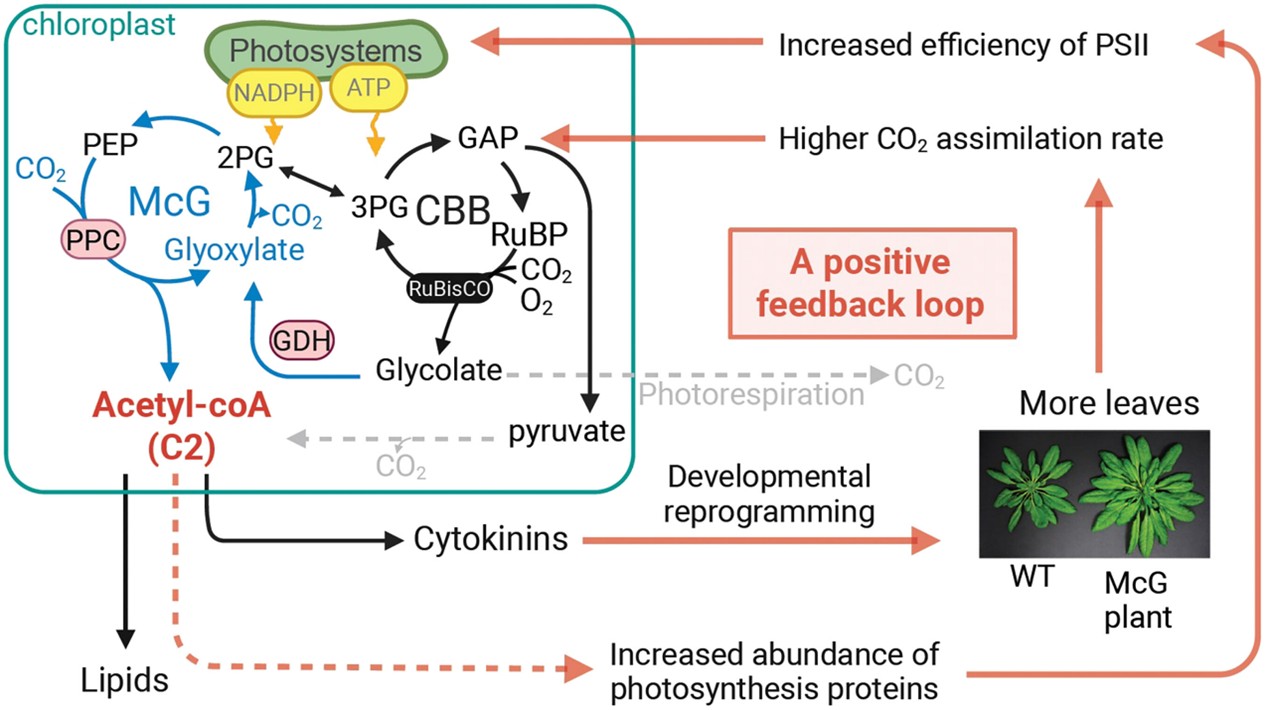 Photosynthesis is nature’s most powerful carbon capture system, fueling life on Earth and inspiring new strategies for sustainable agriculture. In plants, The Calvin–Benson–Bassham cycle generates C3 carbohydrates but is inefficient at producing the two-carbon acetyl–coenzyme A (CoA), which is the universal precursor for synthesizing lipids. The decarboxylation of pyruvate releases carbon, limiting the overall efficiency of carbon fixation. Interestingly, microbes have evolved alternative solutions. The McG cycle discovered in cyanobacteria uses phosphoenolpyruvate carboxylase to synthesize two acetyl-CoA molecules from one 3-phosphoglycerate and bicarbonate, not only avoiding carbon loss but actually increasing fixed carbon by one-third. Remarkably, it can also recycle RuBisCO’s oxygenase byproduct glycolate, transforming a wasteful liability into a valuable resource. Lu and colleagues successfully transplanted a synthetic McG cycle into Arabidopsis chloroplasts, combining six heterologous and four native enzymes. The results were extraordinary: higher photosynthetic efficiency, doubled CO₂ fixation, enhanced lipid biosynthesis, vigorous growth, and even a threefold increase in seed yield. This leap in metabolic engineering shows how reimagining nature’s blueprints can supercharge plant productivity. Beyond boosting harvests, such innovations may help plants serve as more effective carbon sinks, bridging agriculture and climate solutions in one bold step. (Summary by Ching Chan @ntnuchanlab) Science 10.1126/science.adp3
Bluer than blue: Reduced stomatal density changes red and blue light responses in wheat
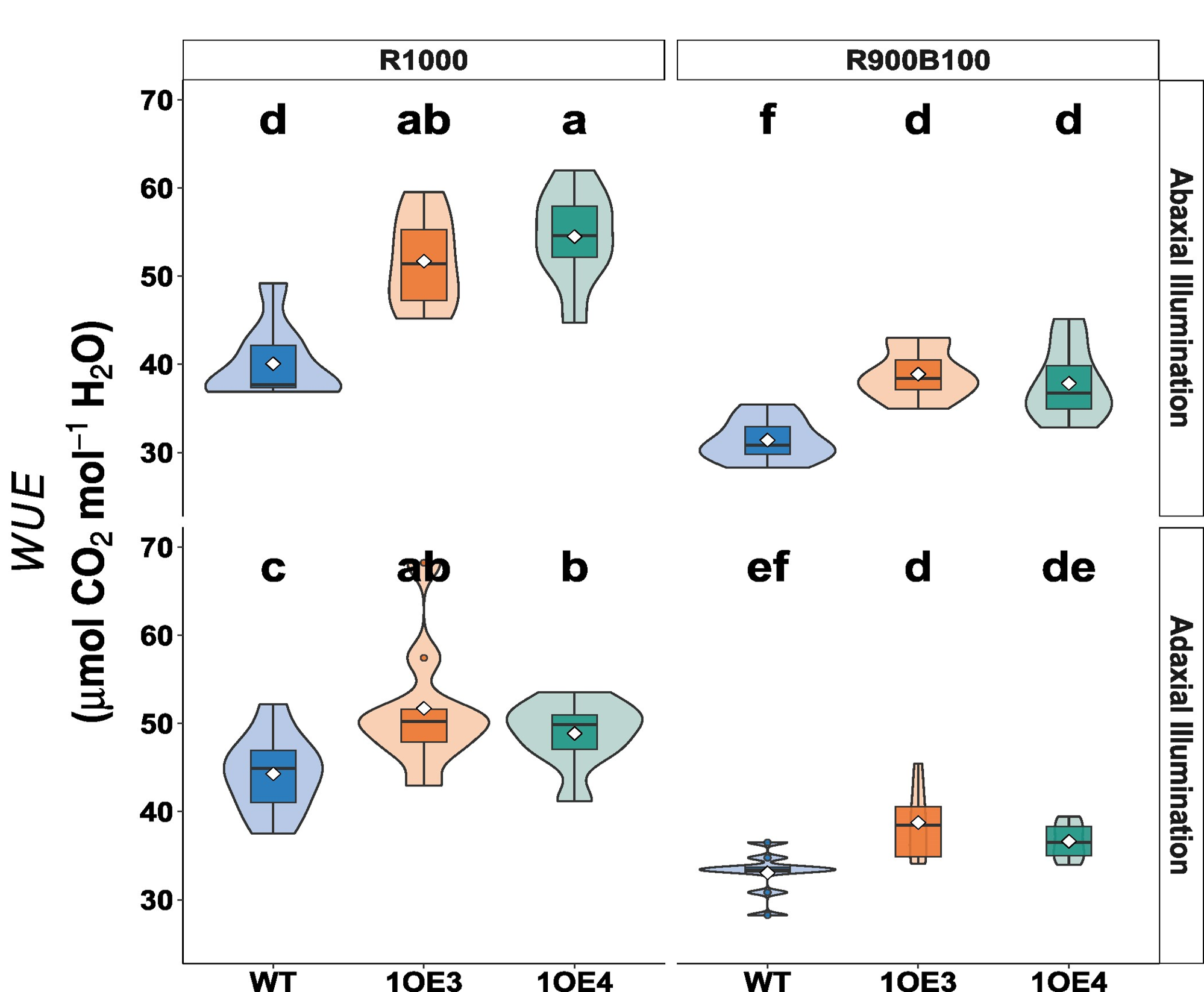 Stomata play an important role in balancing the amount of CO2 that goes in the plant for photosynthesis and the amount of water that goes out of the plant through transpiration. Stomatal density (SD) in plants has been studied with the goal of improving water-use efficiency (WUE) without sacrificing photosynthetic capacity. Fan et al. studied the effects of overexpressing Epidermal Patterning Factor 1 (EPF1) in wheat using a combination of dynamic gas exchange, anatomical measurements and molecular analyses. Results showed that SD was reduced in transgenic lines. In addition, the reduction in SD contributed to decrease in both photosynthetic rates (A) and stomatal conductance (gsw) in plants overexpressing EPF1 compared to the wildtype, particularly when there is high intensity of red light (R1000). However, upon addition of 10% blue light (R900B100), the transgenic plants showed a significantly high gsw but without a comparable change in A. Analysis of stomatal opening also showed that while the speed of stomatal opening is the same for both wildtype and transgenic plants, the reduced number of stomata and the lower aperture under red light results in lower gsw but increased sensitivity to blue light helps in maintaining photosynthetic rates. Overall, this study was able to show that reduction of SD in wheat results in reduction in A but with an accompanying increased sensitivity to blue light to compensate for the fewer stomata. This builds a foundation on stomatal density modifications that could lead to more water-use efficient crops in the future. (Summary by Mae Mercado) Plant Physiol. 10.1093/plphys/kiaf379
Auxin regulates rice root angle through OsILA1-driven cell wall remodeling
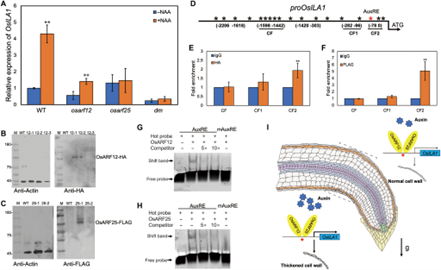 Root angle is the direction and spatial orientation of roots in relation to gravity, which aids nutrient uptake and anchorage. Root angle is shaped by gravity perception, asymmetric auxin distribution, and differential growth across root zones. While auxin response factors (ARFs) are known to regulate this process, their downstream targets remain unclear. Song et al. identified OsILA1, which encodes a Raf-like mitogen-activated protein kinase, as specifically expressed in the rice root epidermis, suggesting a role in root development. The authors tested this hypothesis with gravistimulation assays. In wild-type (WT) plants, gravistimulation triggers cell wall thickening on the lower side of the root, putting a brake on elongation and causing the root to bend downwards. By contrast, cell wall thickening was absent in the lower side of osila1 mutant roots, causing delayed response to gravity. Similarly, auxin treatments showed that high NAA concentrations inhibited root elongation and promoted cell wall thickening in WT roots, a response that was absent in osila1 mutants, suggesting a direct connection between auxin and wall remodeling. Since auxin response elements (AuxREs) are found in the OsILA1 promoter, the authors tested their function using a complementation assay and showed that the OsILA1 promoter requires the AuxRE to restore gravitropic responses in osila1 mutants. Because AuxREs are regulated by ARFs, the authors mutated all nine activator OsARFs and found that osarf12 and osarf25 mutants had shallower roots and reduced OsILA1 expression. Overall, this study provides the mechanism by which auxin regulates cell growth during root gravitropic response. (Summary by Irene I. Ikiriko @ireneikiriko) Science Advances 10.1126/sciadv.ady23.
Not just reversal: The hidden power of drought recovery
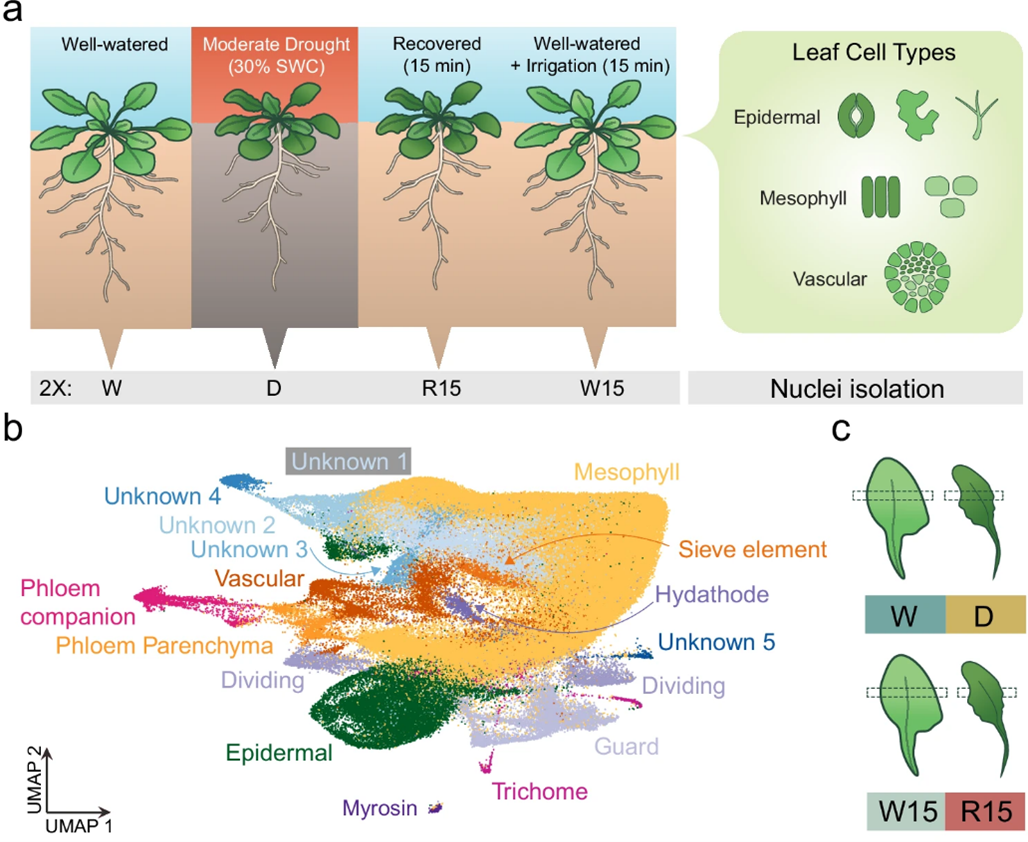 When drought strikes, plants struggle to survive. Growth slows, flowers appear too early, fruits drop prematurely, and harvests shrink. Scientists have long tried to engineer drought tolerance plants, but boosting this often comes with a hidden cost: stunted growth even when water is plentiful. This paradox raises a new question – what if the real key lies not in enduring drought, but in how plants recover once the rain returns? Illouz-Eliaz and colleagues explored this recovery phase using bulk and single-nucleus RNA sequencing in Arabidopsis. Tracking a fine-scale time series, they discovered that recovery is not simply the undoing of drought damage. Instead, it activates a unique genetic program, with over 3,000 genes expressed specifically during recovery – far exceeding the 1,248 genes responsive to drought itself. Single-cell resolution revealed 22 annotated cell clusters and 10-fold more differentially expressed genes than bulk RNA-seq, supported by spatial transcriptomics that mapped recovery-induced cell states across leaf tissues. Unexpectedly, some unannotated clusters were enriched in immune and stress-related functions, pointing to hidden layers of resilience. Motif analysis highlighted CAMTA1, a transcription factor linking recovery to defense. Remarkably, plants recovering from drought displayed increased resistance to bacterial pathogens, both in Arabidopsis and tomato. Thus, recovery doesn’t just restore plants – it redefines their strength. (Summary by Ching Chan @ntnuchanlab) Nature Comms. 10.1038/s41467-025-63467-2
ZmWAK3 acts as a negative regulator of drought tolerance in maize
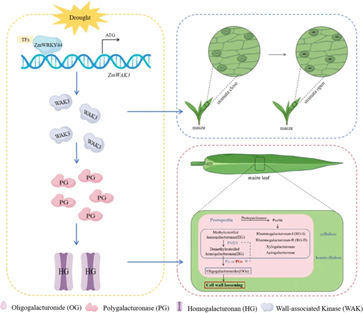 Drought is a major constraint on maize production, and understanding the underlying molecular regulators is key to breeding resilient varieties. Yang et al. investigated the role of the wall-associated kinase ZmWAK3 in maize seedlings and found it to be a negative regulator of drought tolerance. Loss-of-function mutants (zmwak3) survived drought stress better, showing higher photosynthetic efficiency, enhanced antioxidant activity, and improved cell wall integrity. In contrast, overexpression lines were more sensitive, with weakened walls, greater water loss, and reduced survival. Mechanistically, ZmWAK3 promotes polygalacturonase activity, leading to pectin degradation and cell wall loosening, which compromises water retention. It also impairs stomatal closure, thereby accelerating transpiration under drought. Conversely, mutants retained more pectin and displayed faster stomatal closure, reducing water loss. The transcription factor ZmWRKY44 directly binds the ZmWAK3 promoter, activating its expression under drought conditions. Silencing ZmWRKY44 lowered ZmWAK3 levels and improved drought tolerance, mimicking the mutant phenotype. Population analysis revealed natural variation at the ZmWAK3 locus, and the authors developed a functional marker (ZmWAK3-177) that reliably distinguishes drought-tolerant alleles. This provides a valuable tool for marker-assisted selection in maize breeding. Overall, this study uncovers a ZmWRKY44–ZmWAK3 regulatory module that links cell wall remodeling and stomatal dynamics to drought sensitivity. It highlights ZmWAK3 as both a mechanistic target and a breeding marker for developing maize varieties with improved drought resilience. Summary by Muhammad Aamir Khan (@MAKNature1998) Theor. Appl. Genet. 10.1007/s00122-025-05019-2
Non-coding RNA and RNA modification empower immunity in grapevine
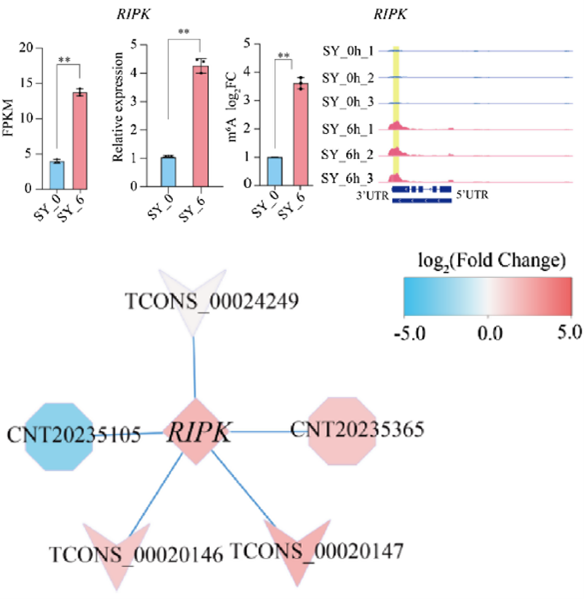 Grapevine is an important crop in the food industry. Like other crops, cultivated grapevine benefits from wild relatives that can be used for genetic resource mining and cultivar improvement. Useful genetic resources include novel alleles and gene expression regulators for better growth and stress resilience. In this study, Duan et al. reveal the promotion of immunity in wild grapevine by the combined effect of lncRNA (long non-coding RNA) and m6A RNA methylation. The authors treated wild grapevine variety V. quinquangularis ‘Shanyang’ (SY) and cultivated grapevine variety ‘Cabernet Sauvignon’ (CS) with bacterial flagellin protein flg22 to induce immune responses in the plants. They then compared the differentially expressed lncRNAs upon flg22 treatment in the two grapevine varieties. Several lncRNAs were induced in SY but not CS upon the treatment. The overexpression of these lncRNAs in grapevine leaves promoted the resistance to fungal pathogen Coniella diplodiella. The authors also revealed the increase of m6A RNA methylation in CDS regions of SY upon the treatment, and the hypermethylation promoted gene expressions. Combined analysis of lncRNA, m6A RNA methylation, and gene expression revealed the promoted expression of a serine/threonine protein kinase (RIPK) gene by both hypermethylation and lncRNAs upon flg22 treatment. In addition to suggesting lncRNA candidates for pathogen resistance enhancement in grapevine, the study improves the understanding of gene expression regulation by the combined effect of lncRNA and m6A RNA methylation. (Summary by Yee-Shan Ku @YeeShanKu1) Plant Biotechnol J 10.1111/pbi.70303

