


Review: Strigolactones and symbiosis across the kingdoms (plants, fungi, and bacteria) (J. Experimental Botany)
Blog, Plant Science Research Weekly, Research, Research BlogStrigolactones (SLs) are plant hormones with pivotal roles in plant growth. Being conserved among all plant species, they’ve been recruited by plant-associated microbes as plant-derived molecules allowing microbes to detect plants, exchange signals and establish interactions with them. In this review,…

Where do all the ecologists go? An investigation of US Doctorate recipients (Ecosphere)
Blog, Plant Science Research Weekly, ResearchEcosphere. Hampton and Labou investigated the employment figures for recent recipients of PhDs (degree awarded between 2000 and 2011) in ecology from US-based institutions. They found that less than 20% of the PhD recipients are in tenure-track positions at research-focused, PhD-granting universities.…

Network-guided discovery of transcription factors epistasis in glucosinolate biosynthesis (Plant Cell)
Blog, Plant Science Research Weekly, Research, Research BlogPlant Cell. Li et al. studied epistatic (non-additive) interactions amongst the network of transcription factors controlling aliphatic glucosinolate biosynthetic pathways, which are well-described and have diverse roles in plant defense. Specifically, the authors measured metabolite levels and transcript…
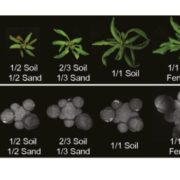
Nutrient modulation of Arabidopsis shoot apical meristem dynamics (PNAS)
Blog, Plant Science Research Weekly, Research, Research BlogProc. Natl. Acad. Sci. USA. The shoot apical meristem (SAM) is essential for the adaptation of aerial plant tissue architecture to changes in the environment. This paper by Landrein and colleagues connects changes in the plant environment (soil type, soil fertility, nitrate concentration) to changes…

Supression of phyB dark reversion by PCH1 and PCHL (Nature Comms.)
Blog, Plant Science Research Weekly, Research, Research BlogNature Comms. Phytochromes can exist in two states: an inactive state Pr and an active state Pfr. They convert into each other by light absorption. They can also revert to the inactive state by a light-independent thermal relaxation process called dark reversion. Phytochrome B is the primary receptor…
What We're Reading: February 2nd
Blog, Research, WWR Full PostNature news feature: The lost art of looking at plants
Nature. With the advent of advanced molecular techniques and tools, the detailed scrutiny of a plant’s physical attributes fell to the wayside. Focus has shifted from physiological characterization of a board range of species to detailed genomic…
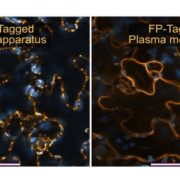
Update: Monitoring Polysaccharide Dynamics in the Plant Cell Wall
Blog, Plant Physiology, Plant Physiology: UpdatesBy Catalin Voiniciuc, Markus Pauly, and Björn Usadel
All plant cells are surrounded by complex walls that play a role in growth and differentiation of tissues. Walls provide mechanical integrity and structure to each cell, and represent an interface with neighboring cells and the environment (Somerville…
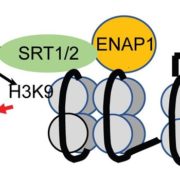
Ethylene Represses Gene Transcription via Histone Deacetylases
Blog, Research, The Plant Cell, The Plant Cell: In BriefApproximately half of all ethylene-responsive genes are downregulated in the presence in ethylene (Chang et al, 2013), but this repression has received relatively little attention compared to the ethylene-mediated activation of expression. The known positive regulators of ethylene signaling include ETHYLENE…

Recognizing featured Plant Cell first authors: Zhenlin Yang
Blog, Research, Research Blog, The Plant Cell, The Plant Cell: Author ProfilesZhenlin Yang is featured first author of Structure of the Arabidopsis JMJ14-H3K4me3 Complex Provides Insight into the Substrate Specificity of KDM5 Subfamily Histone Demethylases
Current Position: PhD Student, Shanghai Center for Plant Stress Biology, Shanghai Institutes for Biological Sciences, Chinese…