

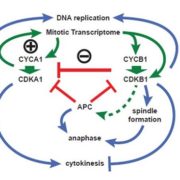
Cell Cycle Regulation by Chlamydomonas Cyclin-Dependent Protein Kinases
Blog, Research, The Plant Cell, The Plant Cell: In BriefCyclins and cyclin-dependent protein kinases (CDKs) are critical regulators of cell cycle progression. Although CDK1 is essential for mitosis in animals and fungi, CDKA, the plant and algal ortholog of CDK1, is not essential for cell division in Arabidopsis (Nowack et al., 2012). By contrast, CDKB is…

Nature news feature: The lost art of looking at plants
Blog, Plant Science Research WeeklyNature. With the advent of advanced molecular techniques and tools, the detailed scrutiny of a plant’s physical attributes fell to the wayside. Focus has shifted from physiological characterization of a board range of species to detailed genomic work being done on a few select model organisms and,…
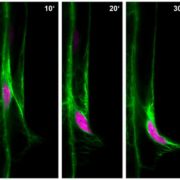
Auxin and ROP GTPase signaling of polar nuclear migration in root epidermal hair cells (Plant Physiology)
Blog, Plant Science Research Weekly, Research, Research BlogThe nucleus is a dynamic organelle whose positioning and movement is highly coordinated throughout plant development and differs between cell types. Upon the initiation and subsequent elongation of root hairs, the nucleus moves from a central position to the tip of the growing root hair. Nakamura et…
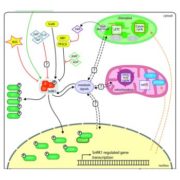
Update: SnRK1 kinase as a central mediator of energy signaling between different organelles (Plant Physiology)
Blog, Plant Science Research Weekly, ResearchThe heterotrimeric SNF1-related protein kinase 1 (SnRK1) in plants is an orthologue of yeast SNF1 (sucrose non-fermenting 1) kinase and the mammalian AMPK (AMP-58 activated protein kinase). A significant array of genetic evidence during the past years has identified SnRK1 as a key regulator of cellular…

Loop Assembly: a simple and open system for recursive fabrication of DNA circuits (bioRxiv)
Blog, Plant Science Research Weekly, Research, Research Blog Ambitious plant synthetic biology projects are driving the evolution of advanced DNA assembly techniques that permit efficient and rapid assembly of multiple transcriptional units (TUs). Pollack et al. have incorporated features of individual techniques into a single “general purpose DNA assembly…
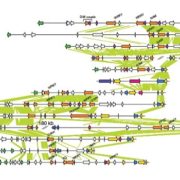
Genetic conservation, turnover and innovation across the genus Oryza (Nature Genetics)
Blog, Plant Science Research Weekly, Research, Research BlogIn order to use wild rice relatives for future crop improvement, the differences and similarities between wild and domesticated genomes need to be understood. Stein and colleagues sequenced the genomes of two domesticated varieties and seven wild species, unraveling 15 million years of evolutionary history…
Cytokinin regulation in the endoplasmic reticulum (Plant Physiology)
Blog, Plant Science Research Weekly, ResearchCytokinin is a phytohormone involved in many plant processes such as cell proliferation, apical dominance, leaf senescence, tissue patterning, organ initiation, environmental responses… To allow for effective control of all these processes, cytokinin concentrations need to be continuously adjusted.…
Chemical hijacking of auxin signaling with an engineered auxin–TIR1 pair ($) (Nature Chemical Biology)
Blog, Plant Science Research Weekly, Research, Research Blog
Gene redundancy and/or developmental defects of higher order mutants make it hard to study the role of individual components of auxin signaling. Structural biology approach can provide a detour that circumvents endogenous auxin signaling. Removing of the phenyl moiety of F79 in the auxin receptor…
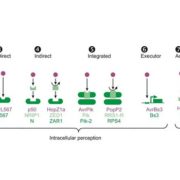
Review: 25 years of resistance (R) gene cloning identifies nine mechanisms for R protein function (Plant Cell)
Blog, Plant Science Research Weekly, Research, Research BlogGenes that confer pathogen resistance have been recognized for a very long time, and the first of these R genes was cloned 25 years ago. Kourelis and van der Hoorn examine lessons from the more than 300 R genes whose gene products are known, and from this analysis identify nine different mechanisms for…