


CCA1 is a regulator of ABA-mediated abiotic stress tolerance in rice (Plant Physiol)
Plant Science Research WeeklyIn rice, the circadian clock component gene Circadian Clock Associated 1 (OsCCA1) regulates flowering and nitrogen use efficiency. CCA1 is a MYB family transcription factor that follows a rhythmic expression pattern. Wei et al. confirmed the role of CCA1as a key hub in coordinating plant growth and abiotic…

Single seeds exhibit transcriptional heterogeneity during secondary dormancy induction (Plant Physiol)
Plant Science Research WeeklySecondary dormancy (SD) of seeds is a natural strategy that allows survival of the plant in environments with unfavourable climatic conditions. However, in Arabidopsis, a variance of dormancy depth in between identical seeds can be explained by population-based threshold models. This single-seed variability…

PIMT and ABI-TFs cascade mediates desiccation tolerance and longevity in rice seeds (Development)
Plant Science Research WeeklyThe ABA INSENSITIVE (ABI) transcription factors (TFs) (ABI3, ABI4, ABI5) regulate DT and play essential roles during seed germination. Therefore, these TFs must be functionally protected during seed desiccation. Recalcitrant seeds are sensitive to desiccation, while orthodox seeds possess a remarkable…
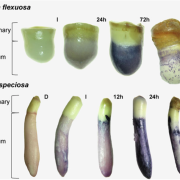
Oxidant system and ABA drive germination in seeds of palm species with differences in desiccation tolerance ($) (Seed Sci Res)
Plant Science Research WeeklyPalms are a taxonomically and ecologically diverse group. This wide variety is also reflected in their seeds, with their species showing all combinations of dormancy and desiccation tolerance behaviors. Yet, comparative studies of their germination physiology are relatively scarce. In this paper, Santos…
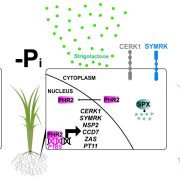
Plants’ PHR2-controlled phosphate starvation response regulates fungal symbiosis in rice (Nature Comms)
Plant Science Research WeeklyPlants’ interaction with microbes in the rhizosphere affects their health and productivity. Plant-arbuscular mycorrhiza (AM) fungi symbiosis is associated with almost 80% of land plants. The fungi provide phosphate, stress tolerance, and firmness to the soil in exchange for carbon. While low phosphate…
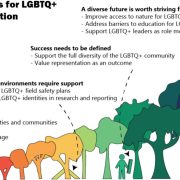
Inclusive restoration: Ten recommendations to support LGBTQ+ researchers in restoration science (Restoration Ecology)
Plant Science Research WeeklyRestoration ecologists seek to repair damaged environments, and as Toone et al. write, “the same principles that shape ecosystem restoration also provide a blueprint for cultivating inclusion in science”. Here, a group of mostly early-career restoration ecologists use their professional lenses and…
Plant Science Research Weekly: July 1, 2022
Blog, WWR Full PostCircadian clock component CCA1 is a transcriptional regulator of ABA-mediated abiotic stress tolerance in rice
In rice, the circadian clock component gene Circadian Clock Associated 1 (OsCCA1) regulates flowering and nitrogen use efficiency. CCA1 is a MYB family transcription factor that follows a…

XinMeng Gui: The Plant Cell First Author
The Plant Cell: Author Profiles
XinMeng Gui, first author of “Phytophthora effector hijacks the host pre-mRNA splicing machinery to modulate small RNA and plant immunity”
Current Position: Ph.D. candidate at Shanghai Normal University, Shanghai, China.
Education: Ph.D. in College of life Sciences, Shanghai Normal University.
Non-scientific…

Yongyao Zhao: Plant Physiology First Author
Plant Physiology: Author Profiles
Yongyao Zhao, first author of "The evolution of stomatal traits along the trajectory towards C4 photosynthesis"
Current position: Doctoral student
Education: Doctoral student in CAS center for Excellence in Molecular Plant Science, Shanghai, China
Non-scientific interests: listening to music
Brief…