

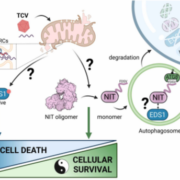
How selective autophagy protects plants from self-damage upon infection
Plant Science Research WeeklyAutophagy is a conserved cellular recycling process that clears unwanted components and helps maintain balance under stress. In plants, immunity protects against invading pathogens, but how autophagy regulates this defense system has remained unclear. To address this question, Clavel and colleagues challenged…
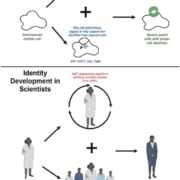
Letter: Extrinsic and intrinsic contributors to identity in cells and people
Plant Science Research WeeklyIn this interesting Letter to the Editor, Drew and Nagel explore the concept of how identities are established, and draw a comparison between the scientific identity of a person and the cellular identity of a developing guard cell. The article starts by briefly describing the cell autonomous and non-cell…
Plant Science Research Weekly: June 5, 2026
WWR Full PostSpecial issue on methods to assess crop stress resilience
Our food crops are threatened by ever-increasing environmental challenges as a consequence of climate change. It’s critical that we develop strategies to monitor and mitigate these stresses, but it’s also a huge undertaking. A new focus…
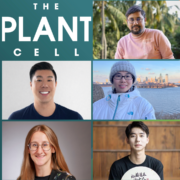
The Plant Cell Features January, February and March 2026 First Authors
Blog, Community, The Plant Cell: Author ProfilesBehind the manuscripts are researchers, professors, professionals, and students dedicated to advancing the field of plant science. You’ve seen our First Authors on Bluesky, X and Facebook— now, read more about why they chose to pursue plant sciences and click on the links to read their articles.
Vinod…

Why Does Plant Science Need More Storytellers?
Blog, CommunityThe world has grown impatient, especially with science. People want information about things they care about, from people whom they can trust. Trust is built through stories that connect scientific research to everyday life. These stories must feel relevant, told by people who show what they care about…