

Low-gluten, non-transgenic wheat engineered with CRISPR/Cas9
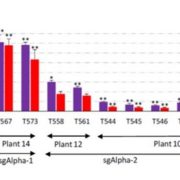
Blog, Plant Science Research Weekly, Research, Research BlogCeliac disease is a debilitating autoimmune disease in which antigens in plant gliadins (one type of gluten protein) stimulate production of antibodies that inflame the lining of the small intestine. In wheat, α-gliadin (the main cause of the sensitivity) is encoded by more than 100 genes, thwarting…

Peanuts that keep aflatoxin at bay: A threshold that matters
Blog, Plant Science Research Weekly, Research, Research BlogAflatoxins are small molecules that are extremely damaging to human health that are produced by the fungal species Aspergillus flavus and Aspergillus parasiticus. Peanut pods form underground and so are particularly vulnerable to infection by the fungus. Sharma et al. used a two-pronged approach to…

What we're reading: October 13th
BlogUpdate: Peroxisome function, biogenesis, and dynamics in plants
Peroxisomes are endoplasmic reticulum-derived membrane-enclosed organelles in which many oxidative enzymatic reactions are compartmentalized. These reactions and their products contribute to energy production, detoxification, and signaling.…
Genomic and epigenomic events occurring during germination
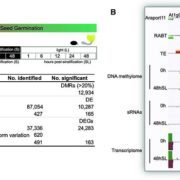
Blog, Plant Science Research Weekly, Research, Research BlogSeeds integrate environmental information and trigger molecular pathways that help with the decision making process of whether to germinate or not. Several studies in numerous species have shown details of global transcriptomic changes during germination. However, Narsai et al. dig a little deeper. By…

New Teaching Tool: Root Phenomics
Blog, Education, Resources, The Plant Cell, The Plant Cell: News, UndergraduateMeet the newest member of the Teaching Tools in Plant Biology family, Phenomics of root system architecture: Measuring and analyzing root phenes -By Larry York and Guillaume Lobet.
This teaching tool discusses the relatively young field of root system architecture quantification. It introduces the concepts…

Welcome 2017-2018 Plantae Fellows
Blog, Careers, Careers - Blog, Education, Research, Research BlogWe're delighted to welcome our newest class of Plantae Fellows, selected from an outstanding pool of applicants. This year's Plantae Fellows span from Graduate Student to Professor, and come from many countries and states, from Western Australia and Vietman in the east to California in the west. They…
Clipping Chlamy Genes: Improved Methods for Targeted Gene Editing in Chlamydomonas
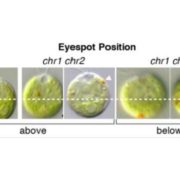
Blog, Research, Research Blog, The Plant Cell, The Plant Cell: In BriefA beam of sunlight sends Chlamydomonas reinhardtii scrambling. This tiny, biflagellate alga senses light with its eyespot and adjusts its movements accordingly, depending on photosynthetic needs. In the eyespot, a membranous structure of reddish, carotenoid-filled granules that reflect light and two…

Making Connections: MAC Function in Splicing and MicroRNA Biogenesis
Blog, Research, Research Blog, The Plant Cell, The Plant Cell: In BriefFans of the television show The Magic Schoolbus might remember that the teacher/heroine, Ms. Frizzle used to tell her students “Your job, as scientists, is to look for connections!” Ms. Frizzle would love the Mos4-associated Complex (MAC), because MAC has connections all over the place. Indeed, research…

Recognizing featured Plant Cell first authors: Vera Gorelova
Blog, Research, Research Blog, The Plant Cell, The Plant Cell: Author ProfilesVera Gorelova is the featured first author of Dihydrofolate Reductase/Thymidylate Synthase Fine-tunes the Folate Status and Controls Redox Homeostasis.
Current Position: PhD candidate at Ghent University looking for a new challenge
Education: MSc. In Biology, Novosibirsk State University, Russia
Non-scientific…