
The Plant Cell Features November and December 2024 First Authors
Behind the manuscripts are researchers, professors, professionals and students dedicated to advancing the field of plant science. You’ve seen our First Authors on Bluesky, Twitter and Facebook— now, read more about why they chose to pursue plant sciences and click on the links to read their articles.
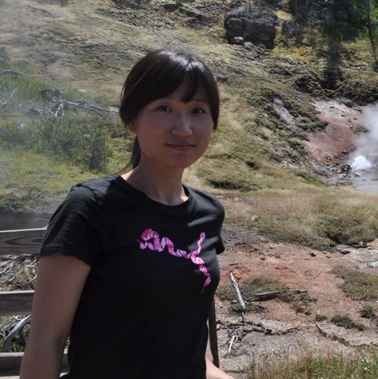
Jing Li
Jing Li is the First Author of Phosphoketolase and KDPG aldolase metabolisms modulate photosynthetic carbon yield in cyanobacteria published 29 October 2024.
Education background includes: 2014 Ph.D in Developmental Biology at the University of Chinese Academy of Sciences; 2008 MSc in Plant Genetics and breeding at China Agricultural University; 2005 BSc in Ecology at Shandong University. Research interests include Plant development and plant epigenetics. Personal interests include Reading.
“Since high school, I have been interested in how scientists prove the nature of life phenomena and how they use experiments to make scientific discoveries. Later, I had the opportunity to enter the Chinese Academy of Sciences, where I was exposed to a large number of biochemical experiments and understood how to use experimental methods to solve scientific problems. During the postdoctoral stage, I carried out the developmental biology project that I was interested in. Later, I joined the research group of Lin Liu at Shenzhen University, and under the guidance of Prof. Chen, I learn more about plant epigenetics. These research backgrounds have given me a more comprehensive understanding of the mechanisms behind plant phenomena.”
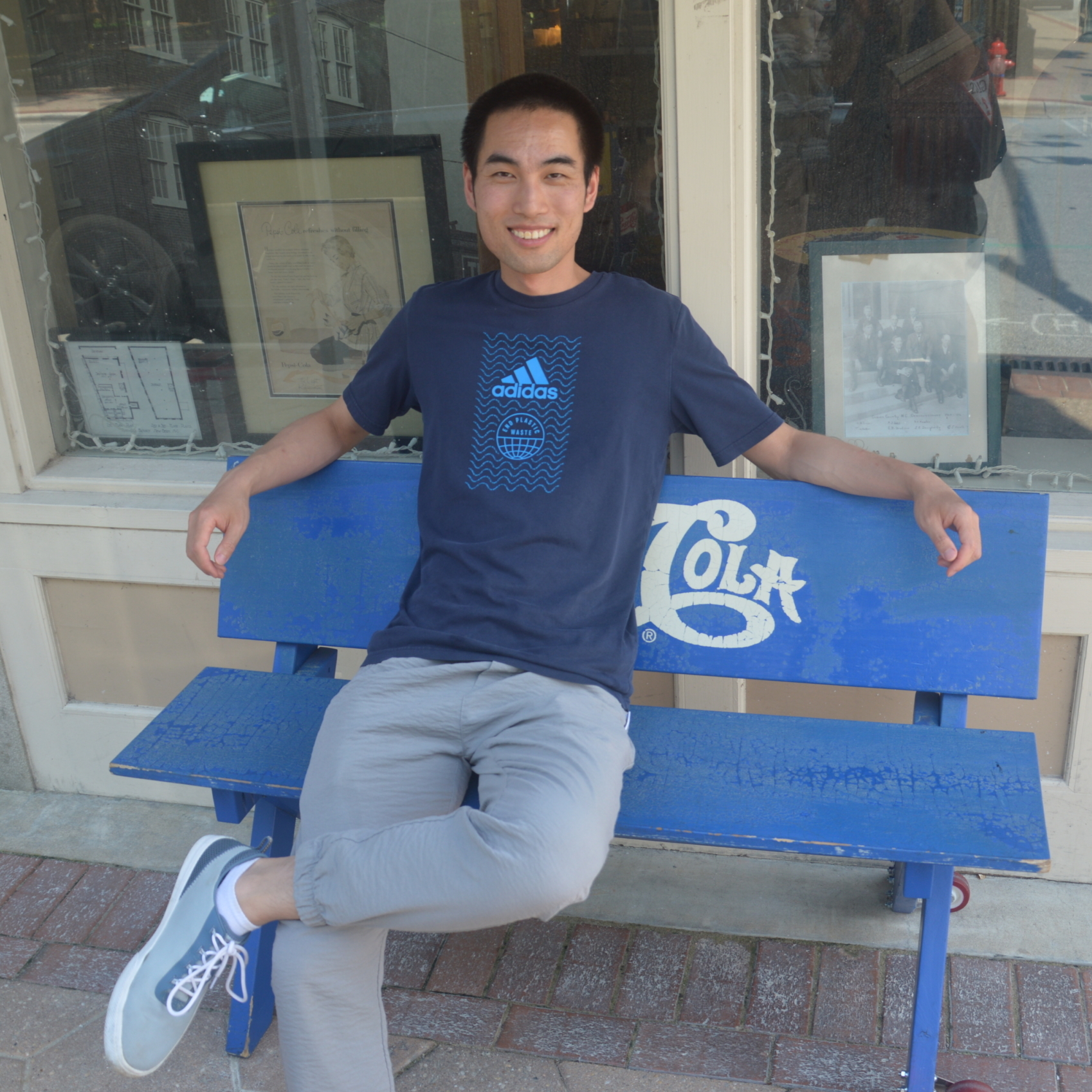
Ningdong Xie
Ningdong Xie (he/his) is the First Author of Phosphoketolase and KDPG aldolase metabolisms modulate photosynthetic carbon yield in cyanobacteria published 29 October 2024.
He is a Post-Doctoral Associate at the University of Florida. Education background includes: 2021 PhD in Marine Science and Technology at Tianjin University; 2017 MEng in Environmental Engineering at Tianjin University; 2014 BSc in Environmental Science at Inner Mongolia University. Research interests include Photosynthesis and Carbon Sequestration; Marine Microbial Ecology. Personal interests include swimming and reading.
“I started my research in marine microbial ecology as a graduate at Tianjin University and a visiting student at Duke University Marine Lab, focusing on the ecological role of heterotrophic microeukaryotes in marine carbon cycling and sequestration. When graduating, I had a strong motivation to complement my knowledge, vision, and research skills in phototrophs. So, I joined Dr. Xin Wang’s lab at Miami University (moved to University of Florida the next year) as a postdoc and shifted to study photosynthesis and carbon metabolism in cyanobacteria. I believe this experience will improve my capacity to study the carbon cycling and sequestration in ecosystems in responding to global challenges on climate change, food security, and energy security.”
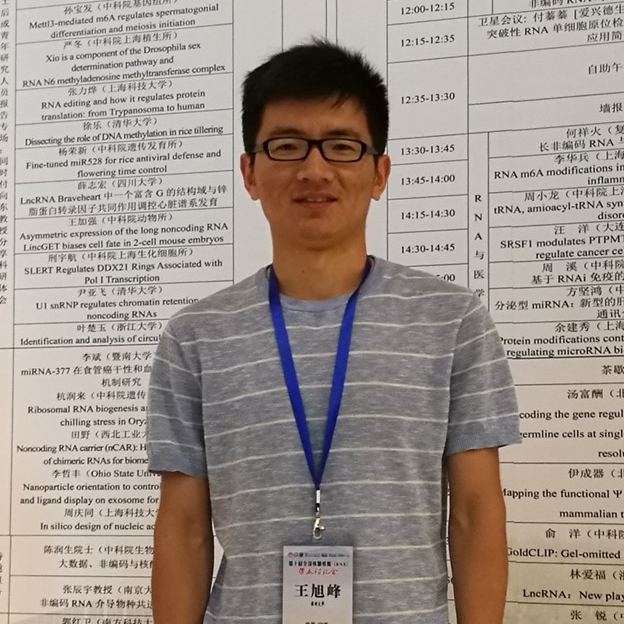 Xufeng Wang
Xufeng Wang (He/Him) is the First Author of ALTERED MERISTEM PROGRAM1 impairs RNA silencing by repressing the biogenesis of a subset of inverted repeat–derived siRNAs published 04 November 2024. He is an Assistant Professor at Peking University. Education background includes: 2017 Ph.D, College of Agronomy and Biotechnology at China Agricultural University; 2011 BS, College of Agronomy at Nanjing Agricultural University. Research interests include Non-canonical RNA cap modifications; sRNA biogenesis, degradation and function. Personal interests include basketball, fishing. Wang is dedicated to finding more new ways to produce enough nutritious food for a growing world population.

Noah Sprent
Noah Sprent (he/him) is the First Author of Metabolic modelling reveals distinct roles of sugars and carboxylic acids in stomatal opening and uncovers unexpected carbon fluxes published 07 October 2024. He is a Co-founder at Change Bio. Education background includes: 2024 PhD at Imperial College London, 2015 MBiochem at the University of Oxford. Research interests include metabolic modelling, metabolic engineering, bioprocessing, and protein expression. Personal interests include cycling, hobbiest electronics, and hiking.
“I was drawn to plant science through plant metabolism. I found it amazing the ways that plants have evolved distinctive metabolic routes to assimilate CO2 and synthesise unique products. I greatly enjoyed discussions with Prof. George Ratcliffe during my undergraduate degree, and then was fortunate to learn in much more detail through a master’s project on computational modelling of plant metabolism that became the paper published in the Plant Cell. With Prof. Ratcliffe, Prof. Lee Sweetlove and Prof. Nadine Töpfer I was given a fantastic insight into plants, plant metabolism, and modelling of biological systems. The key thing that I learned was how important it is not to get lost in the modelling, and keep bringing it back to the biological questions, because that’s where the impact is at the end of the day!”
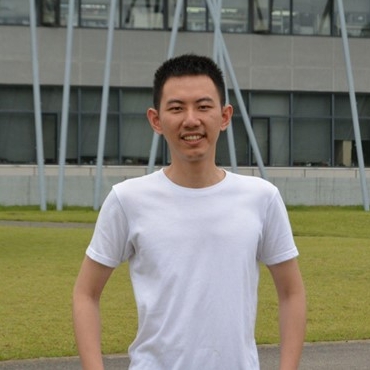
Kaiwei Liu
Kaiwei Liu (he/him) is the First Author of EXECUTER1 and Singlet Oxygen Signaling: A Reassessment of Nuclear Activity, published 05 November 2024. He is a Postdoctoral at CAS Center for Excellence in Molecular Plant Sciences. Education background includes: 2023 Ph.D Biochemistry and Molecular Biology at CAS Center for Excellence in Molecular Plant Sciences; 2016 BSc Biotechnology at Southwest University. Research interests include Retrograde signaling, RNA modification, and Chloroplast translation. Personal interests include Swimming and bicycling.
“When I first delved into plant science, I was captivated by the myriad mysteries this field holds. Even a tiny organelle like the chloroplast possesses the profound ability to impact human life. This fascination drives me to explore the underlying mechanisms within plant cells. I am especially grateful to my supervisor, Prof. Chanhong Kim, for his unwavering support and for instilling in me a strong scientific attitude toward plant research.”

Zizhao Xie
Zizhao Xie (she/her) is the First Author of The E3 ligase OsPUB33 controls rice grain size and weight by regulating the OsNAC120–BG1 module published 05 November 2024. She is a Ph.D in Biology at Chongqing University. Education background includes: 2021 MSc Biology Chongqing University; 2018 BSc in Agriculture at Yunnan Agricultural University.
Research interests include Plant growth, Seed development, Abiotic stress. Personal interests include playing basketball, singing.
“My interest in plant science began with my childhood curiosity about nature. With the accumulation of knowledge, I became deeply interested in the growth mechanism of plants, their ecological role, and their relationship with humans. This interest drove me to study botany further. In 2018, I was lucky to join the research group of Professor Huang Junli from Chongqing University. During the doctoral period, I began to study the mechanism of rice E3 ubiquitin ligase mediated regulation of grain size. In this study, it was found that U-box E3 ubiquitin ligase OsPUB33 negatively regulated rice grain size and weight. OsPUB33 regulates the stability of NAC transcription factor OsNAC120 through physical interactions and ubiquitination. Genetic evidence suggests that OsPUB33 and OsNAC120 play a role in a common pathway that regulates rice grain development. In addition, OsNAC120 positively regulated rice grain size through transcriptional activation of BG1, a positive regulator of grain size, and the addition of OsPUB33 blocked the transcriptional regulation of BG1 by OsNAC120. Overall, our findings provide an important building block for controlling grain size and weight in rice, providing promising targets for improving crop yields. During the research process, my tutor Huang Junli and my family and friends gave me great inspiration and guidance. I benefited a lot from my tutor’s rigorous scientific attitude and profound academic knowledge. When I encountered problems in the experiment, she always discussed with me patiently and provided solutions. The guidance and help of the teacher made me more determined to walk on the road of plant science research.
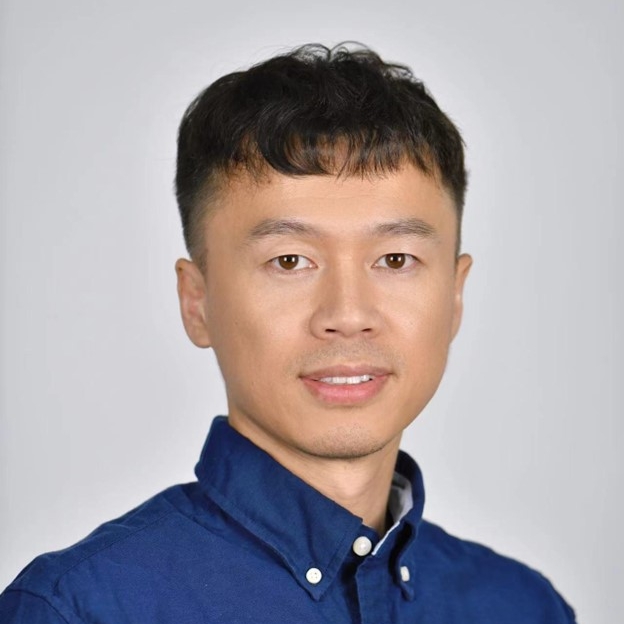
Xutong Wang
Xutong Wang (he/his) Is the First Author of Noncanonical transcription initiation is primarily tissue specific and epigenetically tuned in paleopolyploid plants published 14 November 2024. Wang is a Professor at Huazhong Agricultural University.
Education background includes: 2016 Ph.D Northeast Normal University and 2010 BSc Qingdao Agricultural University. Research interests include Genomics, Epigenetics, artificial intelligence. Personal interests include Swimming.
“Dr. Jianxin Ma and Dr. Bao Liu are my mentors and helped me to open the gates of plant science!”
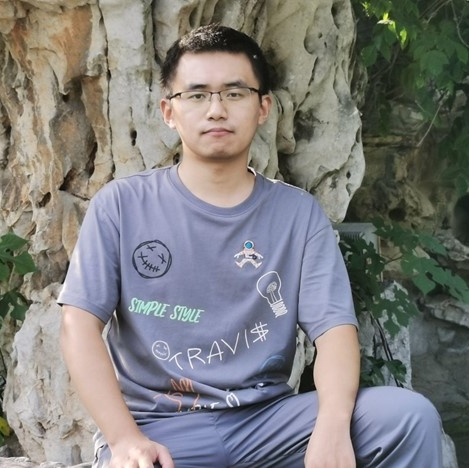
Xiaojun Cheng
Xiaojun Cheng is the First Author of Maternally expressed OsFERTILIZATION INDEPENDENT ENDOSPERM1 regulates seed dormancy and aleurone development in rice published 16 November 2024. Cheng is a Postdoctor at Agricultural College of Yangzhou University. Education background includes: 2023 Dr Agricultural College of Yangzhou University. Research interests include Seed development, Epigenetic modification
Personal interests include Planting and sightseeing.
“From childhood until now, I have always enjoyed planting flowers and plants, and raising small animals. It feels wonderful to sit there and enjoy them all the time. I was fortunate enough to come to the Agricultural College during my university years, and my research and hobbies have been in line, gradually deepening my love for plant science. In scientific research, I am very grateful to my doctoral supervisor, Professor Chen Chen.”
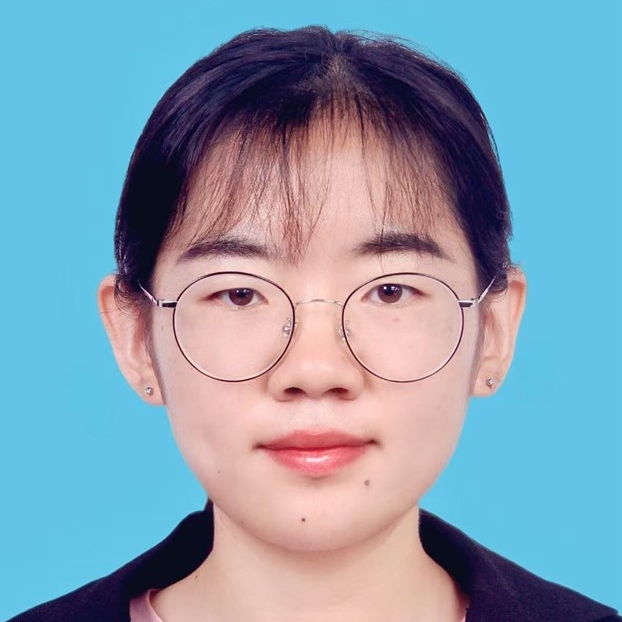
Miaomiao Ma
Miaomiao Ma (she/her) is the First Author of The OXI1 kinase regulates plant immunity by linking microbial pattern-induced ROS burst to MAPK activation published 20 November 2024.
Ma is an Assistant Proferssor at Sichuan Agricultural University. Education background includes: 2022 Postdoc Plant Immunity at IGDB (Institute of genetics and Developmental Biology, Chinese academy of sciences); 2019 Ph.D. Genetics at IGDB; 2013 B.Sc. Horticulture at Huazhong Agricultural University. Research interests include plant immune signal transduction, Fungal pathogenic mechanisms. Personal interests include Reading, Running, and traveling.

Debamalya Chatterjee
Debamalya Chatterjee (He/Him/His) is the First Author of Maize unstable factor for orange1 Encodes a Nuclear Protein that Affects Redox Accumulation During Kernel Development published 26 November 2024. He is a Assistant Professor of Biology at the Skidmore College in Saratoga Springs, New York, USA. Education background includes:2021-2024 Postdoctoral Fellow at The Pennsylvania State University; 2021 Ph.D Agronomy and Crop Science at The Pennsylvania State University; 2014 M. Sc Plant Breeding and Genetics, Punjab Agricultural University, India; 2012 B.Sc. in Agriculture from Uttar Banga Krishi Viswavidyalaya, India
Research interests include Plant reproductive development. Personal interests include Painting, nature photography.
Debamalya’s interest in plants stems from home gardening and traveling to different geographical locations during school years. He started his scientific career during his master’s research focused on the re-synthesis of canola (Brassica napus) from non-progenitor species to create genetic diversity. A major part of Debamalya’s Ph.D. and post-doctoral research focused on deciphering the molecular mechanisms involved in maize seed development. He is interested in understanding the spatiotemporal regulation of cell differentiation, crucial for nutrient transport in the seed. Using the mutants ofthe maize unstable factor for orange1 gene, his research aimed to decipher how sugar, hormones, redox, and chromatin changes influence seed development. Debamalya’s current research is focused on understanding how non-transcription factor genes play a regulatory role during the differentiation of unique cell layers in plants. Currently, Debamalya is an Assistant Professor of Biology at the Skidmore College in Saratoga Springs, New York, USA. Debamalya’s nonscientific interests include painting natural landscapes, traveling, and nature photography.

Li Xueqi
Li Xueqi(she/her)is the First Author of Efficient in situ epitope tagging of rice genes by nuclease-mediated prime editing published 09 December 2024. She is at the Chinese Academy of Agricultural Sciences. Education background includes: 2023 MSc in Qingdao Agricultural University; 2020 BSc in Ludong University. Research interests include plant pathology.
Personal interests include running and playing badminton.
“Exploring the rich diversity of plant science deepens our understanding of the similarities and differences between different plant species. As a primary source of human food, research in plant science helps improve crop quality and yield, enhancing food security and grain supply. Plant genetic engineering, as a crucial component of modern agriculture and biotechnology, allows us to breed superior varieties with disease resistance and stress tolerance by studying plant genes, thereby supporting agricultural production and food security. Plant science is a field full of challenges and continuous development. Through innovation and exploration, we can address various plant science issues, contributing to the advancement of the discipline. In essence, the love for plant science stems from an interest in the uniqueness and significance of plants, as well as a desire to tackle practical problems and challenges related to plants.”
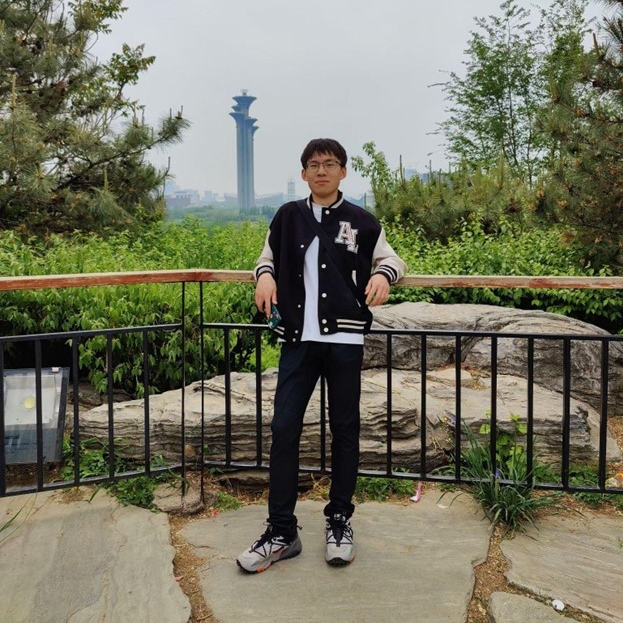
Zhao Wen
Zhao Wen (he/his) Is the First Author of XYLAN O-ACETYLTRANSFERASE 6 promotes xylan synthesis by forming a complex with IRX10 and governs wall formation in rice published 12 December 2024. He is at the Institute of Genetics and Developmental Biology Chinese Academy of Sciences. Education background includes: 2015-2019 B.A School of Life Science, Shanxi University; 2019-now Ph.D Institute of Genetics and Developmental Biology.
Research interests include plant cell wall, xylan synthesis, acetylation. Personal interests include Running.
“Plants are widely distributed around the world, but there is still much to learn about them. Since my university days, I have been very interested in the research of plant science. On one hand, plants provide a rich variety of food for humans, habitats for animals, and oxygen for all living beings. They also play a crucial role in industrial production and economic development. In particular, the plant cell wall, which is extremely inefficient in its current form yet holds great potential for various applications, represents the most critical difference between plant and animal cells. This has inspired me with the idea of studying the plant cell wall, with the goal of modifying it to better serve humanity.”

Jingzhi Zhang
Jingzhi Zhang is the First Author of Temperature-driven changes in membrane fluidity differentially impact FILAMENTATION TEMPERATURE-SENSITIVE H2-mediated photosystem II repair published 12 December 2024. Zhang is PhD candidate of Shanghai Center for Plant Stress Biology, CAS Center for Excellence in Molecular Plant Sciences (CEMPS), Chinese Academy of Sciences. Education background includes 2018 Bsc Shandong Agricultural University. Research interests include Photosynthesis, Stress signals. Personal interests include running.
“The plant knowledge in the extracurricular reading aroused my interest in plant sciences.”
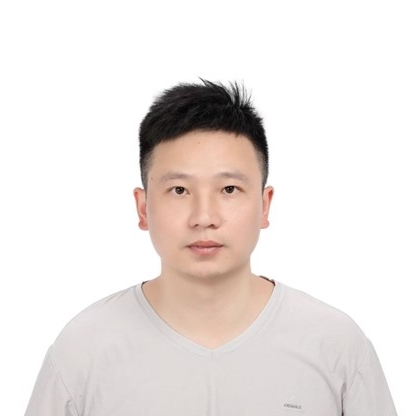
Jinyuan Tao
Jinyuan Tao (he/his) is the First Author of The rice microRNA159–SPOROCYTELESS EAR2 module regulates starch biosynthesis during pollen development and maintains male fertility published 12 December 2024. Tao is an Associate Researcher, University of Science and Technology of China (USTC). Education background includes: 2012-2019 Master and Ph.D at Nanjing Agricultural University. 2017-2019 visiting graduate student at University of California, San Diego. Research interests include Plant nutrition, epigenetic regulation of small RNA
Personal interests include Music, Movie and Basketball.
“Since 2012, I embarked on my scientific research career in Professor Yali Zhang’s lab at the College of Resources and Environmental Sciences, Nanjing Agricultural University, focusing on the development of rice root systems and tillering under low-nutrient stress conditions. During this period, with the support of the China Scholarship Council, I had the opportunity to study for two years as a joint Ph.D. student in Professor Yunde Zhao’s lab at the University of California, San Diego (UCSD), from which I greatly benefited. After completing my Ph.D. in 2019, I was fortunate to join the plant epigenetic regulation team at Shenzhen University, working in the research groups of Academician Xuemei Chen and Professor Yu Yu, where I began to study the role of small RNAs in regulating plant growth and development. We revealed that the miR319-TCPs-TGA9/TGA10/ROXY2 module regulates male microspore fate decision during the early anther development (Tao et al., 2024), and the miR159-OsSPEAR2-TCPs module regulates starch synthesis in rice pollen grains during the maturation (Tao et al., 2024). My current research field is the transcriptional regulation of RNA in plants under stress conditions. I hope to contribute to the understanding of how plants (crops) adapt to adverse environments in the future, serving agricultural development.”
 Lizhen Lu
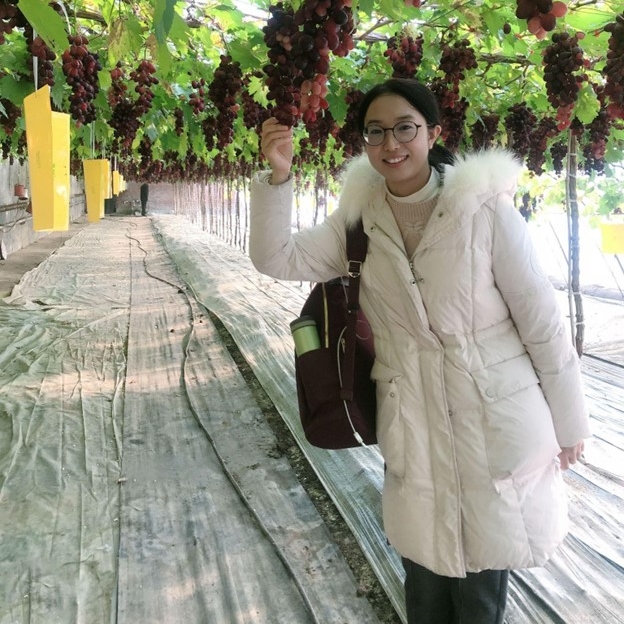
Lizhen Lu (she/her) is the First Author of The transcription factors ERF105 and NAC72 regulate expression of a sugar transporter gene and hexose accumulation in grape published 18 December 2024. Lu is a Postdoctoral Researcher at the Institute of Botany, Chinese Academy of Sciences. Education background includes: 2023 Ph.D. in Cell Biology at the Institute of Botany, Chinese Academy of Sciences; 2017 MSc in Developmental Biology at the Institute of Botany, Chinese Academy of Sciences; 2014 BSc in Applied Biological Education at Yunnan Normal University. Research interests include Sugar Transport and Accumulation during Fruit Ripening, Carbohydrate Metabolism in Fruit Crops, and Transcriptional Regulation in Fruit Development. Personal interests include Choir and Singing, Swimming, and Colored pencil drawing.
“During my undergraduate studies, I contributed to the digitization of A Guide to Seed Plants of Kunming, which sparked my deep interest in plant science. As a master’s student at the Chinese Academy of Sciences’ Institute of Botany, I worked within the Key Laboratory of Photobiology, focusing on functional analysis of ATP synthase assembly regulators Atp11p and Atp12p. This experience enabled me to build a strong foundation in molecular biology, biochemistry, and genetics.
In 2018, I joined the CAS Institute of Botany’s Grape and Wine Science Research Team to pursue my Ph.D. under the guidance of my advisors, Dr. Shaohua Li and Dr. Zhenchang Liang. My research centers on the function and regulation mechanism of sugar transporters in promoting hexose accumulation in grape berries. Since completing my Ph.D. in 2023, I have continued my research as a postdoctoral fellow within the same team.
As a high-value fruit crop worldwide, grape quality is intimately linked to its sugar composition, with sugar transporters playing a pivotal role in the accumulation of sugars in grape berries. Elucidating the genetic regulatory mechanisms governing these transporters not only facilitates marker-assisted selection for high-sugar cultivars but also deepens our foundational understanding of primary metabolite biosynthesis in plants.
Yukang Wang
Yukang Wang (he/his) Is the First Author of Species- and organ-specific contribution of peroxisomal cinnamate:CoA ligases to benzoic and salicylic acid biosynthesis published 18 December 2024. Wang is a Postdoctoral researcher at the College of Agriculture and Biotechnology, Zhejiang University. Education background includes: 2024 PhD in Agronomy, Zhejiang University; 2019 Master of Biology, Jiangsu University; 2016 Bachelor of Biology, Northwest Agriculture and Forestry University. Research interests include Plant secondary metabolism; Peroxisome. Personal interests include League of Legends; Hearthstone.
“I joined Pan Ronghui’s research group in 2019. I have been interested in many things since I was a child. Professor Pan’s guidance on my scientific research and support for my free exploration have enabled my curiosity to develop rapidly in the field of plant science. In recent studies, we have demonstrated the mechanism of plant salicylic acid synthesis and its function in plant growth and development. In the future, we will further explore plant secondary metabolism around plant peroxisomes.”
Souvik Dhar
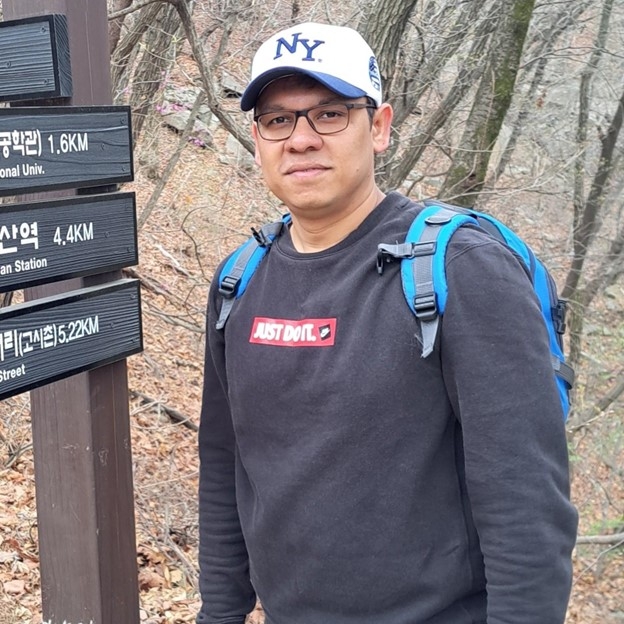
Souvik Dhar (he/him) is the First Author of The molecular framework balancing growth and defense in response to PEP-induced signals in Arabidopsis published 19 December 2024. Dhar is a Postdoctoral researcher at Seoul National University.
Education background includes: (2018) PhD Bioscience and Biotechnology, Konkuk University, Korea; (2010) MSc in Plant Molecular Biology and Biotechnology, Bose Institute, India; and (2008) BSc in Botany, Hooghly Mohsin College (The University of Burdwan).
Research interests include Developmental biology, Growth-defense trade-off in plants. Personal interests include Photography, Travelling, Hiking.
“My passion for plant biology emerged during my Master’s degree while studying Plant Molecular Biology and Biotechnology at Bose Institute, India. Further, I joined Prof. Jun Lim’s group at Konkuk University, Korea to pursue my Ph.D in Plant Developmental Genetics, where I mainly studied the role of a renowned TF, SHORT-ROOT, in Arabidopsis shoot and hypocotyl growth. I then started my postdoctoral training under the mentorship of Prof. Ji-Young Lee at the Plant Systems Genetics Lab at Seoul National University, where I studied Plant Elicitor Peptide 1 (PEP1)-induced developmental reprogramming in the Arabidopsis root meristem. As a part of this project, we identified SALT TOLERANCE ZINC FINGER (STZ) and the STZ-like genes as potential nexus in the PEP1-mediated developmental reprogramming pathway. Intriguingly, we observed that a discrete STZ dosage is essential to determine the trade-off between growth and defense responses in the root. In the future, I wish to expand our understanding to a broader range of plants to strengthen agriculture.”
Da-Gang Hu
Da-Gang Hu (he/his) is the First Author of A Linker Histone Acts as a Transcription Factor to Orchestrate Malic Acid Accumulation in Apple in Response to Sorbitol published 20 December 2024. He is a Professor at Shandong Agricultural University. Education background includes:2014 Ph.D Horticulture at Shandong Agricultural University. Research interests include Apple fruit quality and nutrition health. Personal interests include playing basketball.
“My interest in plant science began with a childhood fascination with nature, particularly the intricacies of plants. I love plant science for its combination of practical applications, continuous discovery, and deep connection to the natural world. In my research, I am inspired and mentored by scientists who have dedicated their lives to understanding and improving plant biology. My draw to plants and science was initially sparked by curiosity and a desire to make a positive impact on the world. As I learned more, this initial spark grew into a passion that has guided my career path.”