
The Plant Cell Features May, June, and July 2025 First Authors
Behind the manuscripts are researchers, professors, professionals and students dedicated to advancing the field of plant science. You’ve seen our First Authors on Bluesky, Twitter and Facebook— now, read more about why they chose to pursue plant sciences and click on the links to read their articles.
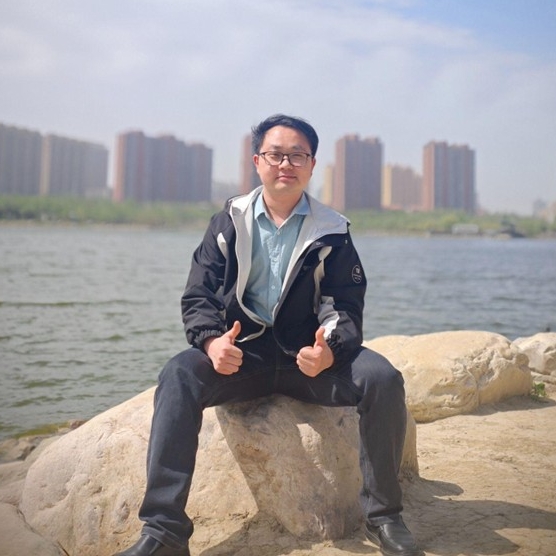
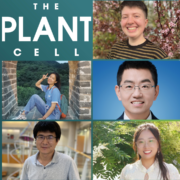
Haofeng Liu
Haofeng Liu (he/his) is the First Author of The kinesin motor POS3 and the microtubule polymerase MOR1 coordinate chromosome congression during mitosis in Arabidopsis published 17 March 2025. He is a Ph.D. candidate, College of Life Sciences, Northwest A&F University, Yangling, China. Educational background includes a 2019 BSc Biology at Northwest A&F University. Research interests include Plant cytoskeleton. Personal interests include Running, Ping-Pong.
“After learning how microscopes work in middle school, I built a simple one using spare eyepieces from an old telescope and used it to peer into plant cells. That experience planted a seed in my heart, a desire to pursue plant science research. This passion led me to join Professor Xiayan Liu’s lab at Northwest A&F University as an undergrad, and later, to pursue my Ph.D. there. As if by fate, my doctoral research centered on the microtubule cytoskeleton and its role in plant cell division and morphogenesis, deepening my bond with microscopy. Our work discovered that the interaction and coordinated function of the kinetochore-localized kinesin POS3 interacts with MOR1 (the homolog of the microtubule polymerase XMAP215) ensure proper chromosome congression and segregation during mitosis in Arabidopsis. Microscopy requires keen attention to detail and a lot of patience—it’s definitely challenging. But when I witnessed dynamics of microtubules and the movement of chromosomes during cell division, all the effort felt worth it. I’m grateful to my advisor for pushing me out of my comfort zone and helping me grow. Looking ahead, I’m excited to learn more advanced imaging techniques and use them to uncover the secrets of plant cells!”
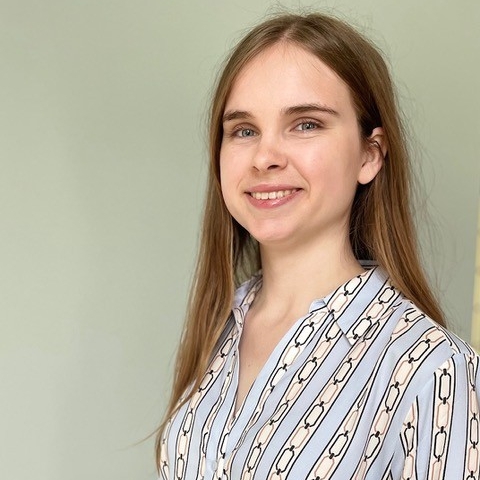
Katelin Burow
Katelin Burow (she/her) is the First Author of A BRASSINOSTEROID INSENSISTIVE 1 receptor kinase ortholog is required for sex determination in Ceratopteris richardii published 09 May 2025. She is a Graduate Student at Purdue University. Education background includes 2020 BSc Biology at Purdue University. Research interests include Sex determination, Phytohormones, Genomics . Personal interests include Gardening, Singing.
“I became interested in plant sciences when I was a general biology undergrad who accidentally joined a graduate level course on plant hormones and became fascinated. While that class took some studying, I have remained interested in plants and how they regulate themselves as sessile organisms ever since. I have also had some amazing mentors such as my PI, Dr. Jen Wisecaver, and Dr. Jody Banks who have introduced me to new areas of plant biology and inspired me to continue working and learning in the field.“
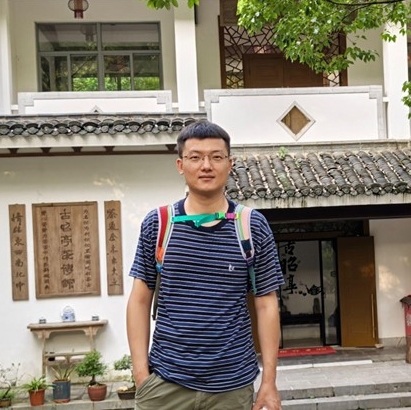
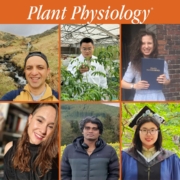
Longlong Wang
Longlong Wang (he/him) is the First Author of Plant glutamyl-tRNA reductases coordinate plant and rhizobial heme biosynthesis in nitrogen-fixing nodules published 02 May 2025. He is a Professor at Anhui Agricultural University. Education background includes: 2019, Ph.D in microbiology at Huazhong Agricultural University; 2014, Bachelor’s degree at Shandong Agricultural University. Research interests include Symbiotic nitrogen fixation, Plant-microbe interactions. Personal interests include watching movies, playing basketball.
Inspired by my supervisor, Dr. Deqiang Duanmu, I developed a strong interest in the mechanisms of symbiotic nitrogen fixation. My initial research focused on leghemoglobin, which is abundantly present in the root nodules of leguminous plants and is the main reason for the red coloration of nitrogen-fixing nodules. We conducted a series of studies on the biological functions, evolutionary features of this gene family, and regulatory mechanisms for the synthesis and degradation of leghemoglobin. Leghemoglobin consists of apoprotein and heme, with the gene encoding leghemoglobin from the host plant. However, there remains controversy over whether the heme primarily comes from the host or from the rhizobia. This research identified that the host-encoded GluTR proteins play a key role in coordinating heme synthesis in root nodules. In addition, how is heme synthesis activated within nodules? how is heme transported in nodule cells? These intriguing questions continue to guide me in further exploring this significant research field.”
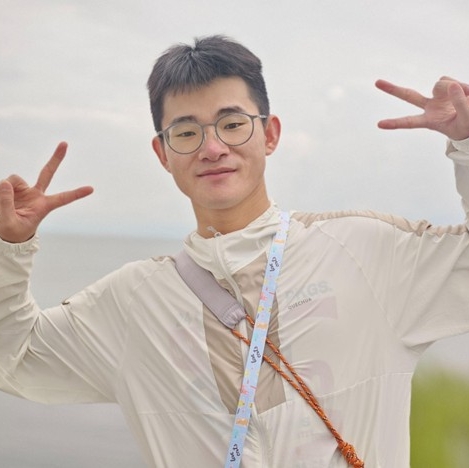 Tao Tian
Tao Tian (he/him) is the First Author of Plant glutamyl-tRNA reductases coordinate plant and rhizobial heme biosynthesis in nitrogen-fixing nodules published 02 May 2025. Tian is a Ph.D student at Huazhong Agricultural University. Education background includes a 2020 BSc in biology at Sichuan Agricultural University. Research interests include Symbiotic nitrogen fixation, Metabolite transport. Personal interests include Playing basketball, Cycling.
“Under the guidance and inspiration of my supervisor Dr. Deqiang Duanmu, I developed a strong passion for studying the mechanisms underlying efficient nitrogen fixation in legume mature nodules. For this research, we utilized the model legume Lotus japonicus as experimental material to address key questions regarding players in nodule heme biosynthesis and the relative contributions of plants and rhizobia to heme content in nodules. Our findings revealed that plant glutamyl-tRNA reductases (GluTRs) play a dominant role in coordinating heme biosynthesis between the two symbiotic partners by supplying heme for assembly with cytosolic apo-leghemoglobins and by providing the precursor 5-aminolevulinic acid (ALA) for heme biosynthesis in bacteroids. In future research, I will further investigate the molecular mechanisms underlying nodule heme synthesis and transport, as well as the transcriptional and translational regulation of leghemoglobins (Lbs), in the hope of uncovering additional secrets that sustain efficient nitrogen fixation in legume nodules.”
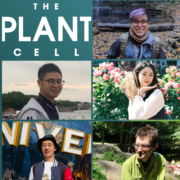
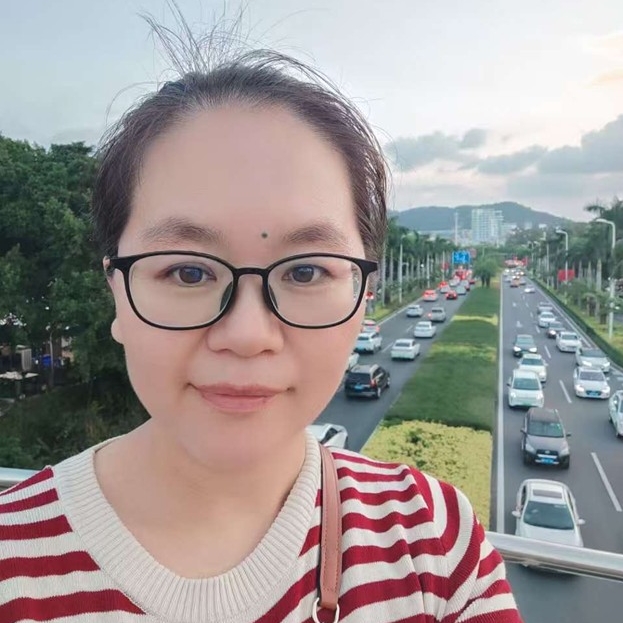 Yuanbao Li
Yuanbao Li (she/her) is the First Author of The phase-separating Magnaporthe oryzae MoSpa2 complex organizes actin nucleation centers for plant infection published 02 May 2025. She is an associate professor at Fujian Agriculture and Forestry University. Education background includes: 2016 Ph.D at the Institute of Microbiology of Chinese Academy of Sciences (CAS).
Research interests include Interactions between plants and pathogenic microorganisms. Personal interests include Travel, Music.
“When I was very young, I loved plants because they were full of vitality and always brought me inner peace and joy. With the accumulation of knowledge, I also realize that plants are subject to various biotic and abiotic stresses during their growth process, especially important food crops that deserve more attention and protection. I feel very fortunate to be able to engage in research on rice and its diseases. I think this research is very meaningful, although it is full of unknowns and challenges, I think everything is worth it.”

Danxia He
Danxia He (she/her) is the First Author of The phase-separating Magnaporthe oryzae MoSpa2 complex organizes actin nucleation centers for plant infection published 02 May 2025
She is a PostDoc in The Sainsbury Lab, Norwich, UK. Education background includes: 2021 PhD in Biochemistry and Molecular Biology in CAS Center for Excellence in Molecular Plant Science(CEMPS). Research interests include Plant immunity, probiotic-plant interaction. Personal interests include Running, Yoga.
“Plant-microbe interactions drive me to study the behind background, and I really enjoy the research process, making an unknown thing clear.”

Lu Wang
Lu Wang is the First Author of Reduced proteasome degradation of HsfB2a at higher temperature is responsible for the inhibition of anthocyanin synthesis in pear published 05 May 2025.Wang is a PhD candidate in College of Agriculture and Biotechnology, Zhejiang University. Education background includes a 2020, Bachelor of Agriculture, Horticulture, Huazhong Agricultural University. Research interests include Plant Secondary Metabolite Synthesis, Abiotic stress. Personal interests include electronic keyboard.
“Plants are silent geniuses. They synthesize complex compounds—such as anthocyanins, chlorophyll, lycopene, and carotenoids—bestowing the world with an abundance of colors. Therefore, unraveling the mechanisms behind plant coloration is both fascinating and scientifically meaningful.”
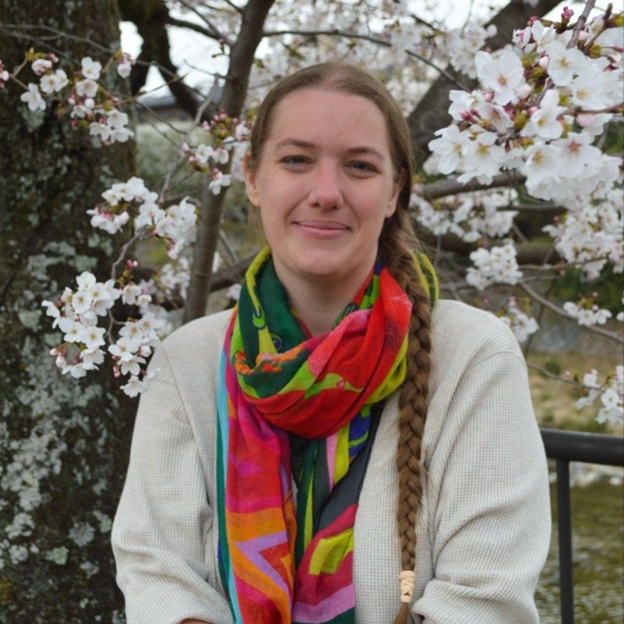
Deborah Schatz
Deborah Schatz is the First Author of R-Loop control and mitochondria genome stability require the 5′-3′ exonuclease/flap endonuclease OEX1 published 05 May 2025. Schatz is a Post-doctoral researcher at Graduate school of sciences at Kyoto university. Education background includes 2021 Ph.d in Molecular and cellular aspects of Biology at Strasbourg University / 2015 Master degree in Molecular Biology and Biotechnology of plants at Strasbourg University / 2013 Bachelor degree in Cellular biology and Physiology at Strasbourg University. Research interests include Plant mitochondria, DNA Repair, RNA metabolism. Personal interests include Hiking, Sewing (and all time-consuming craftings), Cooking, Photography.
“I started my plant-science lover pathway through an internship in a plant lab during my bachelor degree. I was fascinated by the way research in lab made everything we learned in class real. And even with one plant species, I could observe and understand so many phenotypes, variations, mechanisms with incredible supervisors. All my supervisors were models for me in different aspects of research and teaching, especially Jose Gualberto and Frederique Lotfi.”
Wenlong Han
Wenlong Han (he/his) is the First Author of The mitochondrial carrier CsTHS1 acts as a gatekeeper of theanine accumulation in late-spring new shoots of tea plants published 06 May 2025. He is a Doctoral student of the National Key Laboratory of Tea Tree Germplasm Innovation and Resource Utilization, Anhui Agricultural University. Educational background includes: 2025 Ph.D Tea Science at Anhui Agricultural University, 2019 BSc in Applied Biological Sciences at Anhui Agricultural University. Research interests include Amino acid metabolism and Amino acid transport. Personal interests include reading and fishing.
“During my master’s studies, under the guidance and encouragement of Professor Yongping Cai and senior student Han Wang, I conducted research on the metabolism of medicinal compounds in the medicinal plant Acorus tatarinowii, which sparked my interest in plant science. In 2021, I joined Professor Zhaoliang Zhang’s research group, focusing on the intracellular transport of theanine in the new shoots of tea plant and its metabolic regulation mechanisms. The journey of scientific research is always full of challenges, but with Professor Zhang’s guidance and motivation, we made new progress in the study of theanine metabolism.
During my Ph.D., we built on the lab’s previous research to further elucidate the mechanisms of intracellular transport and degradation of theanine in new shoots of the tea plant. Our work identified a mitochondrial amino acid carrier in tea plants, CsTHS1, which exhibits theanine transport activity and mediates its translocation into mitochondria. Through systematic analysis of the expression patterns of CsTHS1, CsGGT2, and CsGDH2.1 in tea leaves, along with theanine content, we elucidated the molecular mechanism of theanine degradation in new shoots: CsTHS1 mediates the transport of theanine into mitochondria, where it is subsequently degraded by CsGGT2 into glutamate and ethylamine. The glutamate is further metabolized by CsGDH2.1 to produce α-ketoglutarate and NH₃. This metabolic pathway provides a critical nitrogen source to support the rapid growth of late-spring new tea shoots.”
Jingzhen Ma
Jingzhen Ma (he/his) is the First Author of Wenlong Han (he/his) is the First Author of The mitochondrial carrier CsTHS1 acts as a gatekeeper of theanine accumulation in late-spring new shoots of tea plants published 06 May 2025. He is a Laboratory Supervisor, GENEWIZ (Suzhou) Biotechnology Co., Ltd.. Education background includes: 2017: B.S. Xinyang Agriculture and Forestry University; 2021: MSc Anhui Agricultural University. Research interests include Amino acid transport, amino acid metabolism. Personal interests include Fitness and badminton.
“Guided by the research framework of tea quality chemistry established by Professor Xiaochun Wan, a leading authority in tea science, I received systematic training in tea research methodologies. During my undergraduate studies at Xinyang Agriculture and Forestry University, Dean Guiyi Guo’s hands-on scholarly ethos shaped my academic character, while Professor Mufang Sun’s foundational course Tea Biochemistry laid my theoretical groundwork. Professor Yi Chen’s incisive feedback during my thesis defense further ignited my passion for scientific inquiry.
As a graduate student at Anhui Agricultural University, under the mentorship of Professor Zhaoliang Zhang, I specialized in the metabolic regulation of theanine. Leveraging the cross-omics platform developed by Associate Professor Tianyuan Yang, I investigated the transmembrane transport mechanism of theanine mediated by CsTHS1 in tea plants. By establishing a yeast high-throughput screening system, it was found that the mitochondrial transporter THS1 modulates theanine accumulation. My current research integrates subcellular localization tracking and transport kinetic analysis to elucidate the spatiotemporal expression patterns of CsTHS1 in tea shoots and its substrate transport properties, culminating in a dynamic model of theanine accumulation. This theoretical framework identifies molecular targets for optimizing spring tea harvest timing and precision breeding for quality enhancement.”
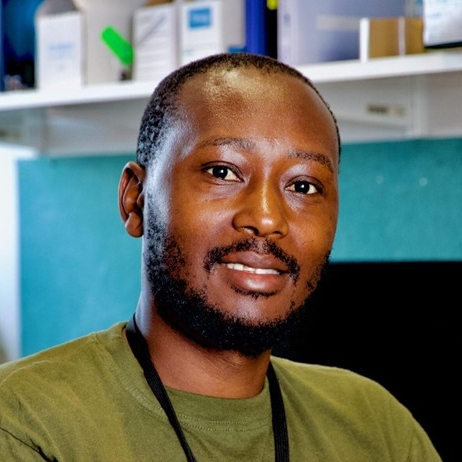 Vincent Mbashira Were
Dr. Vincent Mbashira Were is the First Author of The Magnaporthe oryzae effector Pwl2 alters HIPP43 localization to suppress host immunity published 09 May 2025. Were is a Post-doctoral Scientist. Education background includes 2018 Ph.D Biological Sciences, University of Exeter.
Research interests include Plant-microbe interaction, effector biology, fungal genomics. Personal interests include Football, Music and Politics.
“My interest in plant fungal pathogens began in 2009 during my time at the Biosciences eastern and central Africa (BecA) -Hub in Kenya, where I analysed maize samples for fungal contamination and quantified mycotoxin levels. This sparked my interest in fungal biology, which I further pursued during my PhD at the University of Exeter, focusing on the identification of novel Magnaporthe oryzae effectors. Currently, I am a post-doctoral researcher in Professor Nick Talbot’s group at the Sainsbury Laboratory in Norwich. My research work focuses on plant-microbe interaction, with emphasis on effector biology. I aim to dissect the function of M. oryzae secreted effectors during host infection, identify their host targets and infer the molecular mechanism of effector triggered susceptibility.”
Ruihua Huang
Ruihua Huang is the First Author of SIZ1 SUMOylates and stabilizes WRI1 to safeguard seed filling and fatty acid biosynthesis under high-temperature stress published 16 April 2025.
Huang is an Associate Researcher at South China Normal University. Education background includes 2014-2020 Ph.D College of Life Sciences, South China Normal University. Research interests include Plant metabolism, Abiotic stress, plant development. Personal interests include Running, Painting.
“In biology, we encounter many plants. Many everyday scenarios, such as why some fruits are large while others are small, or why two trees growing in the same place can vary in height, often leave me pondering and spark my interest. I want to study plant science to answer these questions.”
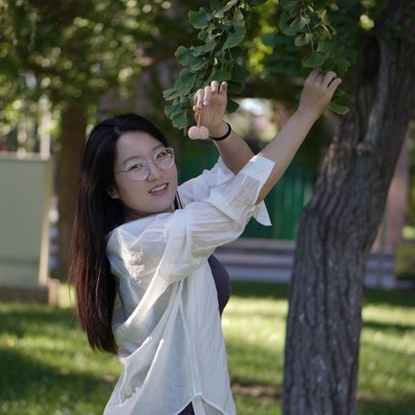
Congcong Sun
Congcong Sun (she) is the First Author of The kinase CPK5 phosphorylates MICRORCHIDIA1 to promote broad-spectrum disease resistance published 14 March 2025. She is currently a Ph.D. in Plant Pathology at China Agricultural University. Education background includes 2014-2017 Master of Science in Botany at Northwest A&F University; 2014-2010 Bachelor of Science in Biology at Henan Agricultural University. Research interests include Plant Immunity. Personal interests include Reading, Badminton.
“From a young age, I was filled with curiosity about the natural environment surrounding me. In my school science classes, I learned how to observe cells under a microscope and understand chemical reactions through experiments. These experiences made me realize that science is not just book knowledge; it is a tool for exploring the unknown and unveiling the mysteries of nature. From photosynthesis to plant breeding, and from plant immunity to the depths of life’s mysteries, plant science offers an endless array of possibilities for exploration. This drives me to continually delve deeper into this field, brimming with challenges and opportunities.“
Yongming Chen
Yongming Chen is the First Author of The kinase CPK5 phosphorylates MICRORCHIDIA1 to promote broad-spectrum disease resistance published 14 March 2025. Chen is a PhD at the college of plant protection, China Agricultural University. Education background includes 2021 MSc in college of agriculture, Fujian Agriculture and Forestry University;2018 BSc in college of agriculture, Fujian Agriculture and Forestry University. Research interests include Plant immunity, biotic stress. Personal interests include swim and reading.
“During my master’s studies, I conducted research on the mechanisms of the immune negative regulator EDR1 in the research group led by Professor Tang Dingzhong, and acquired background knowledge in the field of plant immunity. During my doctoral studies, I joined the Laboratory of Plant-Oomycete Interactions at China Agricultural University. I mainly focused on Arabidopsis thaliana and potato as research objects to study the mechanisms of disease-resistant/susceptible genes. The guidance of my supervisors is of vital importance for the conduct of research. Here, I would like to express my special gratitude to Professor Xu Guangyuan and Professor Dou Daolong for their guidance and assistance.
Currently, I am interested in identifying key disease-resistant/susceptible genes in crops, the practical applications of susceptible genes, and the immune responses mediated by specific parts of plants. I hope to have the opportunity to further explore new components and mechanisms of the plant immune system and make contributions to crop resistance breeding in the future.”
Xiaohui Liu
Xiaohui Liu (she/her) is the First Author of The circular RNA circANK suppresses rice resistance to bacterial blight by inhibiting microRNA398b-mediated defense published 09 April 2025.
She is a Ph.D. candidate at the College of Agriculture and Biology, Shanghai Jiao Tong University. Education background includes: 2022-present, Ph.D. in Ecology, Shanghai Jiao Tong Universiy. 2019-2022 M.S. in Biology, Shanghai Academy of Agricultural Sciences. Research interests include Plant-microbe interactions. Personal interests include Reading and watching movies.
“In 2022, I joined Professor Bo Zhu’s research team to study the interaction mechanisms between rice and the causal agent of bacterial blight. I am deeply grateful to Professor Bo Zhu, Professor Zhengyin Xu, and Professor Gongyou Chen for their meticulous guidance, which helped me delve into the world of plant-pathogen interactions and establish a systematic research approach.
During my research, we successfully developed a CRISPR-Cas13d-based tool for the specific knockdown of plant circular RNAs (circRNAs) and achieved targeted knockdown of rice circRNAs. Through comprehensive physiological and biochemical experiments, we discovered that the rice circRNA, circANK, acts as a competing endogenous RNA (ceRNA) by competitively binding to miR398b. This interaction alleviates the post-transcriptional repression of genes such as CSD1, CSD2, CCSD, and SODX by miR398b. This molecular interplay significantly reduces reactive oxygen species (ROS) levels in rice cells following Xoo infection, thereby negatively regulating rice resistance to bacterial blight.
I would also like to extend my special thanks to Professor Fangfang Li and Professor Xueping Zhou (The Institute of Plant Protection, Chinese Academy of Agricultural Sciences) and Professor Wenming Wang and Professor Yan Li (Sichuan Agricultural University) for their invaluable assistance and support in this research.”
Antoni M. Vera-Vives
Antoni M. Vera-Vives (he/him) is the First Author of Cytochrome c oxidase inactivation in Physcomitrium patens reveals that respiration coordinates plant metabolism published 05 May 2025. Education background includes 2024 Research fellow by Italian National Interuniversity Consortium of Materials Science and Technology (INSTM); 2024 PhD in Biosciences, curr. Biochemistry and Biotechnology at University of Padova; 2020 MSc in Molecular Biology at University of Padova; 2018 BSc in Molecular Biology at University of Padova. Research interests include Plant bioenergetics, respiration, and plant mitochondria.Personal interests include .Playing the guitar, dancing, cooking, writing
“I was born and raised in the countryside of the beautiful island of Mallorca. I’ve been fascinated by science and wanted to understand how nature works since I was a child. I remember observing the bugs under a rock or disassembling an old calculator to see how it worked when I was less than 10 years old. I moved to Tarragona (Catalonia) to study a bachelor degree in Biochemistry, where I fell in love with metabolism and molecular biology, as they describe the basic rules that are true for all living organisms, which I find truly fascinating!
I moved to Italy to conclude my bachelor’s degree and stayed in Padova to pursue a master’s degree in Molecular Biology. During my master’s, I discovered the beauty of plant science, and I decided to elaborate my thesis studying the molecular interaction between photosynthesis and respiration in plants. Luckily enough, this argument became the topic of my PhD thesis, which I did under the supervision of Prof. Tomas Morosinotto and in collaboration with excellent international groups.
I believe that plants are amazing tools for biological research. Not only is plant science useful for improving crop production and food supply, but plant research can also lead to pivotal discoveries in basic biology that can have a huge impact on our society. I think our world needs basic research now more than ever, which is the key to keep science free, open, and at the service of people.“
Nathan M. Doner
Nathan M. Doner is the First Author of LIPID DROPLET PROTEIN OF SEEDS is involved in the control of lipid droplet size in Arabidopsis seeds and seedlings published 15 May 2025.
Doner is a NSERC Postdoctoral Fellow at Western University, London, Ontario, Canada. Education background includes: 2022 PhD Molecular & Cellular Biology, University of Guelph; 2018 MSc Molecular Genetics, University of Toronto; 2014 BSc Biochemistry, Queen’s University. Research interests include Biotic & abiotic stress, metabolism, signalling, proteomics. Personal interests include Traveling, hiking, guitar, reading, cats.
“I am constantly fascinated by learning about new biological phenomena and have various biological interests. I have found myself in the field of plant biology because I believe that our ability to grow food is one of the highest priorities for humans moving into the future. Plants are no more biologically interesting to me than any other group of organisms, but our reliance on plants for food means that we must find ways to protect our agricultural systems.
I love my work since I get to apply my passion for molecular biology to important issues that we can solve through biological experimentation.”
Tufan Oz
Tufan Oz (he/him/his) is the First Author of Conservation and divergence of regulatory architecture in nitrate-responsive plant gene circuits published 22 May 2025. Oz is a Laboratory Manager – Research Scientist at California Institute of Technology. Education background includes: 2012 Ph.D. in Biotechnology at the Middle East Technical University, Ankara TURKIYE. Research interests include Plant gene and genome editing, genetic transformation, and plant biotechnology. Personal interests include Reading fiction, traveling, painting.
“I was first drawn to biology and plants thanks to the passion and guidance of my high school teacher and college professor. Their inspiration sparked a deep curiosity in me to learn more about the plants. Over time, I had the privilege of passing that inspiration on and encouraging a new generation of students and scientists. I’m truly grateful to be part of that ongoing chain of knowledge and curiosity.”
 Chao Bian
Chao Bian (he/his) is the First Author of Conservation and divergence of regulatory architecture in nitrate-responsive plant gene circuits published 22 May 2025. Bian is a Professor at China Agricultural University. Education background includes: 2019 Ph.D Plant Biology at Rutgers University; 2013 MSc Plant Biology at China Agricultural University; 2009 BSc Biology at Shandong Agricultural University. Research interests include Abiotic Stress, Genome Editing, Nitrogen use efficiency. Personal interests include Basketball.
“I am fascinated by plant biology. My long-term research interest is in understanding the mechanisms of plant responses to environmental factors, as well as developing tools to improve plant growth and development in adverse environments.”
 Bardo Castro
Bardo Castro (He/Him) is the First Author of Gene editing of the E3 ligase PIRE1 fine-tunes reactive oxygen species production for enhanced bacterial disease resistance in tomato published 30 May 2025. Castro is a Postdoctoral Scholar at University of California, Davis.
Education background includes: 2023 Ph.D Microbiology at University of California, Davis. 2013 BSc Biological Sciences at University of California, Davis. Research interests include Plant-pathogen interactions, Plant Immunity, Gene editing. Personal interests include Spending time with family, Traveling, Video games.
“I have always been interested in host-pathogen interactions. In my Ph.D. research, I began working on plant immune signaling. I was fascinated by the intricate signaling networks in plants and how pathogens use different strategies to circumvent immunity and establish infections. During my scientific career, I have been lucky to have great mentors, including Dr. Gitta Coaker and the late Dr. George Bruening. I am excited to continue working on plant immunity and interactions with plant parasitic nematodes.”
 Priyanka Kumari
Priyanka Kumari is the First Author of Reactivation of the tRNASer/tRNATyr gene cluster in Arabidopsis thaliana root tips published 06 June 2025. Kumari is a Scientific Assistant/PhD Student, FG Epigenetics, University of Hohenheim. Education background includes: 2020 MSc Crop Sciences (Plant nutrition & Protection), University of Hohenheim, Germany; 2010 MSc Applied Microbiology & Biotechnology, Banasthali University, India; 2008 BSc Chemstry/Microbiology/Biochemistry, Andhra University, India. Research interests include Plant Epigenetics, Plant Pathology, Plant-Microbe interactions. Personal interests include Travelling, Cooking.
“My interest in plant science began with a fascination for how plants adapt and thrive in diverse environments. The beauty of plant systems, their complexity and resilience, and being able to explore that through research continues to motivate and inspire me every day.”
Muxing Liu
Muxing Liu (he/his) is the First Author of The multifunctional ascorbate peroxidase MoApx1 secreted by Magnaporthe oryzae mediates the suppression of rice immunity published 11 June 2025. Liu is an Assistant Professor at Nanjing Agricultural University.
Education background includes: 2017 Ph.D Plant Pathology at Nanjing Agricultural University, 2012 BAgr Plant Protection Huazhong Agricultural University. Research interests include Plant Pathology, Plant Immunology. Personal interests include playing basketball.
“Through studying professional knowledge, receiving guidance from my mentor, and engaging with academic literature, I gradually developed a passion for plant science-related research.”
 Bingli Ding
Bingli Ding is the First Author of The transcription factors DOF4.6 and XND1 jointly regulate root hydraulics and drought responses in Arabidopsis published 09 April 2025. Ding is a ph.D student at Henan University. Education background includes: 2021 ph.D student at Henan University, 2014 MSc at Zhejiang Normal University, 2010 BSc at Xinyang Normal University. Research interests include Abiotic stress. Personal interests include Running and Reading.
“My passion for plant science was ignited during my master’s studies, where I not only acquired comprehensive experimental skills but also cultivated the ability to think independently about scientific questions. The thrill of exploring the unknown further deepened my fascination with plant science. Engaging in long-term research in this field has not only strengthened my perseverance but also allowed me to experience the exhilarating challenges of employing scientific methodologies to uncover the root causes of complex phenomena.
During my doctoral research, I focused on the mechanisms of water transport and stress responses in plants. Under the expert guidance of my supervisor, Professor Ning Tang, we successfully overcame numerous technical obstacles and ultimately elucidated novel regulatory mechanisms governing water transport and drought adaptation. This invaluable experience has significantly enhanced my capacity for future investigations into plant stress physiology.”
Febri Susanto
Febri Susanto (he/him) is the First Author of Cyanoglobule lipid droplets are a stress-responsive metabolic compartment of cyanobacteria and the progenitor of plant plastoglobules published 22 May 2025.Education background includes: 2013 B.Sc. in Plant Biology, Universitas Negeri Malang (Indonesia) 2015 M.Sc. in Genetics & Molecular Biology Universitas Gadjah Mada (Indonesia) 2025 Ph.D. in Biochemistry and Molecular Biology; Molecular Plant Science, Michigan State University (USA). Research interests include lipid metabolism, organelle evolution, metabolic regulation, synthetic biology, Cryo-EM tomography, and plant stress resilience. Personal interests include Hiking, cooking, traveling, attending concerts, opera, Broadway, or ballet performances, and exploring new cuisines.
“How did you become interested in plant science?
My interest in plant science began in childhood. I grew up in a farming family, where gardening was a part of daily life, and I often found myself wondering how we could make our crops grow better. That curiosity led me to realize that behind every thriving plant is a complex world of biology waiting to be understood, and I wanted to uncover it.
Why do you love plant science?
I love plant science because it’s more than just a field of study; it’s my passion. Plants are the foundation of life on Earth, and understanding them means contributing to something larger than ourselves: food security, sustainability, and human well-being. I feel a deep sense of purpose knowing that my work in plant biology may one day help solve real-world problems.
Who inspires you or mentors you in your research?
Throughout my academic journey, I’ve been incredibly fortunate to be mentored by inspiring scientists who shaped my path and showed me what it means to pursue science with both dedication and heart. Dr. Yekti Purwestri, Dr. Masashi Kawaichi, Dr. Toshiro Ito, and Dr. Peter Lundquist each played a role in helping me see science not just as a career, but as a lifelong calling.
How were you drawn to plants and science?
Studying plants offers endless surprises from their resilience to their intricate regulation, and every discovery brings joy. That sense of wonder continues to motivate me every day in the lab.”

Gabrielle C. Buck
Gabrielle C. Buck (she/her) is the First Author of Identifying and characterizing a missing peroxin—PEX8—in Arabidopsis thaliana published 27 June 2025. She is a Postdoctoral Associate at Rice University. Education background includes: 2025 Ph.D. Biochemistry and Cell Biology at Rice University; B.S. Biochemistry at Purdue University.
Research interests include genetics, cell biology, plant development and adaptability, structure-function relationships. Personal interests include reading, indoor and outdoor gardening, watercolors, kayaking, and resistance training.
“I grew up in a small town in Indiana, USA, surrounded by agriculture and helping my parents tend their kitchen garden, instilling in me a fondness and respect for nature. During my undergraduate degree, I was fortunate enough to participate in multiple research experiences, which piqued my interest in plant biology. I gained early research experience in plant metabolic engineering, including projects studying volatile organic compound flux in petunia with Dr. Natalia Dudareva and Dr. Joseph H. Lynch and the C3-CAM transition of photosynthesis in Talinum triangulare during a DAAD RISE fellowship in Germany with Dr. Andreas Weber and Dr. Eva Maleckova. I enjoyed the curious and interdisciplinary nature of the plant science field, inspiring me to pursue my doctorate. I recently earned my PhD investigating peroxisomal protein import and dynamics in Arabidopsis thaliana under the skilled mentorship of Dr. Bonnie Bartel. My research interests center on combining classical and modern genetic, molecular, and computational techniques to seek new answers about organelle biology and plant development.”