

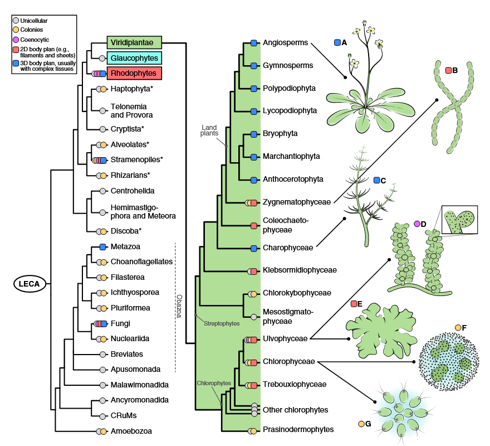
Review: Tracing the evolution of plant cell types
Plant Science Research WeeklyPlants. When we read this word, what comes to mind might be a rose, a tomato plant, or an oak tree. But plants belong to a green lineage that is far more diverse than what we encounter in daily life. This lineage also includes unicellular green algae. The evolution of the green lineage spans over a billion…
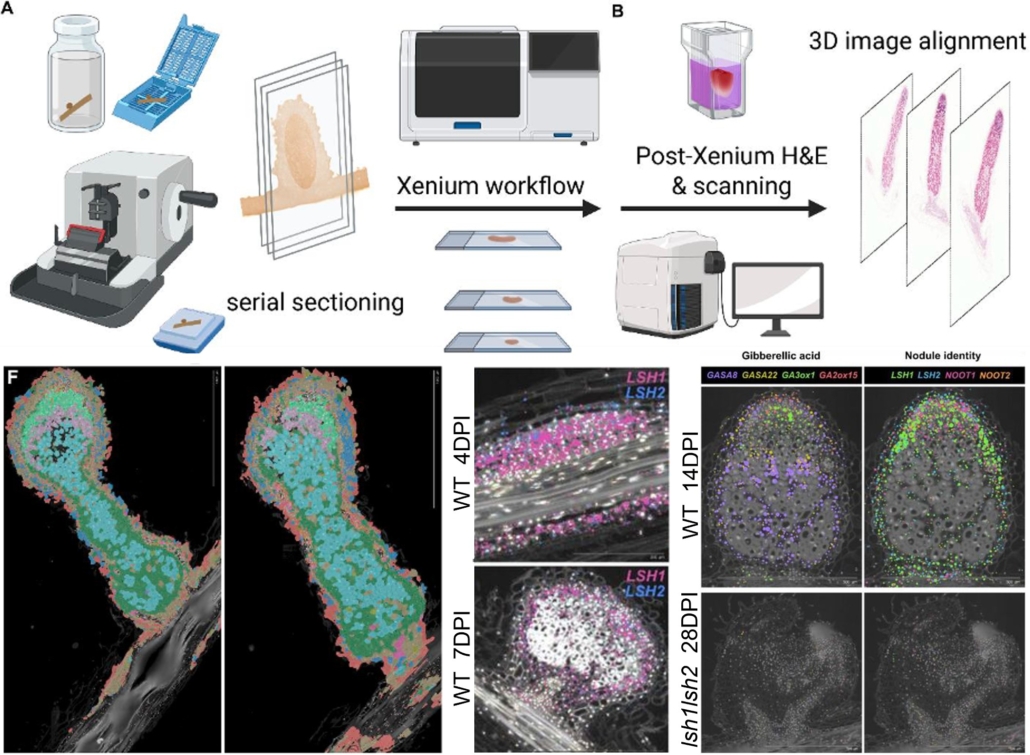
4D spatial transcriptomics reveals root nodules and lateral roots follow parallel developmental trajectories
Plant Science Research WeeklyRoot nodules are specialized organs that house nitrogen-fixing rhizobia bacteria. Previously, bulk tissue transcriptomics suggested that root nodules and lateral roots share most transcriptional programs and therefore may share overlapping developmental trajectory. Contrary to this model, recent work…
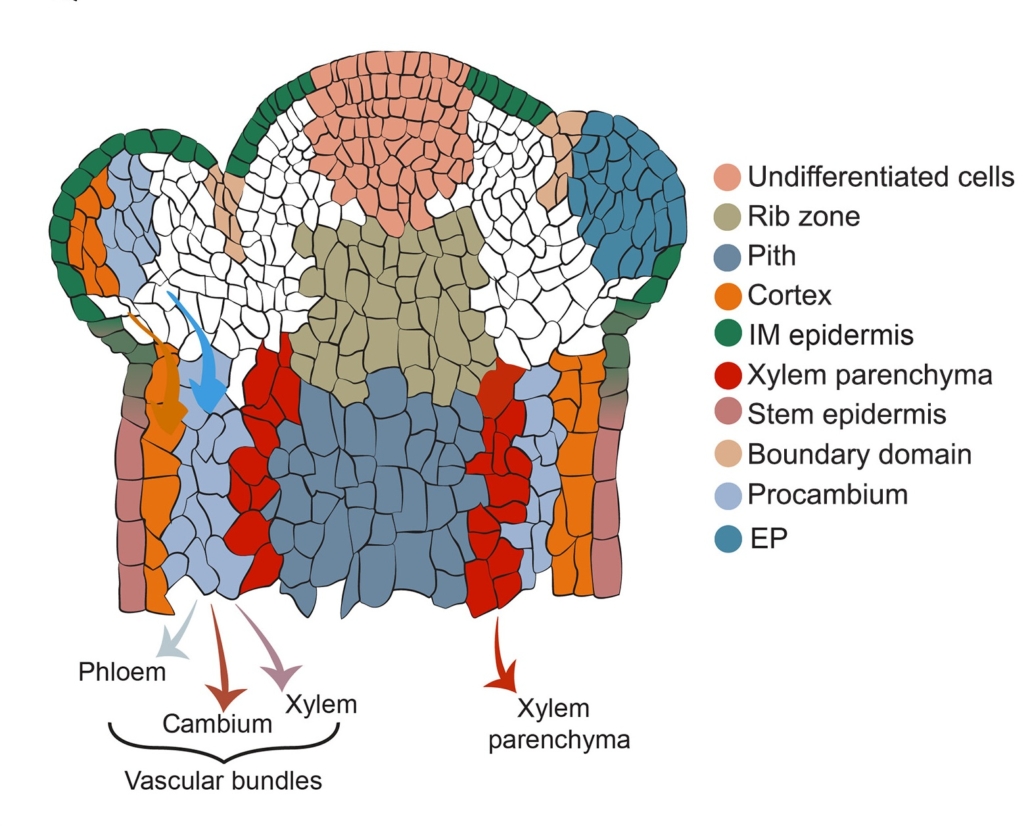
Single-cell dynamics of the Arabidopsis inflorescence stem cells
Plant Science Research WeeklyThe inflorescence meristem is the tiny structure that is foundational to most of our food supply. A new work by Moreno-Ramírez et al. reveals insights into these little marvels through the use of single-nucleus transcriptomics. Their analysis identified 18 cell-type clusters that they assigned to…

Stress accelerates aging! (In leaves)
Plant Science Research WeeklyWhen I’ve had a stressful week I feel like I’ve aged 10 years. Luckily I bounce back after a bit of rest. By contrast, a new paper by Swift et al. shows that, in plants at least, stress accelerates aging at the transcriptional level. First, they did single-cell transcriptional profiling of leaves…
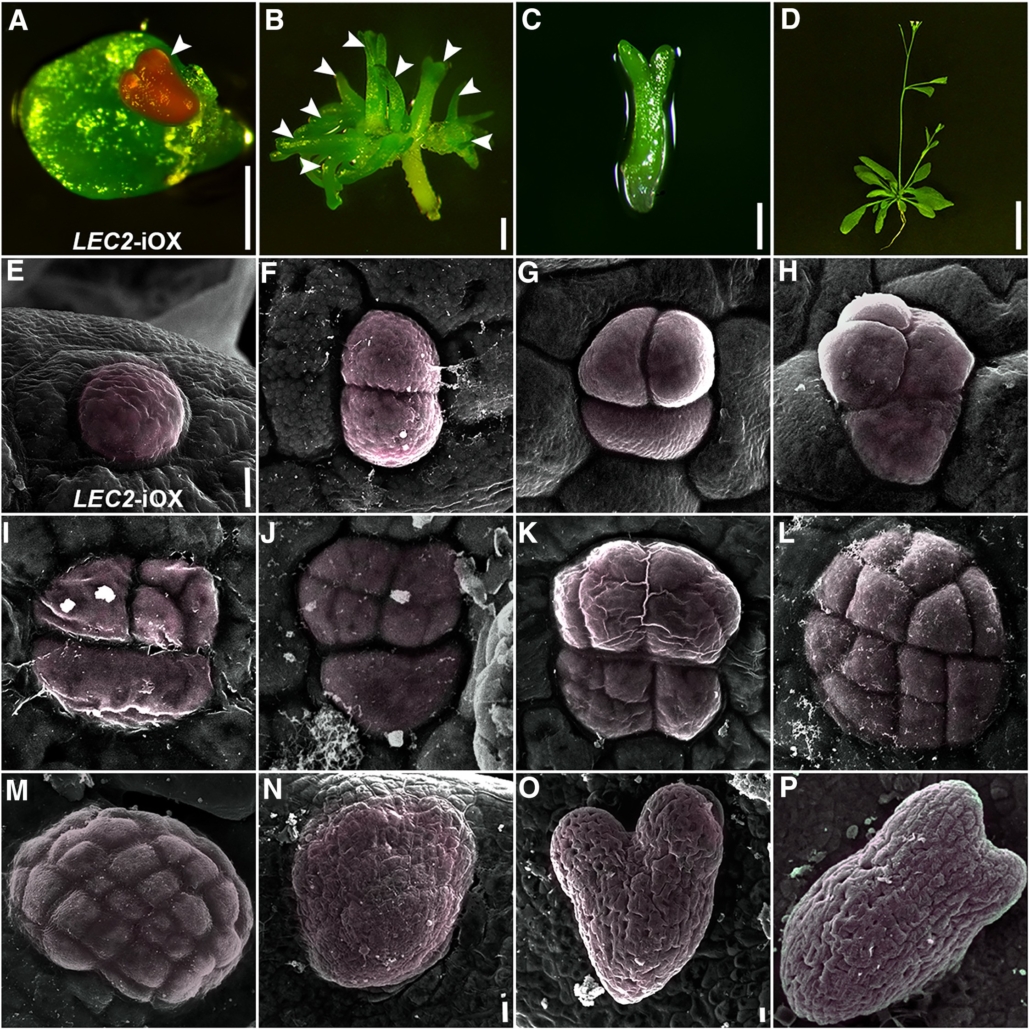
How do plants attain totipotency? Reprogramming somatic cells into embryos
Plant Science Research WeeklyPlants have an extraordinary ability to regenerate entire organs or even embryos from a single somatic cell, a phenomenon known as totipotency. Remarkably, differentiated cells can reacquire totipotency and form embryos through somatic embryogenesis, however molecular mechanisms behind this developmental…