

Not just reversal: The hidden power of drought recovery
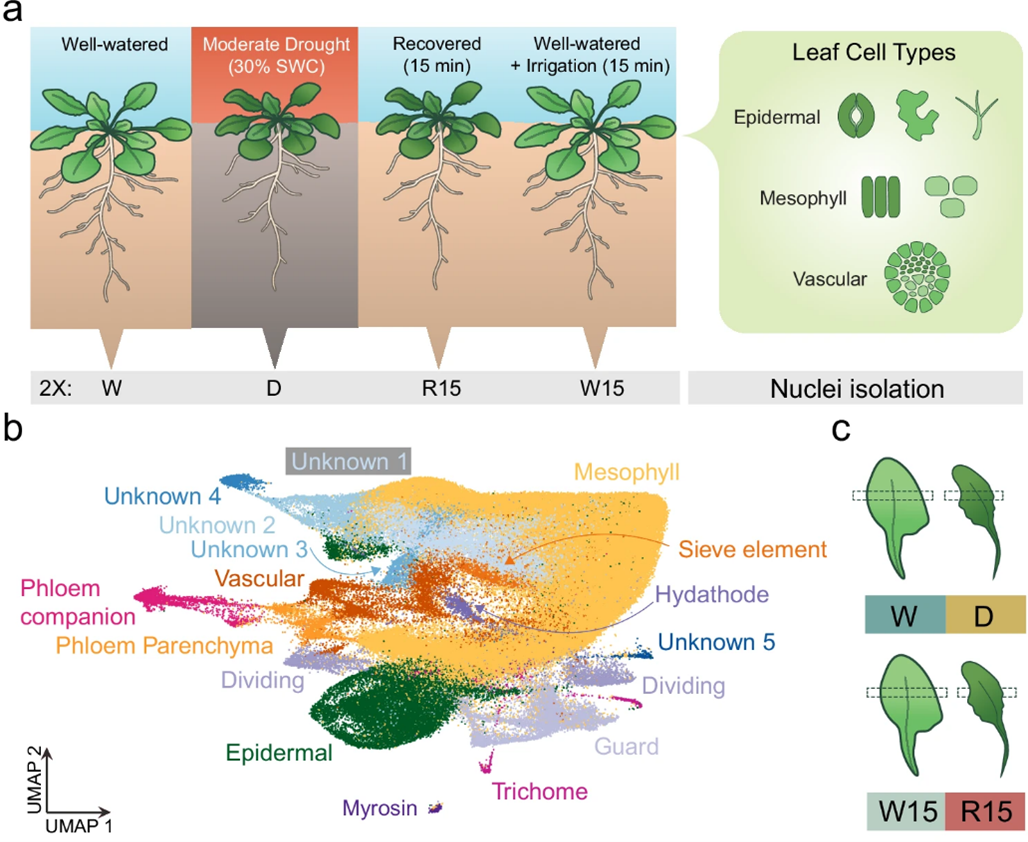
Plant Science Research WeeklyWhen drought strikes, plants struggle to survive. Growth slows, flowers appear too early, fruits drop prematurely, and harvests shrink. Scientists have long tried to engineer drought tolerance plants, but boosting this often comes with a hidden cost: stunted growth even when water is plentiful. This…
Non-coding RNA and RNA modification empower immunity in grapevine
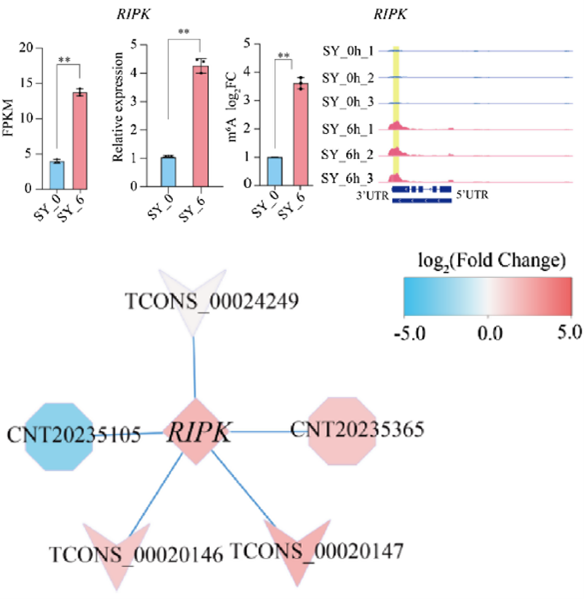
Plant Science Research WeeklyGrapevine is an important crop in the food industry. Like other crops, cultivated grapevine benefits from wild relatives that can be used for genetic resource mining and cultivar improvement. Useful genetic resources include novel alleles and gene expression regulators for better growth and stress resilience.…
Discovery and engineering of synthetic RLKs
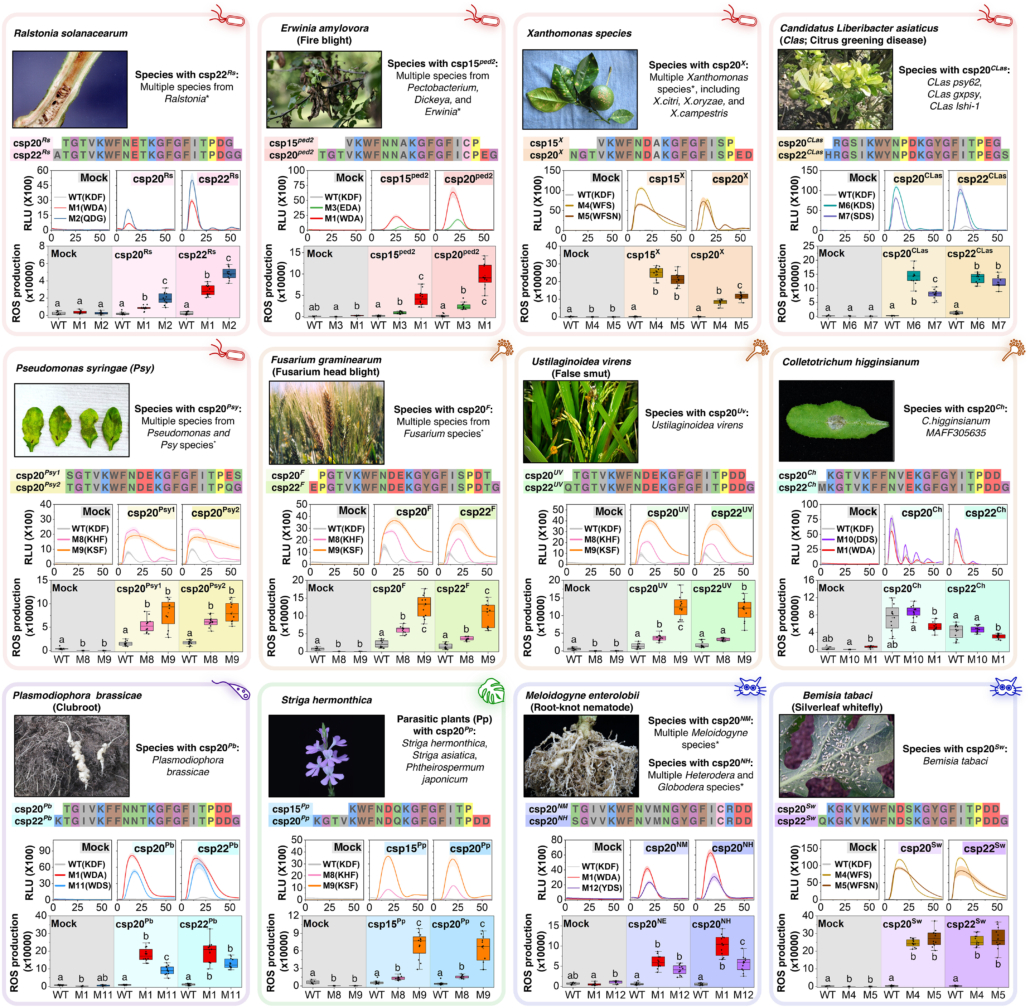
Plant Science Research WeeklyReceptor-like kinases (RLKs) are abundant genes that have diversified and expanded throughout plant evolution, with most plants having hundreds or more RLKs. In this exciting new paper, Ngou et al. decided to deconstruct the recognition sites of these proteins in order to be able to make predictions…
A wheat immune receptor that breaks the mold: The octameric WAI3 resistosome
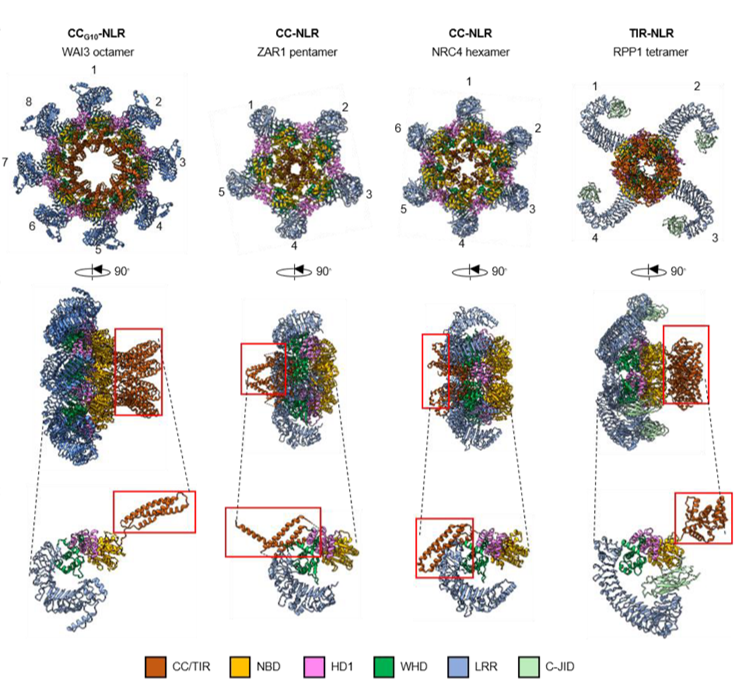
Plant Science Research WeeklyPlants may not have white blood cells, but they are far from defenseless. Instead, they rely on specialized immune receptors called NLRs (nucleotide-binding leucine-rich repeat receptors) to recognize intracellular invaders and trigger strong defense responses. These receptors are molecular shape-shifters,…
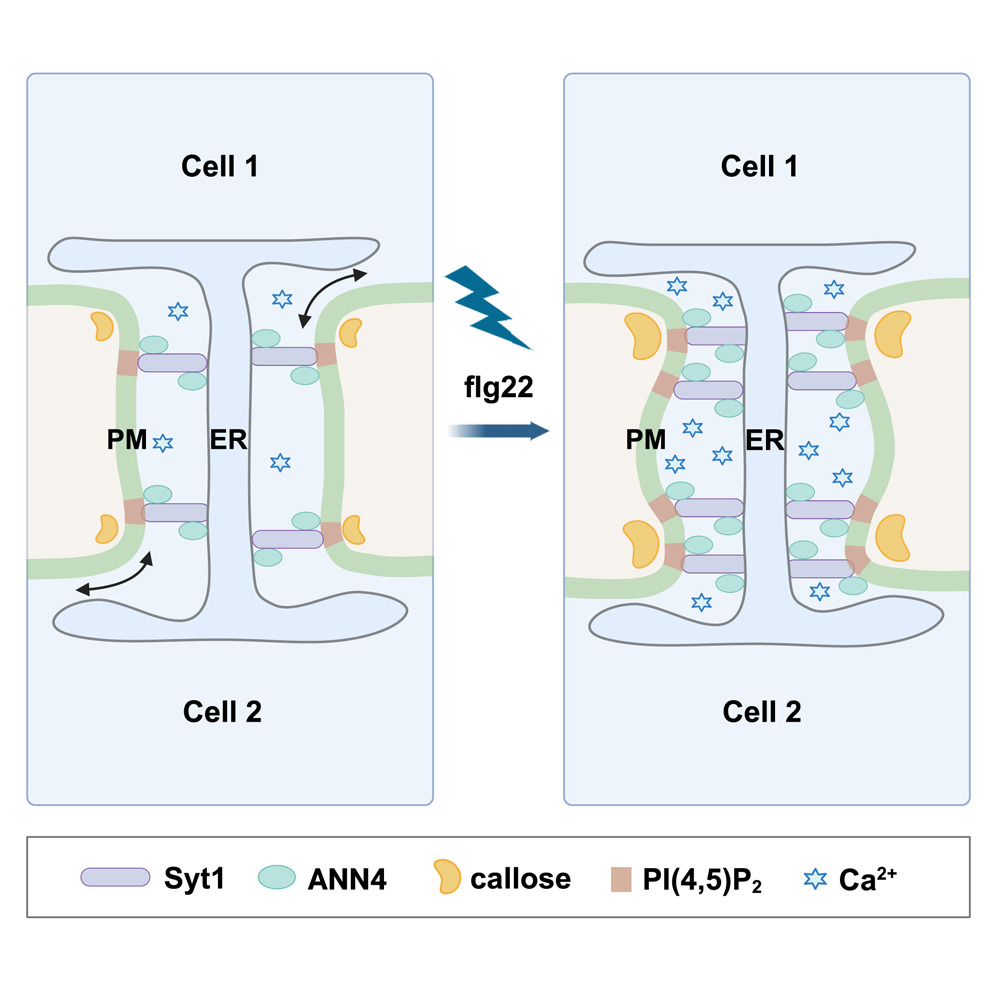
Cell communication lockdown: How plants close plasmodesmata in MAMP immune response
Plant Science Research WeeklyHow do plants protect themselves from microbial invaders? One response is the closure of plasmodesmata to stop the spread of microbial effector proteins that help pathogens evade the immune response, protecting neighboring uninfected cells. While the phenomenon of plasmodesmata closure in response of…
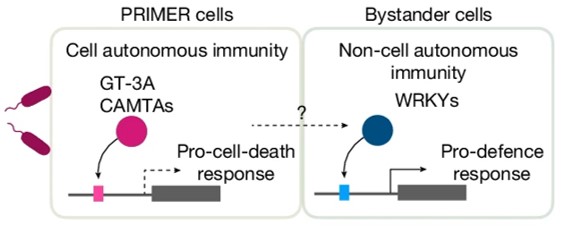
Single cell multiomic analysis of plant immunity reveals PRIMER cells
Plant Science Research WeeklySingle cell mutiomics are radically changing our understanding of pretty much every cellular process. Here, Nobori et al. integrated single-cell transcriptomic, epigenomic and spatial transcriptomic data to investigate plant responses to pathogens. The authors used three different strains of Pseudomonas…
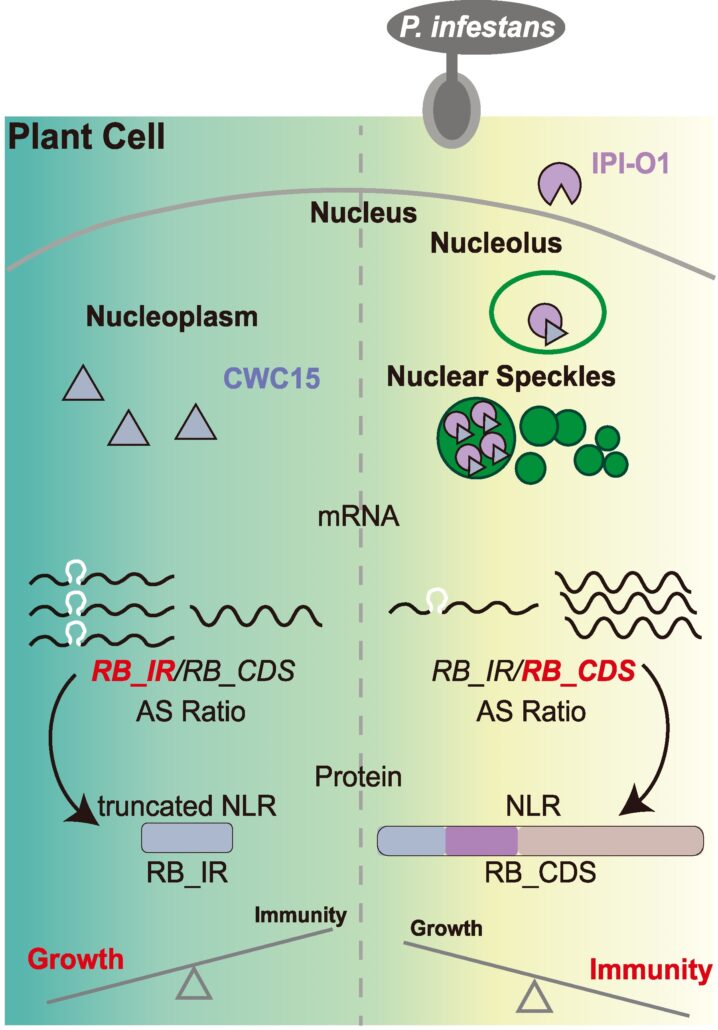
Alternative splicing of a disease resistance gene maintains homeostasis between growth and immunity
Plant Science Research WeeklyPlant resistance genes encode proteins that trigger immune responses when they recognize pathogen effectors. Their activation must be carefully regulated, as overexpression of activation of R genes usually causes a decrease in growth rate. Here, Sun et al. investigated the role of alternative splicing…
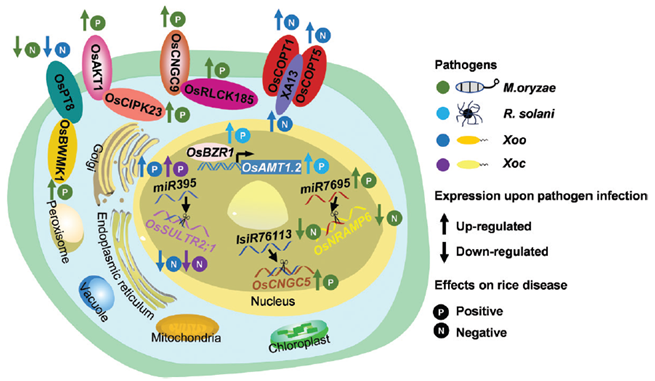
Review: Optimizing nutrient transporters to enhance disease resistance in rice
Plant Science Research WeeklyPlants rely on an array of mineral nutrients for their growth, development, and reproductive processes. The molecular mechanisms governing the uptake, translocation, storage, and utilization of these essential minerals are orchestrated by specific nutrient transporters and their associated regulatory…
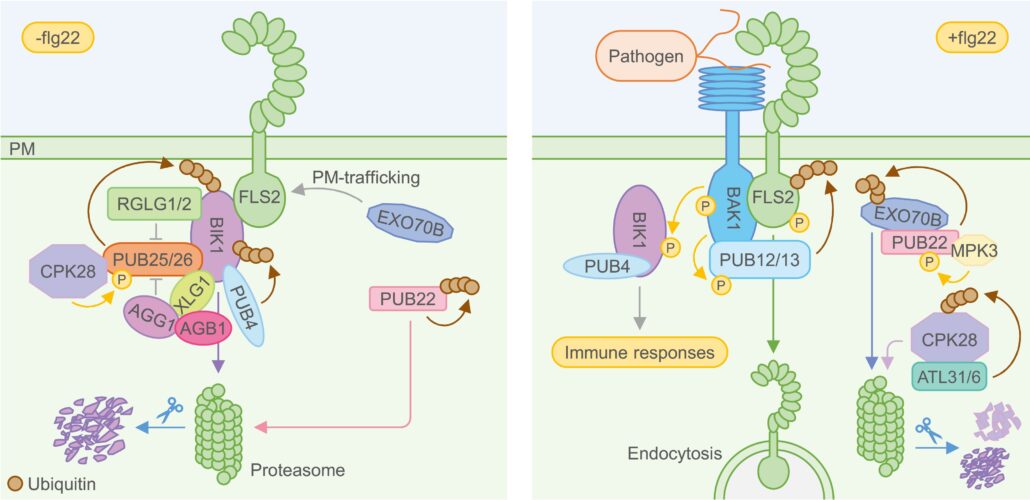
Review: Proteolysis in plant immunity
Plant Science Research WeeklyPlant immunity is beautifully sophisticated with a ever-growing cast of characters. This review by Liu et al. focuses on the contributions of proteolysis (protein degradation), which both activates and suppresses immune responses. The authors structure the review around four key functions of proteolysis:…