

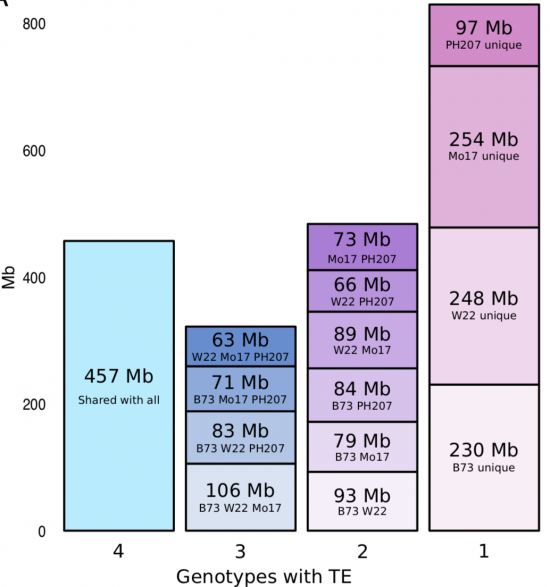
Transposable elements contribute to dynamic genome content in maize (bioRxiv)
Plant Science Research WeeklyTransposable elements (TE) constitute a large percentage of the maize genome. However, traditional studies based on reference genome alignment can result in large fragments that cannot be aligned, which could be due to TE insertions. The de novo assembly of four representative maize inbreds, B73, W22,…
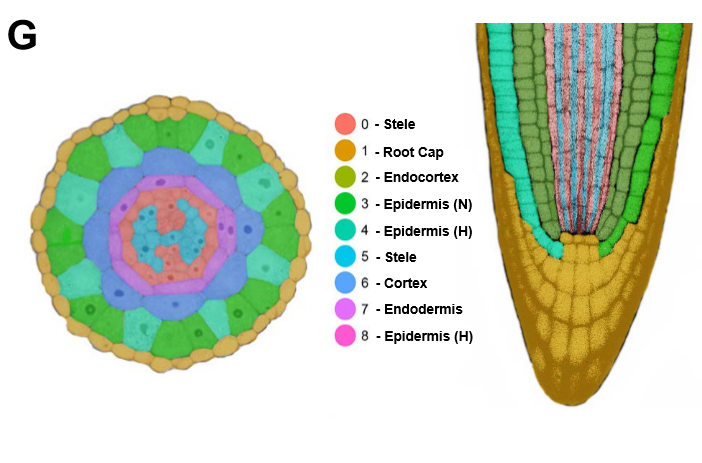
Single-cell RNA sequencing resolves molecular relationships among individual plant cells (Plant Physiol)
Plant Science Research WeeklySingle cell RNA sequencing (scRNA-seq) has transformed our understanding of gene expression within and amongst individual cells. These techniques have been applied extensively to animal cell populations to discover the development of specific cell lines and identify rare cell types but are not commonly…
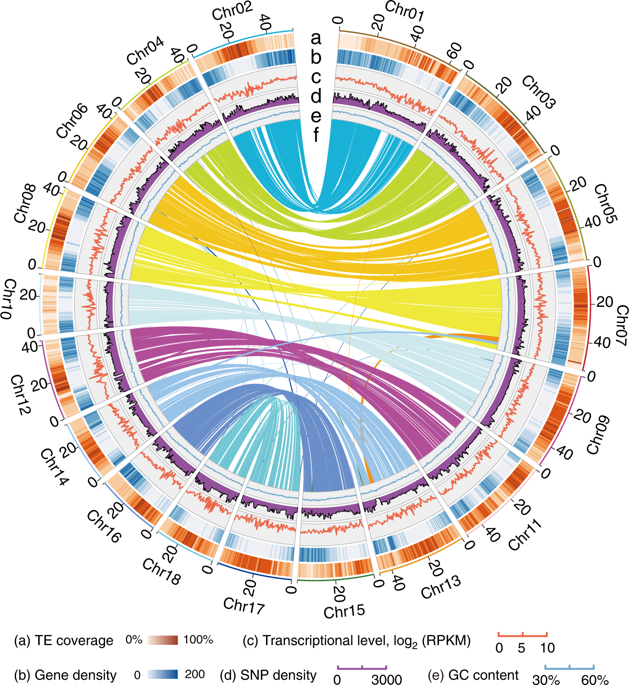
The genome of broomcorn millet: The fourth millet to be sequenced (Nature Comms)
Plant Science Research WeeklyWhole genome sequencing (WGS) unlocks the repertoire of genes encoded within the genome. From a structural genomics aspect, the sequence data enables the development of molecular markers and maps, and identification of novel QTLs/genes/alleles regulating the trait-of-interest. From a functional genomics…
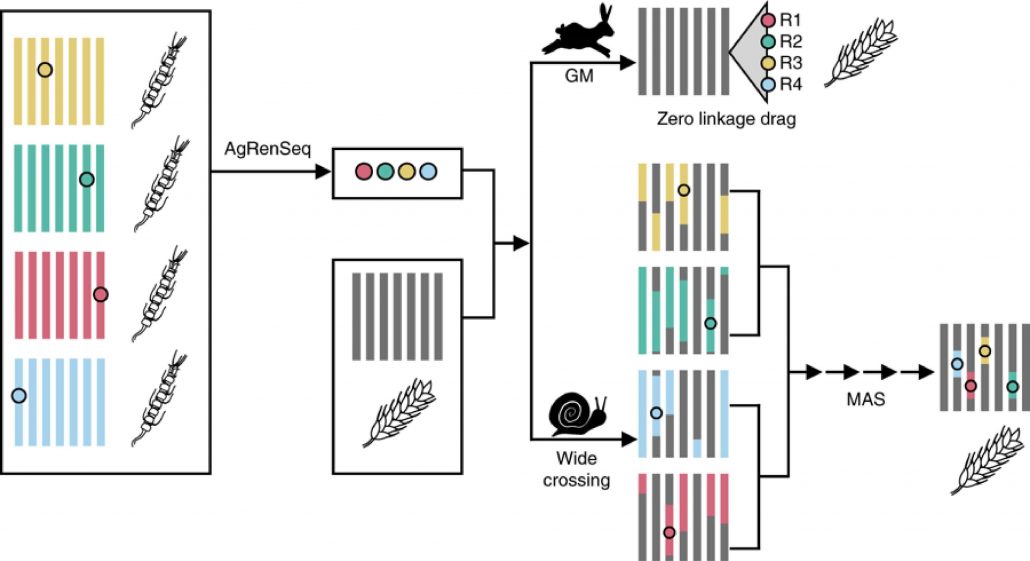
Tapping into the genetic diversity of wild crops for engineering disease resistance (Nature Biotech)
Plant Science Research WeeklyLack of sequence information makes harnessing the diversity of disease resistance (R) genes in wild crops highly challenging. Arora and Steuernagel et al. report AgRenSeq, a reference genome-free technique, for rapid cloning of nucleotide binding/Leucine-rich repeat (NLR) resistance genes from wild…
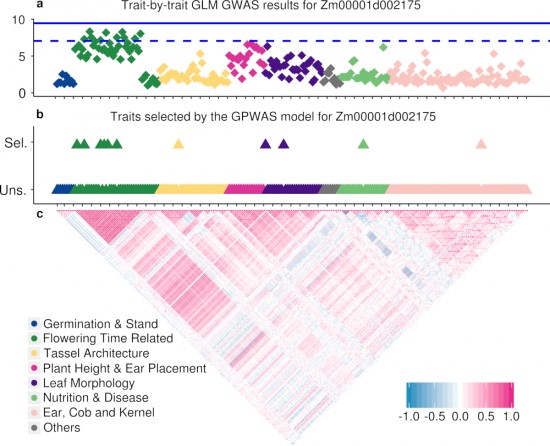
Distinct characteristics of genes associated with phenome-wide variation in maize (Zea mays) (bioRxiv)
Plant Science Research WeeklyHigh-throughput plant phenotyping is growing rapidly and enables the collection of dozens or hundreds of traits of the same plant genotype efficiently. The development of this technology expands the diversity of plant phenotypes and brings an opportunity for reexamining the connections between genotype…
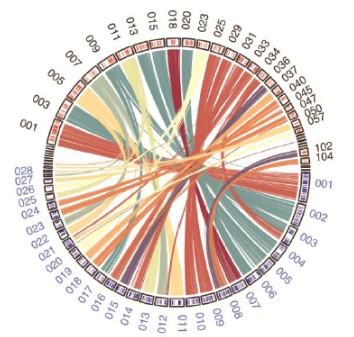
A smut fungus of Brassicaceae plants uses conserved and unique strategies to manipulate perennial hosts ($) New Phytol.
Plant Science Research WeeklyBiotrophic phytopathogens manipulate living hosts for the procurement of nutrients essential for growth and reproduction. It is therefore critical for invading biotrophs to evade or suppress immune responses without impacting overall plant function. In a recent study published in New Phytologist (2019),…
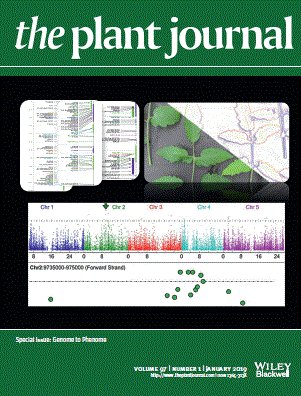
Special Issue: Genome to Phenome (Plant Journal)
Plant Science Research WeeklyIt’s January, which seems to be a month of weather extremes for many “temperate” parts of the globe. Here’s an excellent collection to curl up with as you try to stay warm or cool and out of the elements. The issue includes free-to-access reviews focused on using genomic data (e.g., genome-wide…
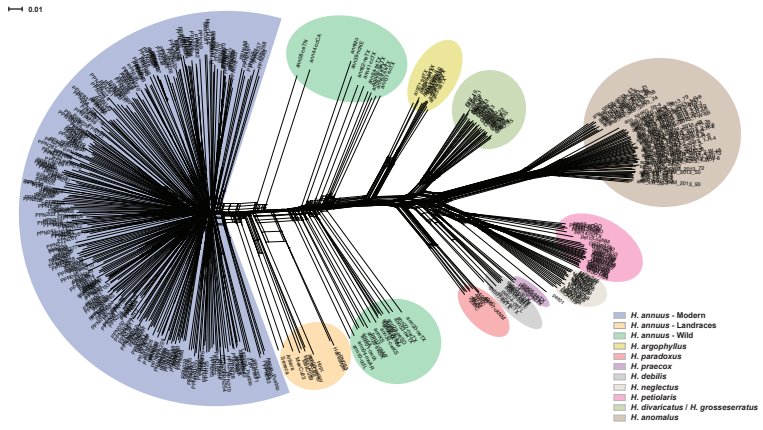
Sunflower pan-genome, evidence for hybridization-altered disease resistance ($)
Plant Science Research WeeklySunflower (Helianthus annuus L.) is an important oil-producing crop, which was domisticated in North America about 4000 years ago with elite varities being developed through the 19th and 20th centuries, narrowing its genetic variation. It retains the ability to hybridize with wild relatives, providing…
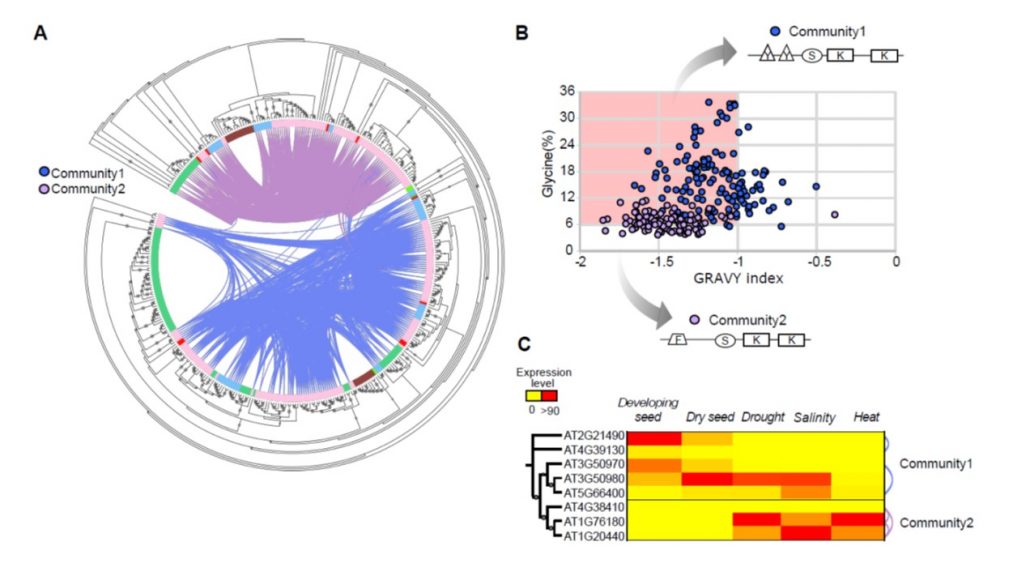
Genomic diversification of LATE EMBRYOGENESIS ABUNDANT (LEA) protein gene families (GBE)
Plant Science Research WeeklyLEA genes were first identified as being highly abundant during seed desiccation (hence their name), but later were also shown to accumulate in other tissues in response to drought stress, and to confer desiccation tolerance in “resurrection plants”. These small proteins are characterized by having…