

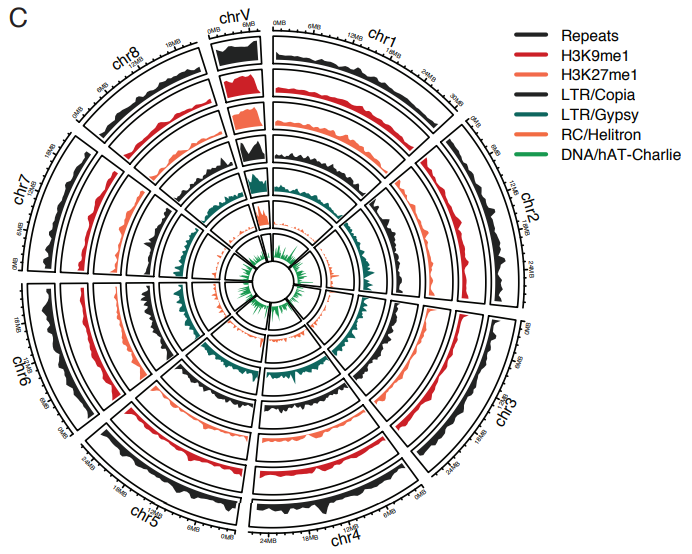
New insights into Marchantia polymorpha genome
Plant Science Research WeeklySince the publication of the Marchantia polymorpha genome in 2017, a big update was necessary. In the past week, two groups published on improving Marchantia chromosome assembly following different experimental approaches. Diop et al. made a high-density linkage map using genetic markers obtained by…
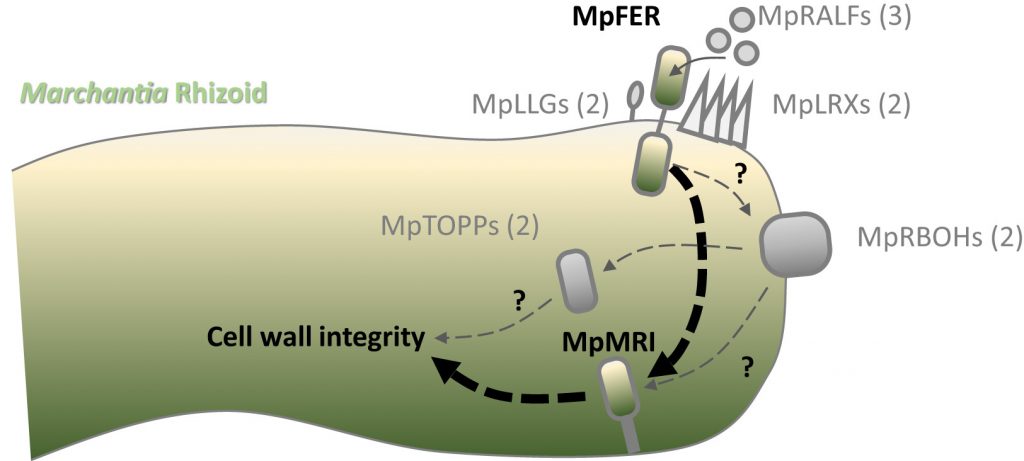
A conserved signaling module controls tip growth in liverwort and Arabidopsis (Curr. Biol).
Plant Science Research WeeklyPlants have evolved with rooting cells to anchor them to the land and uptake nutrients efficiently. Growth of root hairs in seed plants or rhizoids in early diverging plants both rely on tip growth, which requires a coordination of wall loosening and deposition of wall materials with cell expansion in…
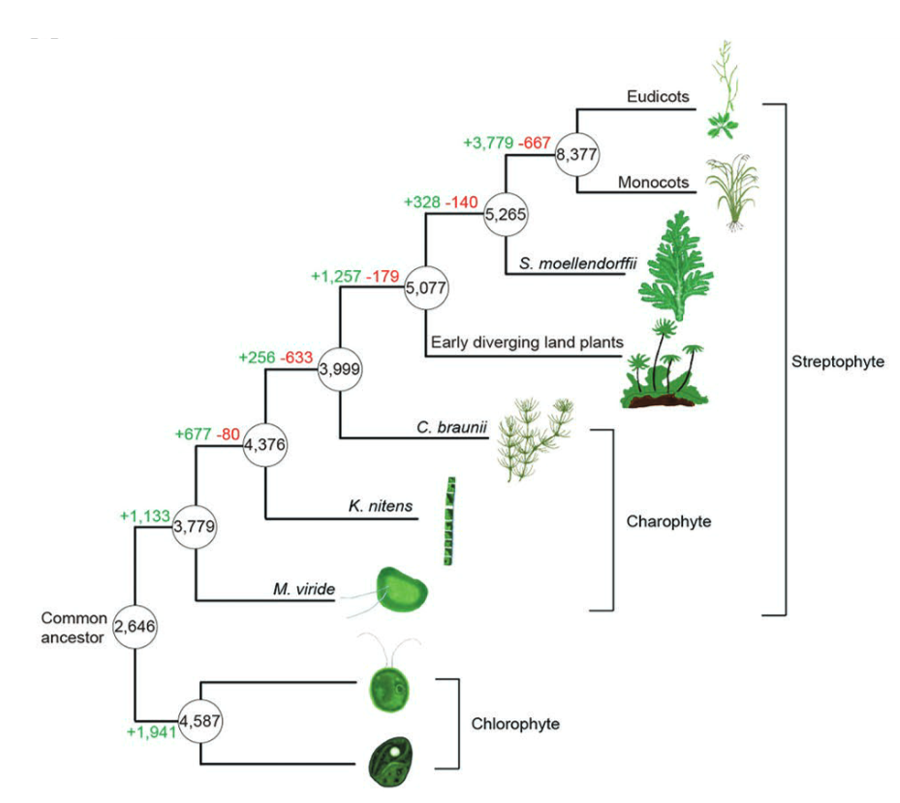
Mesostigma viride genome and transcriptome provide insights into the origin and evolution of Streptophyta (Adv. Sci)
Plant Science Research WeeklyMulticellularity has arisen independently many times across the eukaryotic tree of life (e.g., in plants, animals and fungi). Comparisons of green algae with land plants is likely to identify the genetic toolkit of multicellularity as well as the colonization of terrestrial habitats. Here, Liang et al.…
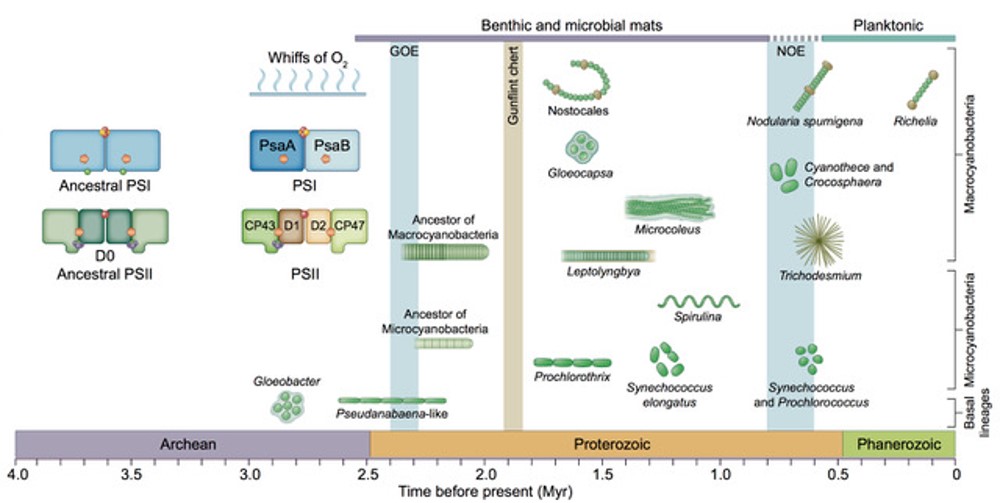
On the origin of oxygenic photosynthesis and cyanobacteria (New Phytol)
Plant Science Research WeeklyPhotosynthesis occurs in several ways, only one of which releases oxygen as a product. As oxygen-breathing organisms, we are totally dependent on oxygenic photosynthesis, which is restricted to cyanobacteria and green plant plastids. In this review, Sánchez‐Baracaldo and Cardona examine how recent…
Replaying the evolutionary tape to investigate subgenome dominance in allopolyploid Brassica napus (bioRxiv)
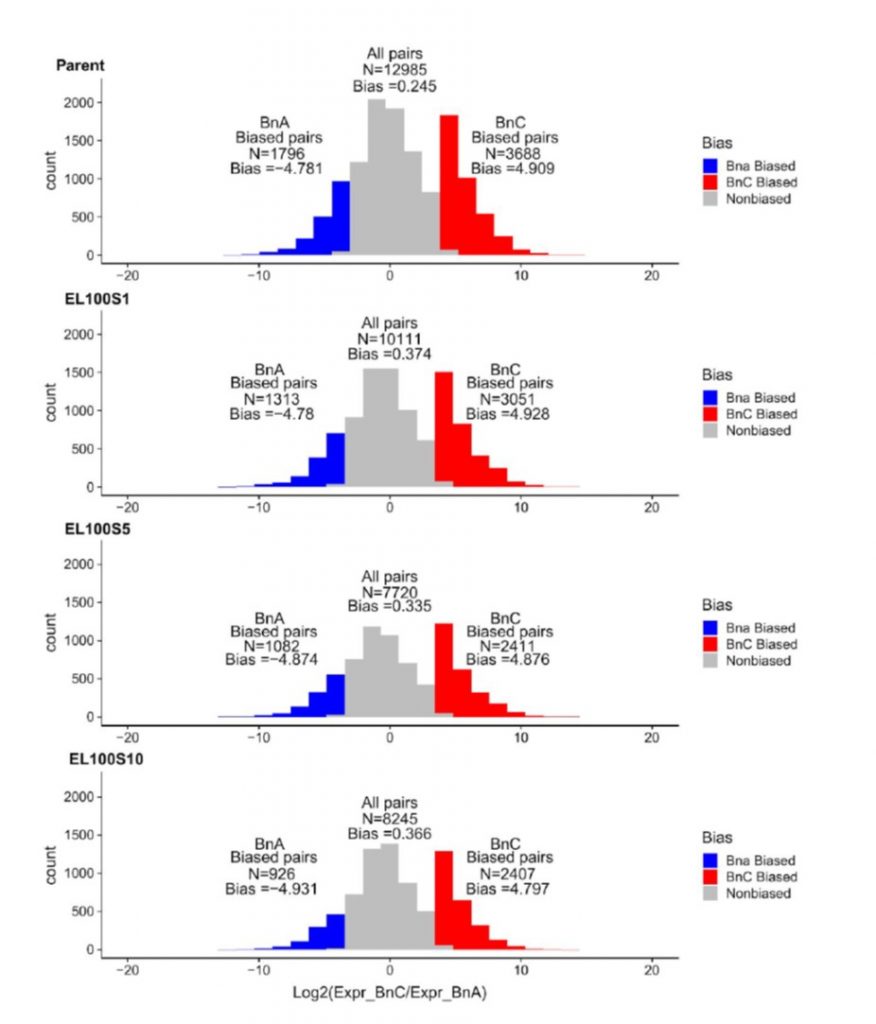
Plant Science Research WeeklyFollowing interspecific hybridization, one of the two parental genomes (aka subgenomes) tends to become dominant (more highly retained and expressed). What determines which of the subgenomes will become dominant, or is it random? To explore this question, Bird et al. made several crosses between Brassica…

One thousand plant transcriptomes and the phylogenomics of green plants (Nature)
Plant Science Research WeeklyWith a collaborative effort by multiple laboratories across the world, a database of transcriptomics data has been generated for 1124 species encompassing green plants, glaucophytes, and red algae. This extensive work referred to as onekp (one thousand plant transcriptomes) will aid in researchers to…

Comparing genes that govern flower development in Petunia and Arabidopsis: Evolution made a mess!
Research, The Plant Cell, The Plant Cell: In a NutshellMorel et al. investigate AP1/SEP/AGL6 MADS-box transcription factor functions in Petunia. Plant Cell https://doi.org/10.1105/tpc.19.00162
By Michiel Vandenbussche
Background: The ABCE model is a simple genetic model that explains how the different floral organs in the flower (sepals, petals, stamens…
Minimal auxin sensing levels in vegetative moss stem cells revealed by a ratiometric reporter ($) (New Phytologist)
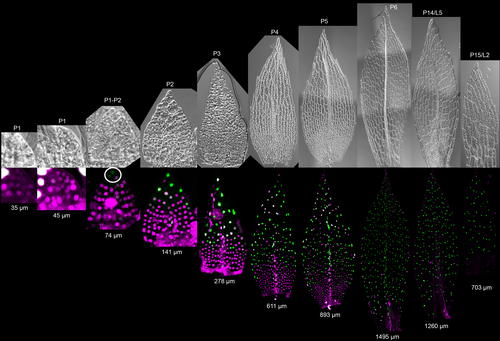
Plant Science Research WeeklyAuxin plays multiple developmental roles from embryogenesis to seed development. To understand the mechanism of auxin response in plants, researchers utilize the early-diverging land plant models, Physcomitrella patens and Marchantia polymorpha. In this paper, Thelander et al., have identified a…
Genome editing retraces the evolution of toxin resistance in the monarch butterfly ($) (Nature)
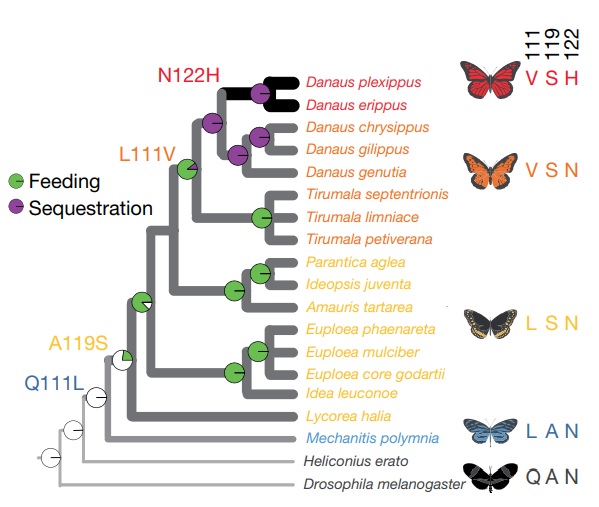
Plant Science Research WeeklyWhen a few species from several distantly related groups produce a similar but unusual trait, we usually assume that this trait is an example of convergent evolution; starting from different places but ending up at the same place. The ability to eat plants that produce cardiac glycosides, which are toxic…