

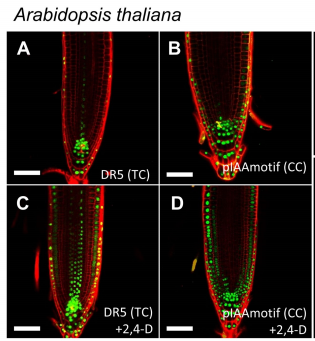
Deep conservation of cis-element variants regulating plant hormonal responses (Plant Cell)
Plant Science Research WeeklyPromoter regions upstream of transcription start sites contain DNA regulatory elements (RE) crucial for the transcriptional control of gene expression. However, REs are short degenerated sequences with low conservation during evolution. In this paper, Lieverman-Lazarovich et al. studied REs in core hormone…
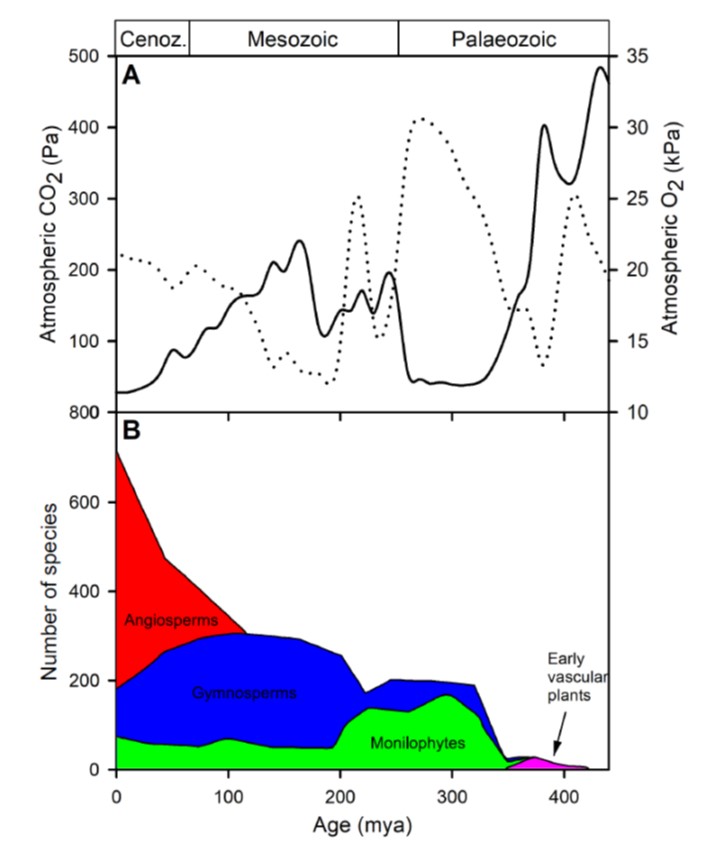
A novel hypothesis for the role of photosynthetic physiology in shaping macroevolutionary patterns (Plant Physiol)
Plant Science Research WeeklyIn the 450 million(ish) years since plants acquired the ability to live on land, they have caused dramatic changes in the concentrations of atmospheric CO2 and O2 levels. As an example, due to tremendous increases in photosynthesis, CO2 levels dropped and O2 levels rose dramatically in the late Paleozoic…
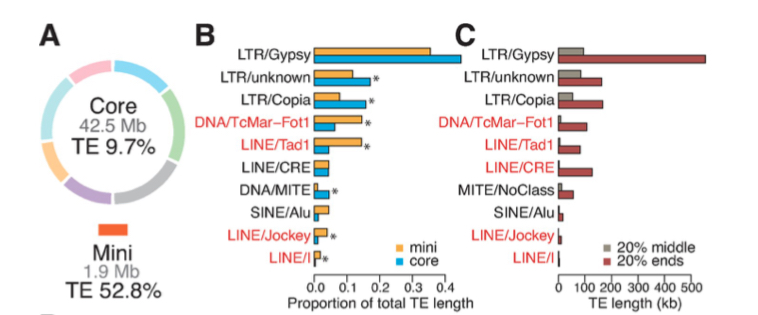
Effector gene reshuffling involves dispensable mini chromosomes in wheat blast fungus (PLOS Genetics)
Plant Science Research WeeklyThe emerging disease wheat blast is devastating and has the capacity to cause 100% yield loss. Wheat blast is caused by the fungus Magnaporthe oryzae pathotype Triticum (MoT). This pathotype is distinct from most of the pathotypes that causes disease in other plants such as M. oryzae Oryza (MoO) in rice.…
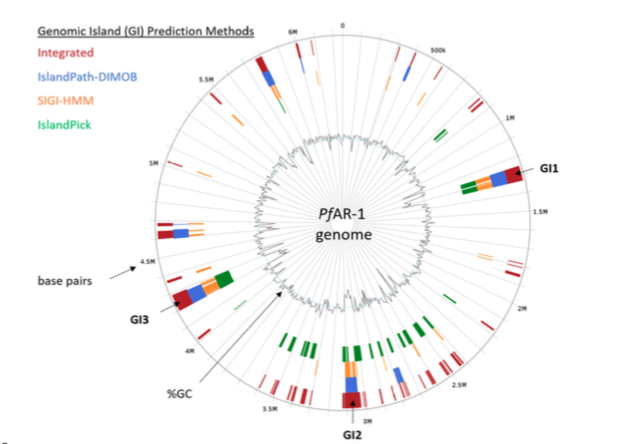
Plant microbe co-evolution: Allicin resistance in Pseudomonas fluorescens (bioRxiv)
Plant Science Research WeeklyGarlic (Allium sativum L.) produces allicin (diallylthiosulfinate), which is an antibiotic defense substance. It can oxidize thiols in celular targets such as cysteines and glutathione. Because allicin has multiple sites and mechanisms of action, it is difficult for an organism to become resistant.…
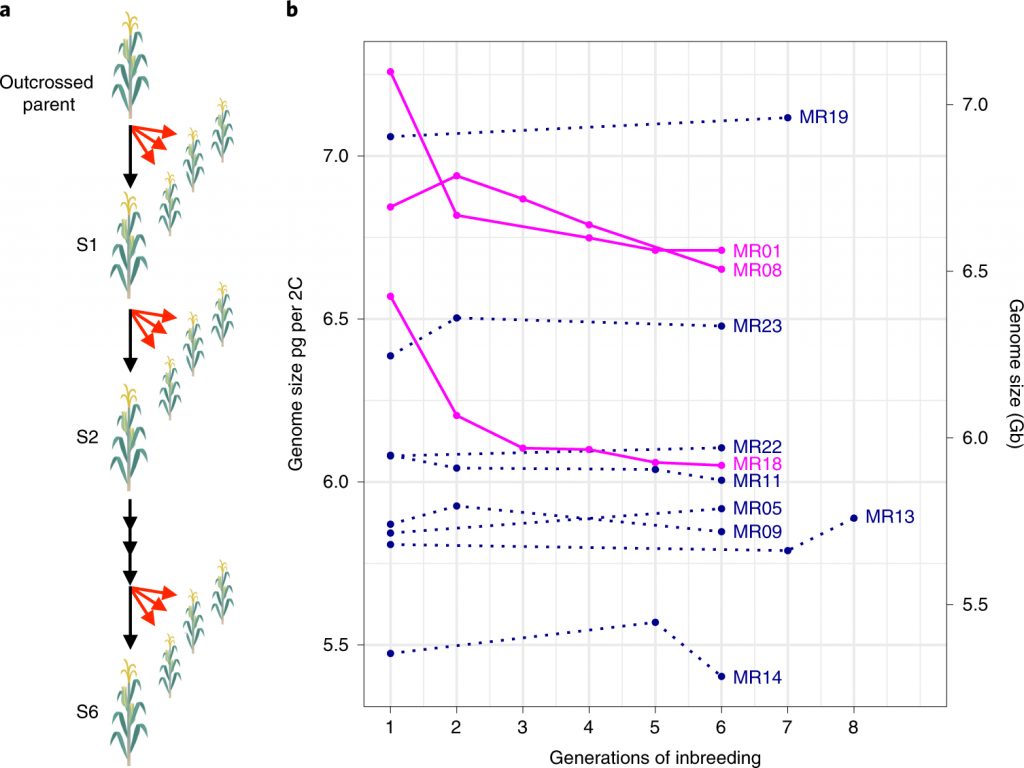
KonMari for Maize - keeping genomes clutter-free during selfing ($) (Nature Plants)
Plant Science Research WeeklyJust like years of hoarding can end up cluttering our homes, years of self-fertilization or selfing can also accumulate harmful mutations in plant genomes. By removing such harmful alleles from the genome (i.e., purging) plants can reduce the mutational load and prevent fitness loss due to selfing. Roessler…
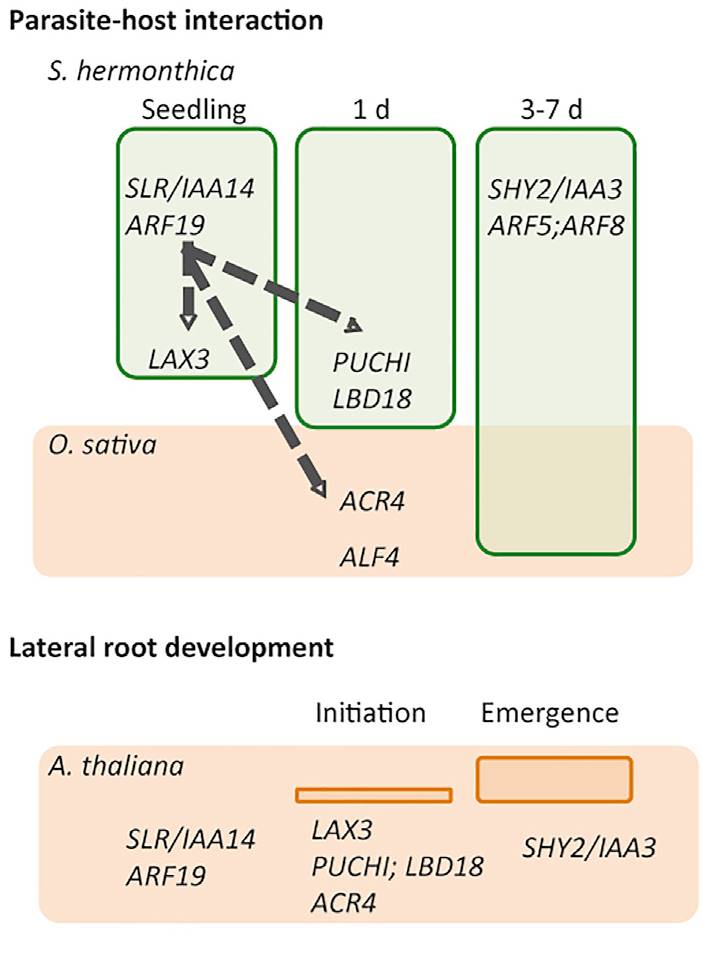
Genome sequence of Striga asiatica provides insight into the evolution of plant parasitism (Curr Biol)
Plant Science Research WeeklyThe parasitic plant Striga asiatica is both a serious agricultural pest and a fascinating plant oddity. Yoshida et al. report its genome sequence, which provides a glimpse into how a plant becomes an obligate parasite. Three key findings are the tremendous expansion of receptors for strigolactones (host-released…
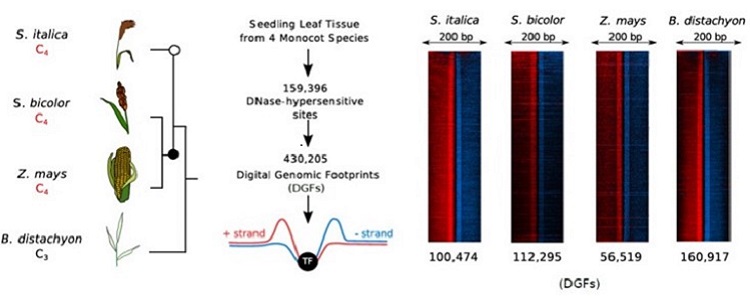
Mapping the landscape of C4 gene regulation
Research, The Plant Cell, The Plant Cell: In a NutshellBurgess et al characterize genome-wide patterns of transcription factor binding to provide insight into the architecture associated with C4 photosynthesis gene expression. Plant Cell https://doi.org/10.1105/tpc.19.00078
By Steven James Burgess (University of Cambridge, UK) and Ivan A. Reyna-Llorens…
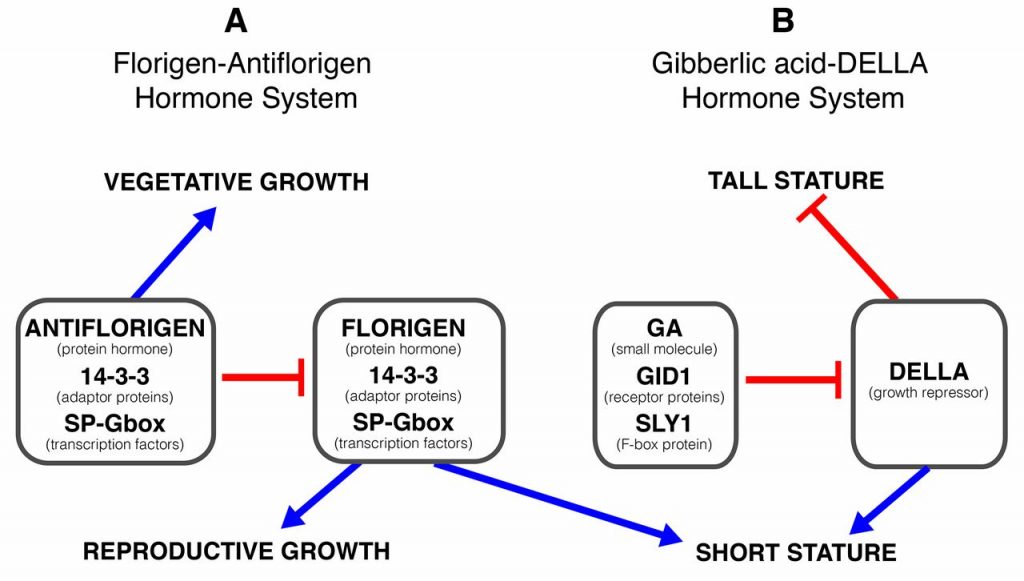
Review: Revolutions in agriculture chart a course for targeted breeding of old and new crops ($) (Science)
Plant Science Research WeeklyA few traits are associated with domestication across many species. Eshed and Lippman provide an overview of the changes to plant stature and flowering time that have been repeatedly selected by our ancestors. By comparing the molecular underpinnings of these traits across crops, it becomes clear that…
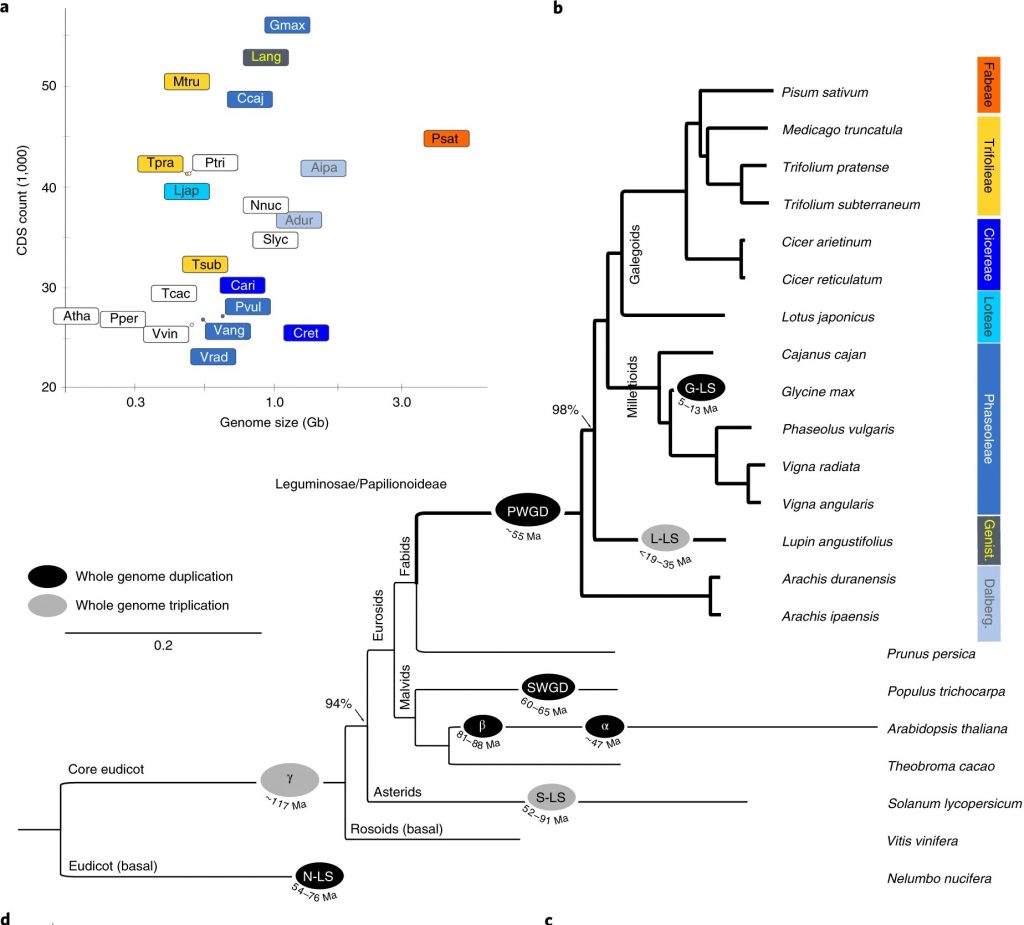
A reference genome for pea provides insight into legume genome evolution (Nature Genetics)
Plant Science Research WeeklyPea (Pisum sativum) is an important protein-rich crop that introduces most students to the principles of Mendelian genetics, but it has lagged behind in the genomics era due to its much larger genome size than newer model legumes. Kreplak et al. have now released an annotated chromosome-level reference…