

Cytokinin–CLAVATA cross-talk is an ancient mechanism regulating shoot meristem homeostasis in land plants (PNAS)
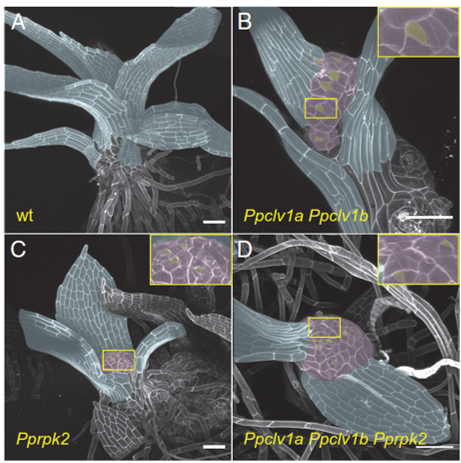
Plant Science Research WeeklyThe shoot apical meristem (SAM) maintains a small pool of pluripotent stem cells, which are the source of all above-ground plant tissues. In Arabidopsis thaliana, CLAVATA3 (CLV3), CLAVATA1(CLV1) and RECEPTOR-LIKE PROTEIN KINASE2 (RPK2) repress WUSCHEL (WUS) expression. WUS induces CLV3, forming a local…

A conserved superlocus regulates above- and belowground root initiation (Science)
Plant Science Research WeeklyThe vascular plant body composed of root and shoot is specified during embryogenesis, but most flowering plants can also develop additional root systems post-embryonically: lateral roots, as a response to wounding, or shoot-borne roots (“adventitious” roots, literally meaning “in the wrong place”).…
An essential role of MADS-box proteins during wheat spike development (Plant Cell)
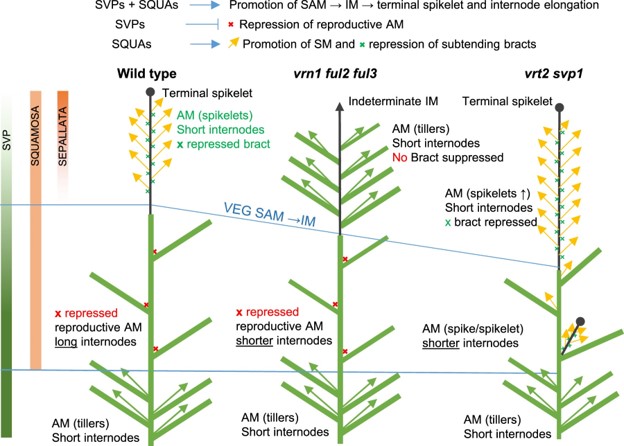
Plant Science Research WeeklyWheat yields depend on the morphology of the inflorescence known as the spike, which harbors multiple lateral spikelets. To control and manipulate wheat productivity, it is necessary to understand the molecular and genetic mechanisms behind the development of inflorescence architecture. Wheat spike development…
Expression analyses in Ginkgo biloba provide new insights into the evolution and development of the seed (Sci. Reports)
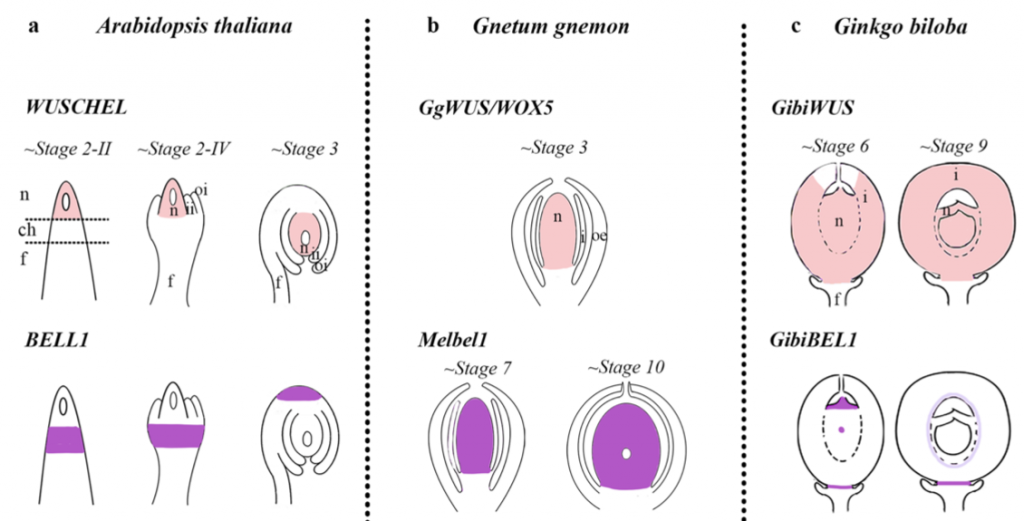
Plant Science Research WeeklySeed production was a decisive adaptation that appeared during plant evolution. Not in vain! The most diverse plant lineage today is that of the so-called seed plants, a group that includes gymnosperms and angiosperms. Therefore, it is not surprising that understanding seed origin and evolution has been…
Review: Bryophytes as model systems for studying evolutionary cell and developmental biology (Plant Cell)
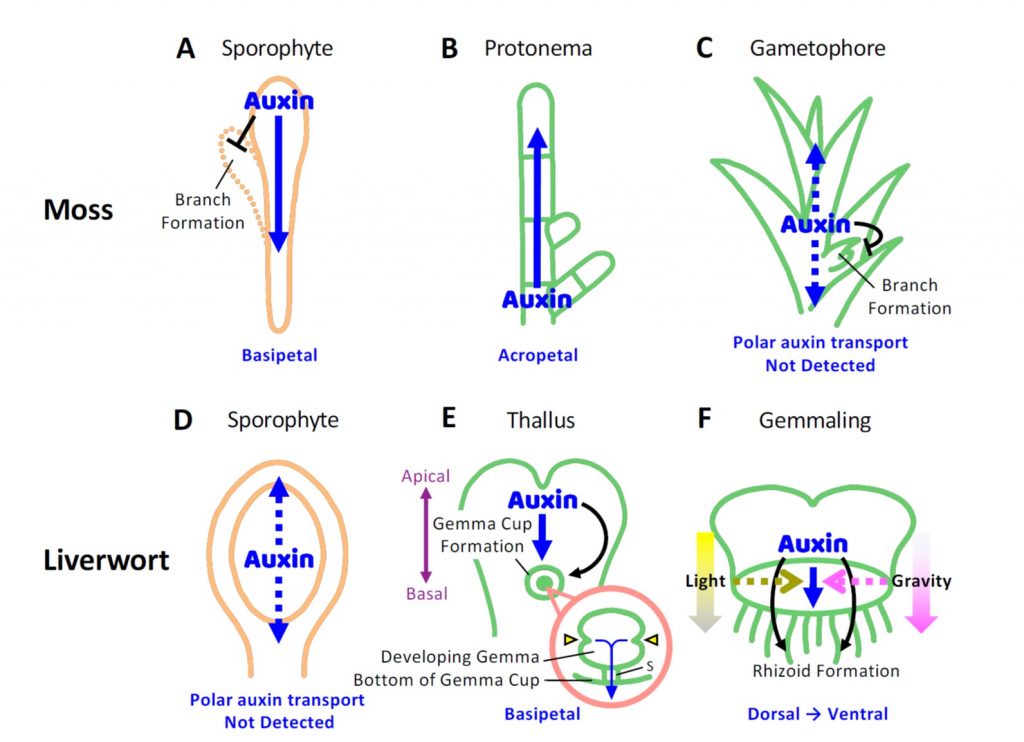
Plant Science Research WeeklyThe development of Arabidopsis as a model system greatly advanced the field of plant cell biology by bringing in molecular approaches, so much of our conceptual foundation rests on studies from angiosperms. More recently, model bryophytes, particularly Marchantia polymorpha (liverworts) and Physcomitrium…
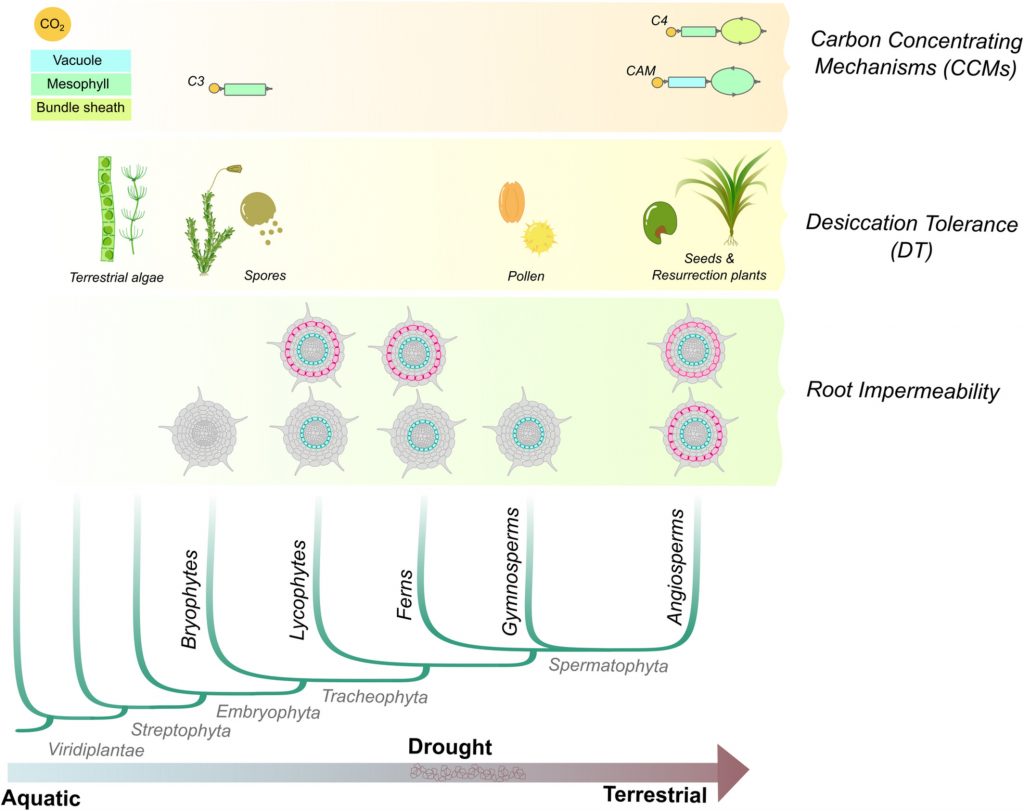
Review: Convergent evolution of gene regulatory networks underlying plant adaptations (Plant Cell Environ.)
Plant Science Research WeeklyThe transition from aquatic to terrestrial habitats exposed plants to low water availability, high light, radiation, and other environmental challenges. To overcome these challenges, plants developed morpho-physiological adaptations to tolerate dry environments and make photosynthesis more efficient.…
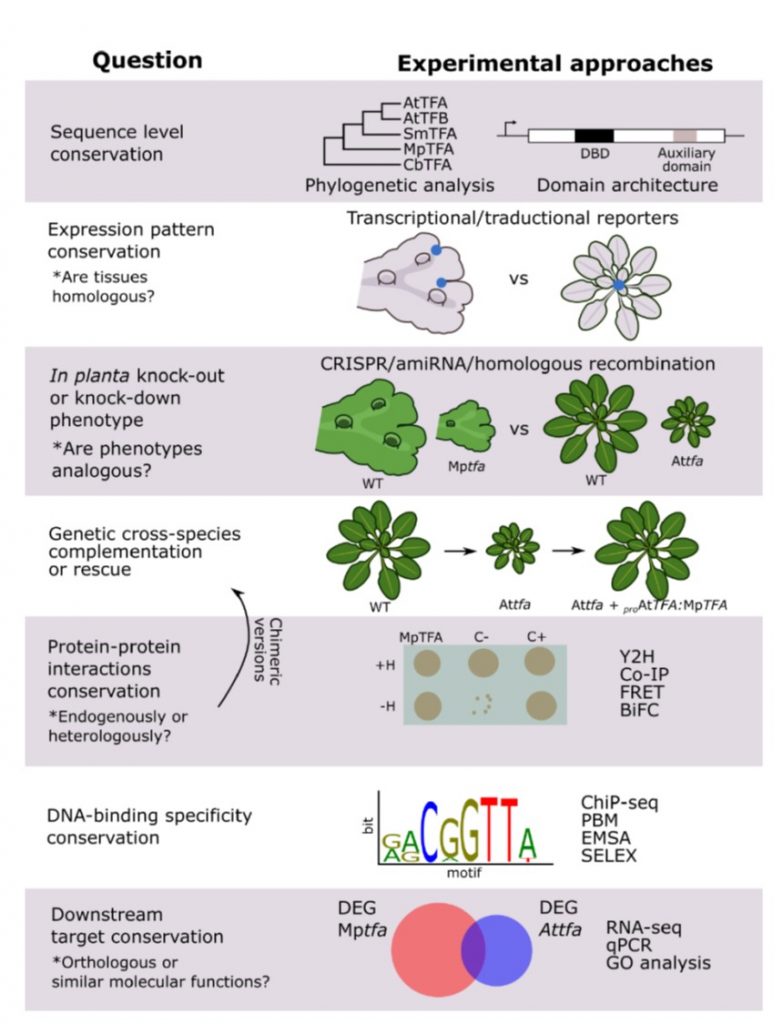
Review: Molecular mechanisms involved in functional macroevolution of plant transcription factors (New Phytol)
Plant Science Research WeeklyTranscription factors (TFs) are very important actors through which evolution can operate. In every organism and system studied, starting with the seminal work of Jacob and Monod, they’ve been shown to be potent regulatory proteins. Here, Romani and Moreno review the contributions of plant transcription…
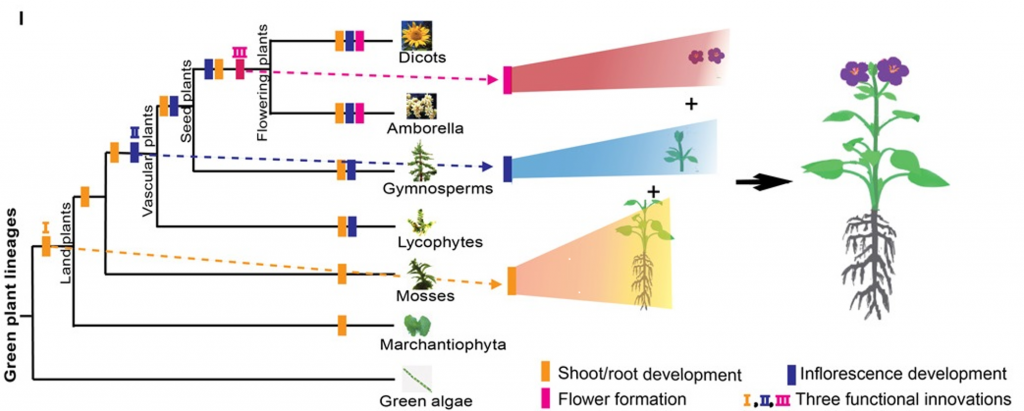
Functional innovations of PIN auxin transporters mark crucial evolutionary transitions (Science)
Plant Science Research Weekly
Complex multicellular flowering plants evolved from simple unicellular algae. This evolutionary transition was driven by crucial innovations in plant anatomy like shoot and root, inflorescence and flowers. Multiple studies have demonstrated the role of local auxin gradients in determining the development…
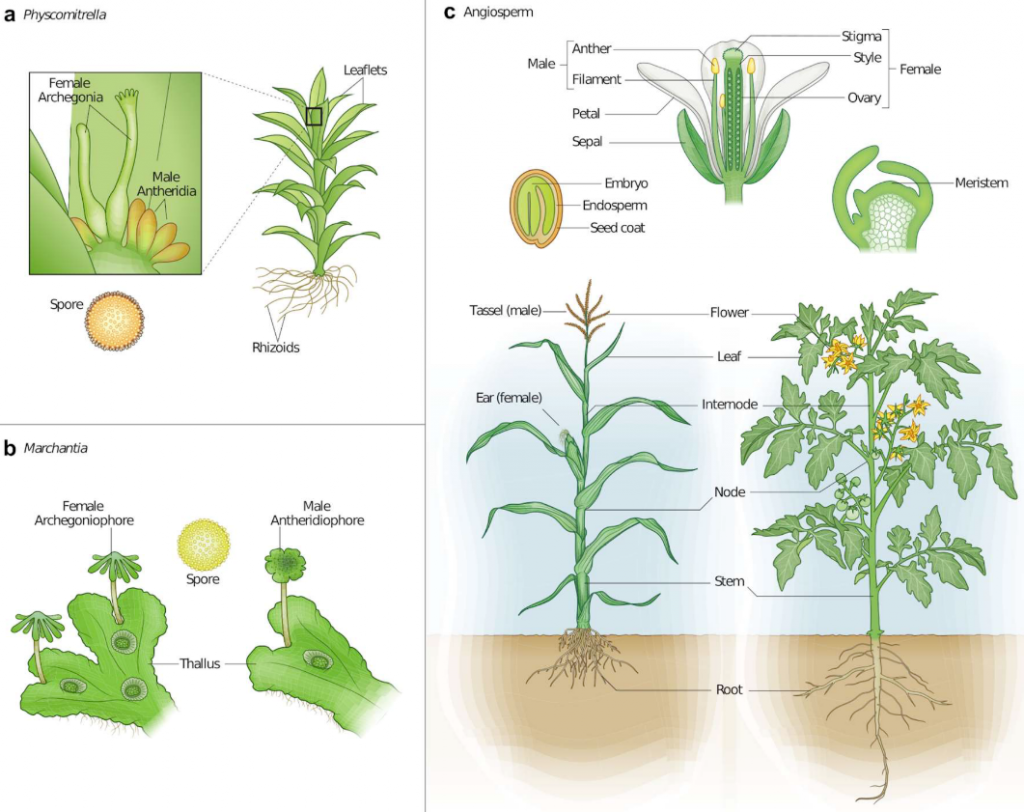
Conserved transcriptional programs underpin organogenesis and reproduction in land plants (bioRxiv)
Plant Science Research WeeklyLand plant evolution accompanied a plethora of evolutionary novelties such as cells that compose complex organs (e.g., stems, leaves, roots) and male/female gametophytes. The identity and conservation of the transcriptional programs underlying organogenesis and reproductive development across land plants…