

Plantae Presents – Photosynthesis: Importance, Recent Improvements, and Opportunities (an ASPB member-only webinar)
Plantae Presents – Photosynthesis: Importance, Recent Improvements, and Opportunities
Featuring Ádám Solti, Katarina Kurtović, and Nancy Kiang
When: Friday, October 2, 2026, at
9:00 AM PDT | 12:00 PM EDT | 5:00 PM BST | 12:00 AM Beijing
About this Webinar
Photosynthesis is a key process, serving as the only source of energy not just for plants, but for most life on Earth. Despite this importance, many key questions remain regarding photosynthesis. Filling in gaps are key objectives of plant scientists, as this can result in developing plants and photosynthetic organisms that can better respond to environmental stress, develop more efficient photosynthetic machinery, and guide our search for life on other planets.
In this ASPB member-only webinar, three speakers will discuss recent advancements in photosynthesis. The speakers will cover the current understanding, recent advancements, and photosynthesis in space.
Not a member yet? Learn more and join here!
Hosted by the 2026 Plantae Fellows.
SPEAKERS
Ádám Solti
Dr. Ádám Solti is an associate professor in the Department of Plant Physiology and Molecular Plant Biology at Eötvös Loránd University (ELTE) in Budapest, Hungary. After gaining expertise among others in CSIC (Spain) he established an NRDIO, Hungary-funded research group at ELTE. His research centers on subcellular plant physiology, with a primary focus on chloroplast iron homeostasis, trace element transport, and the mechanisms of photosynthetic adaptation under environmental stress. In addition to investigating how plants handle transition metal dynamics and oxidative stress, Dr. Solti explores sustainable agricultural solutions, including the evaluation of bio-based iron formulations, nanoparticle applications for crop nutrition, and heavy metal tolerance in energy crops. He is also dedicated to mentoring MSc and Ph.D. students.
Katarina Kurtović
Katarina Kurtović is a postdoctoral researcher at Centre Algatech, Institute of Microbiology of the Czech Academy of Sciences. She completed her PhD at Charles University in Prague, where she investigated the evolution of the plant hormone auxin and its role in plant evo-devo. As a postdoctoral researcher, she transitioned to studying cyanobacteria, focusing on the deep evolution of light-harvesting complexes and reconstructing their evolutionary history using synthetic biology approaches. Her research bridges fundamental questions in evolution with modern computational and synthetic biology techniques. Beyond her research, Katarina is actively involved in science communication and the plant science community. She was a Plantae Fellow in 2025 and currently serves as an Editor for Plantae. Passionate about making plant science accessible and engaging, she is dedicated to fostering scientific communication and inspiring broader interest in plant biology.
 Nancy Kiang
Nancy Y. Kiang is a biometeorologist and astrobiologist at the NASA Goddard Institute for Space Studies (GISS) in New York. Kiang studies how the biosphere and atmosphere interact. She leads development of a simulation model of the dynamics of land ecosystems and their exchanges of carbon dioxide, water vapor, and energy with the atmosphere coupled in the NASA GISS Earth System Model. In astrobiology, she is known for work on the spectral signatures of photosynthesis. This work asks how plants, algae and microorganisms use light, what colors they show as a result, and how a biosphere might become detectable in the light of a distant planet. She recently led a workshop on Extraterrestrial Photosynthesis, gathering scientists in geochemistry, astronomy, planetary science, biophysics, biochemistry, microbiology, and evolutionary biology to develop approaches to constrain the likely detectable features of photosynthesis on exoplanets. She received her PhD in biometeorology at the University of California, Berkeley in 2002.
MODERATORS
 Zoe Farkas
Sophie is a final-year PhD student at the University of Freiburg. Her research focuses on root system architecture, specifically the regulation of lateral root angle by genetic factors and environmental stimuli. When she’s not in the lab, you can find her on the football field or playing tunes on her alto saxophone. Bluesky: @sophiezoe.bsky.social | X: @fsophiezoe
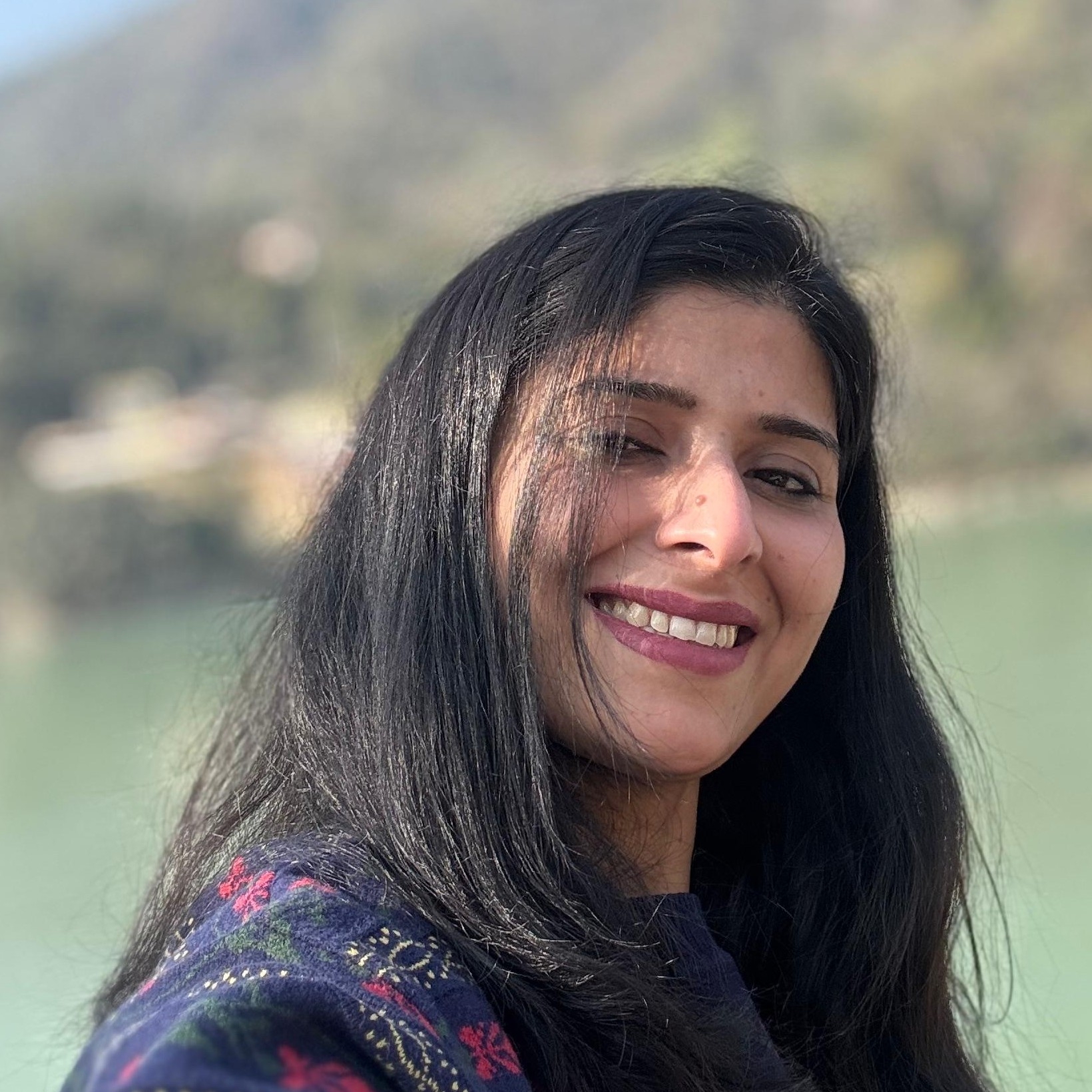 Priyanka Babuta
Priyanka is enthusiastic plant biologist, currently working as postdoctoral researcher at National Institute of plant Genome research, New Delhi, India. Her research resolves around free radical biology and nitric oxide signaling with the focus to decipher molecular insights into the S-nitrosylation and denitrosylation in plants. Beyond the lab research, she enjoys socializing with friends over coffee and traveling.
 Reed Arneson
Reed is a PhD, candidate at the College of Forest Resources and Environmental Science at Michigan Technological University. His research focuses on functional genetics in Populus plants to develop a greater understanding of tree stress response. He would like to apply the knowledge he has gained in both wet and dry lab procedures to develop crops more resilient to future challenges posed by climate change. X: @Reed_Arneson
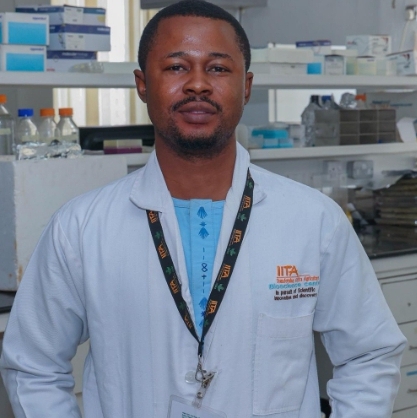 Fatai Ayomide Akande
Fatai is a research assistant in the Maize Genomics team at the International Institute of Tropical Agriculture Headquarters in Nigeria, specializing in advancing crop resilience to biotic and abiotic stresses through molecular breeding, genomics, and bioinformatics. His research focuses on understanding and improving Striga resistance and drought adaptation in maize using gene expression studies, marker discovery, and validation. Fatai is passionate about applying integrative approaches to sustainable crop improvement.