
Plantae Presents: How to Build a Productive Lab
Plantae Presents: How to Build a Productive Lab
Featuring Yuchen Long and Carl Ng
When: Wednesday, November 26, 2025, at
4:30 AM PST | 7:30 PM EST | 12:30 PM GMT | 8:30 PM Beijing
About this Webinar
Many early-career researchers (ECRs) and new PIs receive little to no formal training in lab management, despite it being a critical part of their role. Through two focused talks, this webinar will explore strategies for boosting lab productivity by establishing a strong foundational setup for the lab, through efficient people management and publishing, and by increasing the lab’s publicity through networking and collaboration.
A well-organized lab with clear vision, roles, and systems allows researchers to focus more on science rather than administrative hurdles, directly boosting output and impact. And with clear planning, labs can avoid wasting resource materials, funding and time. The second talk is about boosting lab productivity through efficient people management and publishing: Poor people-management skills can lead to frustrated students and postdocs, conflicts within the lab and even people leaving the lab. Without intentional effort here, we cannot create an inclusive, supportive lab environment that helps retain diverse talent and promote healthier, more sustainable science. And the last speaker will address boosting lab productivity through publicity. Most early-career researchers often struggle with visibility and networking. If publishing strategies, grant writing, or collaborations are not managed well, the lab may struggle to gain visibility and funding in the future as well.
Overall, the two talks will provide practical insights into lab setup, people management and visibility,equipping ECRs and new PIs with the tools to build well-structured, supportive, and impactful research environments that sustain productivity and success in the long run.
Hosted by the 2025 Plantae Fellows.
SPEAKERS
Yuchen Long
Dr. Yuchen Long completed his PhD training in 2015 in the lab of Prof. Ben Scheres and Dr. Ikram Blilou at Utrecht University, the Netherlands, where he studied the transcriptional regulation of Arabidopsis root development. He conducted his postdoctoral research in the biomechanical regulation of Arabidopsis shoot development in the lab of Prof. Arezki Boudaoud at École Normale Supérieure de Lyon, France. In 2019, he acquired a fixed-term researcher position at INRAE, France. In 2020, he joined the National University of Singapore, Singapore, as an Assistant Professor. Dr. Long is interested in the regulatory roles of tissue mechanics and hydraulics in the development of various plant models, including Arabidopsis, moss, liverwort, and duckweed.
 Carl Ng
Dr. Ng completed his B.Sc. (Hons) in Botany, followed by a MSc. in Plant Physiology at the National University of Singapore. His PhD research, supervised by Profs. Alistair Hetherington and Martin McAinsh at Lancaster University in the UK, was on calcium signalling in stomatal guard cells, where he discovered sphingosine-1-phosphate in plants, and that it is calcium mobilising second messenger in the ABA signalling pathway in stomatal guard cells. This was followed by a Postdoctoral Fellowship with Prof. Sally Assman on the topic of RNA processing in ABA signalling in stomata at Pennsylvania State University, USA. He then moved to Ireland as a lecturer at the University College Dublin (Ireland’s largest public university). He is currently an Associate Professor in Plant Biology with his own independent research group. His research interests are broad, ranging from basic to applied plant sciences. His research revolves around (i) plant and crop abiotic stress responses, (ii) sustainable agriculture with a particular focus on nitrogen use efficiency, and (iii) plant secondary metabolism and metabolic engineering. In addition to research, he is actively involved in teaching (both undergraduates and postgraduates) and university administration. He was formerly an Associate Dean of Science, Head of Plant Biology, and Head of Cell and Molecular Biology. Currently, he is a member of the University Biosafety Committee and a member of the University Academic Appeals Panel and currently an Editor in the Physiology and Development Section of New Phytologist.
MODERATORS
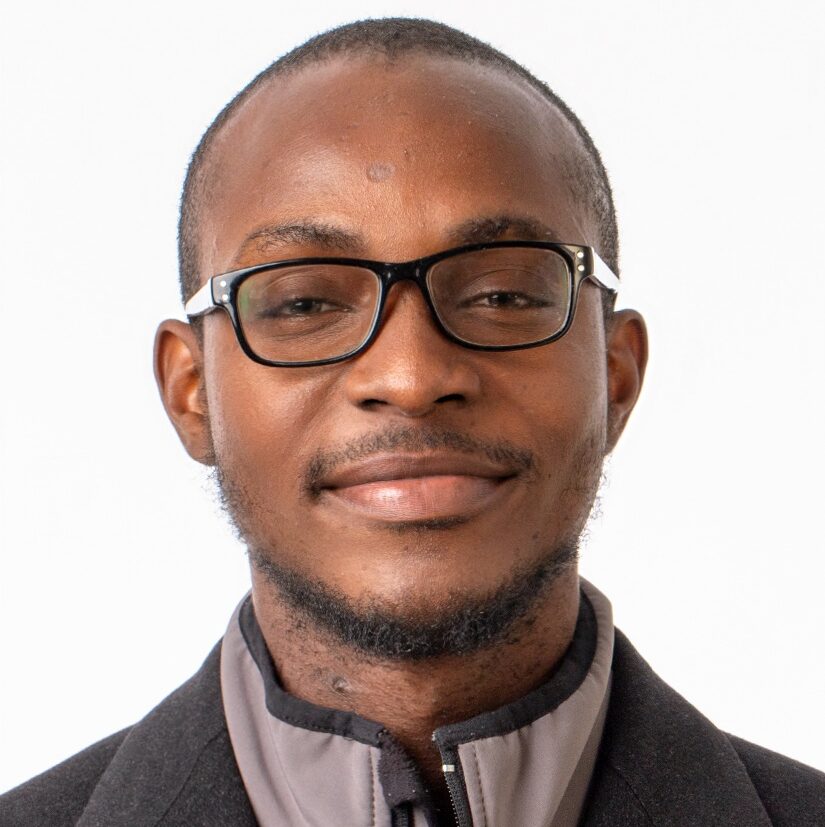 Abdulkabir Omeiza Abdulmalik
Abdulkabir is a PhD candidate at the Cluster of Excellence on Plant Sciences (CEPLAS), Heinrich Heine University Düsseldorf, where he researches molecular plant–microbe interactions and microbial ecology. His work focuses on exploring how artificial selection of plant-associated microbiomes can be used to modify plant traits. Beyond the lab, he enjoys science communication, engaging in science outreach, mentoring students, and playing soccer. He is passionate about lifelong learning, travelling, and helping the world grow greener. He currently serves as a Plantae Editor and can be reached on X: @Omeiza_PlantDoc.
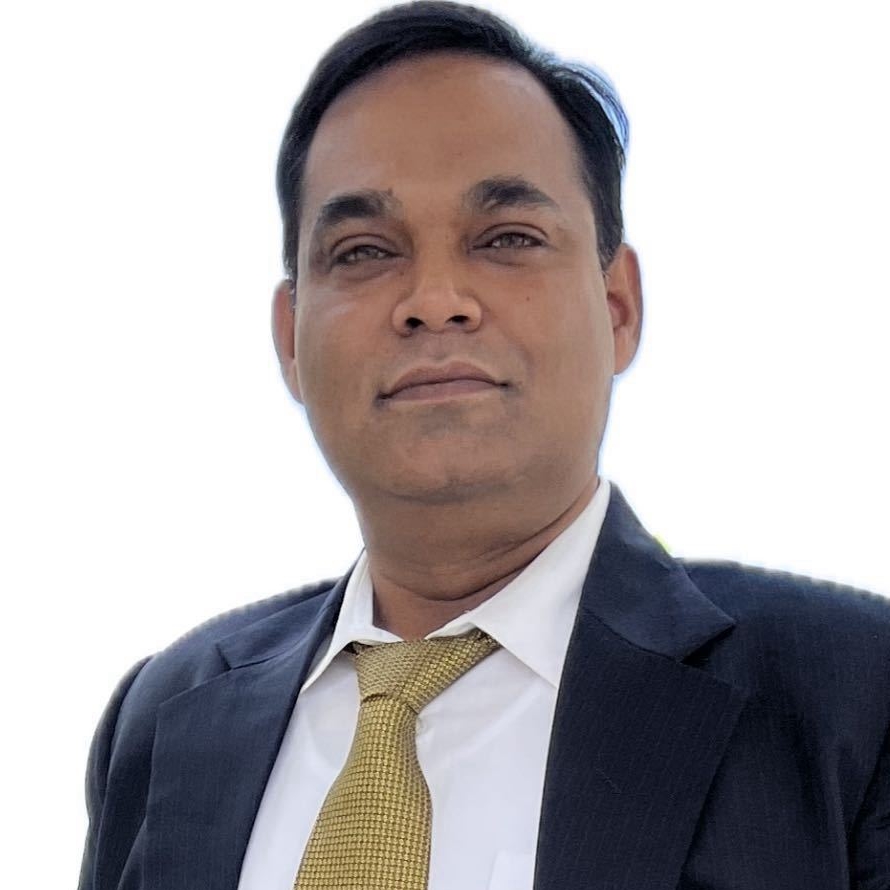
Mohammad Aslam
Mohammad is a research scientist at the Donald Danforth Plant Science Center, where he studies the genetic factors that shape seed traits in soybean. His work explores how genes influence seed development, composition and quality, with the goal of improving soybean crop. Beyond the lab, Aslam is passionate about scientific exchange and community building. X: @asbiotech1.
Ved Prakash
Ved is originally from Varanasi, India. He holds a Master’s degree in Applied Microbiology from Banaras Hindu University (BHU) and earned his Ph.D. in Life Sciences from Jawaharlal Nehru University (JNU), India. Ved’s research interests center around plant-virus-vector interactions, with a strong focus on understanding the molecular and ecological dynamics of virus transmission. Currently, he is a postdoctoral fellow at The Ohio State University, working with Dr. Jennifer Wilson and Dr. Erik Ohlson. His research explores the seed transmission of High Plains wheat mosaic virus (HPWMoV) and Wheat streak mosaic virus (WSMV), focusing on their localization within seeds and the impact of co-infection on maize development. Beyond the lab, Ved enjoys birdwatching and astrophotography, combining his passion for nature and science through the lens. X:@vedjiwan.

Rini Rahiman
Rini is a postdoctoral research fellow in the Department of Biological Sciences at the National University of Singapore (NUS), where she studies how environmental factors like light and temperature influence stomatal development in the leafy vegetable Kailan (Brassica oleracea var alboglabra), which is of economic significance in Singapore. Originally from India, she holds a BS-MS int. dual degree in life sciences from IISER Bhopal (India) and a PhD degree in Biological Sciences from NUS Singapore. Beyond research, she actively enjoys teaching & mentoring students, and is passionate about plant science communication. X: @rini_rahiman.
