
Plantae Presents – Grants and Funding: Finding Outside Collaborators
Plantae Presents – Grants and Funding: Finding Outside Collaborators
Featuring Vinay Shukla and Paolo Maria Triozzi
When: Tuesday, July 28, 2026, at
6:00 AM PDT | 9:00 AM EDT | 2:00 PM BST | 9:00 PM Beijing
About this Webinar
Securing funding, such as a European Research Council (ERC) grant, is a major milestone for many plant scientists, but the process can be challenging. In this webinar, two leading plant scientists will share their experiences from different perspectives. They will discuss what makes a strong grant proposal, how to develop ambitious research ideas, the role of collaboration in building a successful research program, how to prepare for the interview, and common pitfalls to avoid. Whether you want to expand your network, identify new collaborators, or prepare for future funding opportunities, this session will offer practical advice and valuable insights for early-career researchers.
Hosted by the 2026 Plantae Fellows.
SPEAKERS
Vinay Shukla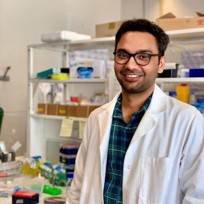
Dr. Vinay Shukla is a Group Leader and ERC Starting Grant holder at the School of Biosciences, University of Nottingham, where he leads the RO2T Respiration Group. He did his doctoral research at the Scuola Superiore Sant’Anna in Pisa, before undertaking postdoctoral training at the University of Geneva and subsequently the University of Oxford, where he also co-led a BBSRC-funded research program. He established his independent group at Nottingham in 2026. His research investigates how oxygen availability regulates root development and function, studying oxygen not merely as a metabolic substrate but as a regulatory signal that coordinates growth, tissue differentiation, and stress responses below ground.
Paolo Triozzi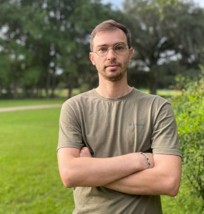
Dr. Paolo Triozzi is a Tenure Track Researcher at the Scuola Superiore Sant’Anna, where he investigates spatiotemporal oxygen dynamics and their role in plant development and circadian regulation. He obtained his PhD in Plant Biotechnology from the Universidad Politécnica de Madrid, focusing on environmental control of plant growth and development. His research combines molecular biology, in-vivo plant imaging, single-cell transcriptomics to understand how plants integrate environmental signals. His current work explores oxygen as a signaling cue in plant systems, with implications for crop adaptation and resilience.
MODERATORS
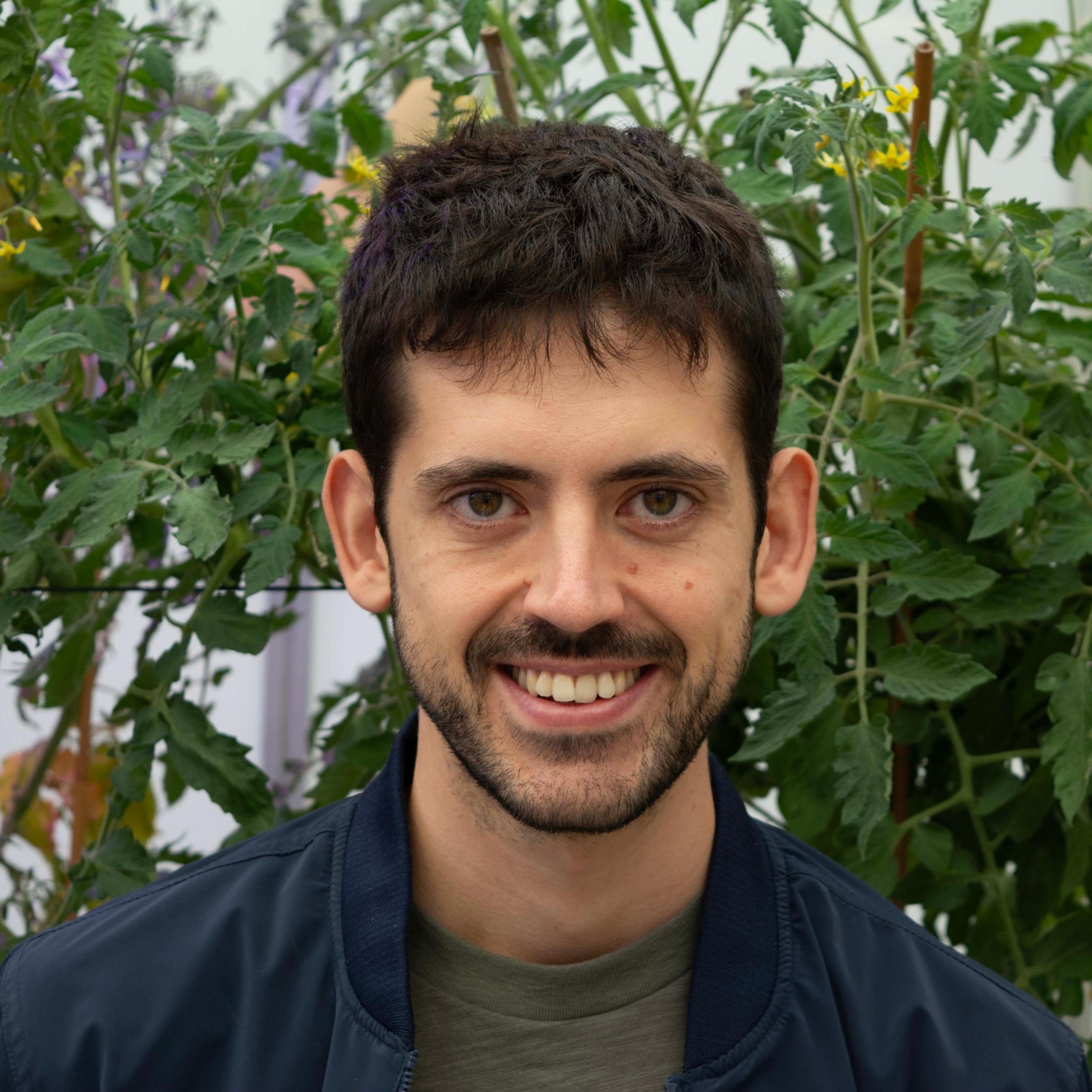 Adrián González Ortega-Villaizán
Adrián is a postdoctoral research fellow at the University of Nottingham (UK). His research explores plant–microbiome interactions, with a particular interest in how root-associated microbial communities influence plant development, stress resilience, and health. By combining molecular biology, genetics, genomics, and bioinformatics, he aims to uncover the mechanisms that govern beneficial plant–microbe interactions and translate this knowledge into more sustainable crop production.
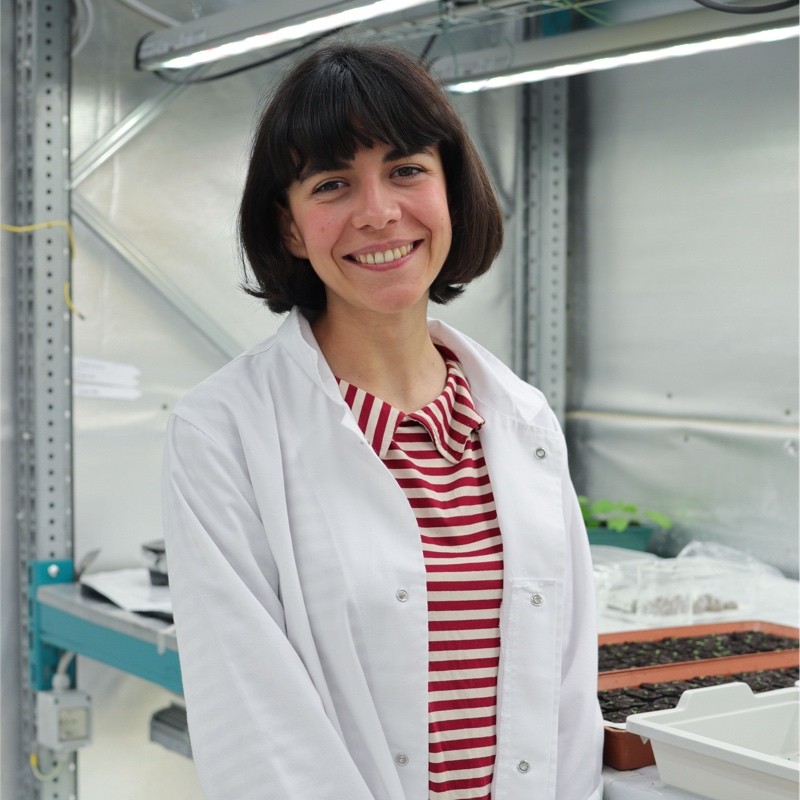 Emma Olmi
Emma is a PhD student at the Institute of Plant Sciences of Sant’Anna School of Advanced Studies, where she investigates the crosstalk between hypoxia and immunity. She obtained her degree in Molecular Biotechnology, with a thesis on the post-hypoxia reoxygenation phase. Her research combines DNA and RNA biology, gene expression analysis and molecular cloning to understand how plants adapt to dynamic oxygen levels and protect themselves against pathogen infection.
 Jahed Ahmed
Jahed is a postdoctoral researcher at École Polytechnique, France, where he studies plant cell wall mechanics using the model liverwort Marchantia polymorpha. He earned his PhD from UCLouvain, Belgium, investigating aquaporin-mediated transport in plant cells. As a Marie Skłodowska-Curie Actions (MSCA) Postdoctoral Fellow, he studied plant antiviral immunity, focusing on the roles of reactive oxygen species (ROS) and calcium signaling during virus infection. His current research combines molecular genetics, biomechanics, advanced imaging, and cell biology to understand how cell wall mechanics regulate plant growth, development, and environmental responses.
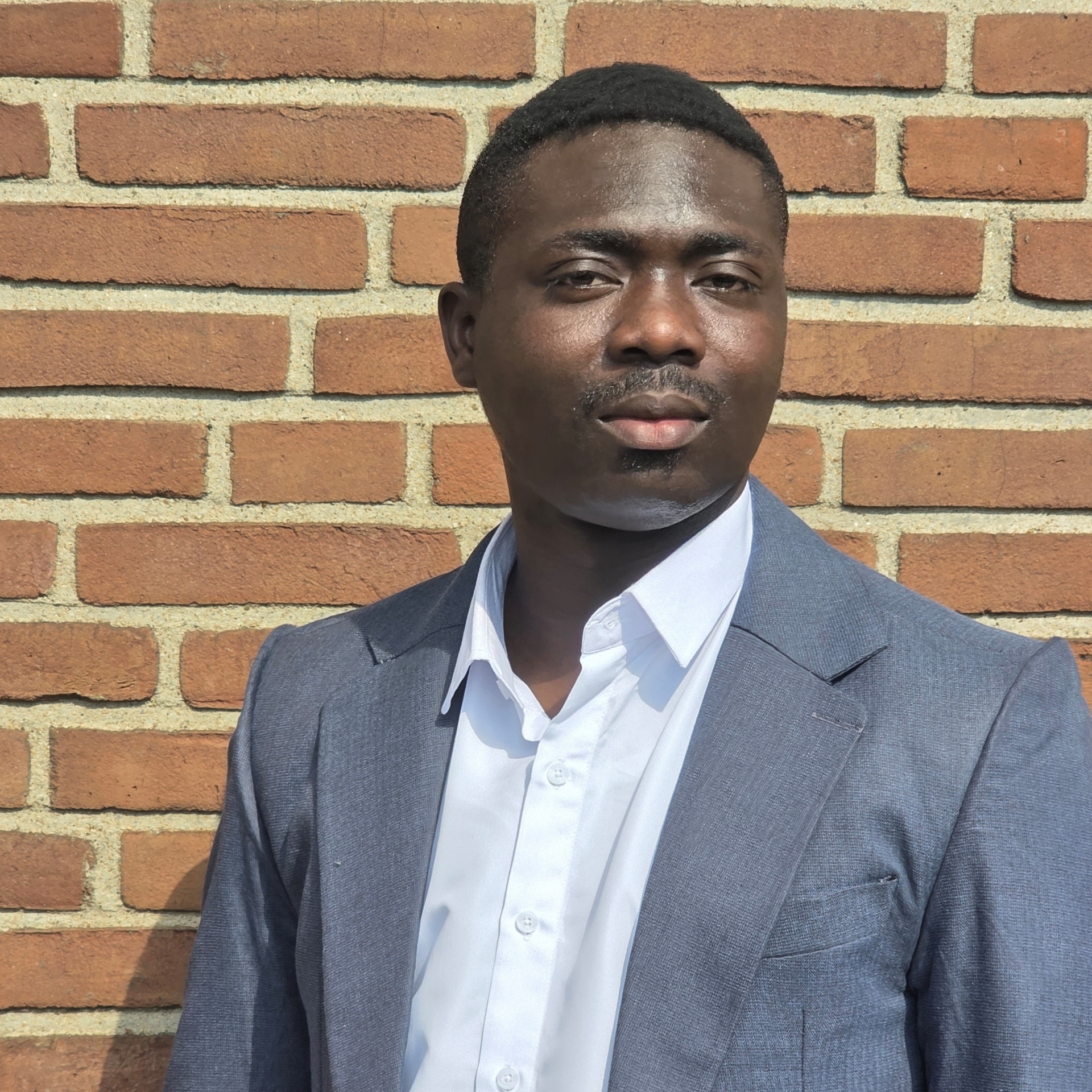 Nathaniel Oragbon
Nathaniel holds a bachelor’s degree from the University of Ibadan, Nigeria. He is currently a graduate student at Heinrich Heine University Düsseldorf, Germany, and a member of the Cluster of Excellence on Plant Sciences (CEPLAS) Graduate School, Germany. His previous research focused on plant–nematode and insect–nematode interactions. His doctoral research at CEPLAS aims to elucidate how ABA signaling, in the context of beneficial plant–microbe interactions, influences iron mobilization and nutrient acquisition in plants growing under alkaline, nutrient-deficient conditions. Nathaniel is passionate about science communication and actively seeks opportunities to further develop this skill. In his free time, he enjoys traveling, especially to explore and learn about marine life. He also enjoys both watching and playing soccer. X: @NathanIgwe.