

Review: How to analyse plant phenotypic plasticity in response to a changing climate
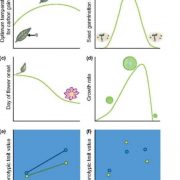
Plant Science Research WeeklyPhenotypic plasticity, or the ability to change in response to the environment, is one of the most characteristic (and to me, endearing) qualities of plants. As Arnold et al. observe, it is also one of the most important in terms of future climate change; phenotypic plasticity will mean the difference…
Opinion: How can we boost the impact of publications? Try better writing (PNAS)
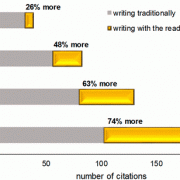
Plant Science Research WeeklyWriting is one of the most important of a scientist’s skills but often overlooked during their training. As Freeling et al. observe, good writing takes time, both to learn and to teach, so what’s the incentive? In this Opinion article, they make an effort to quantify the impact (measured by citation…
Origin and function of the root vascular cambium ($) (Nature)
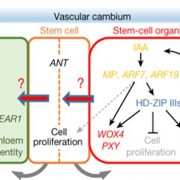
Plant Science Research WeeklyThe vascular cambium is a meristematic tissue that is responsible for lateral growth and the continued production of new xylem and phloem; in woody plants, the shoot vascular cambium makes wood. A new pair of papers investigates how the Arabidopsis root vascular cambium forms and how it functions. Through…
Quantitative analysis of auxin sensing in leaf primordia argues against proposed role in regulating leaf dorsoventrality (eLIFE)
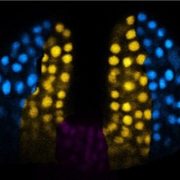
Plant Science Research WeeklyThis is an interesting paper that touches on several topics. Bhatia et al. address the question of how polarity in leaves is first established: essentially, which comes first, polarity in auxin concentration or polarity in gene expression? The authors conclude that in the earliest leaf primordia, there…
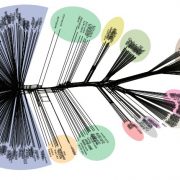
Sunflower pan-genome, evidence for hybridization-altered disease resistance ($)
Plant Science Research WeeklySunflower (Helianthus annuus L.) is an important oil-producing crop, which was domisticated in North America about 4000 years ago with elite varities being developed through the 19th and 20th centuries, narrowing its genetic variation. It retains the ability to hybridize with wild relatives, providing…

Characterizing both bacteria and fungi improves understanding of the Arabidopsis root microbiome (Sci Reports)
Plant Science Research WeeklyMicrobes that live in, on and near plants profoundly affect their growth and survival. Here, Bergelson et al. sequenced the bacterial and fungal microbiomes of Arabidopsis roots (previously they sequenced samples from leaves). The accessions are from all over the world but the sequenced samples are from…
What We're Reading: January 25th
WWR Full PostSpecial Issue: Genome to Phenome (Plant Journal)
It’s January, which seems to be a month of weather extremes for many “temperate” parts of the globe. Here’s an excellent collection to curl up with as you try to stay warm or cool and out of the elements. The issue includes free-to-access reviews…

HOS15 Co-regulates Photoperiodic Flowering with the Evening Complex via Transcriptional Repression of GIGANTEA
The Plant Cell, The Plant Cell: In BriefWhen animals are stressed by unfavorable environmental conditions, they will typically move to a more favorable location to reduce that stress. Unfortunately for plants, they are quite literally rooted to the ground and thus must manage the stress where they stand. In order to deal with adverse environmental…

Progress in the study of interaction between cotton and Verticillium dahliae
The Plant Cell, The Plant Cell: NewsPress release - translated from the original Article source: Microbiology Research Institute Published: 2019-01-23
Cotton Verticillium wilt is a soil-transmitted vascular bundle disease caused by Verticillium dahliae, which is the primary disease that restricts cotton production in China. It is…