

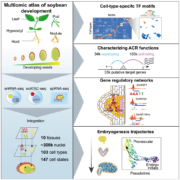
Spatially resolved, single-cell multi-omics atlas of soybean development
Plant Science Research WeeklyIn this exciting paper, Zhang, Luo, Marand et al. combined several powerful techniques to investigate the program underlying soybean seed development. They used RNA sequencing to profile gene expression from single nuclei (snRNA-seq). They also carried out single-cell sequencing of assays for transposase-accessible…
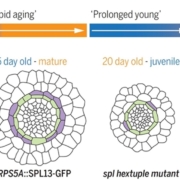
Key regulators of juvenile-to-adult phase change
Plant Science Research WeeklyThe precise control of cell division orientation drives plant 3D structure formation, enabling radial and longitudinal growth. The SPL pathway is closely linked to age-related processes in the shoot, driving the vegetative transition from juvenile to adult phases by regulating specific morphological…
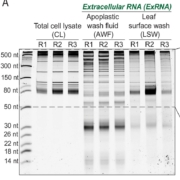
Abundant, unusual RNAs on the leaf surface
Plant Science Research WeeklyIt seems that there is no end to the surprises that RNA provides. To the old-school trio of mRNA, tRNA, and rRNA, the past 20 years have added miRNA, siRNA, tasiRNA and others, all with unique and specific roles in regulating gene activity. More recently, evidence has been accumulating that demonstrates…
Plant Science Research Weekly: January 10, 2025
WWR Full PostFocus Issue: Hypoxia and Plants
The January 2025 issue of Plant Physiology has a focus on “Hypoxia and Plants”. This field has made a lot of progress recently in understanding plant responses to low oxygen, from the molecular to physiological and developmental levels. The focus issue includes…
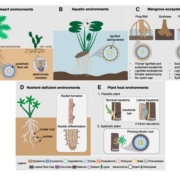
When form fits function: the value of root diversity to survival
Plant Science Research WeeklyFor a plant, form is function. Despite the diversity of forms that exist in nature, plant root diversity is notoriously understudied compared to their aerial counterpart. This review by Ramachandran and Ramirez et al. aims to revitalize the field of root form-function research by accentuating the vast…
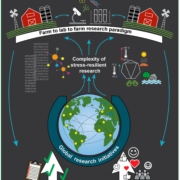
Opinion: Resilient plants for a sustainable future
Plant Science Research WeeklyAnthropogenic climate change has introduced tremendous uncertainty about the future of all life on Earth. As primary producers, threats to plants are transduced up the food chain to their consumers, including people, which is why there is a great need to develop resilient plants that are able to sustain…
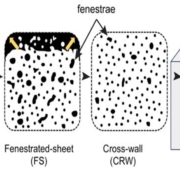
Formation of plasmodesmata bridges through ER-dependent incomplete cytokinesis
Plant Science Research WeeklyPlasmodesmata are important for intercellular communication in plants. They are formed through incomplete cytokinesis during which there is no “final cut” of the communication between daughter cells. Unlike animal cells that have a single bridge between cells, plants create several hundreds of plasmodesmata…
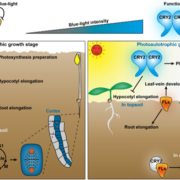
Plant eyes in the dark: How a blue-light photoreceptor senses and functions without light
Plant Science Research WeeklyLight is both a source of energy for photosynthesis and a key environmental signal that regulates plant growth. Seedlings grown in darkness exhibit elongated hypocotyls and shorter roots, while light promotes shorter hypocotyls and longer roots. Cryptochromes (CRYs), as blue-light receptors, mediate…
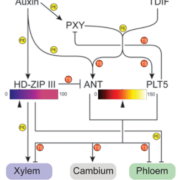
Cambium secrets for vascular stem cell precision and adaptability
Plant Science Research WeeklyThe vascular cambium, a bifacial stem cell niche, generates xylem on one side and phloem on the other, driving wood formation—the largest reservoir of terrestrial biomass. This developmental system must balance producing two distinct cell types while maintaining a reservoir of stem cells. Key questions…