Tracking protein modifications during salt-induced cell death
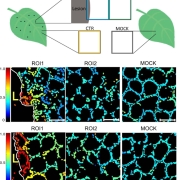
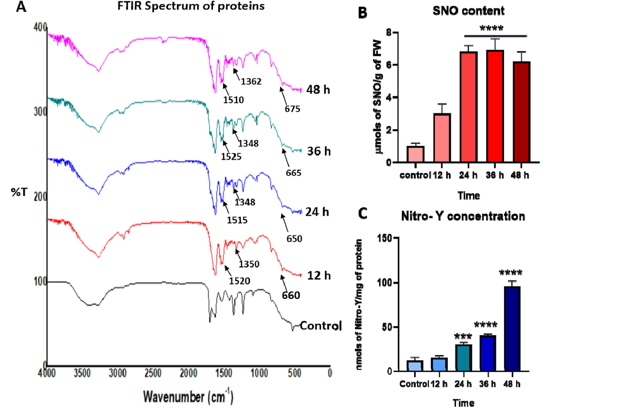 What happens to proteins as plant cells begin to die under salt stress? Ombale and colleagues explored this question in pea (Pisum sativum), focusing on two protein modifications, S-nitrosylation and tyrosine nitration, and how their patterns change during salt-induced programmed cell death (PCD). The researchers exposed pea plants to 150 mM NaCl and examined changes in cellular damage, oxidative stress, and photosynthesis over time. As salt exposure continued, reactive oxygen and nitrogen species accumulated, antioxidant defenses weakened, and cell death increased. Photosystem II was particularly vulnerable, showing a greater decline in activity than photosystem I. A striking observation was the difference in when the two protein modifications were detected. Proteomic analysis identified 40 candidate S-nitrosylated proteins across several time points, whereas 46 candidate tyrosine-nitrated proteins appeared only after 48 hours. Despite having no individual proteins in common, both groups included proteins involved in related cellular pathways, such as metabolism and signaling. Computational predictions also suggested differences in how accessible their potential modification sites were within protein structures. The study highlights how distinct patterns of protein modification accompany the progression of salt-induced cell death, raising new questions about their roles in plant stress responses. (Summary by Deborah Ighalo) J. Plant Physiol. 10.1016/j.jplph.2026.154916