


Peptide-driven changes in rice roots shift microbial metabolism and reduce methane emissions
Plant Science Research WeeklyWaterlogged paddy soils create anaerobic environments that support the growth of methanogenic archaea, contributing 7-17% of global methane (CH4) emissions. Prior work has shown that rice varieties with more extensive root aerenchyma can better oxygenate the surrounding soil, thereby reducing CH4 emissions.…
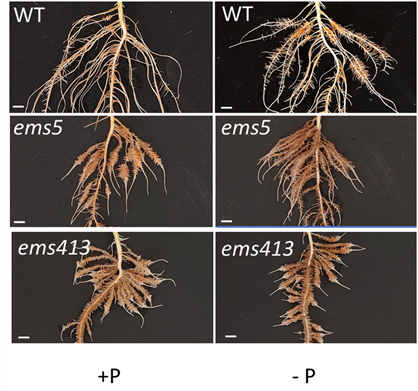
Bidirectional root-shoot signaling via CCR1 regulates cluster root and nodule development in legumes
Plant Science Research WeeklyLegume plants are renowned for their ability to form symbiotic relationships with nitrogen-fixing bacteria (rhizobia) in specialized root tissues called nodules. This symbiosis enables the conversion of atmospheric nitrogen into ammonia, a form of nitrogen that plants can readily use for growth. This…
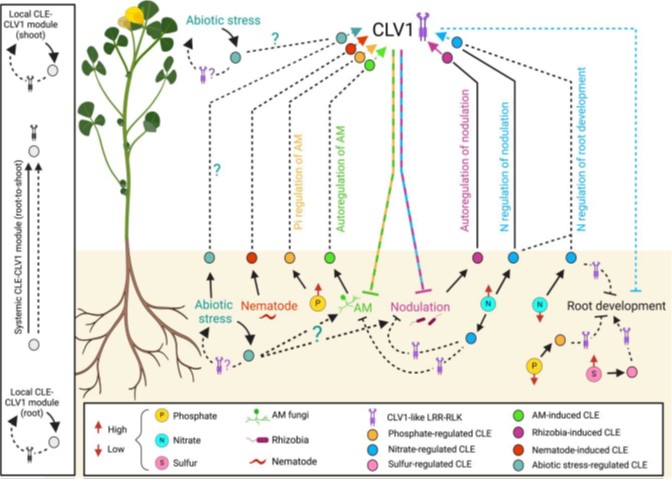
Review: CLAVATA signaling in plant-environment interactions
Plant Science Research WeeklyCLAVATA 3/EMBRYO SURROUNDING REGION-related (CLE) peptides and CLAVATA type receptors have been well charecterized for their role in root and shoot apical meristem maintenance in Arabidopsis. CLE peptides are also referred to as “peptide hormones” for their role in contolling physiological and developmental…