

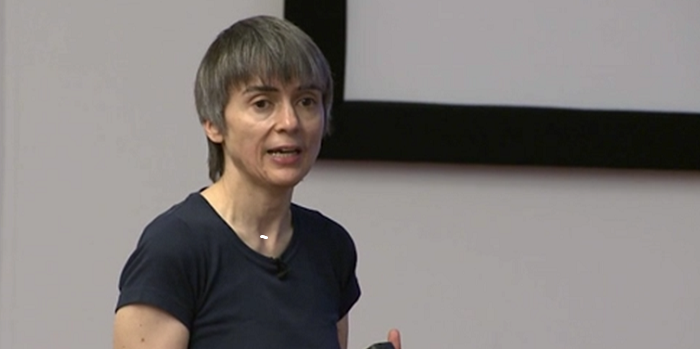
Ottoline Leyser. Thinking like a vegetable: How plants decide what to do
CSVL Research, Curated Webinars / Video Lectures, Webinars0 Comments
/
Filmed at Gatsby Summer School 2015
Professor Ottoline Leyser, Director of the Sainsbury Laboratory at the University of Cambridge, speaking at the Gatsby Plant Science Summer School 2015.
http://sms.cam.ac.uk/media/2115987

Regulation of tulip flowering by temperature ($)
Plant Science Research Weekly, ResearchCultivation of Tulipa gesneriana (tulip), an economically important species due to its ornamental value, can be affected by warming winters, leading to low quality flowers produced out of season. Leeggangers et al. have sequenced RNA and used top-down and bottom-up approaches in tulips grown in two contrasting…
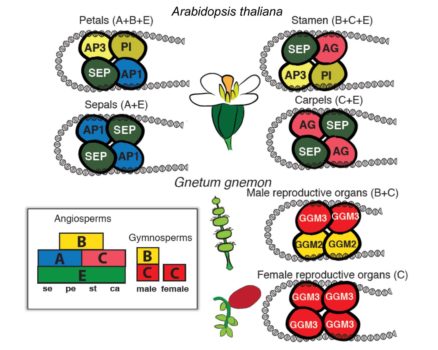
The origin of floral identity quartets
Plant Science Research Weekly, ResearchWhere do flowers come from? Their sudden appearance and rapid radiation was described as an “abominable mystery” by Charles Darwin. Ruelens et al. examine the genetic toolkit that underpins reproductive organ formation in gymnosperms to uncover the origins of flowers (which they pragmatically describe…
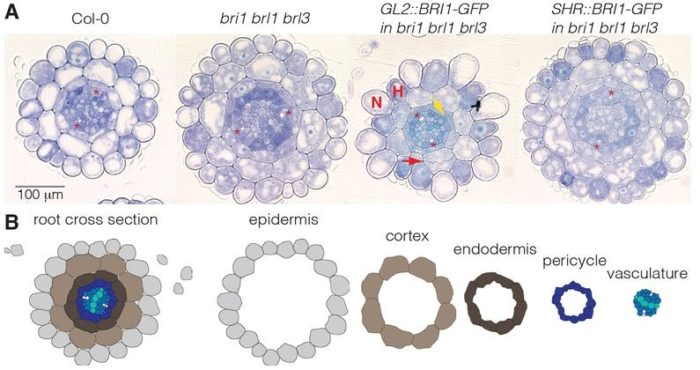
Brassinosteroid signaling directs formative cell divisions and protophloem differentiation in Arabidopsis root meristems
Plant Science Research Weekly, ResearchIt’s been 20 years since the identification of BRI1, the first brassinosteroid (BR) receptor. Although many components of the BR signaling pathways have been identified, details continue to be revealed. Kang et al. examined the phenotype of a triple mutant, bri1 brl1 brl3, that lacks all three functional…
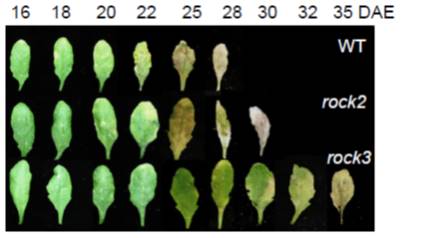
Gain-of-function variants of cytokinin receptors ($)
Plant Science Research Weekly, ResearchArabidopsis has three membrane-located, histidine-kinase cytokinin (CK) receptors (AHK2, 3, and 4). Loss-of-function mutants suggest that AHK2 and AHK3 function somewhat redundantly. To further explore the roles of these receptors, Bartrina and Jensen et al. isolated dominant gain-of-function mutants,…
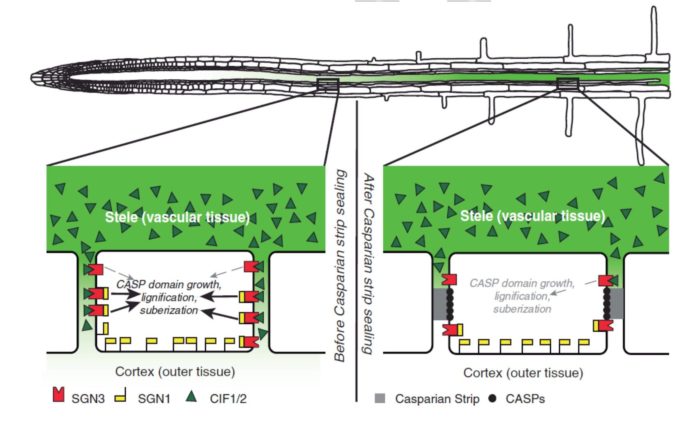
Peptide diffusion as a signal for Casparian strip diffusion barrier formation ($)
Plant Science Research Weekly, ResearchThe Casparian strip is a permeability barrier that seals the spaces between root endodermis cells and so prevents bulk-flow uptake of solutes. Previously, a leucine-rich repeat receptor kinase called SCHENGEN3 or GASSHO1 (GSO1/SGN3) was identified as necessary for normal Casparian strip formation. Now,…

Review: Dark signaling in plants ($)
Plant Science Research Weekly, ResearchPlants use light as a source of energy and information; however, they are also sensitive and respond to light/dark diurnal cycling, with many processes happening during the dark phase of the diurnal cycle. In this review, Seluzicki et al. emphasize the importance of studying and understanding what…
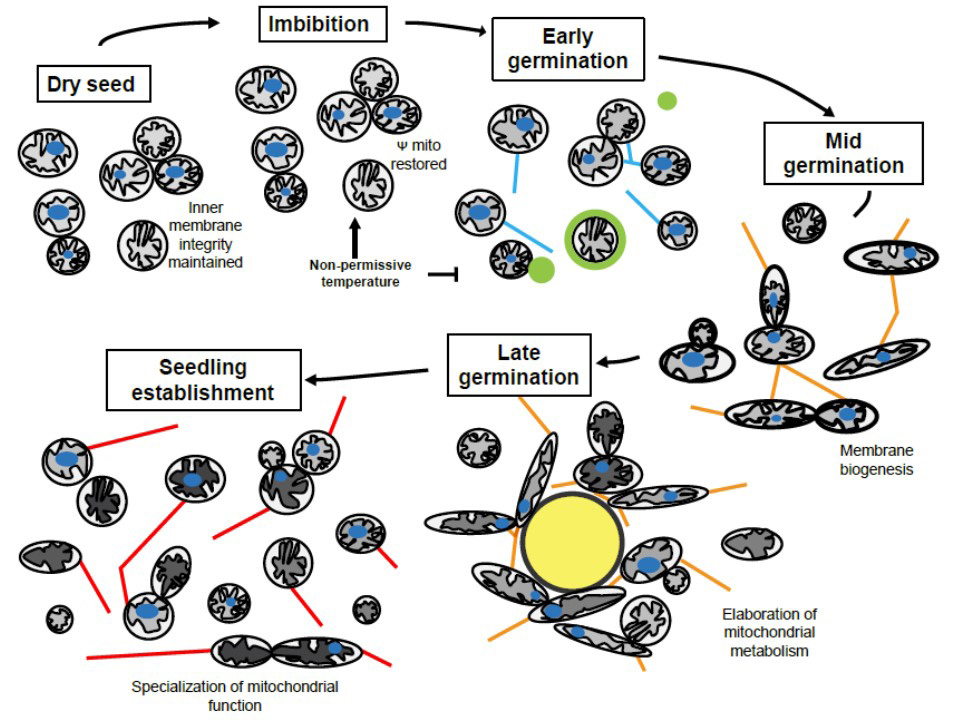
Mitochondrial dynamics during germination
Plant Science Research Weekly, ResearchA seed undergoes a dramatic transformation from dried tissues into a mature plant. This change requires energy produced by oxidative metabolism, but dry seeds contain dormant promitochondria that need to be reactivated. Paszkiewicz et al. use bioimaging tools for an in vivo analysis of seed mitochondria…
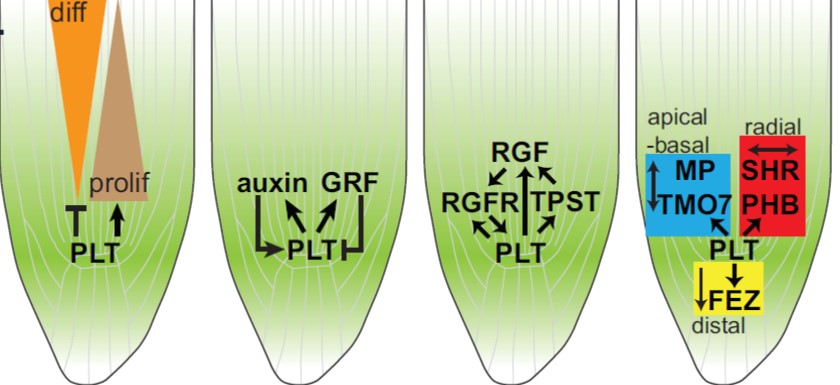
The PLETHORA Gene Regulatory Network Guides Growth and Cell Differentiation in Arabidopsis Roots
Plant Science Research Weekly, Research, The Plant CellDue to plant cells’ shared walls and immobility, cell division, differentiation and expansion must be tightly regulated across space and time. The six members of the PLETHORA (PLT) transcription factor family distribute in gradients through the root tip and are largely responsible for its developmental…