


Shaping the Plant Cell Wall: Molecular Characteristics of XOAT1 in Polysaccharide Acetylation
Research, The Plant Cell, The Plant Cell: In BriefPlant cell walls provide mechanical support to plant cells, determine their size and shape, and influence plant development and stress responses. The plant cell wall is composed mainly of polysaccharides, including cellulose, hemicellulose and pectins, with smaller amounts of phenolic polymers and proteins…
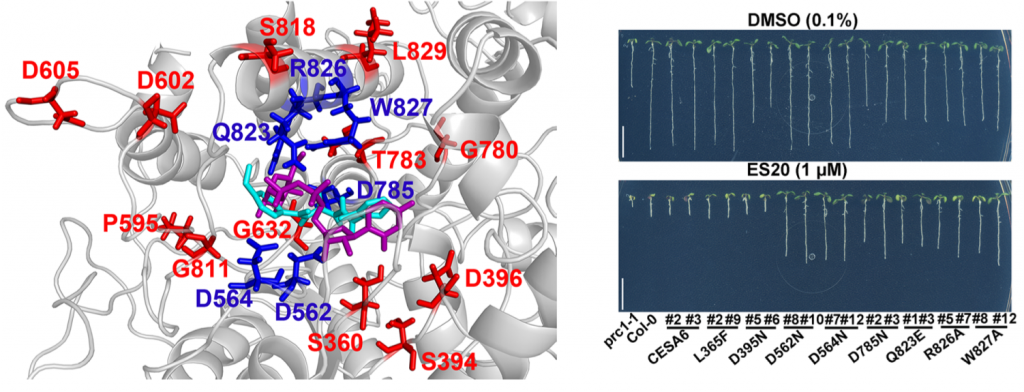
Endosidin20 targets the cellulose synthase catalytic domain to inhibit cellulose biosynthesis (Plant Cell)
Plant Science Research WeeklyCellulose is an indispensable component of plant cell wall formation. Cellulose is synthesized at the plasma membrane by a cellulose synthase complex (CSC) made up of at least 18 monomeric cellulose synthases (CESAs). In this study, Huang et al. used a chemical genetic approach to explore the structure…
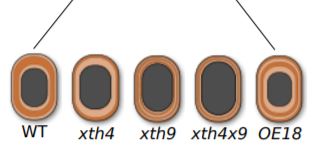
Cell Wall Remodeling During Wood Development
Plant Physiology, Plant Physiology: News and Views, ResearchMadeleine Seale
Department of Plant Sciences, University of Oxford, South Parks Road, Oxford, OX1 3RB, United Kingdom
maddy.seale@plants.ox.ac.uk
ORCID: 0000-0002-8924-3943
Wood formation occurs via radial proliferation of vascular cambium cells and the deposition of secondary cell wall layers…
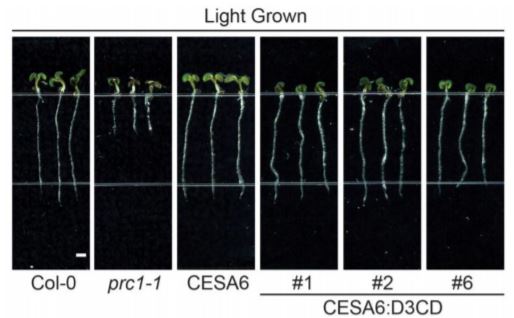
Another Brick in the Plant Cell Wall: Characterization of Arabidopsis CSLD3 Function in Cell Wall Synthesis
Research, The Plant Cell, The Plant Cell: In BriefPlant cell walls are one of the great engineering feats of nature, providing immense structural strength and durability. The core components of plant cell walls (pectin, hemicellulose, and cellulose) can occur in different proportions and vary in their structure and assembly, thus allowing cell walls…

Newly identified miRNAs may contribute to aerenchyma formation in sugarcane roots (Plant Direct)
Plant Science Research WeeklySugarcane is one of the major crops for sugar and ethanol production and has been successfully used for first generation ethanol production through sucrose fermentation, but second generation ethanol production, through cell wall depolymerization, is still limited. Aerenchyma formation in sugarcane root…
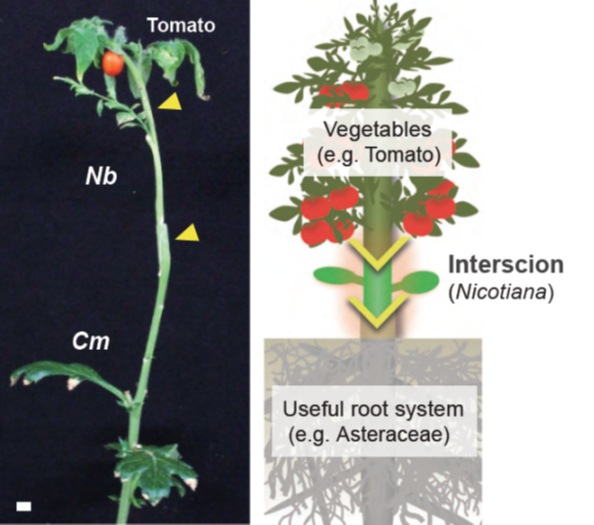
Unlocking interspecies grafting (bioRxiv)
Plant Science Research WeeklyPlant grafting is an agricultural technique that joins plant tissues (e.g., the shoot and root) to confer beneficial traits from one plant to another. Although interfamily grafting is difficult in general, Notaguchi et al. found that Nicotiana benthamiana (Nb) has a strong potential to graft with phylogenetically…
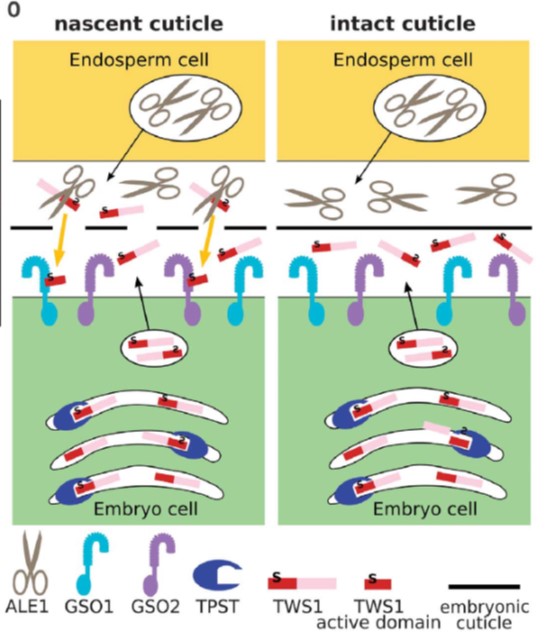
A two-way molecular dialogue between embryo and endosperm is required for seed development ($) (Science)
Plant Science Research WeeklyDuring seed formation, the developing embryo becomes covered with a water-impermeable cuticle. Several Arabidopsis mutants have been identified that are defective in cuticle formation and provide a framework for how it is formed. Doll et al. have added a missing piece to this puzzle. Briefly, embryo…
Genetic contribution of paleopolyploidy to adaptive evolution in angiosperms (Mol Plant)
Plant Science Research Weekly
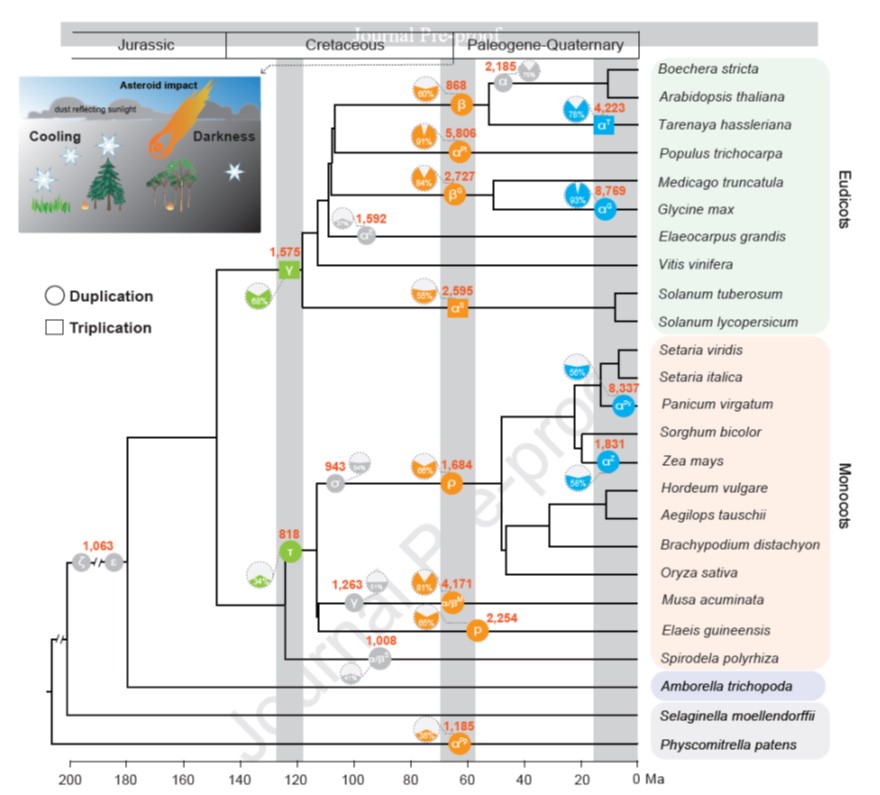
Genetic contribution of paleopolyploidy to adaptive evolution in angiosperms
Comparative genomics has revealed that the angiosperms have experienced numerous whole-genome duplications (WGD), which have been proposed to have contributed to their global dominance. Following WGD, many of the…
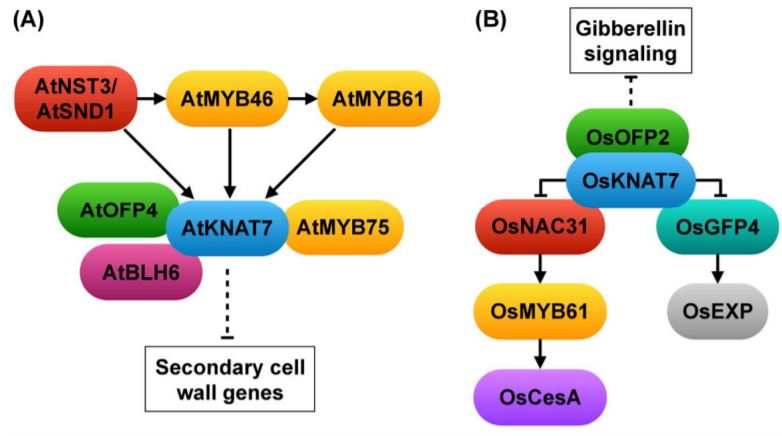
OsKNAT7 bridges secondary cell wall formation and cell growth regulation
Plant Physiology, Plant Physiology: News and Views, ResearchThe plant cell wall is a complex structure composed of cellulose embedded in a matrix of polysaccharides (hemicellulose and pectin), phenolic compounds and proteins. The primary cell wall is a thin layer formed in growing cells and is present ubiquitously, whereas the secondary cell wall is a rigid and…