

Plant Science Research Weekly: October 23, 2026
Review: Old genes for new purposes: how gene co-option reshapes plant diversity
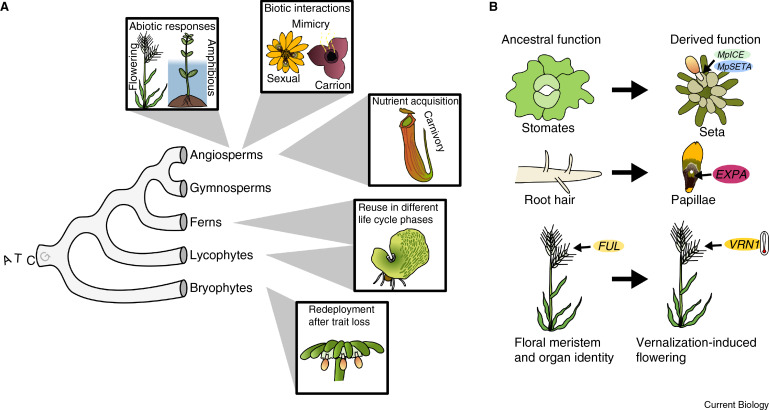 The diversity in plants’ adaptations and evolution is vast. One driver of this variety gaining traction in evolutionary studies is gene co-option, or “tinkering”, the ability to repurpose existing genes for new purposes. In a recent review by Di Stilio and Garcia, the authors bring together recent evidence from across land plants to show how the same genetic toolkit can be rewired to produce new traits. Examples of gene co-option range from carnivorous digestion and floral deception to carrion-mimicking scents, vernalization-responsive flowering, and even prickles. Gene duplication can release selective pressure on redundant gene copies, creating opportunities for evolutionary tinkering, but duplication alone cannot explain the functional changes. Duplicated genes must be repurposed through changes in regulation, interactions, or gene regulatory networks to gain new functions. A full understanding of co-option also requires knowledge of the ancestral function of a given gene. By comparing genes, traits, and their evolutionary history, we can see how old genetic material can be repeatedly rewired for new purposes. Overall, gene co-option provides one of the most parsimonious ways to generate phenotypic diversity and helps explain the innovations in phenotype seen throughout plant evolution. (Summary by Ale Lombardi @alepanda.bsky.social) Curr. Biol. 10.1016/j.cub.2026.03.085
The Spirogyra genome is out: What does it mean for plant evolution research?
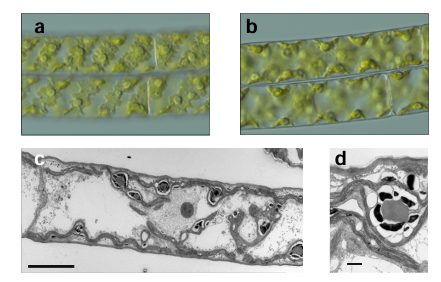 Spirogyra is not your typical bottom-of-the-lake green sludge. It is a freshwater green alga in the class Zygnematophyceae. This group is considered to contain the closest living relatives of land plants. Since the true ancestor of land plants is extinct, we look to this group for clues about how plants emerged from water onto land. This is exactly what a recent study by Goldbecker et al. set out to achieve. They performed whole-genome sequencing of Spirogyra pratensis. They found that, although it has a relatively small genome, it has a high gene density (221.2 genes/Mbp) and many gene duplication events. Using the mapped genes, the authors performed transcriptional tracing of the Spirogyra life cycle and found transcriptional differences between the vegetative and generative phases. In addition, they performed physiological tests using high-light stress, followed by global RNA-seq analysis, and found upregulation of stress-signaling modules and downregulation of the photosynthetic machinery. Most remarkable of all was the discovery of how its spiral chloroplasts divide. Spirogyra lacks most plastid division genes, including FtsZ, a protein of the inner division ring in plastids and bacteria. Instead, it appears to rely on dynamin proteins, of which it has eight homologs. That brings us back to why these findings matter for plant evolution research. Spirogyra represents a unique model for studying genome reduction and for understanding stress responses that predate plant terrestrialization. (Summary by Katarina Kurtović, katarinakurtovic.bsky.social) Plant Cell 10.1093/plcell/koag224
How plants evolved to integrate light and temperature
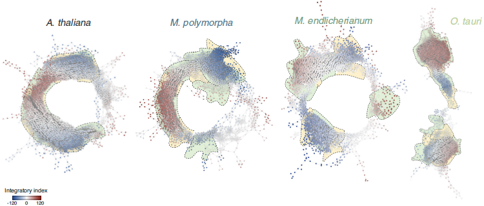 A recent study from Miguel Blázquez´s lab addressed the question of how plants integrate light and temperature information through a comparative analysis of four plant lineages, from algae to flowering plants. Catarino et al. compared Ostreococcus tauri (a chlorophyate alga), and three streptophytes, Mesotaenium endlicherianum (an alga), Marchantia polymorpha (a bryophyte), and Arabidopsis thaliana (an embryophyte). The authors combined phenotyping with transcriptomic analyses and found that light and temperature had a stronger combined effect on growth in streptophytes, while in O. tauri, their effects were mostly independent. These results suggest that the integration of environmental signals became more elaborate during streptophyte evolution. Using genetic analyses in M. polymorpha and A. thaliana, the researchers identified phytochromes (PHY) and the transcription factors PHYTOCHROME INTERACTING FACTOR (PIF) and ELONGATED HYPOCOTYL 5 (HY5) as conserved regulators of light‑temperature integration. However, the genes regulated downstream are substantially different between species. HY5 and PIF have similar DNA-binding preferences, but their binding sites are distributed differently across gene promoters. This suggests that changes in cis-regulatory elements can explain why plants from different lineages respond in a different way to light and temperature. In summary, this study shows how plants can keep some key regulatory components while developing different responses to the same environmental signals. Understanding how these regulatory networks have changed during evolution could help us better understand how plants adapt to their environment. (Summary by Adrian Gonzalez Ortega‑Villaizan @adrigov98 @adrigov.bsky.social). Proc. Natl. Acad. Sci. USA 10.1073/pnas.2601574123
Unlocking stored iron: The role of ANAC017 in plant iron homeostasis
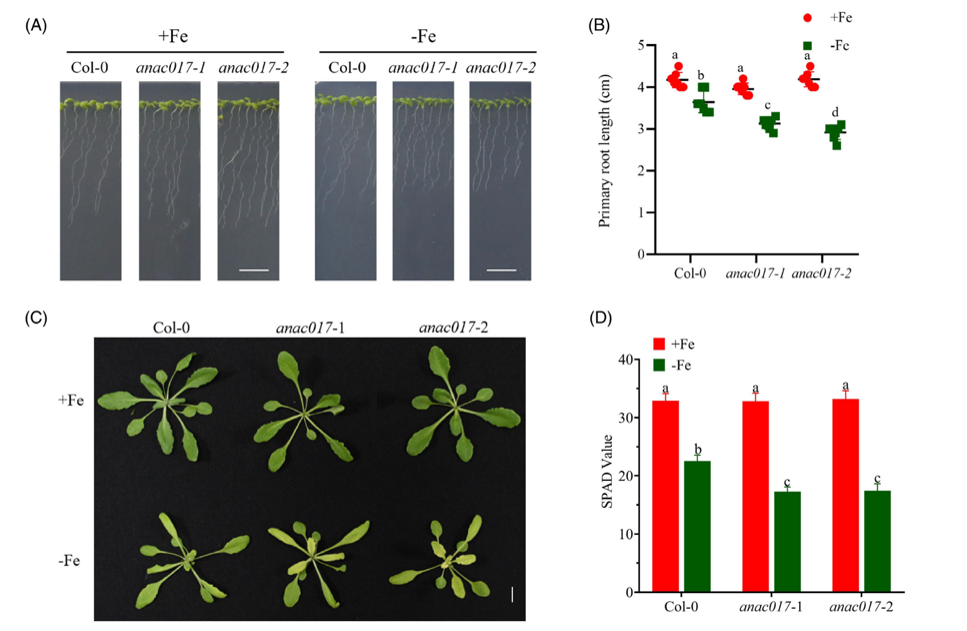 Iron is essential for plant growth and development, but its availability in soil is often limited. Besides absorbing iron from the soil, plants can also reuse iron stored in their cell walls, although the mechanisms regulating this process remain unclear. In a recent study, Chunyan Tu and colleagues investigated how the transcription factor ANAC017 regulates iron homeostasis in Arabidopsis thaliana. They found that ANAC017 expression increased rapidly under iron-deficient conditions. Plants lacking functional ANAC017 exhibited shorter roots, severe leaf chlorosis, and reduced iron accumulation, whereas plants overexpressing ANAC017 showed improved tolerance. Interestingly, the mutants retained more iron in their root cell walls, particularly in hemicellulose, despite having lower overall iron concentrations. This suggests that ANAC017 helps mobilize stored iron for reuse during deficiency. Further experiments revealed that bHLH121/URI directly binds to the ANAC017 promoter and activates its expression. ANAC017, in turn, regulates MAT1/SAM1, which encodes an enzyme involved in producing S-adenosylmethionine, a precursor for ethylene and nicotianamine biosynthesis. Overexpressing MAT1/SAM1 in the mutants improved root growth, reduced chlorosis, and increased iron accumulation. These findings identify a regulatory pathway that supports iron homeostasis and highlights the importance of internal iron redistribution during deficiency. (Summary by Deborah Ighalo) Plant J. 10.1111/tpj.71157
AHL15 helps leaves stay greener for longer
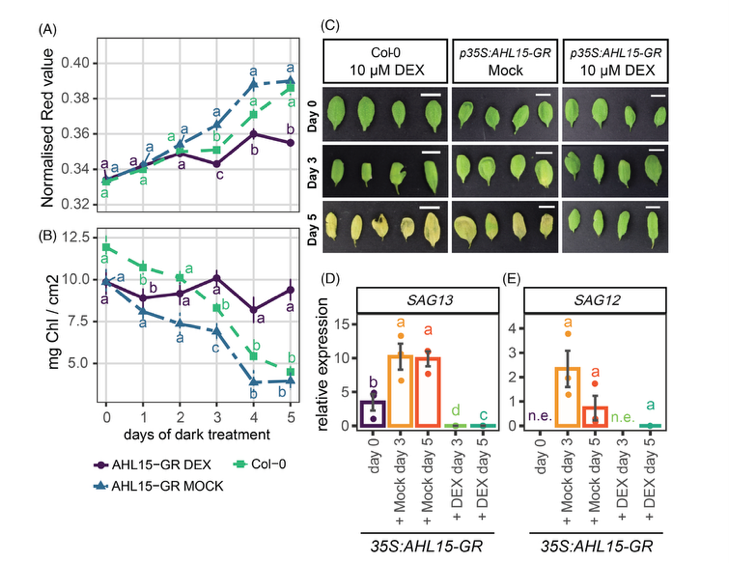 As leaves age, they gradually lose chlorophyll and begin to turn yellow, a process known as leaf senescence. Although this process helps plants recycle nutrients, delaying it can be beneficial for crops where leaf quality matters. Luden and colleagues investigated how the transcription factor AHL15 influences leaf senescence in Arabidopsis thaliana. The researchers found that plants overexpressing AHL15 retained more chlorophyll and showed delayed senescence under both dark-induced and age-dependent conditions. In contrast, plants lacking AHL15 showed slightly earlier senescence. To understand why, they examined genes involved in leaf aging and cytokinin metabolism. They found that AHL15 represses ORE1, a key regulator of senescence, as well as CKX2, CKX3, and CKX5, which encode enzymes responsible for cytokinin degradation. Further experiments showed that activating AHL15 slowed the decline in cytokinin levels during senescence, particularly trans-zeatin and trans-zeatin riboside. Treating leaves with cytokinin or blocking its degradation also delayed senescence. This suggests that AHL15 helps leaves stay green by limiting cytokinin breakdown while suppressing genes that promote aging. The study provides a better understanding of how leaf senescence is regulated and suggests that AHL15 and related proteins could be useful for improving the shelf life of leafy vegetables and ornamental plants. (Summary by Deborah Ighalo) Plant J. 10.1111/tpj.71177
The clock may be ticking, but is it setting the rhythm?
The root system architecture of dicot plants relies on lateral root spacing. Lateral roots are primed via auxin maxima in the main root that mark prebranch sites where lateral roots may later develop. A big debate in plant science is what drives this periodic auxin signaling that primes lateral rooting. Three explanations have been proposed: a cell-autonomous root clock, periodic cell death in the root cap, and a tissue-level reflux-and-growth mechanism. Kirsten ten Tusscher used a modeling approach to analyze these theories. Oscillations often involve negative feedback loops. In the auxin-AUX/IAA-ARF negative feedback loop, auxin promotes the degradation of AUX/IAA proteins, releasing ARFs from repression so they can activate auxin-responsive genes (encoding AUX/IAA proteins), and the newly produced AUX/IAAs repress ARFs again. This loop can generate cellular oscillations, which are abolished by PIN-mediated auxin export in the model. However, such oscillations could drive periodic prebranch site formation if localized in the meristematic zone, which has not been shown so far in planta. Oscillations localized in the elongation zone cannot, in the model, generate periodic prebranch-site formation because cells do not retain oscillator-phase information as they move through the zone. What then drives lateral root priming? In conclusion, more research is needed to settle this debate, and we are eager to see the upcoming results of the labs working on this topic! (Summary by Sophie Zoe Farkas @sophiezoe.bsky.social) Plant Cell 10.1093/plcell/koag213
When timing shapes root architecture
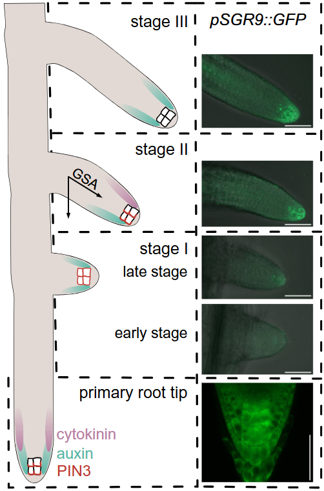 How does a plant determine the angle at which a new lateral root should grow? A recent study by Farkas et al. reveals that the answer may depend not only on how plants perceive gravity, but when they perceive it. Lateral roots initially emerge almost perpendicular to the primary root before developing a characteristic gravitropic set‑point angle (GSA), which influences how roots explore the soil for water and nutrients. The authors found that the protein SHOOT GRAVITROPISM 9 (SGR9) plays a key role during this developmental transition. Stage-specific transcriptomics revealed that SGR9 expression increases as lateral roots become gravitropically competent. Using live imaging, the researchers showed that loss of SGR9 delays amyloplast (starch granule) sedimentation in gravity-sensing columella cells. This delay reduces the polarization of the auxin transporter PIN3, resulting in weaker and less synchronized auxin redistribution. Interestingly, this does not simply slow bending, and sgr9 mutants establish a different initial GSA, while retaining the ability to respond to gravity later in development. These findings uncover a fascinating principle that timing can be as important as the signal itself. (Summary by Adrian Gonzalez Ortega‑Villaizan @adrigov98 @adrigov.bsky.social) Proc. Natl. Acad. Sci. USA 10.1073/pnas.2536276123
A sister protein of the KAR/KL receptor can negatively regulate karrikin signaling in Arabidopsis
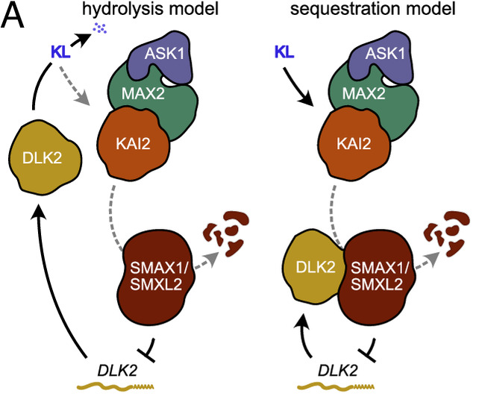 Karrikins (KARs) are a class of molecules that are hypothesized to mimic an undiscovered plant hormone KL (KAI2 Ligand). The signaling cascade triggered by KAR/KL is initiated by the α/β-hydrolase, KAI2, and can regulate several traits like germination, stress tolerance, and others. KAI2 is related to the DWARF14 (D14) receptor involved in strigolactone signaling. KAI2 and D14 have an ancient paralog D14-LIKE2 (DLK2), whose function was unknown. Li et al. found an important negative regulatory function of DLK2 in KAR/KL signaling. Using knockout approaches, the authors found that DLK2 can promote hypocotyl elongation upstream of KAI2. Analogous to another KAR/KL regulator (KUF1), the DLK2 knockout also synthetically enhances KAR/KL signaling. Transient expression of DLK2 and fluorometric assays help identify accumulation of proteins which are degraded upon KAR/KL signaling, thereby demonstrating its regulatory activity. The authors also demonstrated that DLK2 from different plant species demonstrates a similar negative feedback activity. This study provides two models for how DLK2 may regulate KR/KL signaling and provides novel insights and clues towards identifying the unknown plant hormone KL. (Summary by Atharv Ambekar) Proc. Natl. Acad. Sci. USA 10.1073/pnas.2525145123
Florigen controls its own production to fine-tune flowering
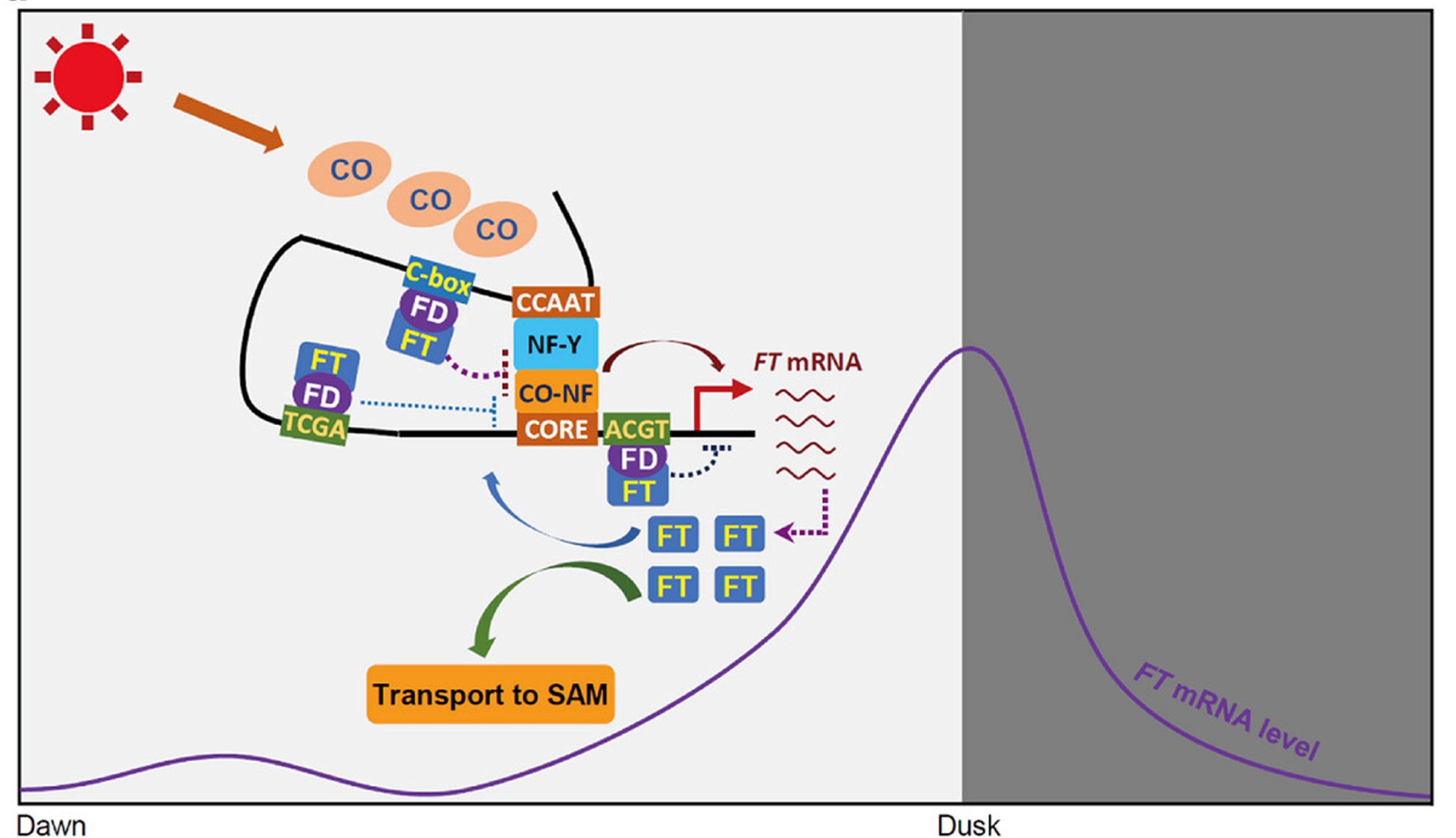 Flowering at the right time is essential for plants to balance vegetative growth and reproduction. In Arabidopsis, long days induce CONSTANS (CO) to activate the transcription of FLOWERING LOCUS T (FT) in leaves. FT protein then moves to the shoot apex, where it associates with a bZIP transcription factor FD to promote flowering. How does the plant prevent excessive FT production? Tian et al. discovered that FT is part of a negative-feedback loop that limits its own expression. Using qRT-PCR and GFP labeling, the authors detected FD expression in phloem companion cells of rosette leaves where FT is also produced. Increasing FD levels reduced FT expression and delayed flowering, suggesting that FD limits FT production in leaves. ChIP-qPCR showed that FT and FD are enriched at overlapping regions of the FT promoter. Importantly, FT enrichment was greatly reduced in the fd mutant, while FD enrichment was reduced in the ft mutant, suggesting that each protein promotes efficient association of the other with the FT promoter. The authors then showed that the FT–FD module inhibits CO-induced promoter looping, providing a mechanism for reducing CO-mediated activation of FT. Thus, FT feeds back through FD to limit its own expression and prevent excessive accumulation. In soybean, the FT-like protein GmFT4 also negatively regulates its own expression and that of the flowering-promoting genes GmFT2a and GmFT5a. This study shows that the FT–FD module not only promotes flowering at the shoot apex but also restricts FT production in leaves, helping plants fine-tune flowering time and avoid premature flowering. (Summary by Gourav Arora @gourav_arora_g) Advanced Science 10.1002/advs.202522307
No need for shuffling: Sexual reproduction without crossovers results in clonal reproduction
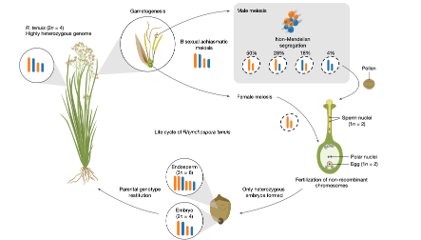 Meiosis, the process of generating gametes in sexually reproducing organisms, typically includes the shuffling of genetic information between homologous chromosomes from each parent. This process leads to the exchange of DNA between these chromosomes, ultimately contributing to greater genetic diversity for the offspring. In the quill beak-sedge Rhynchospora tenuis, which is native to tropical America, sexual reproduction occurs without crossovers and leads to clonal reproduction. Combining chromosome-scale pangenomics, molecular cytogenetics, immunohistochemistry and single-gamete sequencing, a team of researchers investigated the unique reproduction of this species. The absence of chiasmata (crossovers) appears to be present in the formation of both male and female gametes. In male gamete formation, meiosis appears to happen normally, with core meiotic machinery expressed as usual. However, a key crossover gene SHOC1 is transcriptionally silenced due to epigenetic repression. Interestingly, only one of four resultant meiotic products in male games matures into functional pollen, leading to male meiotic drive where larger, transposable-element rich chromosomes are favoured. The researchers assessed whether this behaviour could be caused by apomixis, where seed formation happens without fertilization or meiosis. They found that in R. tenuis, seed formation requires fertilization, and strong post-fertilization selection supports the survival of only heterozygous zygotes, ultimately leading to clonal-like inheritance. This research opens an interesting question on whether this type of reproduction could be an intermediate stage in a transition to obligate asexuality. (Summary by Anastasia Kolesnikova https://www.linkedin.com/in/n-ksci/) Nature 10.1038/s41586-026-11057-7
Autophagy “eats” paternal mitochondria in rice
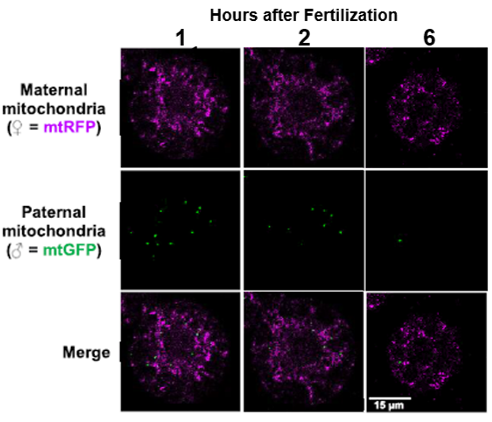 In plants, maternal inheritance of mitochondria is a common phenomenon, resulting from the elimination of paternal mitochondrial DNA during pollen development or by the degradation of paternal mitochondria after fertilization. A recent study by Aini et al. provides new insights into the fate of paternal mitochondria in rice. Visualization of mitochondria (with and without detectable nucleoids, DNA condensates) in sperm cells suggested that mitochondrial DNA degradation may begin during microgametogenesis. The authors fertilized egg cells expressing mtRFP in vitro with sperm cells expressing mtGFP. Strikingly, paternal mitochondria progressively declined after fertilization, with only a small number detectable after 6 hours, whereas maternal mitochondria abundance remained unchanged. To elucidate the selective degradation pathway, the authors treated rice zygotes with inhibitors targeting cysteine proteinases, the proteasome, and autophagy. Cysteine proteinase and proteasome inhibitors showed no effects on the stability of paternal mitochondria. In contrast, an autophagy inhibitor stabilized paternal mitochondria in developing zygotes. Autophagic bodies were observed in zygotes, with mitochondria engulfed within a possible autophagosome. This study provides direct evidence that autophagy selectively and rapidly eliminates paternal mitochondria after fertilization in plants. (Summary by Priyanka Babuta) Plant Physiology 10.1093/plphys/kiag609
How salicylic acid switches plant defence genes on and off
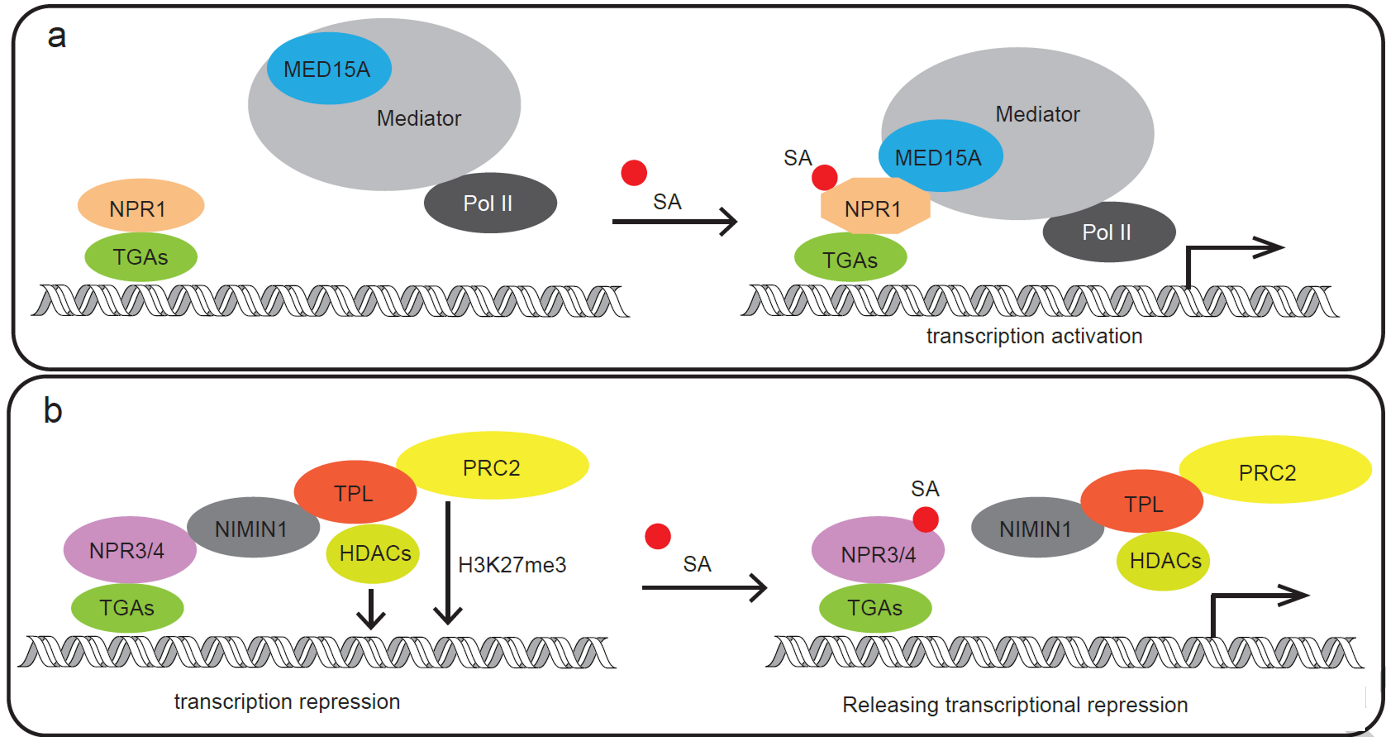 Salicylic acid (SA) is a plant hormone that plays a central role in defence against pathogens. In Arabidopsis thaliana, SA is perceived by NPR1, NPR3 and NPR4, but how these receptors regulate defence gene expression has remained unclear. Peng et al. show how SA promotes transcriptional activation through NPR1 while relieving repression mediated by NPR3 and NPR4. Using protein-interaction and structural analyses, the authors identified Mediator Complex Subunit 15A (MED15A) as an NPR1 partner. SA promotes their interaction through the KIX domain of MED15A, linking NPR1 to the Mediator complex and supporting defence gene activation. The authors also found that the regulatory protein NIMIN1 connects NPR3/NPR4 to the transcriptional co-repressor TOPLESS and Polycomb Repressive Complex 2. This pathway promotes the repressive histone modification H3K27me3 at SA-responsive genes. Using ChIP-qPCR, the authors examined changes in H3K27me3 and histone acetylation at these genes. SA disrupts the NPR3/NPR4–NIMIN1 interaction, decreasing H3K27me3 and increasing histone acetylation. These changes help relieve transcriptional repression and promote defence gene expression. Together, the findings explain how SA coordinates transcriptional activation and repression through distinct receptor pathways. Understanding these mechanisms could help researchers develop strategies to improve crop disease resistance by manipulating SA signalling while limiting the growth costs associated with prolonged defence activation. (Summary by Gourav Arora @gourav_arora_g) Nature 10.1038/s41586-026-11123-0
Do roots rely on damage signaling for effector-triggered immunity?
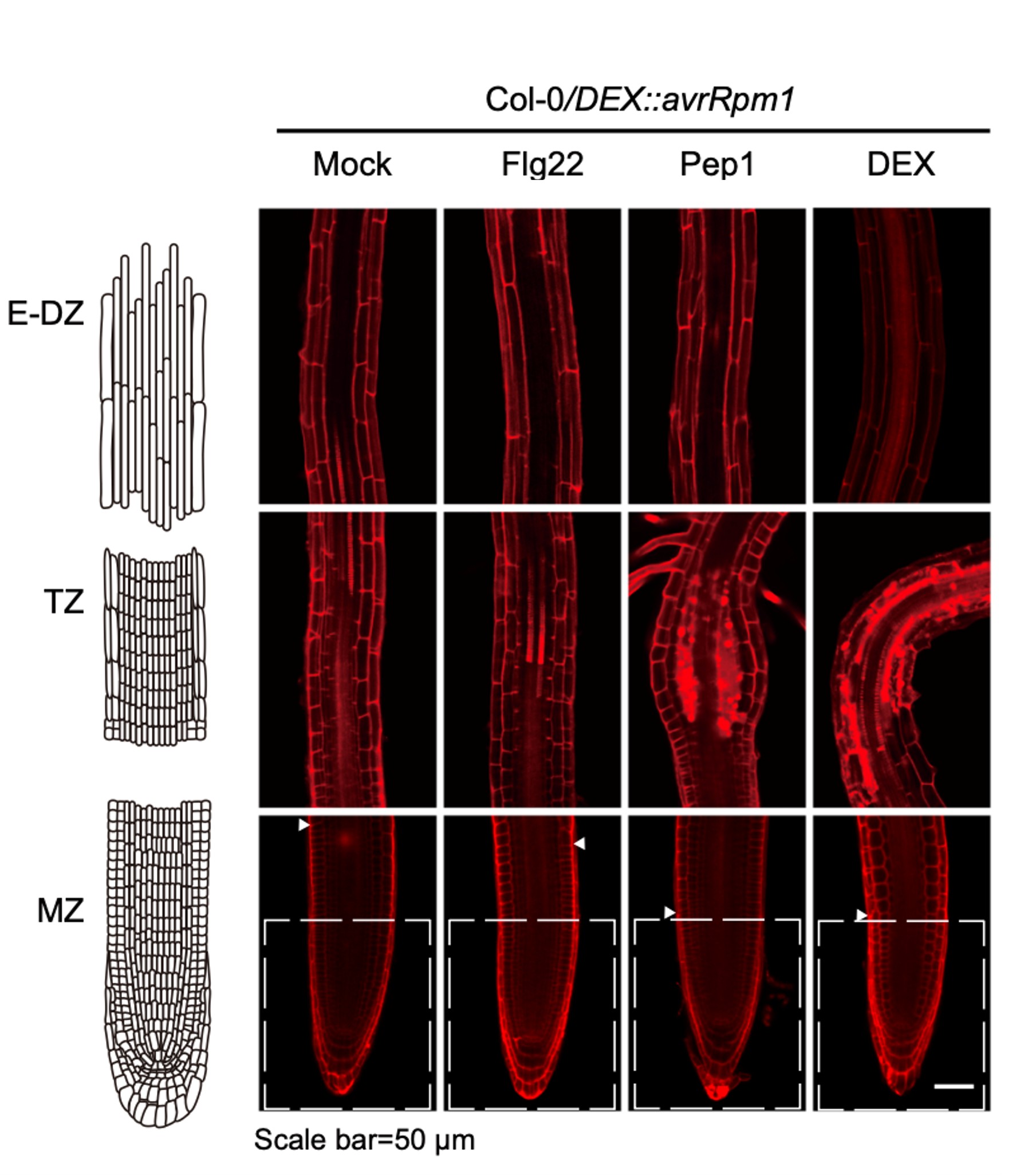
Plant immunity has two well-studied layers: pattern-triggered immunity (PTI), activated when plasma membrane-localized receptors recognize microbe-associated molecular patterns (MAMPs), and effector-triggered immunity (ETI), mediated by intracellular nucleotide-binding leucine-rich repeat (NLR) receptors that detect pathogen effectors. Both layers have been studied extensively in leaves, but roots, which are constantly exposed to complex soil microbiota, remain far less explored, particularly for ETI. Tang and colleagues used inducible effector-expressing lines to characterize root ETI and test its relationship to PTI components and the root microbiome. Compared to shoots, ETI activation triggered a weaker response in roots as evidenced by fewer differentially expressed genes (DEGs) and cell death restricted to the transition zone. Transcriptional profiling revealed that ETI-induced DEGs overlap ~45% with those induced by the MAMP flg22 (flagellin peptide 22) in shoots, but only ~16% in roots. Conversely, in roots ~43% overlap with genes induced by Pep1, a damage-associated peptide, versus ~26% in shoots. Testing the role of PTI components in ETI, the Pep1 receptors PEPR1 and PEPR2, along with receptor-like cytoplasmic kinase BIK1 and transcription factor WRKY42, were required for several root ETI outputs. ETI also increased microbial load and reshaped the root microbiome by enriching bacterial families including Azospirillaceae and Caulobacteraceae. Together, these findings suggest roots exhibit a restrained and spatially confined ETI that leans more on damage signaling than MAMP signaling. (Summary by Aditi Bhat @jumpy_botanist) Nature Comms10.1038/s41467-026-76375-w
Using eDNA from leaf and flower surfaces to assess plant-arthropod interactions
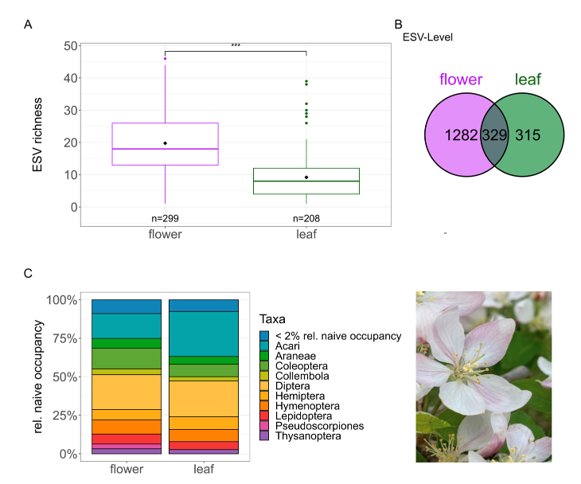 Biodiversity monitoring has become increasingly critical as climate change and anthropogenic land use have escalated, but recording and quantifying interspecies interactions in the field is time- and work-intensive. Environmental DNA, or eDNA, has attracted interest particularly for use in analyzing plant-arthropod biodiversity by enabling researchers to identify arthropod species and characterize communities based simply on DNA deposited on plant surfaces. However, this method requires numerous replicate samples and an expensive filtering process. In this study, Schmidt et al. tested several alternative eDNA isolation protocols from flowers in an effort to reduce the cost and increase the accessibility of this relatively novel method. Using cherry blossoms collected on the Trier University campus in Germany, the researchers attempted extraction of arthropod eDNA from the flowers via four different methods: 1. the standard washing and filtering protocol; 2. alcohol precipitation; 3. lysis and precipitation; and 4. spin column centrifugation. They determined that these four methods cost 10, 1, 2, and 6 euros per sample respectively, a significant range for projects encompassing large numbers of samples. In a subsequent test using apple flowers, the precipitation-based extraction method provided the best compromise between cost and recovered reads. While the composition of arthropod orders recovered by each method differed significantly, all four methods produced a similar number of exact sequence variants and total reads, indicating potential appropriateness for use in future projects that may not have access to the resources required for the cost-intensive filtering process usually considered necessary for eDNA studies. (Summary by Cael Dant) Ecology and Evolution 10.1002/ece3.73831
