

Plant Science Research Weekly: March 27, 2026
Review: Rare variants in crops genomes and how to spot them
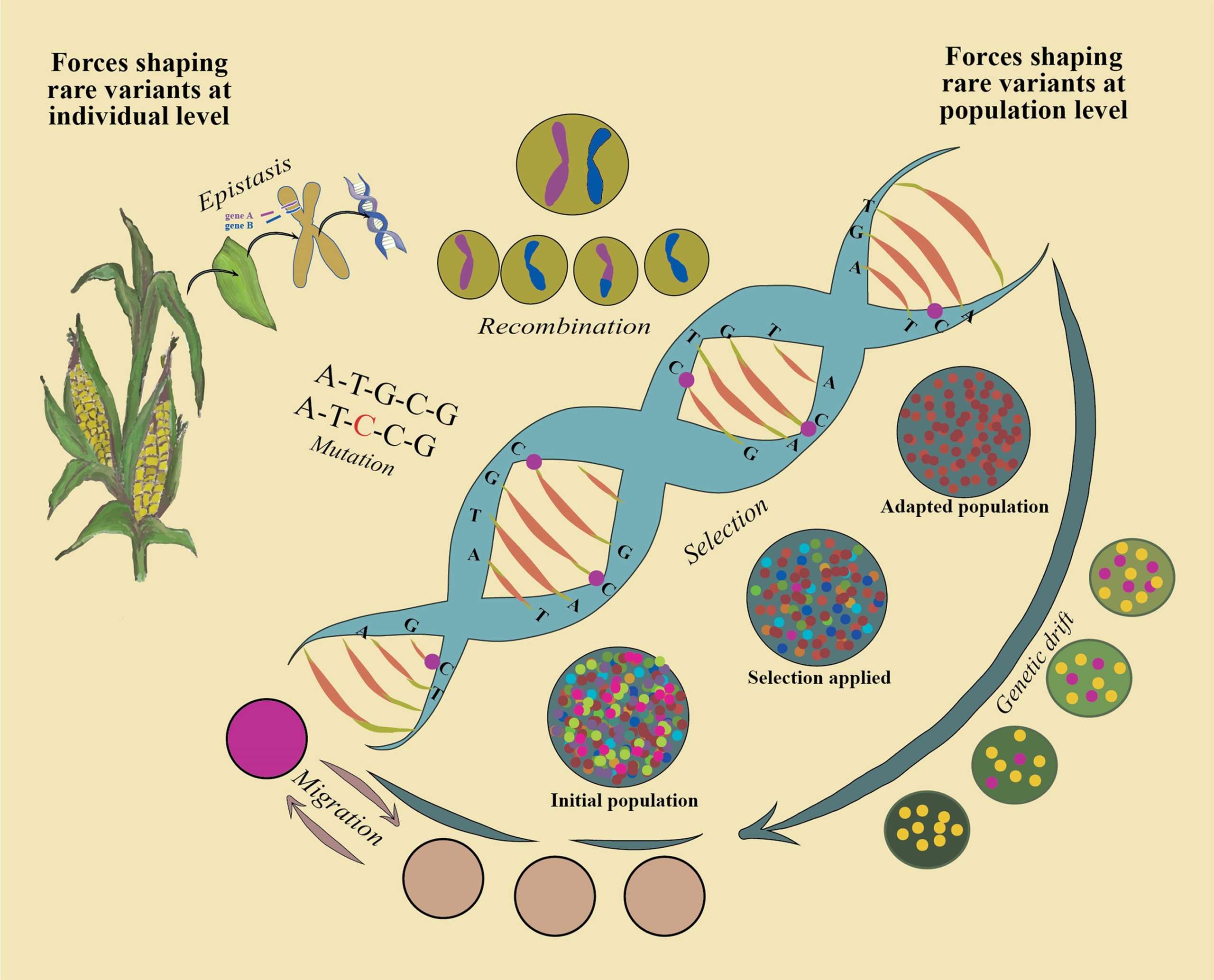 Despite the usefulness of genome-wide association studies (GWAS) for linking DNA variation to agronomic traits, GWAS are focused on detecting common alleles and often fail to detect less-common, rare variants. Rare variants may account for a significant portion of the heritability behind complex traits and could make meaningful contributions to crop resistance and adaptability. In a recent review, Florian and Lipka provide an overview of what rare variants are and ways to identify them. They highlight the fact that studies investigating the impact of genetic variations in human diseases have revealed significant contributions from rare variants. Conventional GWAS frameworks lack the power to discern low-frequency alleles, especially when their effects are context-dependent or distributed across multiple loci. To address the challenges in rare-variants studies, whole-genome sequencing, population genetics, and interpretability of computational models will be required. Some of these approaches have more statistical power like the sequence kernel association test (SKAT), that group rare variants within genomic regions. Machine learning can handle complex interactions to identify more subtle genotype-phenotype patterns. A better understanding of how rare variants affect complex traits could be valuable for breeding more resilient and higher yielding crops. This review is accessible even for non-specialists in that key terms are identified and defined throughout the article. (Summary by Montserrat López-Coria). in silico Plants 10.1093/insilicoplants/diaf012
Conservatory: Unlocking the regulatory landscape of plant genomes
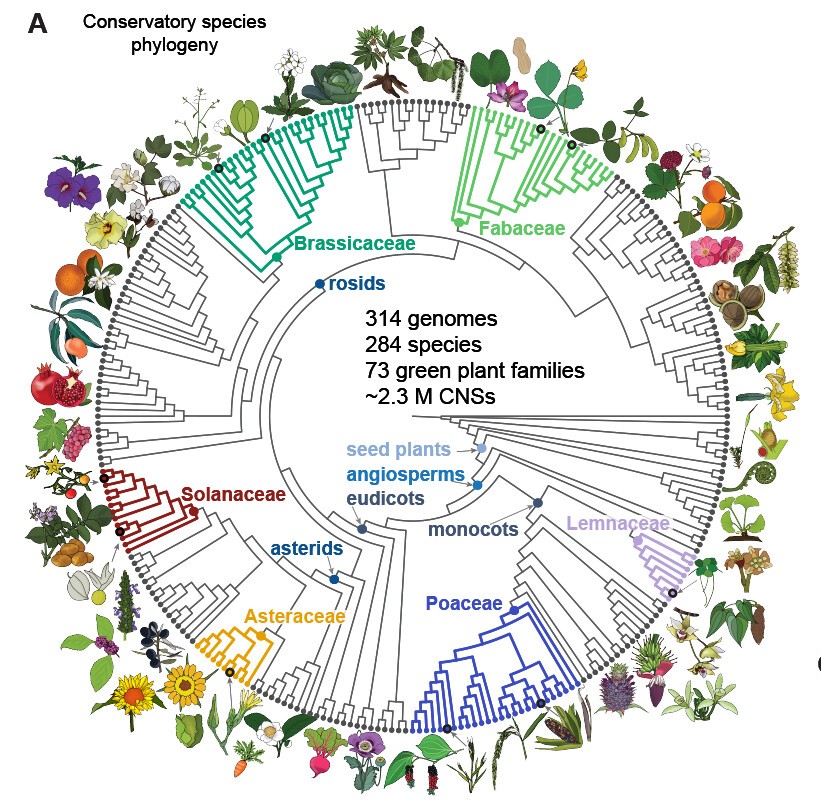
Fig1_v28
Long overshadowed by protein-coding genes, the non-coding genome remains one of the most elusive frontiers in plant biology. Their sequence diversity and limited conservation have made functional annotation particularly challenging. Addressing this gap, Amundson and colleagues introduce “Conservatory”, a powerful and accessible algorithm (www.conservatorycns.com) designed to systematically identify conserved non-coding sequences (CNSs) across diverse plant lineages. Conservatory is built on two key concepts. First, it employs a two-step alignment strategy, within and between taxonomic families, to enhance the sensitivity of ortholog detection. Second, it incorporates multiple reference genomes as “bridge genomes”, effectively reducing reference bias and improving homology inference across evolutionary distances. Applying this framework, the authors uncovered approximately 2.3 million CNSs from 284 plant species, spanning over 300 million years of diversification. Importantly, the functional relevance of these CNSs was validated in tomato. Using CRISPR-Cas9, deletion of proximal promoter regions of SlWOX9 and WOX2, key regulators of embryogenesis, resulted in embryonic lethality, underscoring the critical regulatory roles embedded within non-coding DNA. By enabling large-scale discovery and validation of regulatory elements, Conservatory opens new avenues for decoding genome function and accelerating crop improvement in the era of precision genomics. (Summary by Ching Chan @ntnuchanlab @ntnuchanlab.bsky.social) Science 10.1126/science.adt8983
Quinine, deconstructed ✅
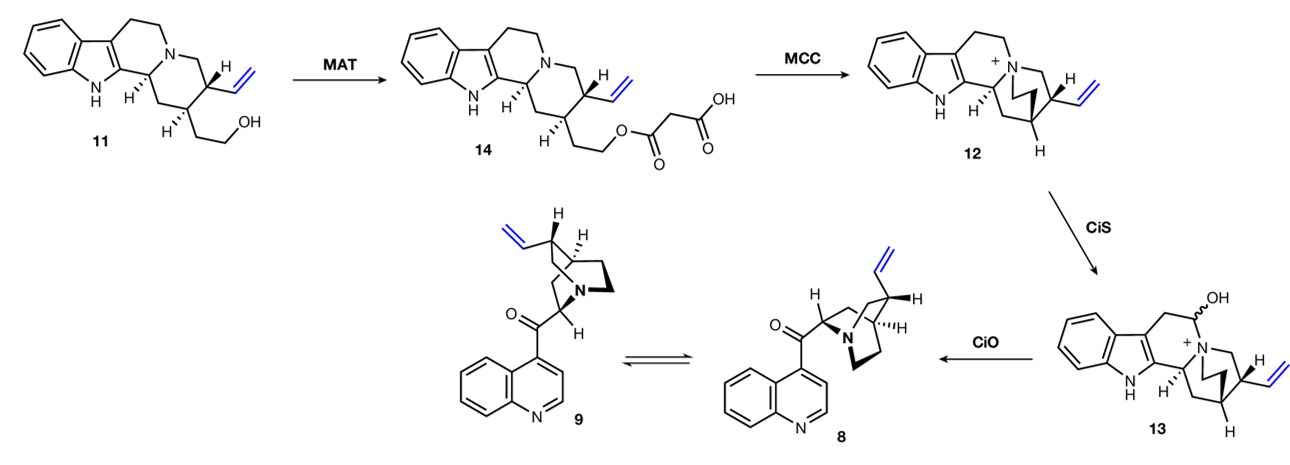 For more than two centuries, quinine from Cinchona bark has stood as one of the best-known plant-derived medicines for malaria treatment, but the enzymes that build its distinctive scaffold were unknown. Lombe et al. have now resolved the core logic of cinchona alkaloid biosynthesis in Cinchona pubescens, by combining isotope feeding, virus-induced gene silencing, single-nucleus RNA-seq, proteomics and comparative transcriptomics. A key advance is the discovery of cinchonium, a previously unknown quaternary ammonium intermediate, together with an unexpected two-enzyme strategy for forming the quinuclidine ring. The pathway uses two unrelated enzymes: one adds a malonyl group (O-malonyltransferase, MAT), and the second uses that installed malonyl group to drive ring closure (malonyl-corynantheol cyclase, MCC). Downstream, cinchonaminal synthase (CiS) converts this cyclised intermediate into cinchonaminal, and the P450 enzyme cinchonaminal oxidase (CiO) catalyses the oxidation that generates the quinoline scaffold. The identified biosynthetic genes were enriched in the same epidermal cell clusters in Cinchona leaves. Reconstitution in Nicotiana benthamiana produced natural intermediates, and when supplied with halogenated tryptamines, produced unnatural, and clinically attractive, fluorinated and chlorinated cinchona alkaloid analogues, demonstrating a potential use in medicinal chemistry. Given that the global supply of quinine depends on Cinchona plantations, this work opens future opportunities to produce cinchona alkaloids and their derivatives instead through metabolic engineering. (Summary by Charlay Wood) Nature 10.1038/s41586-026-10227-x.
Toward improved CO₂ fixation: A hornwort-derived RbcS motif enables formation of Rubisco condensates
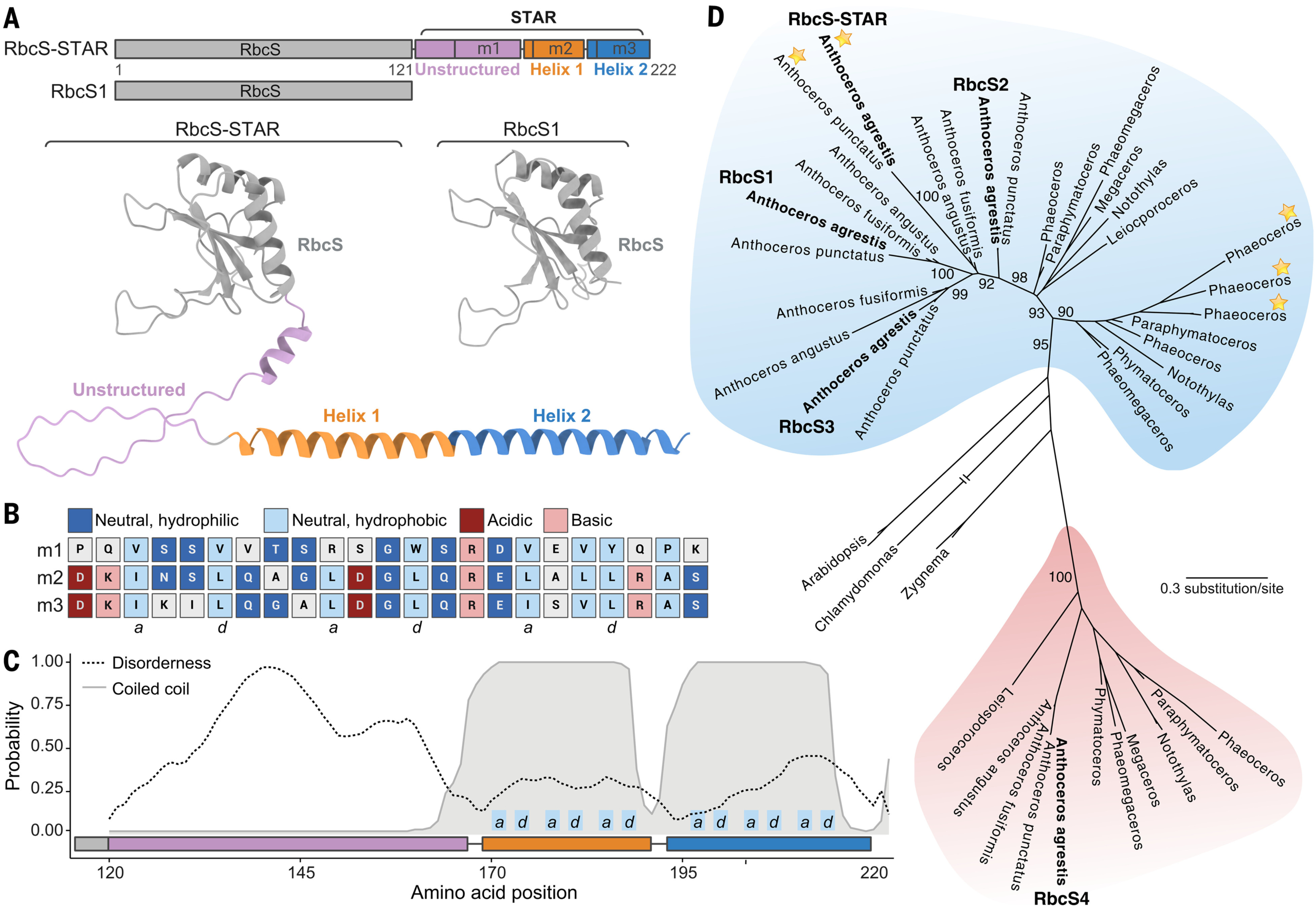 Enhancing photosynthetic CO₂ fixation to increase crop yields is a major focus in plant biotechnology. Notably, several algal species form pyrenoids, phase-separated organelles that boost the activity of the CO₂-fixing enzyme Rubisco by supplying it with concentrated CO₂, thereby making carboxylation more efficient. Among land plants, hornworts are the only lineage with species known to form these beneficial organelles. Hence, significant efforts have been devoted to understanding the mechanisms underlying pyrenoid formation and introducing them into crop plants. Robison et al. describe a very promising yet simple strategy for inducing pyrenoid formation in plants, by using the C-terminal “STAR” extension of a Rubisco small-subunit isoform (AaRbcS-STAR) found in the hornwort Anthoceros agrestis. Interestengly, their findings show, that either by fusing this particular domain to plant’s native RbcS protein or directly intoducing AaRbcS into wild-type plants such as Arabidopsis thaliana, they can direct the formation of pyrenoid-like Rubisco condensates in species that normally lack them. Unlike algae, which rely on separate linker proteins for pyrenoid formation, hornwort’s AaRbcS-STAR integrates directly into the Rubisco holoenzyme and induces pyrenoid-like condensates via its C-terminal coiled-coil interactions, making it an attractive biotechnological tool. Strikingly, this work offers a simple platform for implementing a pyrenoid-based CO₂-concentrating mechanism in plants, with the potential to enhance photosynthetic efficiency in C3 crops. (Summary by Fengoula Avgeri @AvgeriF) Science 10.1126/science.aea0150
Mangrove pneumatophore roots engage in salt extrusion
 Mangroves are salt-adapted trees that provide critical habitats for many organisms and stabilize shorelines. They also have several strategies for dealing with the hostile coastal environment that is high in salt and, for the submerged root system, low in oxygen. Pneumatophores are upward-growing components of the root system that have been shown to take up oxygen through small pores called lenticels (corky tissues through which gasses can exchange) and transport it to the below-water roots through aerenchyma (air spaces in the roots). Additionally, pneumatophores themselves can be photosynthetic. In a new study, Huang et al. identified that pneumatophores can also extrude salt. Many salt-tolerant plants extrude salt, but usually this takes place in the shoot system through specialized salt glands. In the mangrove pneumatophores, the authors observed salt crystals accumulating at the surface of the lenticels. Further analysis of ion and ion channel abundance indicate that the salt is transported through xylem from the below-ground part of the pneumatophore to the above-ground part, and then moved outwards from the xylem towards the lenticels. This process increases with increasing salinity, demonstrating a previously-undescribed role for these specialized roots. (Summary by Mary Williams @PlantTeaching.bsky.social) New Phytol. 10.1111/nph.71061
Dewdrops act as microreactors that influence flowering time
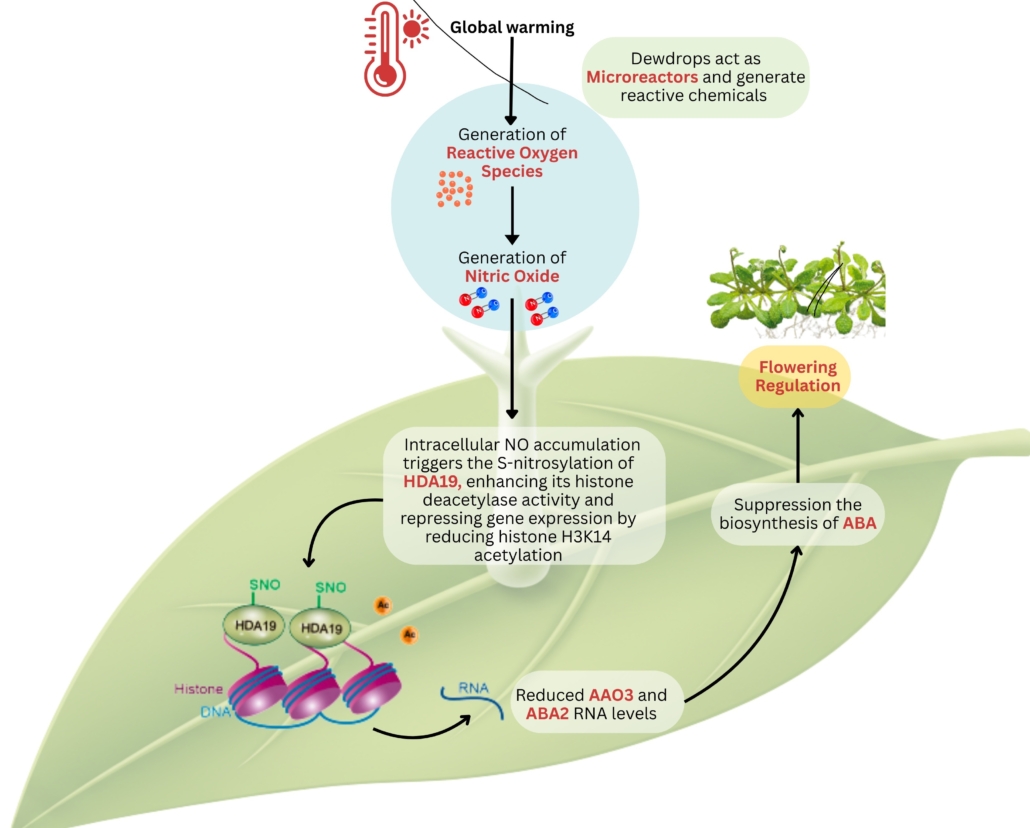
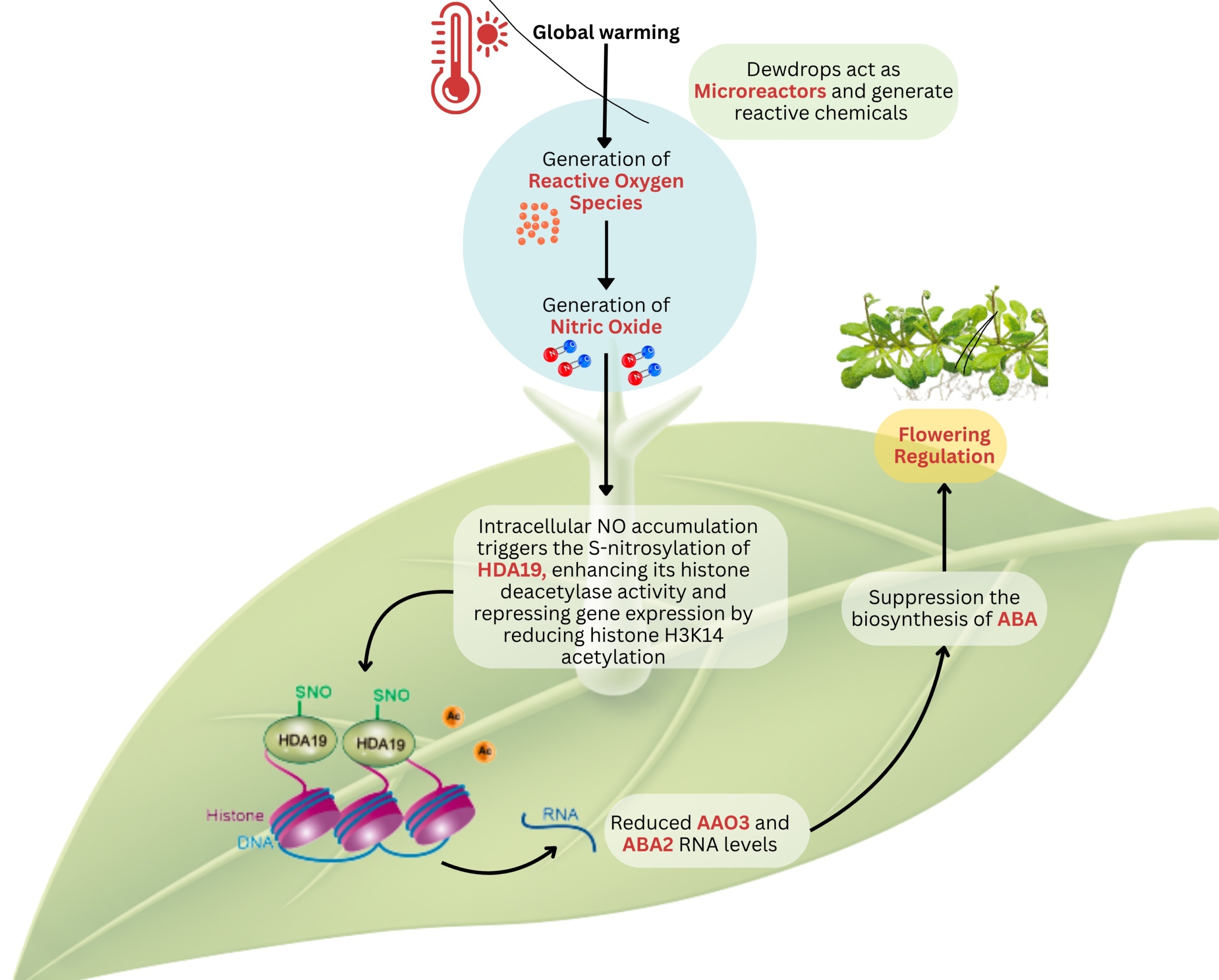 We don’t often consider tiny dewdrops as having much influence on plant physiology, but a new study by Zheng et. al. reveals that these delicate dewdrops are active microreactors that can influence when plants flower. Working with Arabidopsis thaliana, researchers discovered that microscopic dewdroplets forming on leaf surfaces act like miniature reactors. Within them, reactive oxygen species (ROS) are generated, which then trigger the production of nitric oxide (NO), a key signaling molecule. NO modifies the histone deacetylase HDA19, enhancing its activity and leading to the suppression of genes (AAO3 & ABA2) involved in abscisic acid (ABA) production. As ABA levels drop, the plant transitions more quickly to flowering. In essence, a simple drop of dew helps tip the balance toward reproduction. What makes this finding even more compelling is its global relevance. Analysis of millions of flowering records across Brassicaceae species shows a strong link between dew conditions and flowering time. Given the broad-scale changes caused by climate change, including effects on atmospheric moisture dynamics, these findings have important implications for plant productivity. (Summary by Sonia Balyan) PNAS 10.1073/pnas.2527021123
Conserved symbiont-induced actin reorganization in legumes and non-legumes
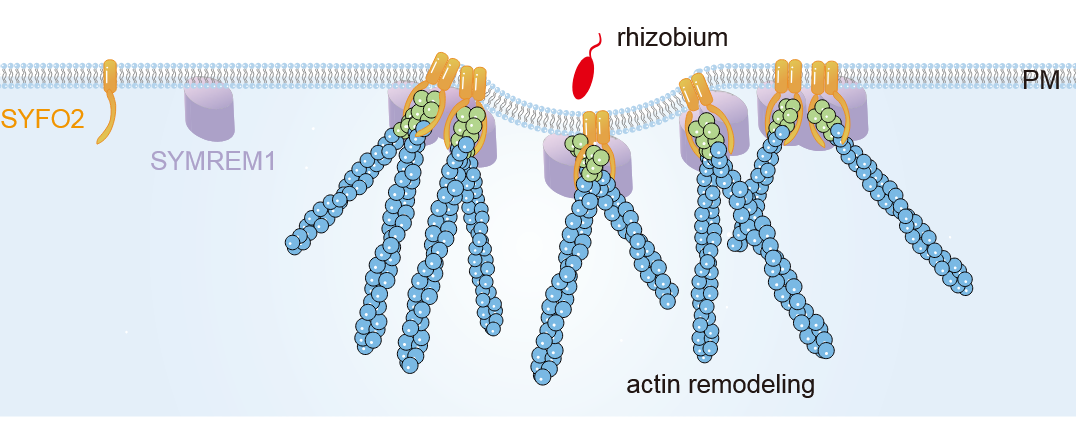 Rhizobial symbiosis requires communication and recognition between the plant host and the nitrogen-fixing bacteria. When successful, plant root hairs reorganize their membranes and form specialized infection threads through which the rhizobia enter the root and initiate nodules. In new work, Qiao et al. examined how this root hair reprogramming takes place, focusing on the reorganization of the actin cytoskeleton prior to infection thread formation. Formin proteins are conserved regulators of actin polymerization and have previously been implicated as having a role in plant-microbe interactions. In this work, the authors investigated a Medicago formin protein that is specifically activated in response to rhizobia, which was named symbiotic formin 2 (SYFO2). Wild-type root hairs exposed to rhizobia show a disassembly of actin filaments that then is reorganized within a few days and that leads to infection thread formation, but syfo2 mutants this process fails. Further investigation demonstrated that the SYFO2 protein forms punctate nanodomains that contribute to the initiation of infection threads. Interestingly, the syfo2 mutants also show a defect in symbiosis with mycorrhizal fungi, indicating a conserved function at the entry points of two distinct symbionts. In the legume Medicago, the SYFO2 gene is activated by expression of the nodulation-related transcription factor NIN. The SYFO2 gene is also present in non-legumes such as tomato that lack the NIN protein. However, when NIN is expressed heterologously in tomato it activates SYFO2 expression. The authors observe that this finding can contribute to the development of nitrogen-fixing symbiosis in non-legume plants. (Summary by Mary Williams @PlantTeaching.bsky.social). Science 10.1126/science.adx8542
Network analysis of competing endogenous RNA (ceRNA) in tea plant upon fungal infection
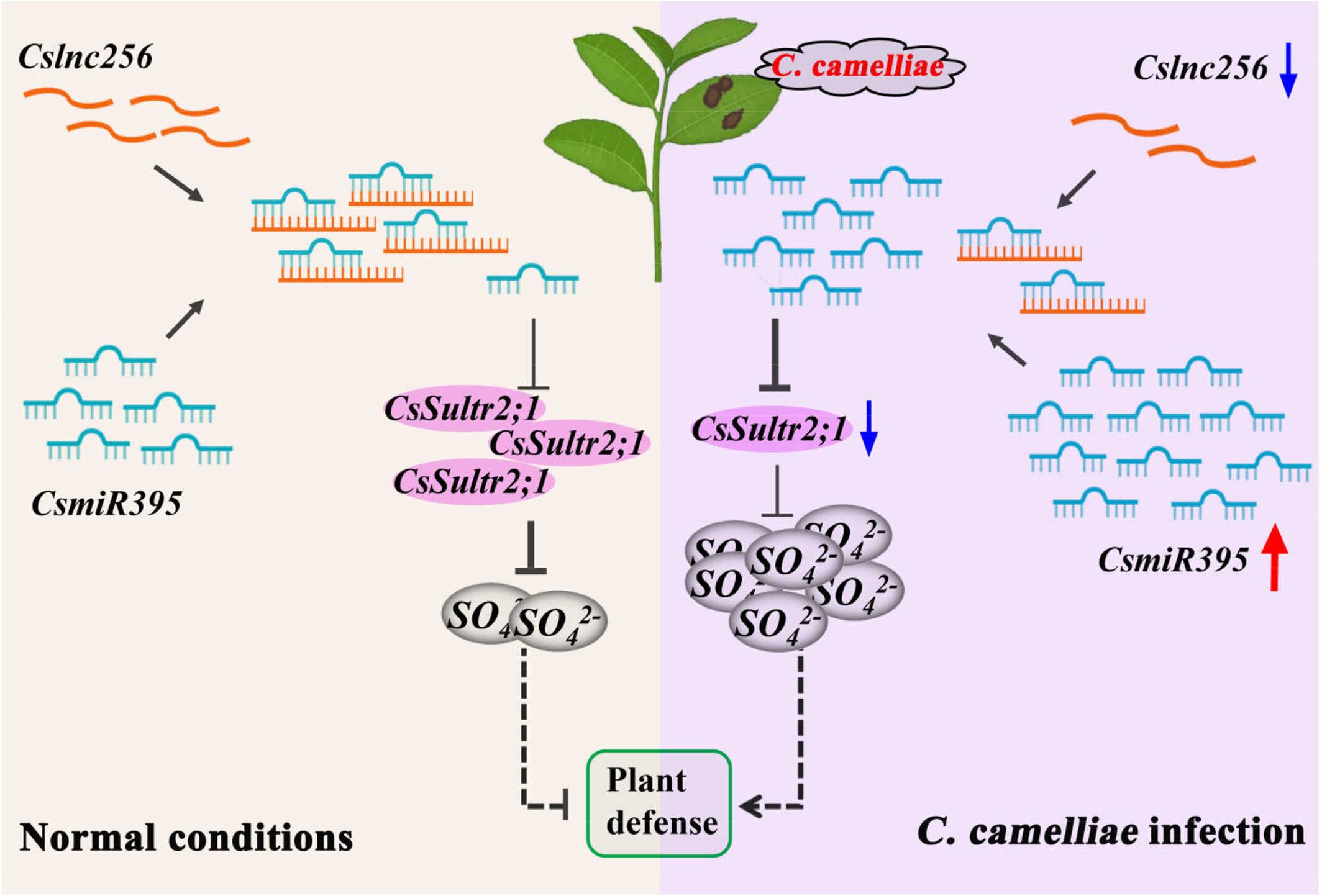 Tea plants (Camellia sinenesis) are usually cultivated in warm and humid regions where fungal infections are favoured. Foliar diseases directly affect the quality of the leaves that are used for tea production. Colletotrichum camelliae is a common fungal pathogen infecting tea plants. Previous studies highlighted the importance of sulfate accumulation in defense against the fungus. In this study by Jiang et al., the authors profiled the transcriptome of C. camelliae infected tea leaves. They used competing endogenous RNA (ceRNA) network analysis based on sequence complementarity and expression correlation to predict the interactions among mRNAs (messenger RNAs), miRNAs (microRNAs), and lncRNAs (long non-coding RNAs). The ceRNA network analysis suggested that miRNA CsmiR395 targets mRNA CsSULTR2;1 which encodes a sulfate transporter. When active, CsSULTR2;1 lowers local sulfate level, rendering the plant more susceptible to the fungus. The ceRNA analysis also suggested the long non-coding RNA Cslnc256 targets CsmiR395. Using transgenic plants, the authors validated that Cslnc256 inhibits CsmiR395, which degrades CsSULTR2;1 to promote local sulfate level. C. sinenesis infection in tea leaves represses Cslnc256 level, resulting in CsmiR395 accumulation, CsSULTR2;1 degradation, sulfate accumulation, and immunity enhancement. This study by Jiang et al. demonstrates the power of ceRNA network analysis on studying post-transcriptional regulations and provides insights into disease resistance promotion in tea plant. (Summary by Yee-Shan Ku @Yee-Shan Ku) Plant J. 10.1111/tpj.70720
Rice viruses hijack plant volatiles to shield insect vectors from natural enemies
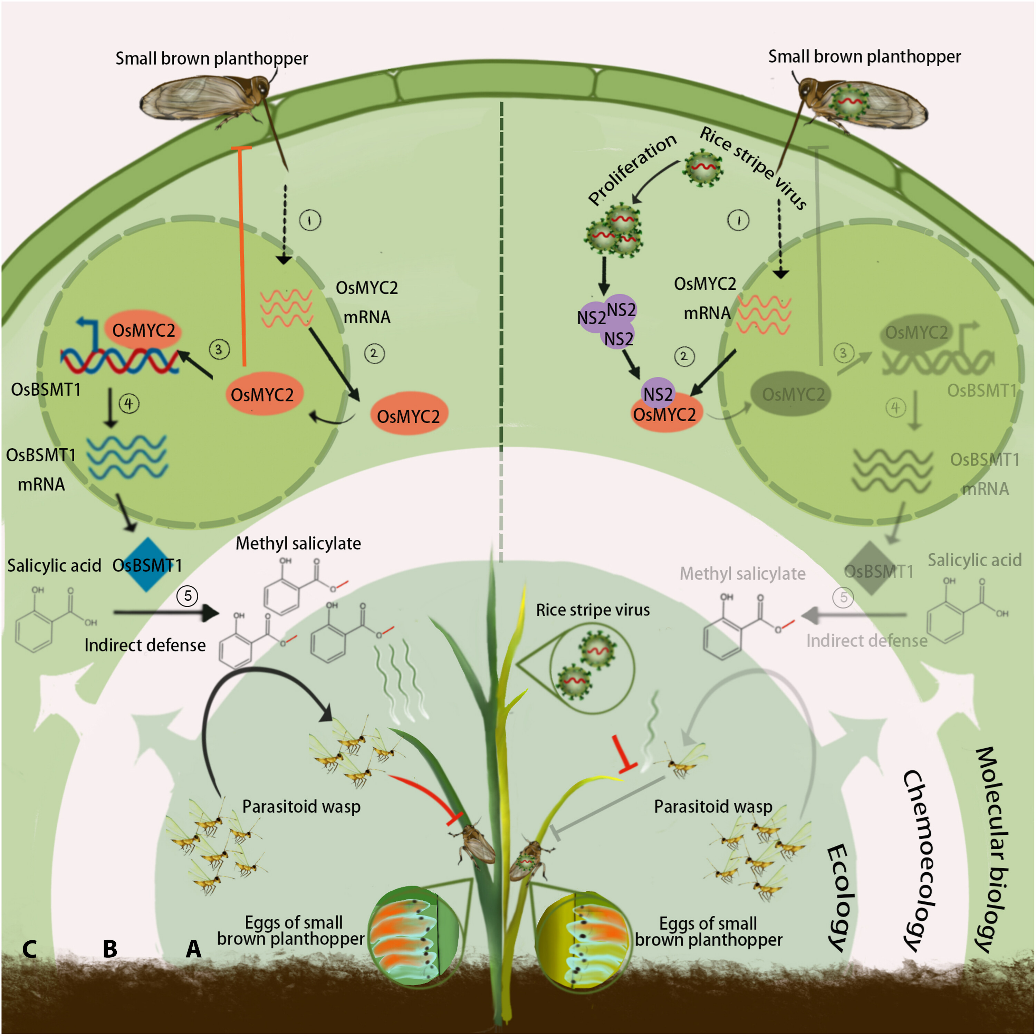 Vector-borne viruses such as rice stripe virus (RSV) are transmitted from plant to plant by insects such as planthoppers. Plants under attack often emit volatile compounds such as methyl salicylate (MeSA) that attract parasitoid wasps that destroy the eggs of the virus-transmitting insects. In a recent study, Liu and colleagues found that rice viruses decrease the plant’s release of MeSA, leading to higher insect abundance that allows the virus to spread more easily. The researchers showed that when insects feed on rice, they trigger the transcription factor OsMYC2, which in turn activates OsBSMT1, the enzyme that produces MeSA. RSV blocks this process by expressing its NS2 protein, which binds to OsMYC2 and keeps it in the cytoplasm, preventing OsBSMT1 activation. This strategy was seen in several rice-virus systems. Notably, in field trials where virus-infected plants were grown next to sustained-release spheres emitting MeSA, the viral-transmitting insect levels decreased and parasitism rates were restored to normal levels. This suggests that using MeSA could be a sustainable way to manage vector-borne diseases in rice. (Summary by Jahed Ahmed) Science Advances 10.1126/sciadv.aeb5215

