

Plant Science Research Weekly: July 10, 2026
A lichen super-pangenome spotlights its genetic architecture and interaction secrets
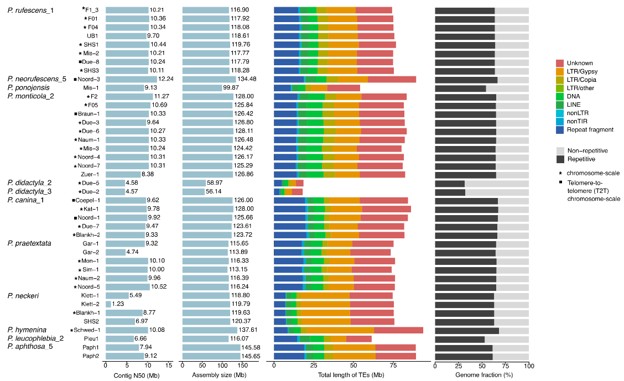 A lichen is a unique composite organism formed through close interactions between a filamentous fungus (mycobiont) and its photosynthetic partners [algae and/ or cyanobacteria, referred together as photobiont(s)]. In an effort to better understand these mutualistic interactions, Joisten-Rosenthal et al. created a high-quality super-pangenome from long-read genome assemblies of 41 isolates representing 11 species of the Peltigera fungal genus, with a particular interest in resolving the repeat-rich regions that were found to harbor host-interaction specific genes in plant pathogenic fungi. The super-pangenome revealed a direct correlation between genome sizes and transposable element (TE) content in these fungi. Among the different genes facilitating the fungal interactions, secreted-protein encoding genes play crucial roles as effectors and anti-microbial proteins. The localization of these genes in TE-rich regions established the concurrent existence of conserved and rapidly evolving genomic regions in the Peltigera fungi akin to filamentous plant fungal pathogens. Moreover, the researchers identified a high number of G-protein coupled receptors (GPCRs) in these fungi as well as a specific enrichment of biosynthetic gene clusters (BGCs) in fungi that exist in tripartite interactions with two photobionts. These interesting findings point towards a more intricate role of the GPCRs in environment sensing and BGCs in interaction-based repertoire expansion, respectively. Lastly, the authors also investigated the differential expression of secreted protein, GPCR and a few other key genes in this interaction milieu across different layers of the lichen architecture. They observed defined transcriptomic cues across the layers, adding a transcriptomic twist to this super-pangenome study. This study sheds light on the genomic repertoire of Peltigera fungi involved in lichen formation, and draws exciting parallels and similarities between notorious fungal pathogens and peace-loving mutualistic fungi. (Summary by Shakunthala Natarajan @shakunthalan.bsky.social) bioRxiv (https://doi.org/10.64898/2026.06.16.732702)
Predicting complex phenotypes using multi-omics data in maize
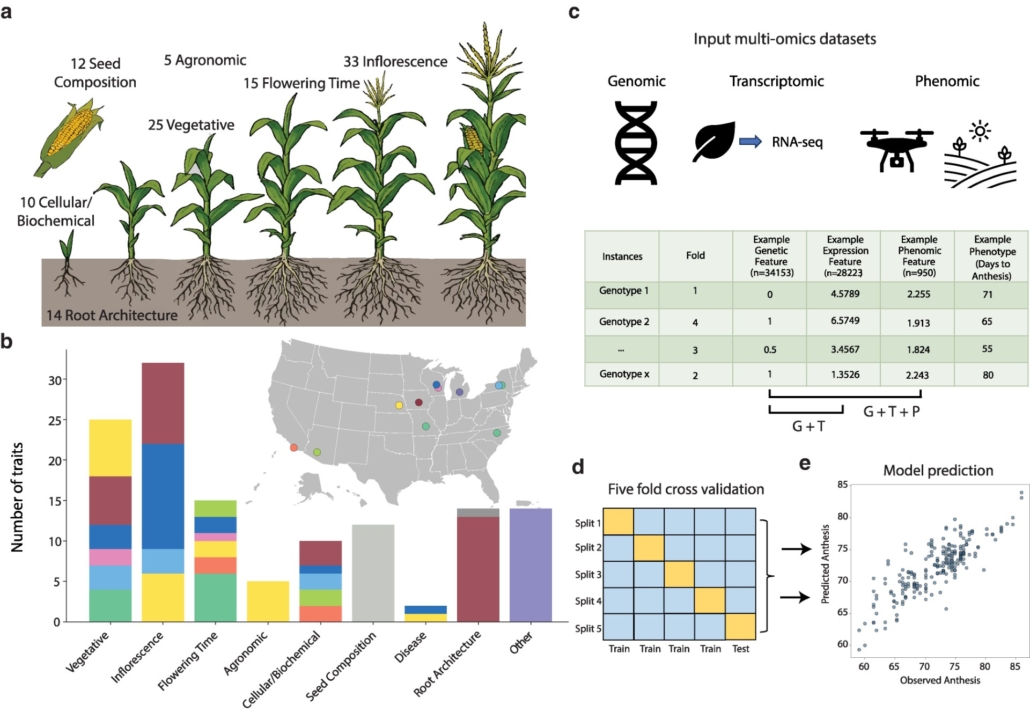
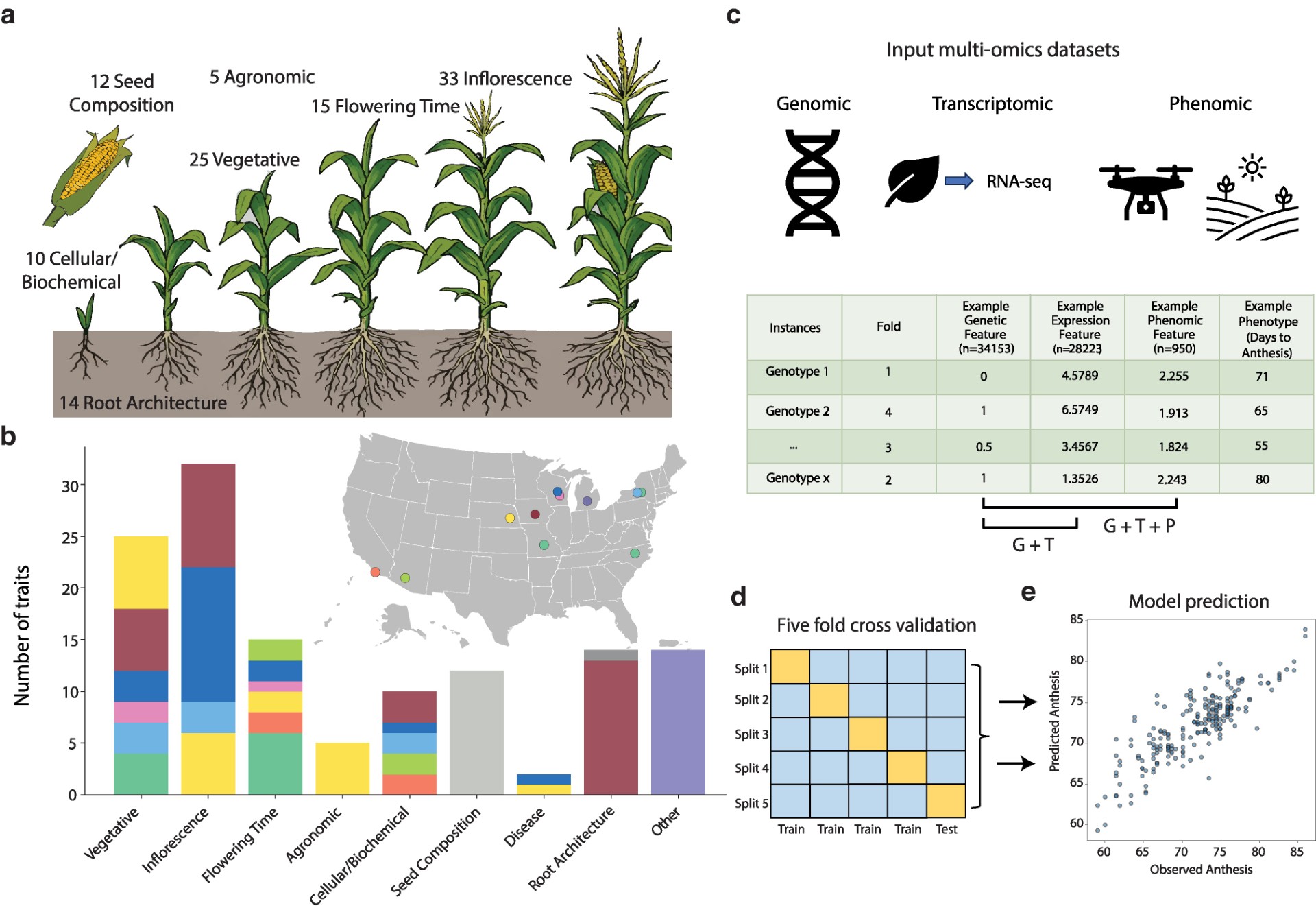 Plant breeders have long relied on genetic markers to predict how crops will perform, but many important traits such as yield, flowering time, and stress responses are shaped by complex interactions between genes and the environment. In this study, Creach et al. investigated whether combining multiple layers of biological information could improve the prediction of complex traits in maize. The researchers analyzed 129 phenotypes across nine environments using genomic markers, field-derived gene expression data (transcriptomics), and drone-collected phenomic measurements. They then compared the performance of predictive models built from individual datasets with that of models integrating multiple data types. The authors found that models combining multiple data types consistently predicted plant traits more accurately than models based on a single dataset. While genomic information provided a strong foundation, transcriptomic data captured important biological processes and improved predictions across environments. Surprisingly, gene expression measurements collected at one field location could successfully predict traits measured elsewhere, highlighting their ability to capture genotype-by-environment interactions. Drone-derived phenomic data alone were generally less predictive but contributed valuable information for specific traits, including root architecture. The study showed that complex traits are influenced by many genes acting together rather than a few major-effect genes. By integrating genomic, transcriptomic, and phenomic information, researchers gained deeper insight into the biological networks underlying trait variation. These findings demonstrate the potential of multi-omics approaches to accelerate crop improvement by enabling more accurate prediction of agriculturally important traits in maize. (Summary by Fatai Ayomide Akande) The Plant Cell 10.1093/plcell/koag185
Trehalose-6-phosphate integrates metabolism and root development
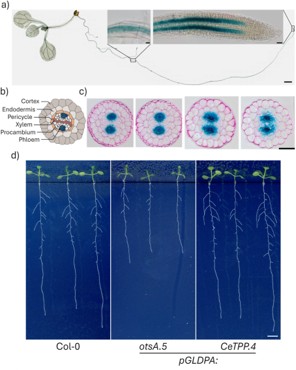 How do plants decide where to invest their resources when nutrients and energy are limited? A new study highlights trehalose-6-phosphate (Tre6P), a key sugar-status signal, as a critical coordinator. Previous work demonstrated that transgenic plants expressing modified versions of TPS1, the enzyme responsible for Tre6P synthesis, exhibited defects in primary root growth, suggesting an important role for Tre6P in root development. To dissect this function, Göbel and colleagues used a series of vascular-specific constructs to manipulate Tre6P levels through heterologous expression of trehalose phosphate synthase or phosphatase. Elevated vascular Tre6P led to smaller root systems and reduced sucrose accumulation, whereas vascular overexpression of TPP had the opposite effects. Reciprocal grafting experiments further demonstrated that shoot-derived vascular Tre6P is the primary driver of these systemic responses. Metabolomic analyses supported this conclusion, revealing substantial changes in shoot-to-root carbon and nitrogen allocation. Importantly, root-derived Tre6P also influenced root development independently of shoot signals, uncovering a second layer of regulation. Together, these findings position Tre6P as a critical coordinator linking metabolism, long-distance resource allocation, and root growth, providing new opportunities to engineer root architecture and improve resource-use efficiency in crops. (Summary by Ching Chan @ntnuchanlab @ntnuchanlab.bsky.social) Plant Cell Environ. 10.1111/pce.70599
Antagonistic interactions between host and viral proteins regulate chloroplast stability
 The role of the chloroplast extends far beyond hosting photosynthesis; these organelles also serve as a regulatory hub for plant immunity. As a result, many plant pathogens, such as the barley stripe mosaic virus (BSMV) have evolved strategies to circumvent this immunity and exploit the chloroplast as a site of viral replication. A recent report by Chen et al. investigates these dynamics in Nicotiana benthamiana, providing novel insights into the role of chloroplasts in plant immunity. The authors investigated PPH, a plastid-localized protein that confers broad-spectrum viral resistance, including BSMV. Transgenic plants overexpressing PPH demonstrated milder viral infection, while the inverse was true for plants with reduced PPH expression. Electron microscopy shows that PPH expression is associated with damage to the chloroplast envelope membrane, which could hamper viral replication. PPH facilitates this damage by recruiting ubiquitin ligase PUB4 to chloroplast outer-envelope proteins, such as Toc34, marking them for degradation. Upon infection, BSMV counteracts PPH-mediated chloroplast dysfunction through its viral γb protein. The γb protein interacts with PPH, resulting in the ubiquitination of PPH itself and the preservation of Toc34, promoting chloroplast stability. Interestingly, PPH appears to play a role in mitigating multiple other plant viruses as well, suggesting that PPH could be an attractive target for engineering broad-spectrum antiviral resistance. (Summary by Reed Arneson @Reed_Arneson) Plant Cell 10.1093/plcell/koag179
What’s up with stromules?
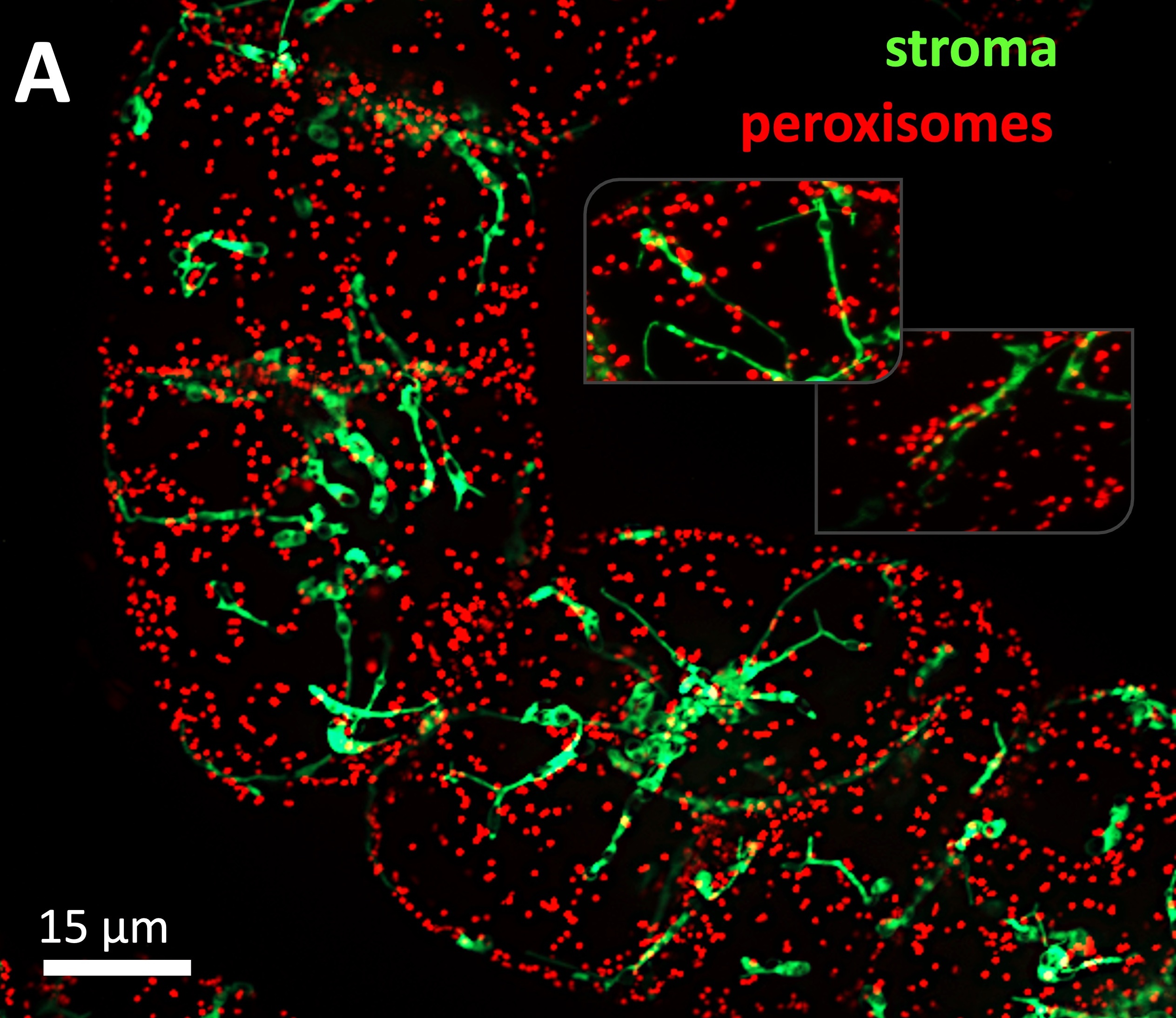 Stromules are stroma-filled tubules that extend from plant and algal plastids. Their formation is dynamic, and their abundance increases following many different stresses and hormone treatments, yet questions remain about their function. In a recent article, Rahpeyma et al. set about to understand the roles of stromules in cultured tobacco BY-2 cells. The article starts with a well-written overview summarizing out current understanding of stromule formation and function. The authors next explored two alternate hypotheses about stromule function; hormone synthesis and retrograde signaling. OPDA is synthesized in plastids, but it is converted to jasmonate in peroxisomes, so the authors investigated whether stromules serve to transfer OPDA between these organelles. Although they demonstrate that there is proximity between them, they favor the other model. Blocking stromule formation alters gene expression patterns and sensitivity to hormones, suggesting that the role of stromules is more aligned with retrograde signaling from plastid to nucleus rather than hormone synthesis. (Summary by Mary Williams @PlantTeaching.bsky.org) Plant Physiol. 10.1093/plphys/kiag373
Single-cell dynamics of the Arabidopsis inflorescence stem cells
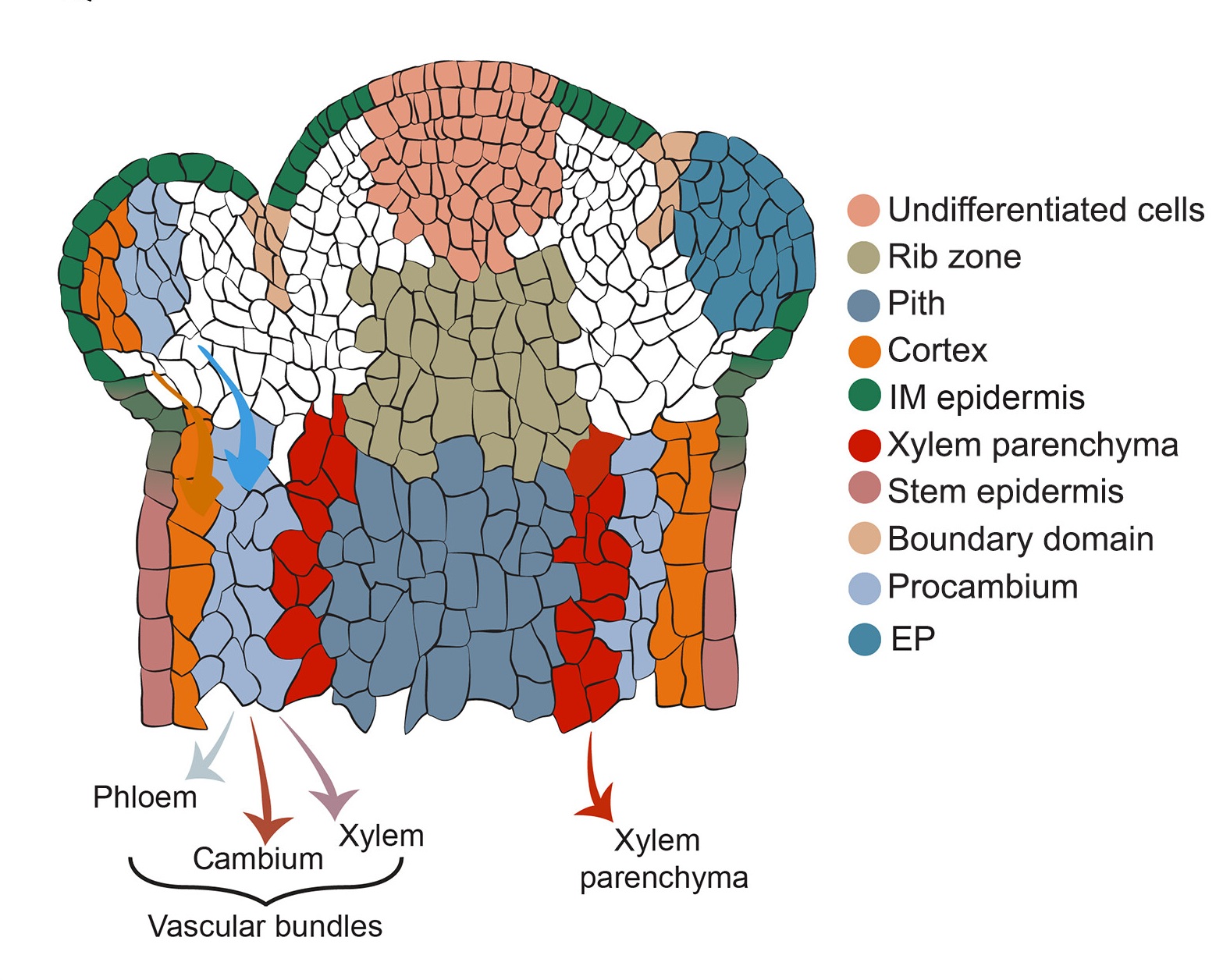 The inflorescence meristem is the tiny structure that is foundational to most of our food supply. A new work by Moreno-Ramírez et al. reveals insights into these little marvels through the use of single-nucleus transcriptomics. Their analysis identified 18 cell-type clusters that they assigned to known developmental domains by their expression of previously identified genes such as CUC2 and CUC3 (boundary domain), KAN1 (early-primordia), AP3 (floral identity) etc. The expression location and timing of many of these genes were analyzed. Along with mutant analysis, these data identified gene regulatory networks associated with various domains and activities in the meristem. The authors used trajectory inference (TI analysis, e.g., pseudotime analysis) to identify patterns of gene expression changes over developmental time in several tissues, such as the phloem, xylem, and vascular cambium. The analysis also revealed the earliest stages of cortex tissue formation in the developing primordia. These datasets will prove invaluable for future studies on plant reproductive development. (Summary by Mary Williams @PlantTeaching.bsky.social) Science Advances 10.1126/sciadv.aee2988
Not all arbuscules pull the same weight
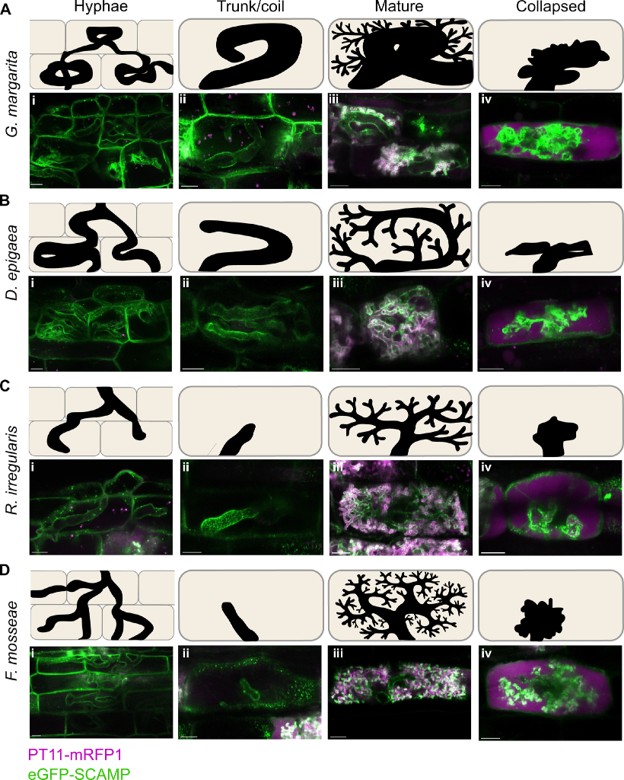 Arbuscular mycorrhizal (AM) fungi trade soil phosphate for plant carbon at arbuscules, the short-lived, branched hyphal structures they build inside root cortical cells, but how phosphate uptake is coordinated across this constantly changing interface has been hard to observe. McGaley et al. used non-invasive, time-lapse confocal imaging of live rice roots to follow individual arbuscules from formation to collapse, revealing wide variation in both developmental trajectory and lifespan. Tracking the AM-specific phosphate transporter PT11 with functional fluorescent reporters, they found its localization strikingly consistent: across four taxonomically diverse fungal partners, PT11 always accumulated on the membrane around the finest arbuscule branches and disappeared as the structure collapsed. Yet the amount of PT11 varied substantially from one arbuscule to the next, even between neighboring cells, and this abundance rose under low-phosphate and fell under high-phosphate fertilization. Promoter swap experiments teased the two apart: one construct broadened PT11’s location but kept its phosphate responsiveness, another broadened location and abolished responsiveness. Only the constructs that preserved nutrient responsive tuning, not those preserving precise location, restored PT11 function in the mutant. The work argues that arbuscules are not interchangeable units of exchange, with implications for how root colonization is interpreted. (Summary by Trevor Melusen) Nature Comms 10.1038/s41467-026-71496-8
Long non-coding RNA: A secret weapon in the plant-pathogen war
 Over millions of years, plants and pathogens have been engaged in an evolutionary war. As plants adopt new defense systems to protect themselves, pathogens evolve strategies to fight back. A well-characterized pathogen strategy is to secrete effectors that target plant defenses. Although protein effectors are well known, it was unclear whether non-protein effectors are a part of this host-pathogen interaction. In a recent study, He et al. demonstrated the direct physical involvement of Magnaporthe oryzae long non-coding RNAs (lncRNA) as effectors in rice blast disease. lncRNAs often function by direct base-pairing with targeted microRNAs (miRNAs) in a process known as sponging, which prevents the miRNAs from carrying out their functions. The authors identified a fungal lncRNA, lnc117761, as highly expressed during pathogen infection. Deletion, mutation, complementation and ORF disruption studies demonstrated that lnc117761 enhances pathogenicity. The authors showed that lnc117761 targets a plant microRNA, miR5827, which itself targets the mRNA of PKR1, which suppresses disease resistance. By targeting miR5827, lnc11761 also suppresses disease resistance. Genome sequence alignment detected similar miR5827–lnc117761 binding sites in other plant and microbial species, suggesting that this region could be a conserved regulatory DNA motif. The authors functionally validated this in the R. solani-rice sheath blight and Fusarium graminearum– wheat head blight disease systems. They further verified a synthetic miRNA mimic as a potential biological tool for crop protection. This newly identified pathway can become an effective route for future crop breeding. (Summary by Kavita Joshi @JoshiKvita) Nature 10.1038/s41586-026-10572-x
R2 retrotransposons enable efficient site-specific genome editing in plants
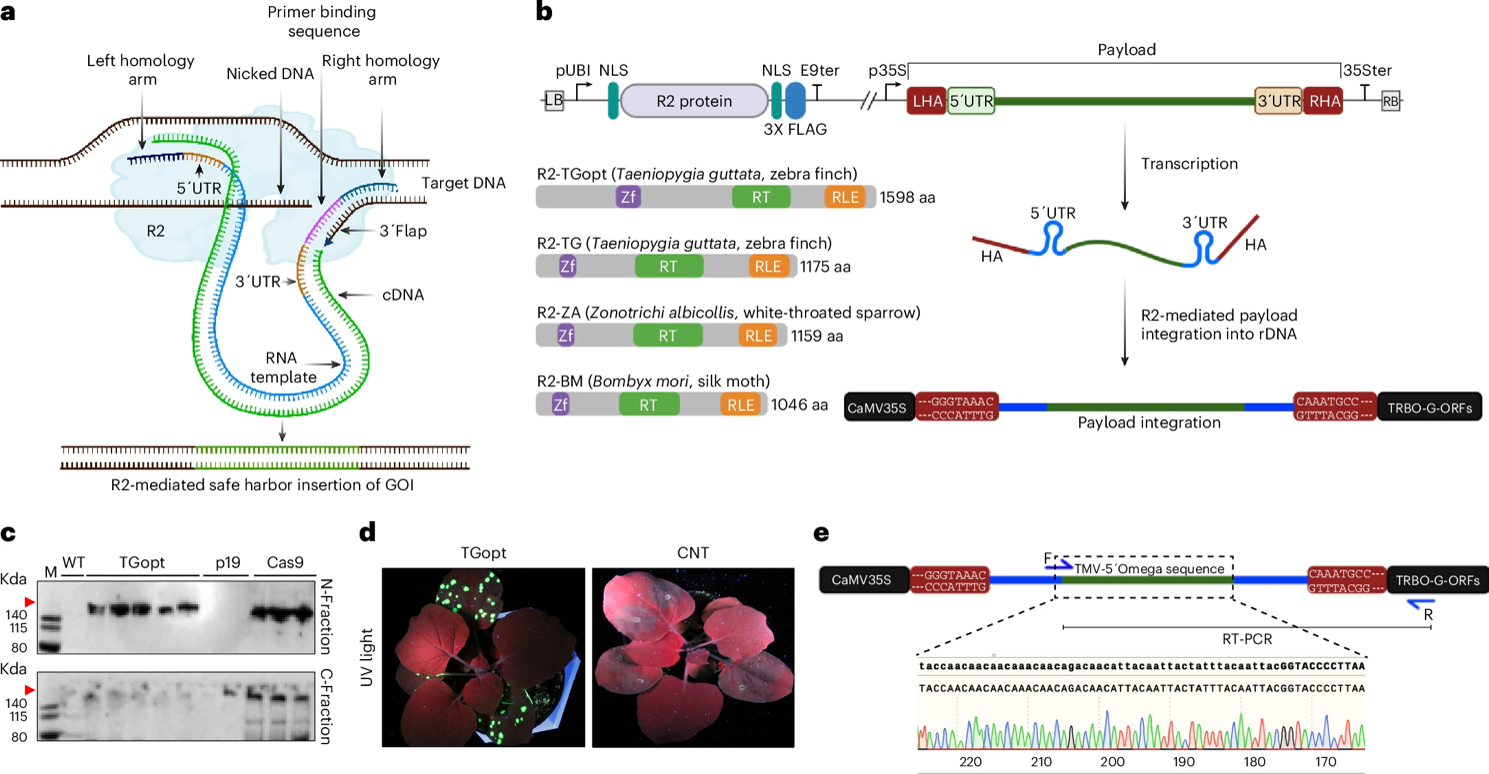 A major challenge in plant genome engineering is the precise insertion of large DNA sequences into a defined genomic location, preferably without involving a double-strand break. Addressing this longstanding technical hurdle, Ali and colleagues introduce a versatile gene-targeting platform based on the R2 retrotransposon, targeting a highly conserved 28S rDNA locus. Using Nicotiana benthamiana and a TMV-based reporter system, the authors demonstrated remarkably efficient insertion of a 2.2 kb GFP cassette, with site-specific insertion up to 75%. To overcome barriers that often limit transgene delivery, such as the cell wall, inefficient RNA uptake, and RNA instability; the team developed a two-component strategy combining effector expression with RNA virus-mediated delivery of donor templates. This design increased donor RNA abundance while reducing reliance on DNA intermediates and minimizing off-target activity. Notably, the system was also effective in rice calli, enabling targeted integration of herbicide- and antibiotic-resistance cassettes into rDNA loci at an efficiency up to 17%. By enabling efficient, site-specific addition of multi-kilobase sequences, this R2-based platform could accelerate trait stacking and synthetic biology applications, paving the way for more precise, scalable, and adaptable crop engineering strategies. (Summary by Ching Chan @ntnuchanlab @ntnuchanlab.bsky.social) Nature Biotechnol. 10.1038/s41587-026-03181-6
