

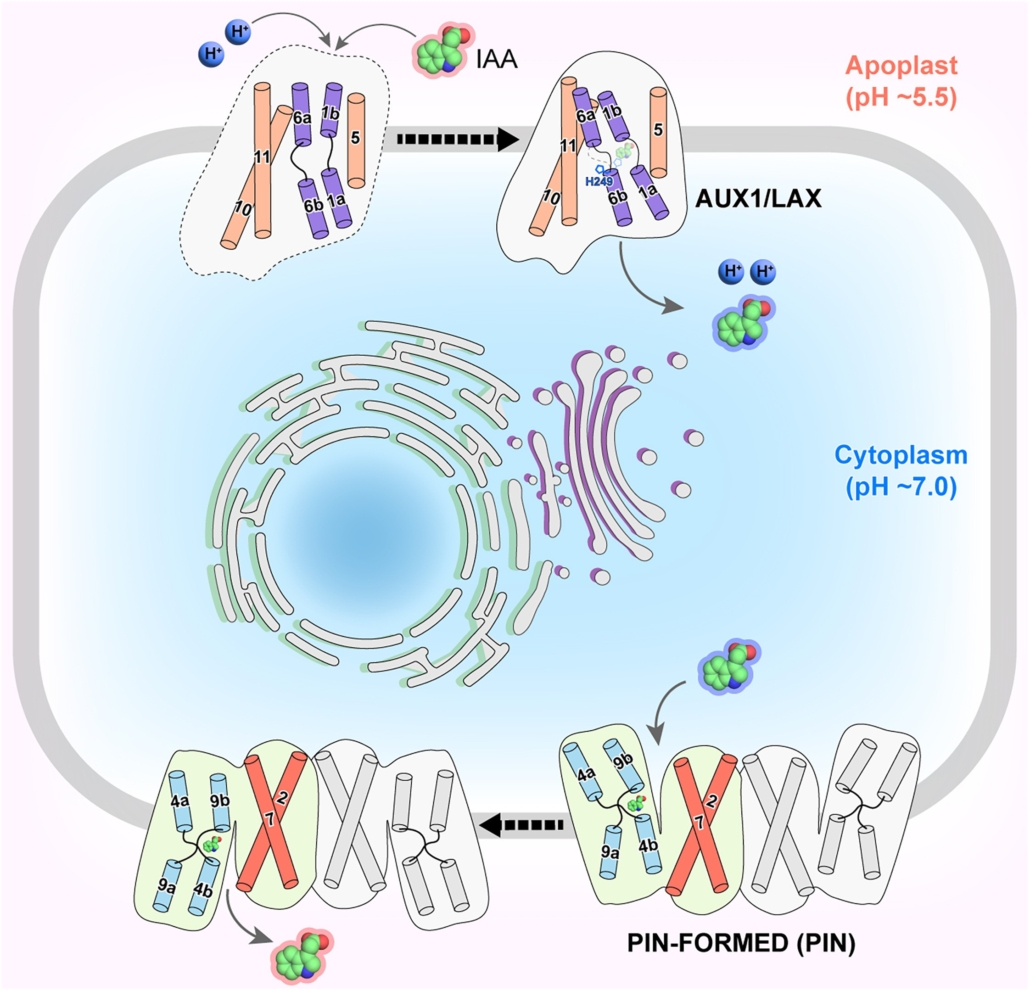
Plant Science Research Weekly: August 29, 2025
Running on empty: How does the absence of mtDNA shape mitochondrial movement and connectivity?
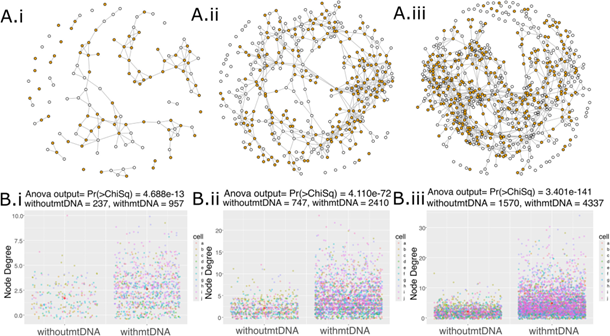 Mitochondria move within cells to support bioenergetic function and enable sharing of content, including mitochondrial DNA (mtDNA). Since not all plant mitochondria carry a full set of, or any mtDNA, sharing may allow genetic material to spread across the population. This creates a connected network of mitochondria that interact and homogenize their contents. However, the link between physical movement and genetic interactions remains unclear. To address this, Chustecki et al. used two approaches to examine mitochondria with and without mtDNA. With a SYBR system, they analyzed whole single cells in Arabidopsis hypocotyl and epidermal cells, and found a variable proportion of mitochondria lacking mtDNA, both within and between cell types. Tracking movement in hypocotyl cells showed that although average speed did not differ, mitochondria without mtDNA covered smaller areas, stayed farther from those with mtDNA, and had lower connectivity, encountering fewer individuals during movement compared to their counterpart. To validate these findings, the authors developed mt-HI-NESS lines for live imaging, tracking, and differential motility analysis. This approach provided a more specific marker and showed reduced speed in mitochondria without mtDNA, while confirming the same patterns of motility and connectivity as observed with the SYBR system. (Summary by Irene I. Ikiriko @ireneikiriko). Physiologia Plantarum 10.1111/ppl.70404.
Beyond storage: Active lipid turnover shapes seed oil metabolism
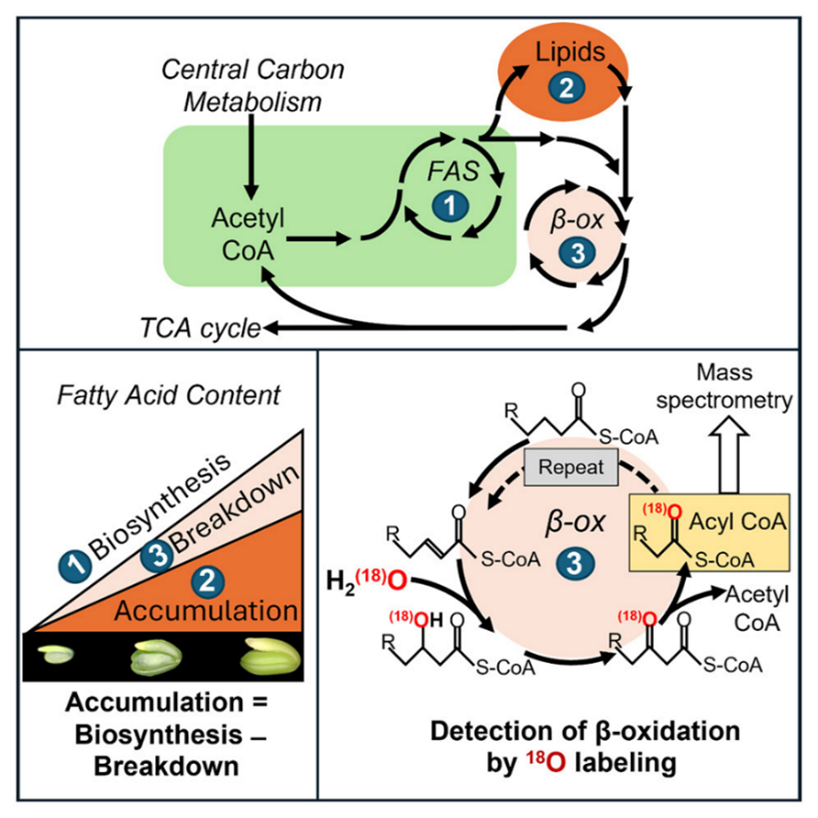 For decades, plant lipid research followed a simple narrative: seeds accumulate oil during development, then break it down after germination to fuel seedling growth. In a landmark study, Koley et al. overturn this binary view with compelling evidence that lipid metabolism is far more dynamic than previously believed. Using ¹⁸O-water isotope tracing across light/dark cycles they revealed that ‘fatty acid synthesis and degradation occur simultaneously throughout seed development’ a discovery that marks a paradigm shift in our understanding of oil accumulation. This finding reframes β-oxidation not as a dormant process waiting for germination, but as an active participant in seed maturation itself. Interestingly, attempts to enhance oil yields through genetic engineering often triggered compensatory degradation, preventing the expected gains. This suggests that living systems often prioritize balance over efficiency. The seed’s continual “make and break” cycle may appear wasteful at first glance, but it likely serves a deeper purpose: maintaining metabolic homeostasis, fine-tuning developmental signals, and preparing for environmental uncertainties. More broadly, the authors findings illustrate a fundamental principle: pressing harder on the biosynthesis “accelerator” without releasing the degradation “brake” leads only to metabolic friction. The next generation of high-oil crops may not develop from simply pushing productivity, but from aligning with the plant’s own regulatory rhythms and feedback networks. (Summary by Mohammad Aslam @asbiotech1) Cell Reports 10.1016/j.celrep.2025.115492
First structure of the AUX1 auxin importer resolved
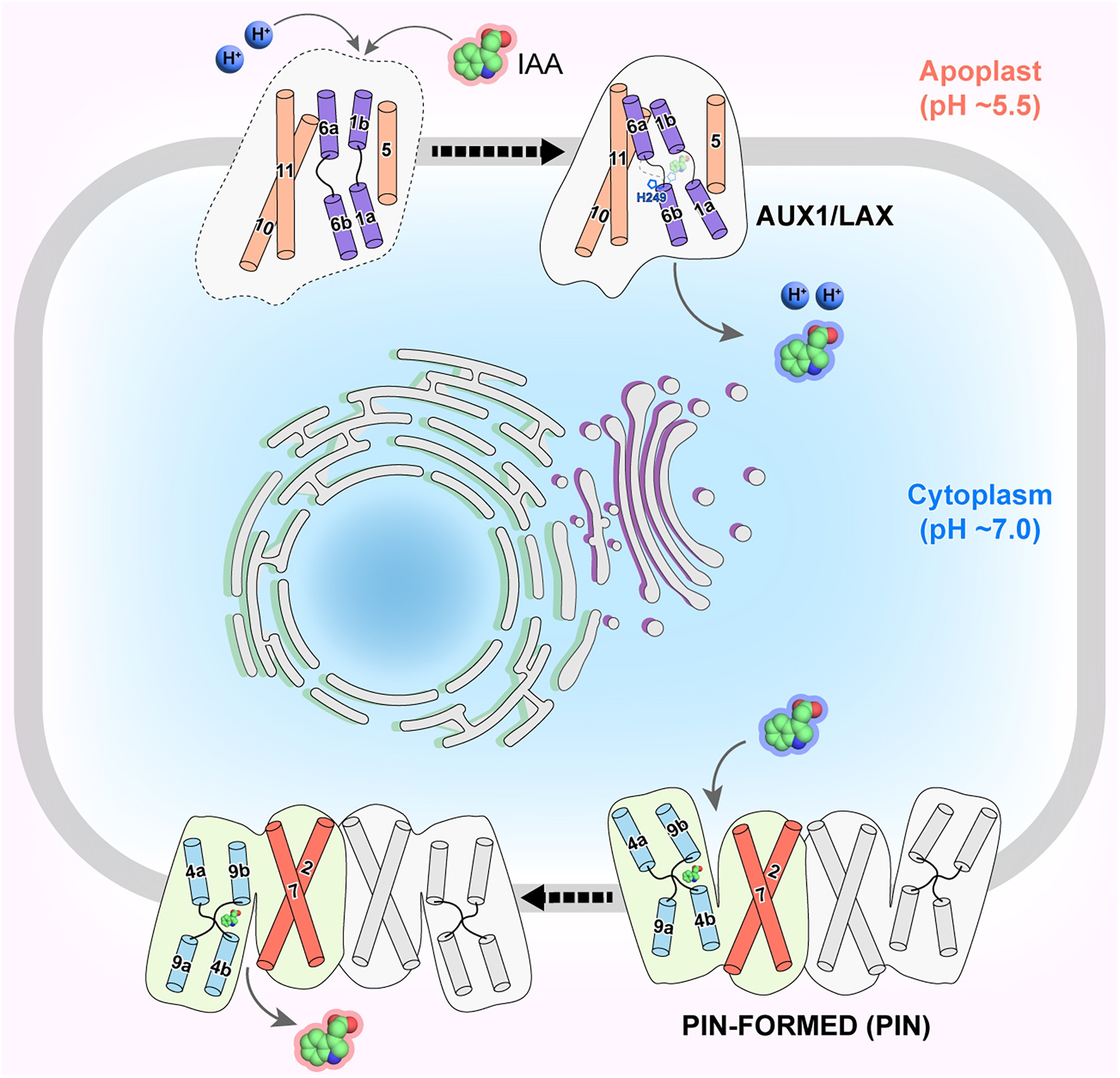 Polar auxin transport is central to plant development, relying on coordinated activity of influx carriers (AUX/LAX), efflux carriers (PINs), and ABCB transporters. While structural insights and transport mechanism of PIN proteins has been available, those of the AUX/LAX family have remained unresolved. In a recent study, Yang et al. (2025) reported the first structure of the Arabidopsis thaliana auxin importer AUX1 using cryoelectron microscopy at 3.5 Å resolution. Because AUX1 is a small 54 kDa protein, the authors fused it to a protein apocytochrome b562 from E. coli to facilitate the cryo-EM and determined structures of both the free-state and the auxin-bound state. Biochemical assays revealed that purified AUX1 has a higher auxin binding affinity compared to PIN efflux carriers, and unlike PINs, AUX1 functions as a monomer. Strikingly, the mechanism of auxin transport by AUX1 relies one key amino acid, H249. This amino acid acts as a pH-dependent switch where its protonation in the acidic apoplast stabilizes auxin binding, while deprotonation in the neutral cytoplasm weakens binding and promotes auxin release. Furthermore, the authors confirmed that the auxin influx inhibitor CHPAA competes with indole-3-acetic acid for the same binding site. This structural breakthrough completes the picture of polar auxin transport by providing molecular insight into both influx and efflux carriers, advancing our understanding of auxin action in plants. (Summary by Katarina Kurtović, katarinakurtovic.bsky.social) Cell 10.1016/j.cell.2025.04.028
Open Sesame! Pectin tweaks plasmodesmata to control root transport
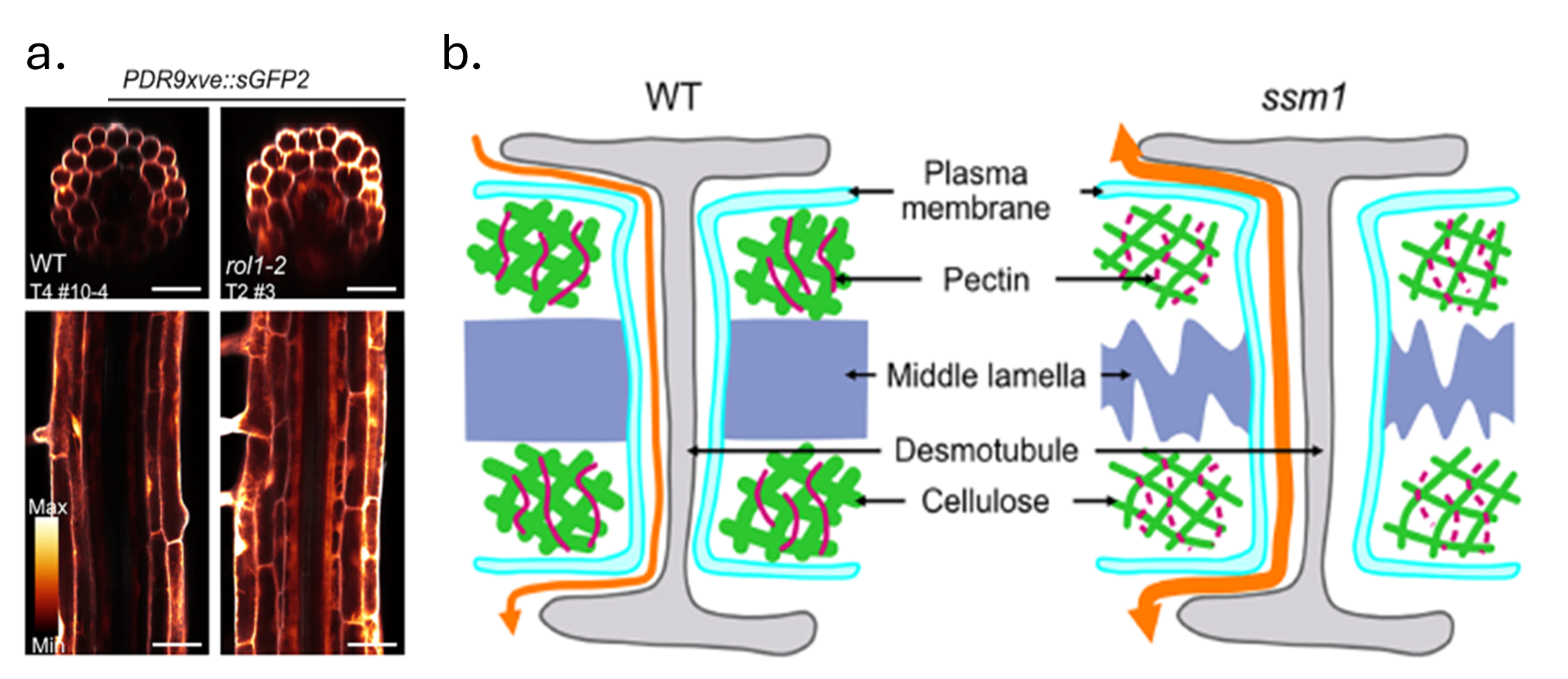 In plants, plasmodesmata provide essential symplastic connections for the movement of nutrients and signals. While their role in developing roots is well established, whether they contribute significantly to radial nutrient transport once roots are fully differentiated is still poorly understood. To address this, Jacquier et al. used tracer dyes and cell-type-specific fluorescent reporters to study symplastic transport in both differentiated and undifferentiated Arabidopsis roots. They show that plasmodesmata-mediated transport continues to occur in differentiated roots and, more importantly, undergoes a developmental switch, wherein movement is bidirectional in young roots but becomes unidirectional towards the vasculature after differentiation. Furthermore, a forward genetic screen looking for enhanced movement of GFP identified the sesame1 (ssm1) mutant (named for the story of Ali Baba and “open sesame”). Further analysis showed that ssm1 is allelic to repressor of lrx1 (rol1), which is defective in rhamnose biosynthesis and displays enlarged plasmodesmata apertures, altered cell wall architecture (pectin, cellulose and callose), and enhanced bidirectional transport. Surprisingly, despite these pronounced cell wall defects, only mild nutrient imbalances were observed in the mutant. Still, ssm1 recovered better after drought stress, hinting at adaptive benefits of altered plasmodesmata regulation. This study therefore establishes a direct link between cell wall composition, especially pectin organization, and plasmodesmata function. It also highlights a previously unrecognized developmental reprogramming of symplastic transport, with important implications for how plants balance nutrient flow and stress resilience. (Summary by Aditi Bhat @jumpy_botanist) Mol. Plant 10.1016/j.molp.2025.07.004)
Divide and conquer : How roots adjust division to restore shape after wounding
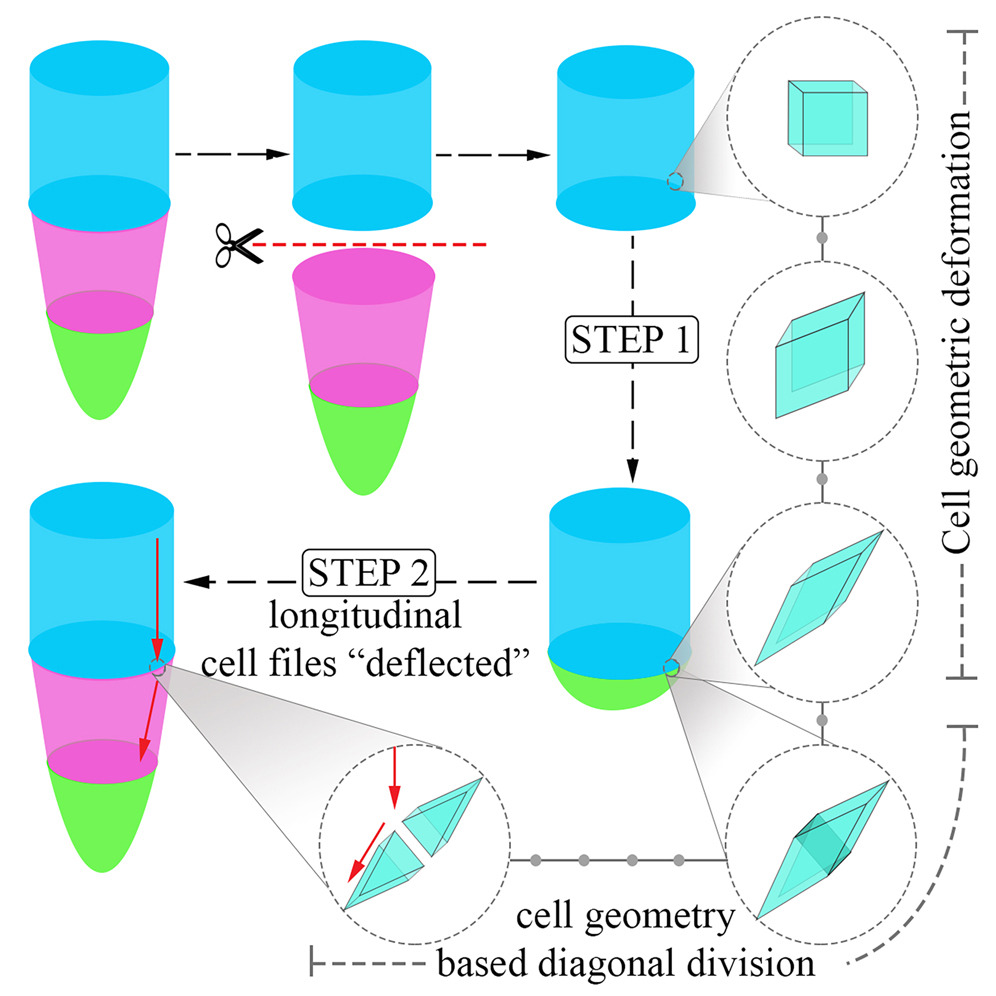 A fascinating biological phenomenon is where a root tip can be surgically removed at a distance from the stem cell niche, yet the root still robustly grows back to its initially tapered shape. Mathew et al. investigated the cellular mechanism for how root regeneration can re-develop this tapered shape following excision using a combination of computational modelling and experimental methods. Initially cells, particularly within the cortex (outer) cell file and close to the cut site, deformed from their classic rectangular shape, into rhomboidal forms (effectively lopsided and slanted). Mathew et al. explained the rhomboidal cell shape by measuring growth conflicts between cell files, showing that the inner files grow faster than the cortex and further validated this using computational simulations. Through tracking the cell division plane using pUBQ::mCIT-KA1MARK1, they found that rhomboidal cells divide diagonally, which acts to deflect the inner cell files into a tapered shape. This research is an exciting insight into the elusive world of root behaviors, as the root taper is important for the efficient foraging of the soil for its plant. (Summary by Kes Maio @kesmaio.bsky.social) Curr. Biol. 10.1016/j.cub.2025.06.072
Redox-driven WRKY25 unlocks WRKY53 to orchestrate leaf senescence
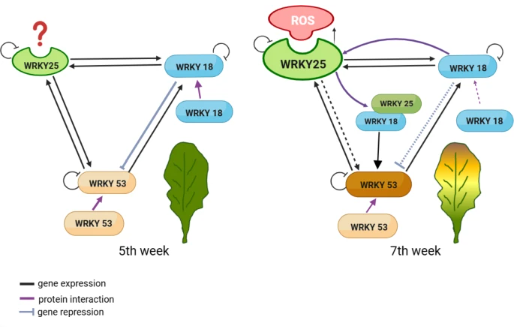 Leaf senescence, which overlaps with the reproductive growth phase in annual plants, constitutes the last stage in the development of a leaf, and several endogenous and exogenous factors control this, ultimately influencing the plant’s fitness, crop yield quantity and quality. The WRKY family of transcription factors (TFs), particularly WRKY53, has already been shown to play crucial roles in the senescence process. However, in this paper, Galan et al. uncovered the regulatory roles of two other WRKY TF in the senescence process, namely WRKY18 and WRKY25. The authors used various molecular biology techniques to show that WRKY18 acts as a repressor of WRKY53, while WRKY25 acts as an activator of WRKY53. The authors further uncovered the regulatory roles of the N-terminal (activating WRKY53 expression) and C-terminal (preventing WRKY53 overexpression) domains of the WRKY25 TF. They showed that WRKY25 functions as a redox switch, modulating the WRKY18/WRKY25/WRKY53 network to drive senescence in Arabidopsis thaliana. The researchers also highlighted that the heterodimerization of both WRKY18 and WRKY25 plays a role in the activation of WRKY53 expression. (Summary by Nathaniel Oragbon @NathanIgwe) Scientific Reports 10.1038/s41598-025-13023-1
Turning down the heat: A photoreceptor-based repression of plant thermotolerance
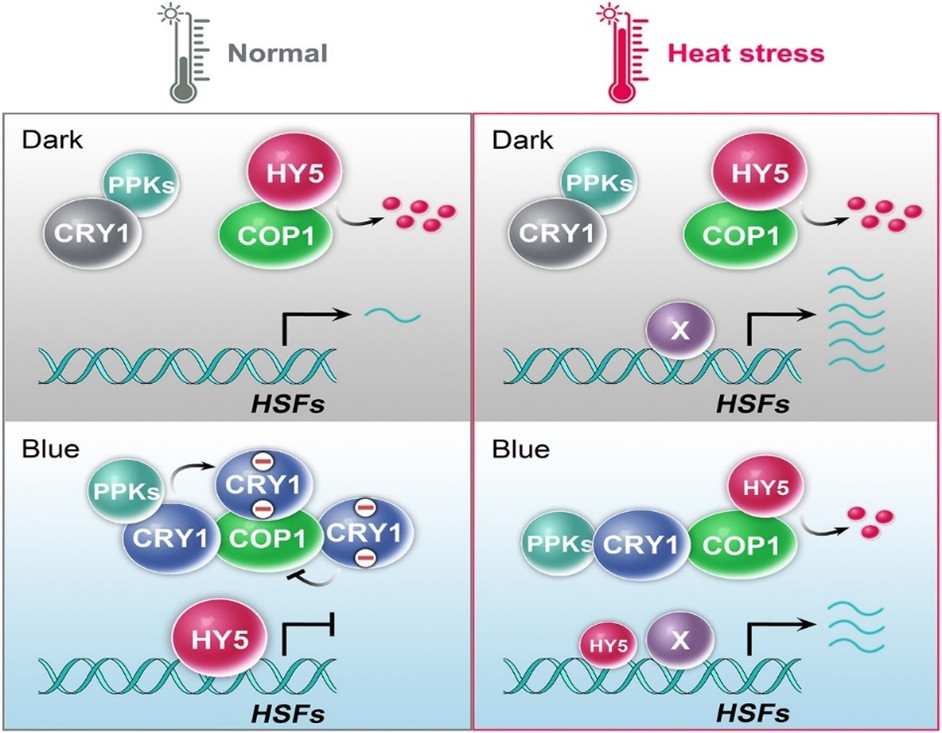 Plants use several photoreceptors to perceive light including the cryptochromes (CRYs), which are implicated in blue-light reception and coordinate developmental processes including photomorphogenesis. Here, Liu et al. shed light on how light and temperature cues simultaneously affect plants. They identified a molecular mechanism by which blue-light negatively regulates thermotolerance in Arabidopsis through the CRY1-COP1-HY5 signaling axis. At normal temperatures, CRY1 becomes phosphorylated in a photoregulatory protein kinase (PPK)-dependent manner, enhancing the interaction between CRY1 and CONSTITUTIVELY PHOTOMORPHOGENIC 1 (COP1), an E3 ubiquitin ligase. The interaction between CRY1 and COP1 inhibits COP1 activity, therefore ELONGATED HYPOCOTYL 5 (HY5) is stabilized. Accumulated HY5 proteins then bind to the promoters of the heat-shock transcription factors (HSF) genes, repressing their transcription and dampening the heat stress response under blue light. However, at high temperature, heat stress impairs the activity of PPKs, reducing CRY1 phosphorylation. Consequently, CRY1-mediated suppression of COP1 weakens, allowing it to regain its E3 ligase ability. The resulting degradation of HY5 lifts repression of HSF genes, leading to increased HSF expression compared to the response under blue light at normal temperatures. (Summary by Nathaniel Oragbon @NathanIgwe) Plant Comms. 10.1016/j.xplc.2025.101264
Florigen takes the heat: Flower production under fluctuating temperatures
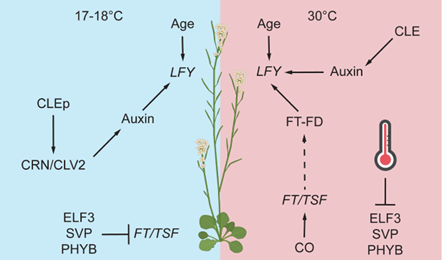 Flowers are not only a source of beauty and awe but also an important agronomical trait, since many crop yields depend on the proper timing of flowering. With increasing fluctuations in temperature, plants must finely tune the flowering process. In Arabidopsis thaliana, flower primordia formation at colder temperatures depends on CLAVATA (CLV) peptide signaling, but how flowers are maintained at warmer temperatures has remained unclear. In a new study, Smith et al. reveal that the mobile flowering signal florigen, composed of FLOWERING LOCUS T (FT) and TWIN SISTER OF FT (TSF), buffers flower production in warm environments. Using crn/clv2 mutants defective in CLV signaling, the authors found that heat-induced FT expression bypasses the requirement for CLV signaling, restoring flower primordia outgrowth. Surprisingly, this restoration does not rely on auxin biosynthesis. Instead, florigen interacts with shoot apical meristem transcriptional regulators such as FD and LEAFY to sustain flower initiation and development. Continuous florigen production after floral transition proved necessary to canalize flower formation, contrasting with florigen’s classic switch-like role in flowering time control. Together, the results show that CLV signaling and florigen act in parallel and synergistic pathways to ensure robust flower production across temperature regimes. These insights are highly relevant for future breeding efforts to create crop varieties resilient to temperature fluctuations. (Summary by Katarina Kurtović, katarinakurtovic.bsky.social) Curr. Biol. 10.1016/j.cub.2025.06.001
GIG1-based in vivo haploid induction offers a rapid breeding strategy in rapeseed
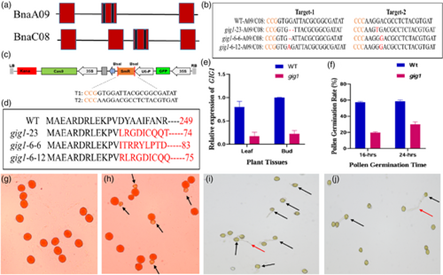 Producing completely homozygous lines in a single generation is crucial for accelerating hybrid breeding in crops like rapeseed (Brassica napus), yet conventional in vitro methods are time-consuming and genotype-sensitive. In this study, Bakhsh et al. developed an efficient in vivo haploid induction system by targeting GIGAS CELL1 (GIG1), a meiosis-related gene not previously used for haploid induction in rapeseed. Using CRISPR/Cas9, the authors edited two highly expressed GIG1 gene copies in floral tissues (BnaA09GIG1 and BnaC08GIG1), generating multiple mutant lines. Two of these, gig1-23 and gig1-6-12, successfully induced maternal haploids when crossed with several elite cultivars. Haploids were identified through a combination of green fluorescent protein (GFP) screening, molecular genotyping with simple sequence repeat markers, flow cytometry, and genome resequencing. These plants exhibited hallmark traits of haploidy, such as smaller floral organs, increased stomatal density, male sterility, and reduced pod size. The gig1 mutants induced haploids from both parental directions, with induction rates ranging from 1.88% to 2.3%, comparable to DOMAIN OF UNKNOWN FUNCTION 679 MEMBRANE PROTEIN (DMP)-based systems and more effective than those relying on centromeric histone mutations. Unlike earlier methods, this system enables reciprocal haploid induction, facilitating efficient cytoplasmic male sterility transfer without nuclear genome contamination. This study offers a stable, genotype-independent tool for rapid development of pure lines and hybrid seed production in rapeseed. (Summary by Muhammad Aamir Khan @MAKNature1998). Plant Biotechnol. J. 10.1111/pbi.70215
Priming and reverse priming: A new twist in plant immunity
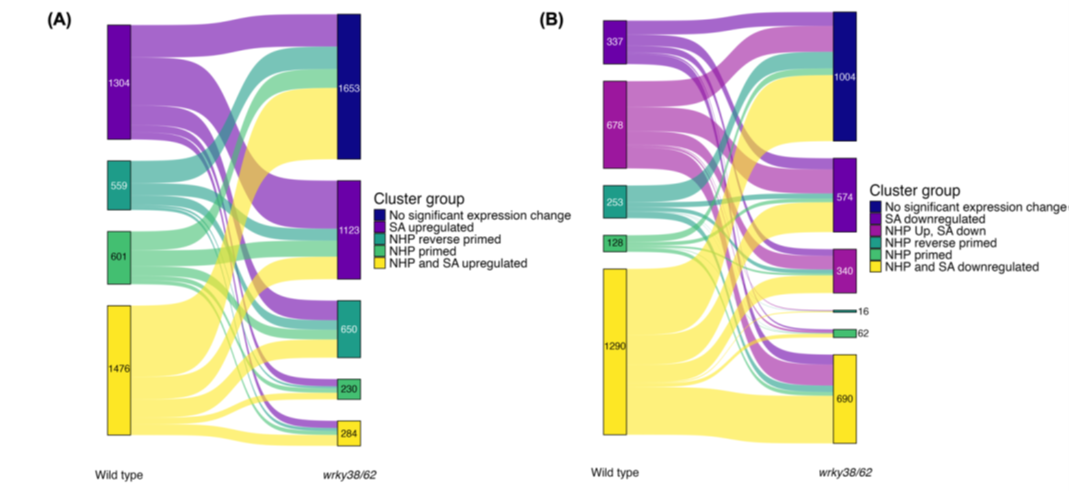 Plants have their own version of an immune system—and it’s smarter than you might think. Through a process called Systemic Acquired Resistance (SAR), plants can “remember” an attack and prepare for the next one, arming themselves with long-lasting, broad-spectrum immunity. When one leaf is infected, the plant sends signals to distant, uninfected tissues, essentially “priming” them for a faster and stronger defense in the future. A key player in SAR is the hormone salicylic acid (SA), but uncovering the exact mobile signals behind this systemic protection has been challenging. Recent studies highlight azelaic acid (AzA) and N-hydroxy-pipecolic acid (NHP) as strong candidates, since applying them externally can trigger SAR. To better understand their roles, Mason and colleagues compared the gene activity patterns triggered by SA, AzA, and NHP. Their findings were striking: NHP provided 10 times stronger protection than AzA and reshaped plant immunity by activating critical transcription factors WRKY38 and WRKY62. Even more intriguingly, NHP didn’t simply boost SA responses—it also suppressed certain SA-dependent genes, suggesting a sophisticated balance of “priming” and “reverse priming” to fine-tune plant defense. This discovery reveals that plant immunity is not just an on/off switch but a highly regulated network—one that could inspire new strategies for sustainable crop protection. (Summary by Ching Chan @ntnuchanlab) bioRxiv 10.1101/2025.04.17.649115

