

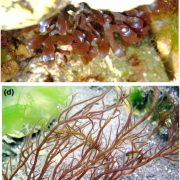
Review: Red macroalgae in the genomic era
Plant Science Research WeeklyI highly recommend this excellent and accessible article by Borg et al. that provides an overview of the red macroalgae, which “may have been the first eukaryotic lineage to have evolved complex multicellularity”. It’s full of fascinating information: although 97% of red algal species are marine,…

Review: How plant roots respond to waterlogging
Plant Science Research WeeklyAs the hottest year on record, 2023 has truly been a global annus horribilis during which humans, other animals, and domesticated and wild plants have faced unprecedented environmental challenges. In the past month alone, torrential rainfalls have wreaked havoc in Asia, the Middle East, and many parts…
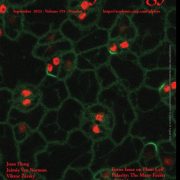
Plant Physiology Focus Issue: Plant Cell Polarity
Plant Science Research WeeklyThe September issue of Plant Physiology has a focus on plant cell polarity, which plays a pivotal role in the fundamental processes that dictate plant growth, development, and adaptation. By establishing distinct regions within cells, plant cell polarity is crucial for regulating asymmetric cell divisions,…
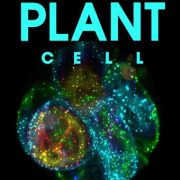
The Plant Cell Focus Issue: Biomolecular Condensates
Plant Science Research WeeklyThe September issue of The Plant Cell includes a focus on biomolecular condensates. Although the term “biomolecular condensates” is relatively new, it actually reflects a convergence and synthesis of several distinct threads of research. Biomolecular condensates span from “classic” membraneless…
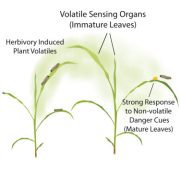
Immature leaves are the dominant volatile-sensing organs of maize
Plant Science Research WeeklyIt’s well established that damaged plant tissues emit volatile compounds that bolster defense responses in nearby plants, but how those neighbors sense these compounds has remained obscure. This new work by Wang et al. reveals some important clues. First, as the title indicates, immature leaves are…
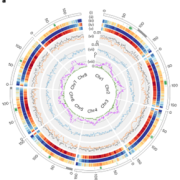
Genetic architecture of heterostyly and domestication history of common buckwheat
Plant Science Research WeeklyCommon buckwheat (Fagopyrum esculentum) is a self-incompatible orphan crop which is gaining interest as it can be grown worldwide and grows well in low fertility soil. However, there are limited genomic resources available for common buckwheat. Here Fawcett et al. combined Illumnia short-read data with…
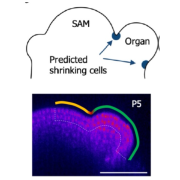
Water fluxes contribute to growth patterning in shoot meristems
Plant Science Research WeeklyThe shoot apical meristem (SAM) is a wonderous thing. How this tiny clump of cells generates the entire above-ground organ system regularly, predictably, and dynamically is a question that has been investigated for decades, with models incorporating cascades regulatory genes, diffusible peptides, hormone…
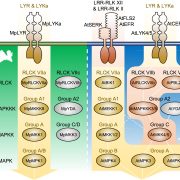
LysM-mediated signaling in Marchantia polymorpha and conservation of PTI in land plants
Plant Science Research WeeklyMarchantia polymorpha, the common (but adorable) liverwort, has earned its spot in the ranks of very important plant model systems, joining Physcomitrium patens as representatives of the bryophyte clade. Many systems first characterized in Arabidopsis and other angiosperms are now being studied in these…
Plant Science Research Weekly: Sept. 8, 2023
WWR Full PostReview: Red macroalgae in the genomic era
I highly recommend this excellent and accessible article by Borg et al. that provides an overview of the red macroalgae, which “may have been the first eukaryotic lineage to have evolved complex multicellularity”. It’s full of fascinating information:…