

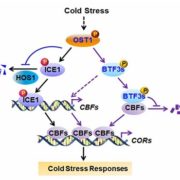
OST1‐mediated BTF3L phosphorylation positively regulates CBFs during plant cold responses (EMBO J)
Plant Science Research WeeklyDing et al. have just elucidated an important protein involved in the cold response of plants: BTF3L (basic transcription factor 3-like). The CBF/DREB (C-repeat binding factor/dehydration-responsive element protein) family of transcription factors are the main cold responsive pathway. The new article…

Women in STEMM: Will the gender gap close in your lifetime? (PLOS Biol)
Plant Science Research WeeklyGender inequality has been a much-discussed topic in recent years, and many studies on gender inequality relating to employment, business success, and opportunities for education have recently been published. Academia is no different, and gender inequality is still a major concern in the Science, Technology,…
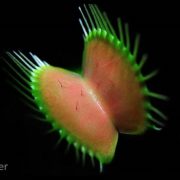
Review: Venus Flytrap: How an excitable, carnivorous plant works ($) (Trends Plant Sci)
Plant Science Research WeeklyThe one sure-fire way to get children excited about plants is to show them how a Venus flytrap works. But how does it work? We’ve all heard that the trap “counts” the number times it is triggered, and that it requires two or more touches in quick succession to close – but how does it count? Hedrich…
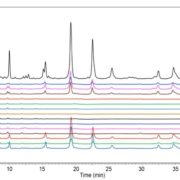
A moss glycosyltransferase produces a novel cell wall arabinoglucan ($) (Plant Cell)
Plant Science Research WeeklyPlants produce a wide range of polysaccharides in their cell walls, some of which are restricted to certain species. Roberts et al. investigated a moss gene encoding an enzyme that resembles a mixed-linkage (1,3;1,4)-β-glucan (MLG) synthase. When expressed in tobacco, this enzyme produces a novel unbranched,…

BRI1 and BAK1 interact with G proteins and regulate sugar-responsive growth and development (Nature Comms.)
Plant Science Research WeeklySensing sugar is important, especially if you are a plant, as it helps you to decide whether to invest it in new tissues, or rather store it for later. Low levels of glucose promote seedling growth, while high concentrations repress the development. Peng et al. discovered that brassinosteroid signaling…

Comparative analysis of Arabidopsis ecotypes reveals a role for brassinosteroids in root hydrotropism (Plant Physiol.)
Plant Science Research WeeklyPlastic plant growth serves them well, as it ensures efficient exploration of the environment. A plant can direct the growth of its roots towards the water, but the mechanisms behind hydrotropism are still to be fully understood. Miao et al. performed a screen of 30 Arabidopsis accessions for altered…
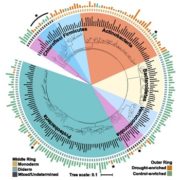
Increase in monoderm bacteria in drought-delayed early sorghum root microbiomes (PNAS)
Plant Science Research WeeklyDrought stress drastically decreases crop productivity. Some root-associated bacteria have been shown to decrease the negative effects of drought stress on plants, but the role of drought in the development of the root microbiome has not been studied. Xu and colleagues use root metabolomics and 16S rRNA…
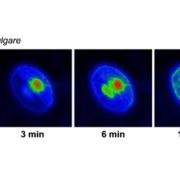
Guard cells in fern stomata are connected by plasmodesmata, but control cytosolic Ca2+ levels autonomously (New Phytol)
Plant Science Research WeeklyPotassium (K+) and calcium (Ca2+) ions are important for stomatal function in seed plants, however little is known about the contributions of these ions in the stomata of bryophytes and early-branching vascular plants. Voss et al. focus on how fern stomata regulate ion transport. Injection of K+ into…
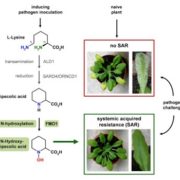
Emergence of N-hydroxy-pipecolic acid as a key long-distance immunity signal in Arabidopsis
Plant Science Research WeeklySystemic acquired resistance is a form of long-distance immunity employed by plants to protect distal uninfected tissues upon localized pathogen attack. Over the past two decades, a number of putative long-distance signals have been described as regulators of systemic immunity including the lysine catabolite…