


Mechanism of rice blast fungus recognition revealed
The Plant Cell, The Plant Cell: NewsRice is an important food crop in China, but the damage of rice blast fungus is an important factor affecting the high and stable yield of rice. Liu Jun's research group of the Institute of Microbiology, Chinese Academy of Sciences found in the previous study that when rice blast fungus infects rice,…

Recognizing Plant Cell first authors: Zihao Li
Plant Physiology, Plant Physiology: Author ProfilesZihao Li, first author of Uncoupled Expression of Nuclear and Plastid Photosynthesis-associated Genes Contributes to Cell Death in a Lesion Mimic Mutant
Current Position: Ph.D. candidate, CAS center for Excellence in Molecular Plant Sciences, Shanghai center for Plant Stress Biology, University of…
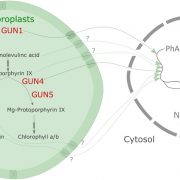
Another gun Dismantled: ABSCISIC ACID INSENSITIVE4 Is Not a Target of Retrograde Signaling
Blog, Plant Physiology, Plant Physiology: News and ViewsBy Amna Mhamdi and Charlotte M.M. Gommers
The nuclear genome encodes the majority of chloroplast-localized proteins and, in return, chloroplasts exert some control over nuclear gene expression via so-called retrograde signals. These signals derive from developing chloroplasts (referred to as biogenic…
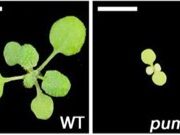
Moonlighting Enzymes: How Often Are We Missing Secondary Functions?
Blog, Plant Physiology, Plant Physiology: News and ViewsWe think of enzymes as highly specific catalysts that carry out one reaction and show nearly absolute substrate specificity. However, absolute specificity is the exception, not the rule, as most enzymes accept several structurally similar substrates. Moreover, many enzymes catalyze alternative reactions…
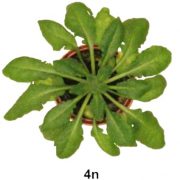
Plant Cell Wall Composition: Does Ploidy Matter?
Blog, Plant Physiology, Plant Physiology: News and ViewsMost of the carbon dioxide sequestered by plants during photosynthesis is converted into sugars and stored into polysaccharide-enriched cells walls that constitute the majority of the plant biomass. While plants have long been considered a valuable resource of biomaterials for the chemical and textile…

Recognizing Plant Physiology first authors: Mateusz Bajczyk
Plant Physiology, Plant Physiology: Author ProfilesMateusz Bajczyk, first author of Novel nuclear functions of Arabidopsis ARGONAUTE1: beyond RNA interference
Current Position: Ph.D. student, Department of Gene Expression, Institute of Molecular Biology and Biotechnology, Adam Mickiewicz University in Poznan, Poland
Education: M.S. in Biotechnology,…

Recognizing Plant Cell first authors: Ruiqing Lv
The Plant Cell, The Plant Cell: Author ProfilesRuiqing Lv, first author of Uncoupled Expression of Nuclear and Plastid Photosynthesis-associated Genes Contributes to Cell Death in a Lesion Mimic Mutant
Current Position: Ph.D. student, CAS center for Excellence in Molecular Plant Sciences, Shanghai center for Plant Stress Biology, University…

Recognizing Plant Cell first authors: Minmin Du
The Plant Cell, The Plant Cell: Author ProfilesMinmin Du, first author of MYC2 Regulates the Termination of Jasmonate Signaling via an Autoregulatory Negative Feedback Loop
Current Position: Postdoc, Department of Plant & Microbial Biology, University of Minnesota, Twin Cities
Education: PhD, School of Horticulture, Northeast Agricultural…
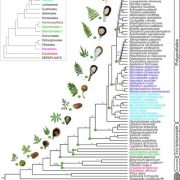
Large-scale phylogenomic analysis resolves a backbone phylogeny in ferns (GigaScience)
Plant Science Research Weekly
A look back at the most popular articles shared on Plantae social media in 2018.
Plantae Social Media Interns Katie Rogers and Juniper Kiss have been reviewing the 2018 stats. Previously they shared the most popular posts overall. Here, they share the posts to research and review articles that…