

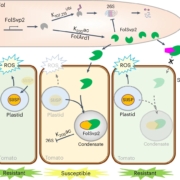
Tomato PR1 protein prevents the fungal effector FolSvp2 from suppressing SlISP-mediated ROS production
Plant Science Research WeeklyPlants and pathogens are locked in a co-evolutionary arms race. Pathogens secrete effectors into plants, leading to effector-triggered susceptibility. Plants in turn respond through the production of reactive oxygen species (ROS) and the expression of defence-related genes to defend themselves, which…
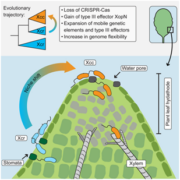
Shaping pathogenicity: How CRISPR-Cas loss fuels Xanthomonas evolution
Plant Science Research WeeklyPathogens have evolved diverse infection strategies governed by virulence factors, often targeting specific host organs or tissues. Genome fluidity plays a crucial role in enabling microbial pathogens to adapt to the dynamic selection pressures imposed by co-evolution with their hosts. In a recent study,…
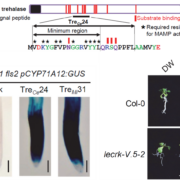
LecRK-V and trehalose-associated immunity: a conserved defense mechanism across kingdoms
Plant Science Research WeeklyMembrane-localized receptor-like kinases (RLKs) are essential for perceiving diverse signaling molecules, including proteins, polysaccharides, hormones, reactive oxygen species, ions, and damage-associated molecular patterns. Among the well-characterized RLKs, FLS2, EFR, and CERK1 are known to recognize…
Plant Science Research Weekly: February 21, 2025
WWR Full PostPerspective: How should the advancement of large language models affect the practice of science?
In this thought-provoking Perspective, four sets of authors express their opinions about the use of Large Language Models (such as ChatGPT) in the practice of science. Each essay is well reasoned, and…

2025 Black History Month: Black Plant Scientists Spotlight
Blog, CommunityA Message from the Initiative Originator, Kevin Cox Jr., Ph.D:
What has become a tradition of mine since February 2021, every day of Black History Month I highlight a Black botanist, resulting in over 110 Black botanists and their work being highlighted and amplified by others over the last four years.…

ASPB Reaffirms Its Commitment to Diversity and Inclusion
Blog, CommunityAlong with many others, we have done our best to absorb the deluge of executive actions that have taken place over the past few weeks. We recognize the harm they are causing to both individuals and institutions, as well as the cascading impact they have on the plant biology workforce and, by extension,…

Embracing Neurodivergence in the Plant Science Community
Blog, CommunityNeurodivergence refers to the variations in human neurocognitive functioning, encompassing conditions such as autism spectrum disorder (ASD), attention deficit hyperactivity disorder (ADHD), dyslexia, and others. The term "neurodivergence" comes from the broader concept of "neurodiversity," a term often…
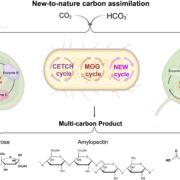
Review: Genetic engineering for carbon assimilation in plants
Plant Science Research WeeklyRubisco (Ribulose‐1,5‐bisphosphate carboxylase/oxygenase) is the central enzyme for photosynthesis, This enzyme poorly discriminates between CO2 and O2, which limits its efficiency. To work around this and make carbon assimilation more efficient, scientists have been employing different engineering…
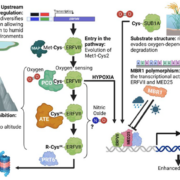
Review: Geography, altitude, agriculture, and hypoxia
Plant Science Research WeeklyHypoxia, or reduced oxygen availability, is a double-edged sword: while it disrupts metabolism and can cause cell death, it also plays a vital role in regulating development in animals and plants. With extreme flooding increasing due to climate change, understanding how genetic variation enhances hypoxia…