

Review: Challenges to improving plant growth through introduced microbes
Plant Science Research WeeklyPlants are closely associated with large numbers of microbes that live in, on, and around them; these are collectively called the plant microbiota. Microbes can be pathogenic, neutral, or beneficial. Beneficial microbes might enhance nutrient uptake by the plant or suppress pathogenic microbes. There…
Listening to the whispers in the air: Plant eavesdropping in action
Plant Science Research WeeklyPlants release a variety of volatile organic compounds (VOCs), including green leaf volatiles (GLVs), terpenoids, and amino acid derivatives, in response to herbivore damage and injury. Healthy neighboring plants detect these VOCs as warning signals, prompting them to activate defense mechanisms. This…
Mechanism by which viruses are excluded from plant stem cells
Plant Science Research WeeklyHorticulturalists have long used the technique of meristem culture to propagate plants, as meristems are generally considered to be free of viruses. However, the mechanism by which the stem cells in meristems exclude viruses has been unclear. Here, Incarbone and Bradamante et al. identified roles for…

Review: Improving RNA-based crop protection through nanotechnology and insights from cross-kingdom RNA trafficking
Plant Science Research WeeklyThe German physician Paul Ehrlich (not to be confused with the American scientist of the same name) coined the term “magic bullet” (zauberkugel) to describe something that is perfectly and accurately effective. As much as we dream of magic bullets, they are rarely found, but the idea of using spray-on…
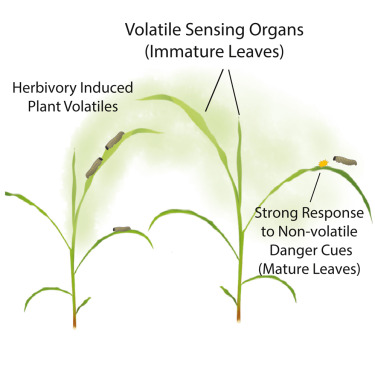
Immature leaves are the dominant volatile-sensing organs of maize
Plant Science Research WeeklyIt’s well established that damaged plant tissues emit volatile compounds that bolster defense responses in nearby plants, but how those neighbors sense these compounds has remained obscure. This new work by Wang et al. reveals some important clues. First, as the title indicates, immature leaves are…
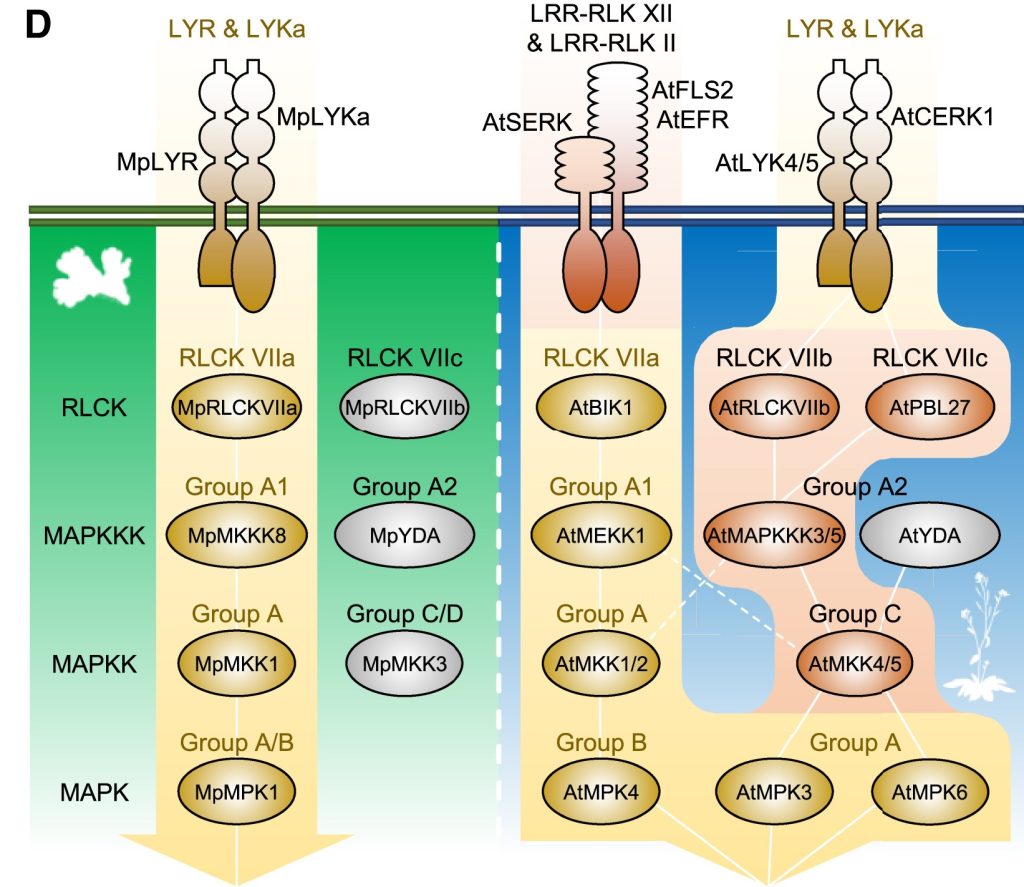
LysM-mediated signaling in Marchantia polymorpha and conservation of PTI in land plants
Plant Science Research WeeklyMarchantia polymorpha, the common (but adorable) liverwort, has earned its spot in the ranks of very important plant model systems, joining Physcomitrium patens as representatives of the bryophyte clade. Many systems first characterized in Arabidopsis and other angiosperms are now being studied in these…
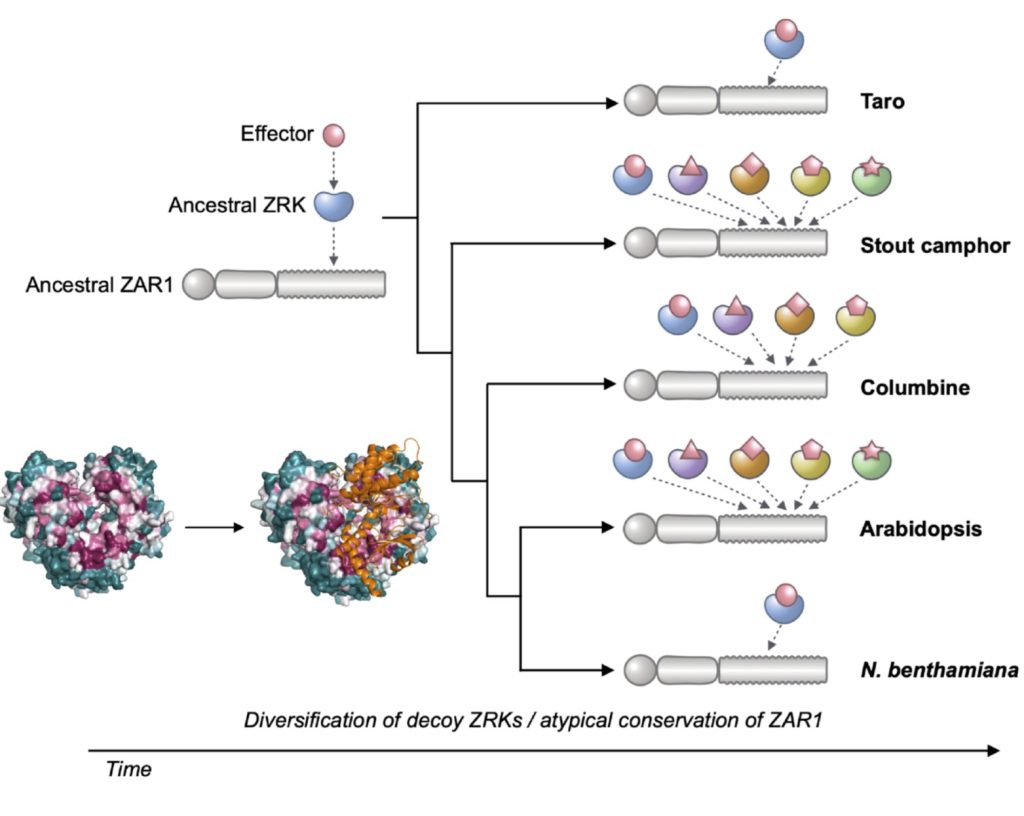
Jurassic ZAR; Insights from an atypically conserved immune receptor
Plant Science Research WeeklyIt’s a well-established fact that some proteins are highly variable across species, and others such as histones hardly vary at all. Highly conserved proteins such as histones have very little wiggle room in their structure; small changes can lead to a loss of function. However, for some other proteins…

Genome editing to enhance broad-spectrum disease resistance in rice without compromising yield
Plant Science Research WeeklyDeveloping broad-spectrum disease resistant crops without compromising the yield has been a persistent challenge in maintaining global food security. In a breakthrough study, Sha et al. developed a promising multi-pathogen resistant rice mutant that retains the crop’s yield, using forward genetic screen…
Bioengineered “pikobodies” confer plant disease resistance
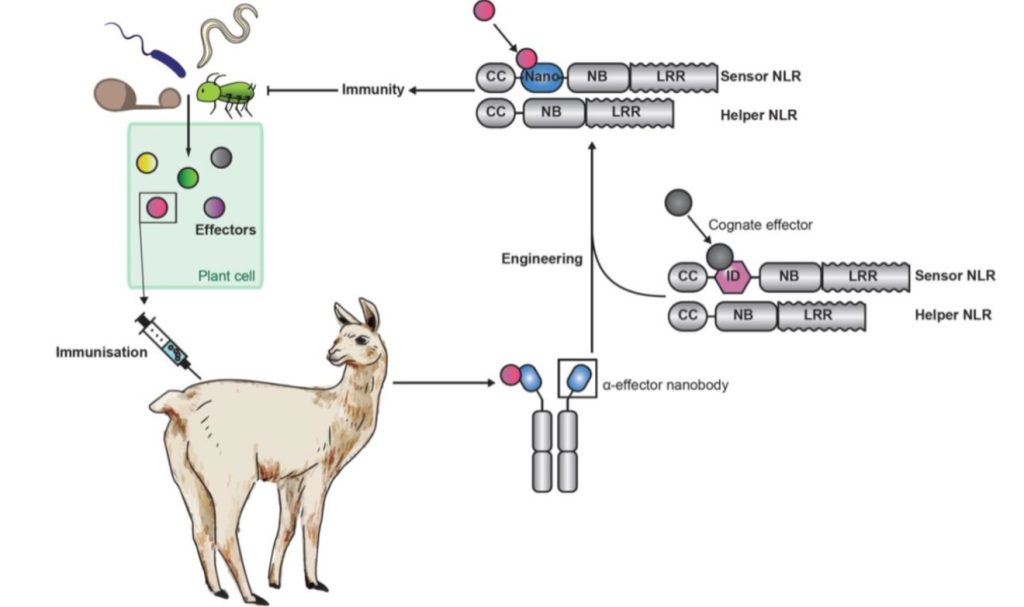
Plant Science Research WeeklyThe vertebrate adaptive immune system is truly an evolutionary marvel. With its ability to mix-and-match segments of immunoglobulin genes, a nearly unlimited diversity of antigens can be recognized. Plants lack this ability, greatly limiting the number of antigens (and pathogens) any individual can recognize.…