

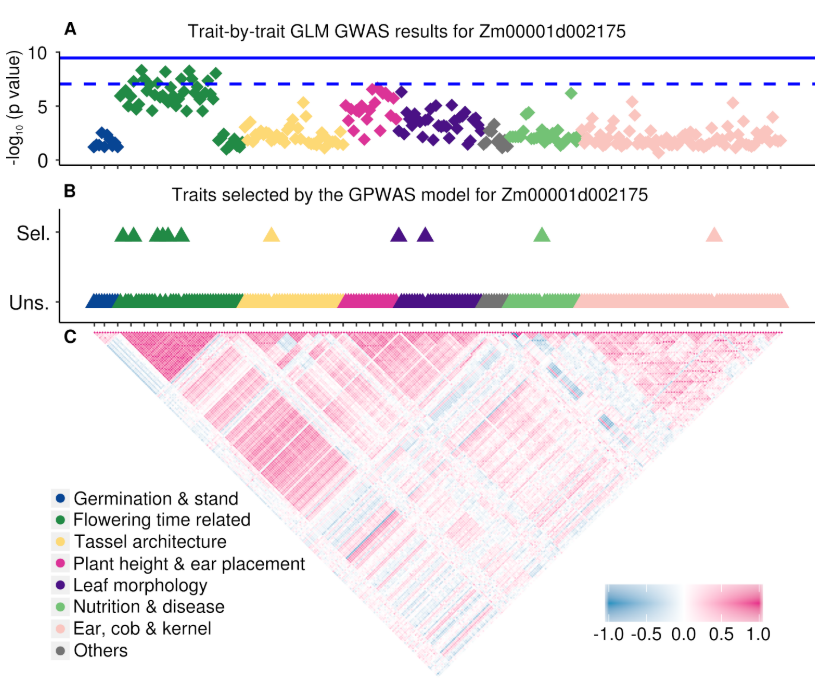
Genome-phenome wide association in maize and Arabidopsis identifies a common molecular and evolutionary signature (Mol. Plant)
Plant Science Research WeeklyGenome-wide association studies (GWAS) are widely used to link natural genetic variation to trait variation, with a single or a select few correlated traits assessed. High-throughput phenotyping allows the scoring of hundreds of individuals for various traits at several time points. An undeniable consequence…
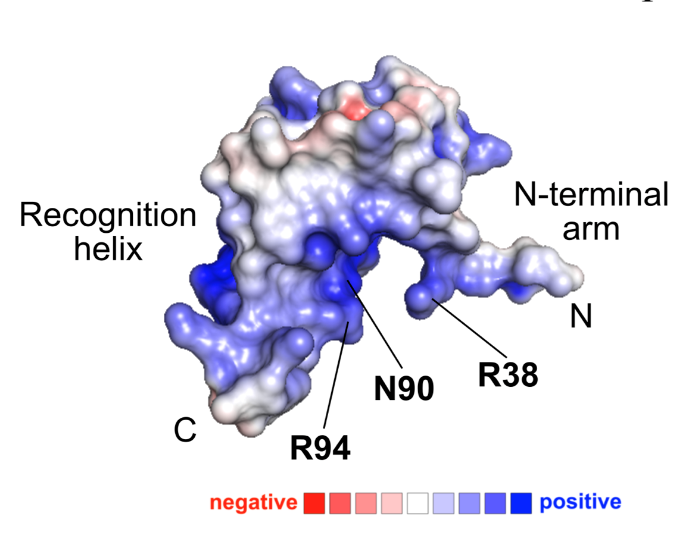
Structural basis for WUSCHEL binding (bioRxiv)
Plant Science Research WeeklyThe transcription factor WUSCHEL (WUS) plays a central role in organization of the shoot meristem. The three-helix bundle homeodomain in WUS can bind to several distinct DNA sequence motifs in many target genes promoters, but a structural view of these binding events has been lacking. Here Sloan et al.…
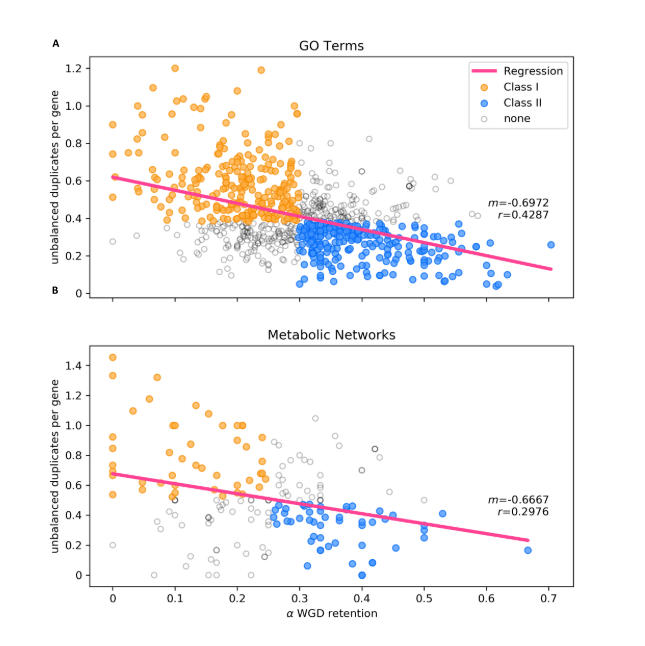
Gene balance predicts transcriptional responses immediately following ploidy change in Arabidopsis thaliana (Plant Cell)
Plant Science Research WeeklyThroughout evolutionary time polyploidization events have occurred frequently, increasing the gene copy number (gene dosage) of multiple angiosperms. The gene balance hypothesis proposes that there is selection on gene copy number to maintain the stoichiometric balance between dosage-sensitive genes…
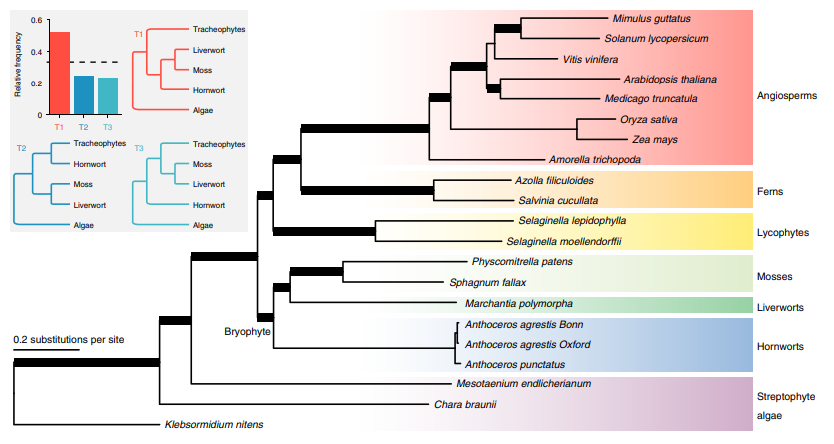
Hornwort genomes (Nature Plants)
Plant Science Research WeeklyA major update in plant genome information is taking place. Two independent groups have published genomes of hornwort species from the Anthoceros genus. Both papers arrive at similar conclusions supporting the model of a single “Setaphyta” clade, with hornworts sister to liverworts and mosses. These…
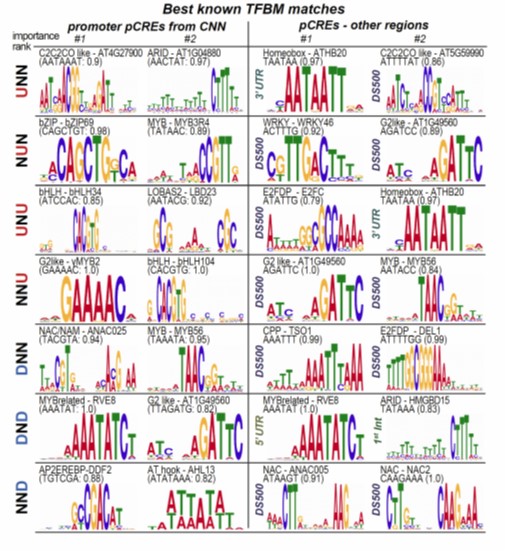
The cis-regulatory codes of response to combined heat and drought stress (bioRxiv)
Plant Science Research WeeklyAs sessile organisms, plants must not only respond to a single stress, but multiple stresses at the same time. To understand the DNA regulatory elements that mediate the transcriptional response to heat, drought and combined heat and drought stress, Azodi et al. utilized the known transcription factor…
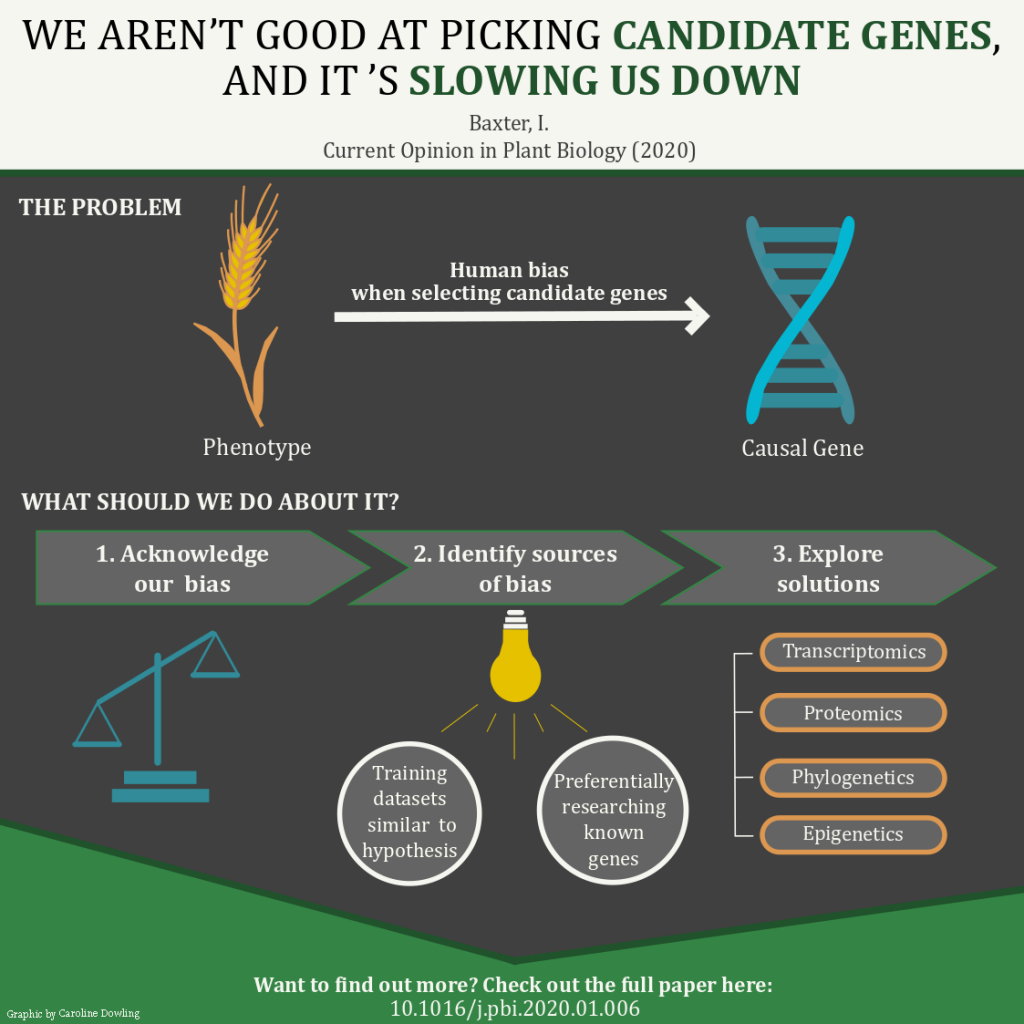
Opinion: We aren’t good at picking candidate genes, and it’s slowing us down (COPB)
Plant Science Research WeeklyRecent advances have facilitated the generation of huge phenotypic datasets from plant populations. However, the means to inexpensively organise such datasets to unequivocally determine causal genes has evaded researchers. Here, Baxter discusses how human bias when selecting candidate genes is compromising…
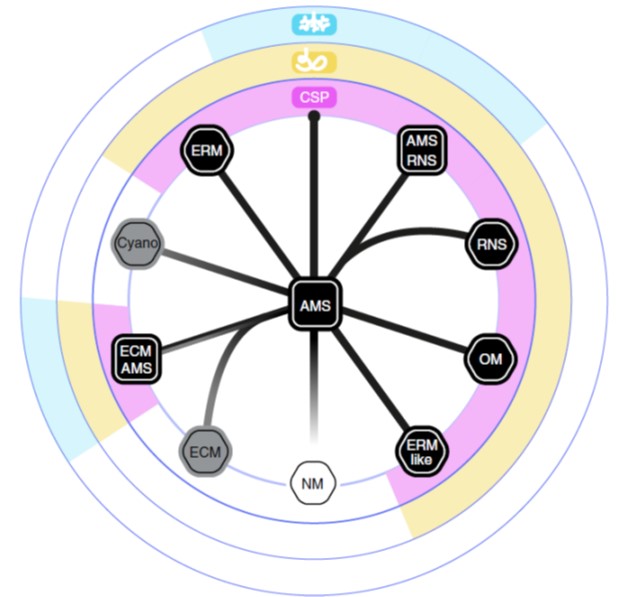
An ancestral signalling pathway is conserved in intracellular symbioses-forming plant lineages ($) (Nature Plants)
Plant Science Research WeeklyIt’s widely thought that plants acquired the ability to live on land thanks to a little help from their friends, specifically arbuscular mycorrhizal fungi. Even now, most land plants form mutually beneficial associations with fungi or bacteria, and these often involve the plant cells acting as hosts…
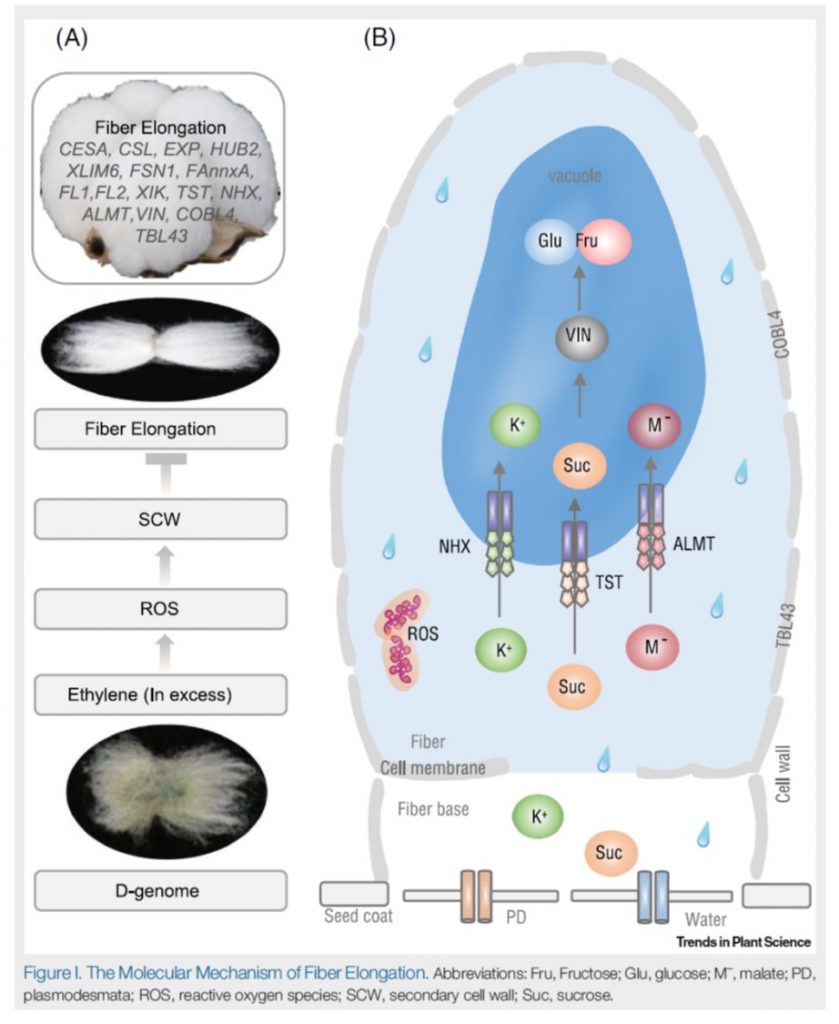
Review. Gossypium genomics: Trends, scope, and utilization for cotton improvement (Trends Plant Sci)
Plant Science Research WeeklyCotton (Gossypium spp.) provides the world’s most important natural fiber, and I suspect with our growing realization of the problems with plastics there will be still more demand for it. Yang et al. review the current state of Gossypium genomics. As a crop that has been domesticated for millennia,…

Expression atlas of Selaginella moellendorffii provides insights into the evolution of vasculature, secondary metabolism, and roots (Plant Cell)
Plant Science Research WeeklyLycophytes, including the model species Selaginella moellendorffii, are extant (still alive today) seedless vascular plants that were particularly abundant around 400-300 million years ago (and major contributors to the formation of coal). To further understand the biology of some of these oldest extant…