

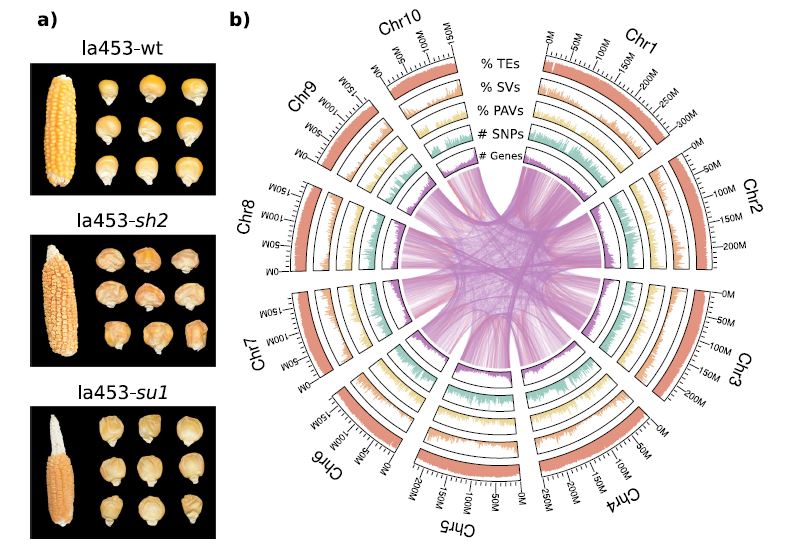
Genome assembly and population genomic analysis provide insights into the evolution of modern sweet corn (Nature Comms)
Plant Science Research WeeklyIn maize (Zea mays), loss of function mutations in genes involved in starch biosynthesis characterize sweet corn varieties that have increased sugar content in the kernel. Specifically, lines carrying the shrunken2 (sh2) allele revolutionized the corn industry in Northern America in the last 50 years…
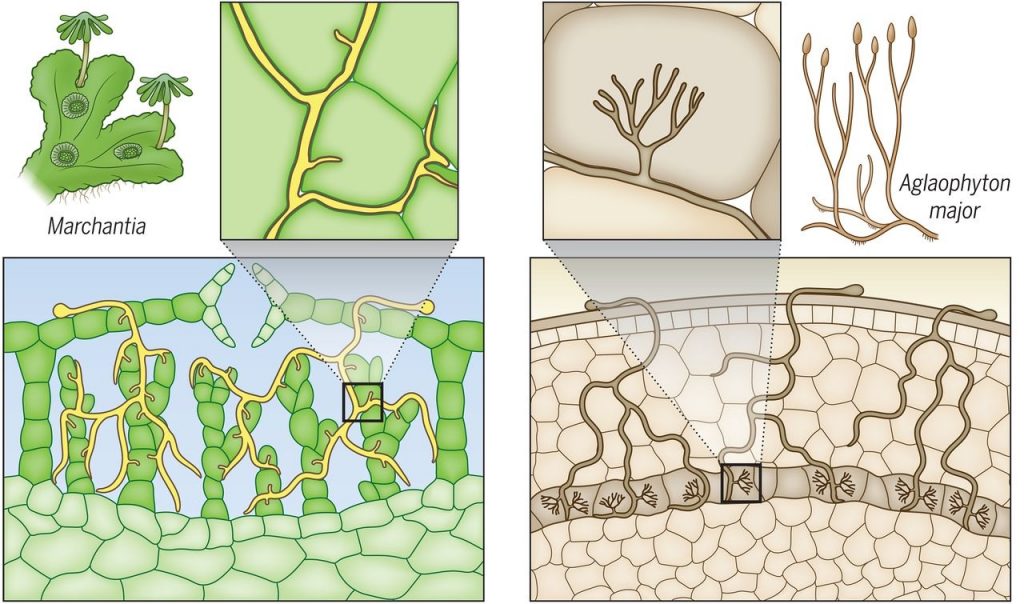
Review: Plant evolution driven by interactions with symbiotic and pathogenic microbes (Science)
Plant Science Research WeeklyOne of the great questions in plant science has been, “How do plants recognize friend from foe?” Like most great questions, this one benefits from a historical perspective. In their new review, Delaux and Schornack look at plant evolution through the lens of plant interactions with symbiotic and…
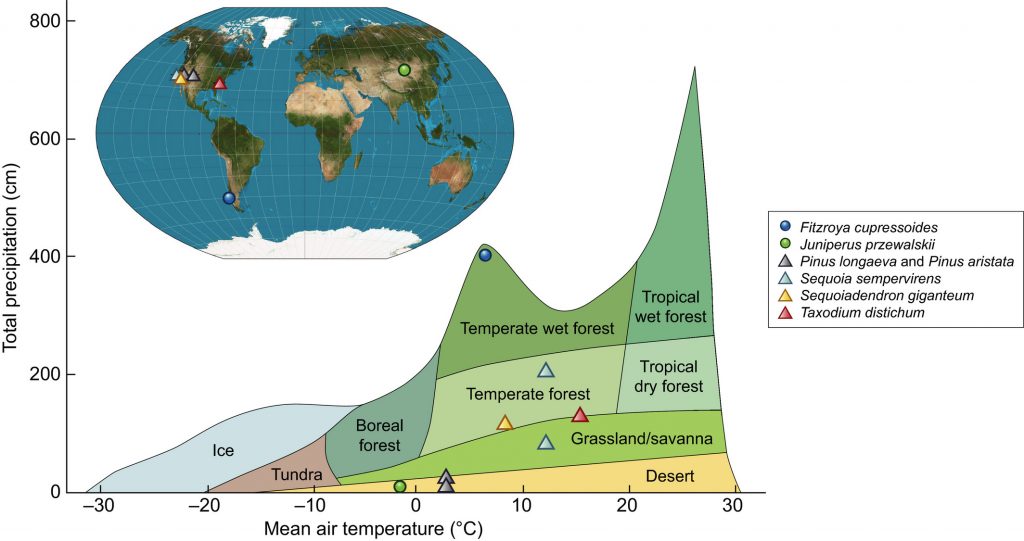
Review: On tree longevity (New Phytol)
Plant Science Research WeeklyEveryone enjoys hearing about ancient trees that have been alive since various events in human history, but did you ever stop to wonder why some trees live for millennia and others don’t? If so, you’ll want to read this Tansley Review by Piovesan and Biondi. One of their first observations is that…
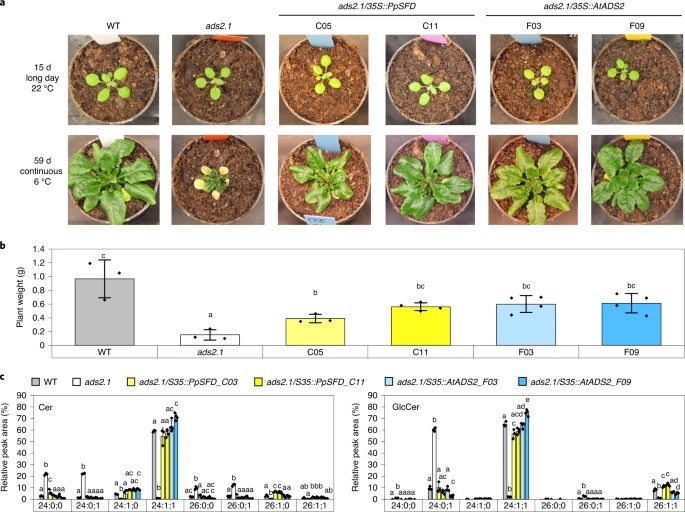
Convergence of sphingolipid desaturation across over 500 million years of plant evolution (Nature Plants)
Plant Science Research WeeklyIf you remember your biochemistry, lipids that are saturated (without double bonds) pack more tightly and therefore have a higher melting temperature than those that are unsaturated, therefore bend and pack less tightly (think of margarine versus oil). Plants can modify their membranes in a temperature-responsive…
Deeply altered genome architecture in the endoparasitic flowering plant Sapria himalayana Griff. (Curr. Biol.)
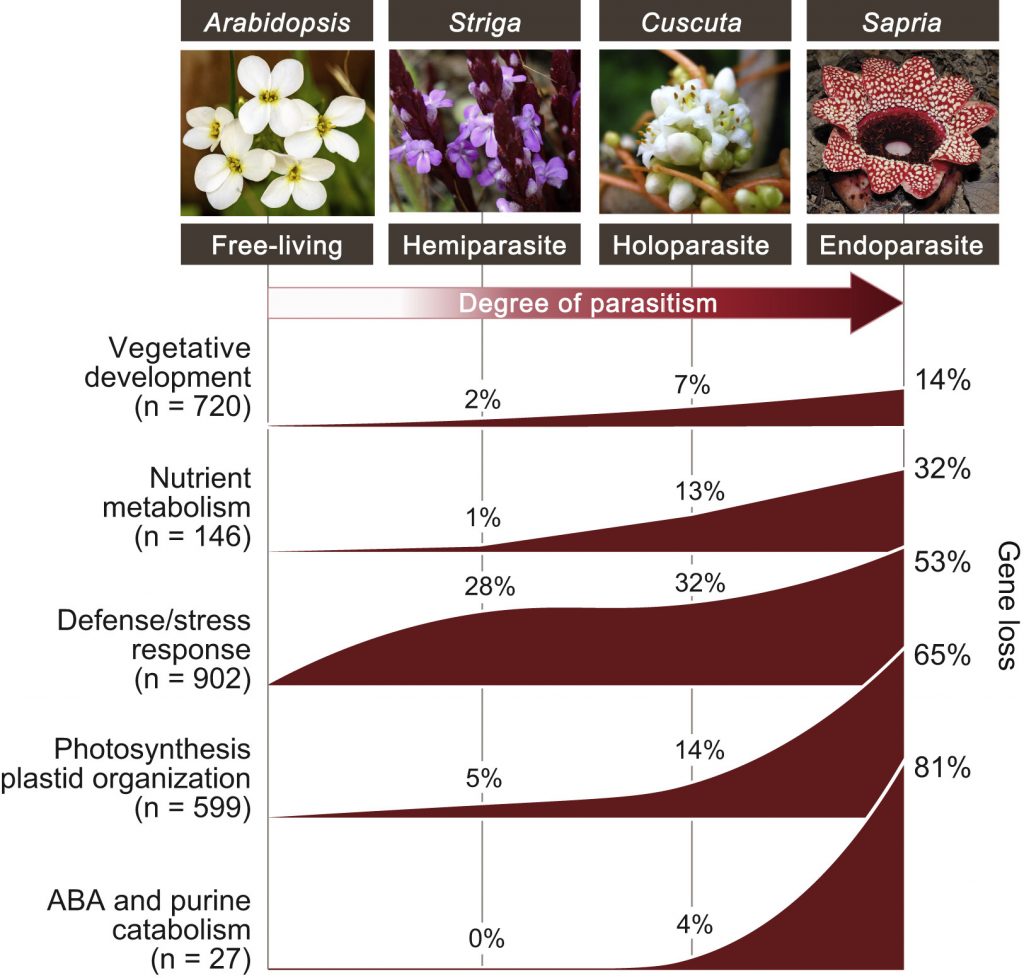
Plant Science Research WeeklyIt’s one of those plants that gets noticed, so we’re excited to see the press associated with the genome sequence of the large endoparasitic plant Sapria himalayana. Everyone has seen pictures of this plant, which lives entirely underground except when it produces its large (20 cm diameter) blood…
Review: Molecular mechanisms involved in functional macroevolution of plant transcription factors (New Phytol)
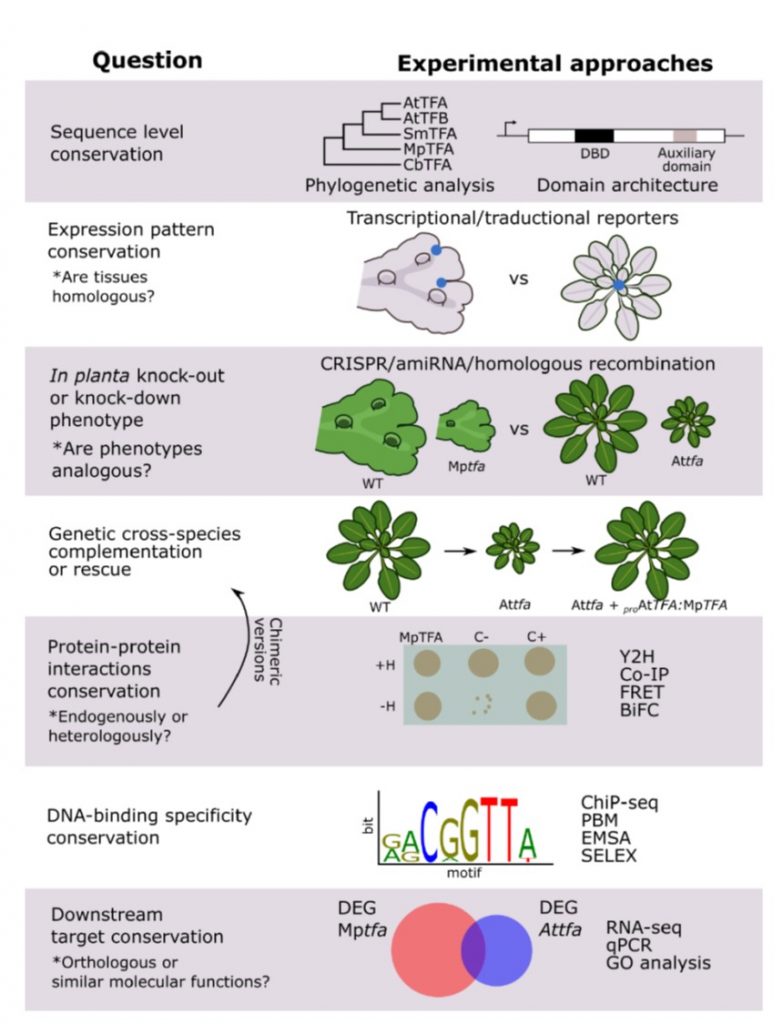
Plant Science Research WeeklyTranscription factors (TFs) are very important actors through which evolution can operate. In every organism and system studied, starting with the seminal work of Jacob and Monod, they’ve been shown to be potent regulatory proteins. Here, Romani and Moreno review the contributions of plant transcription…
Functional innovations of PIN auxin transporters mark crucial evolutionary transitions (Science)
Plant Science Research Weekly
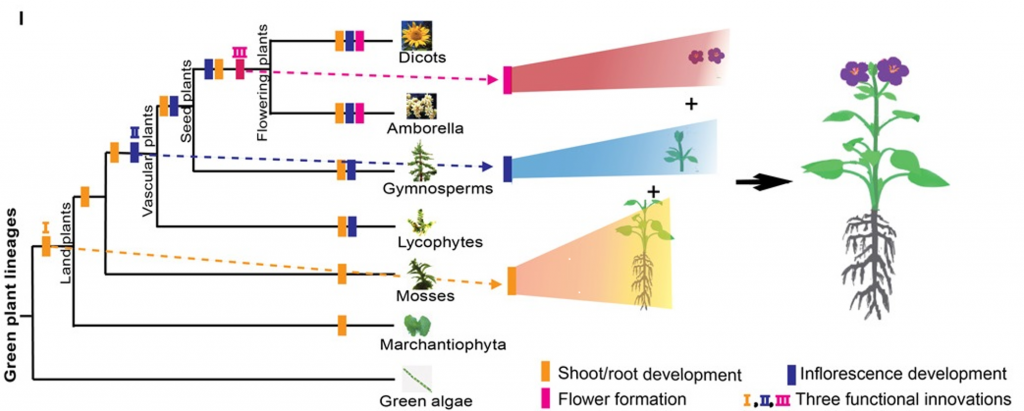
Complex multicellular flowering plants evolved from simple unicellular algae. This evolutionary transition was driven by crucial innovations in plant anatomy like shoot and root, inflorescence and flowers. Multiple studies have demonstrated the role of local auxin gradients in determining the development…
Review: The mechanical feedback theory of leaf lamina formation ($) (Trends Plant Sci.)
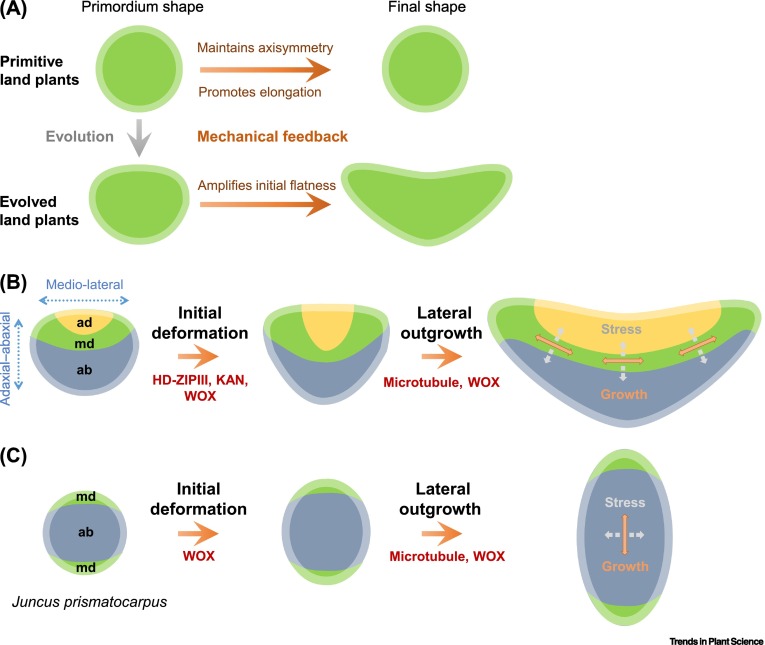
Plant Science Research WeeklyThe contribution of microtubule orientation to the direction of cell expansion is familiar to most; when microtubules wrap around the middle of a cell like a belt, the cell expands in the perpendicular direction to become longer. Recent studies have extended this idea and proposed that the mechanical…
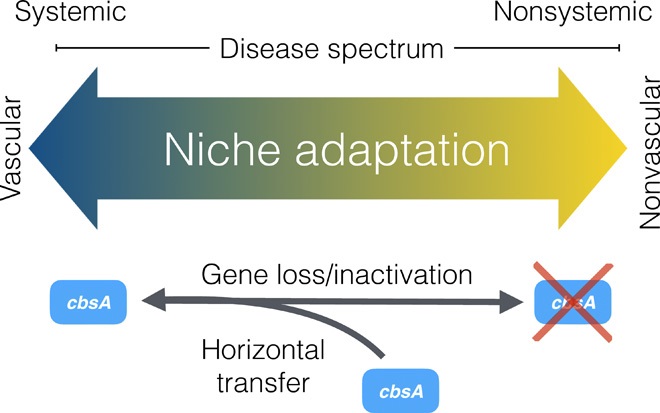
Repeated gain and loss of a single gene modulates the evolution of vascular plant pathogen lifestyles (Science Advances)
Plant Science Research Weekly
Within the bacterial genus Xanthomonas there are many plant pathogens, some of which colonize living cells within leaves, and others of which are vascular pathogens that colonize and spread through vascular tissues. Gluck-Thaler et al. looked at genomes from sets of closely related bacteria that…