


Major domestication-related phenotypes in indica rice are due to loss of miRNA-mediated laccase silencing (Plant Cell)
Plant Science Research WeeklyRice (Oryza sativa) is derived from breeding of perennial wild ancestors with long stalks and few seeds to short plants with enlarged panicles (inflorescences). Many known domestication changes are due to changes in transcription factors or modulation of enzymatic actions. Recent work by Swetha et al.…
Contribution of epigenetic variation to adaptation in Arabidopsis (Nature Comms)
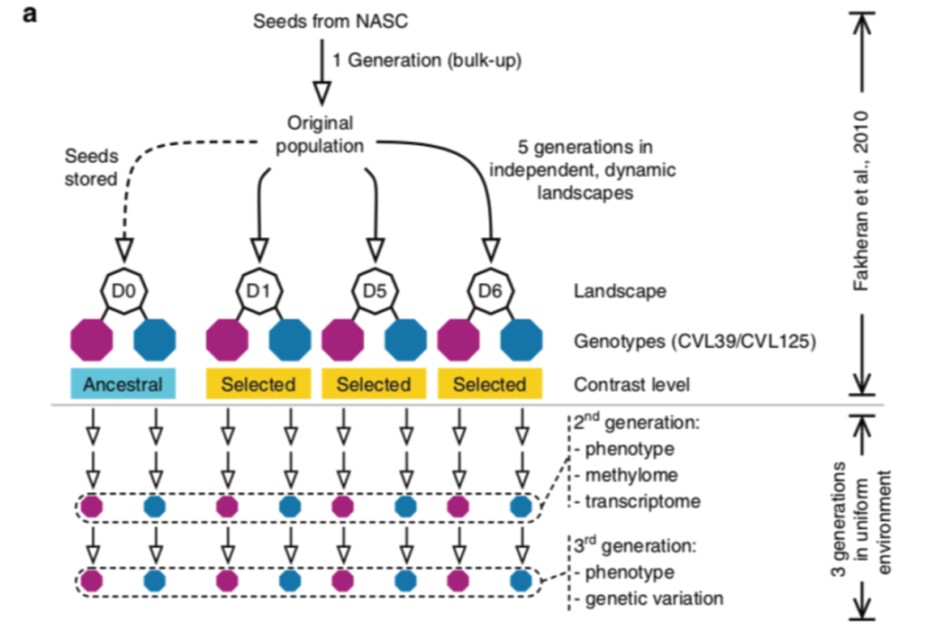
Plant Science Research WeeklyIt is known that changes in the epigenetic state can be inherited, but whether the epigenetic changes are subject to natural selection is uncharted territory. Schmid et al. examined the phenomic and epigenomic changes in Arabidopsis accessions that underwent selection to simulated habitat fragmentation.…
The imprinted gene PEG2 acts as a sponge for the transposon-derived siRNA854, inducing postzygotic reproductive isolation (Devel. Cell)
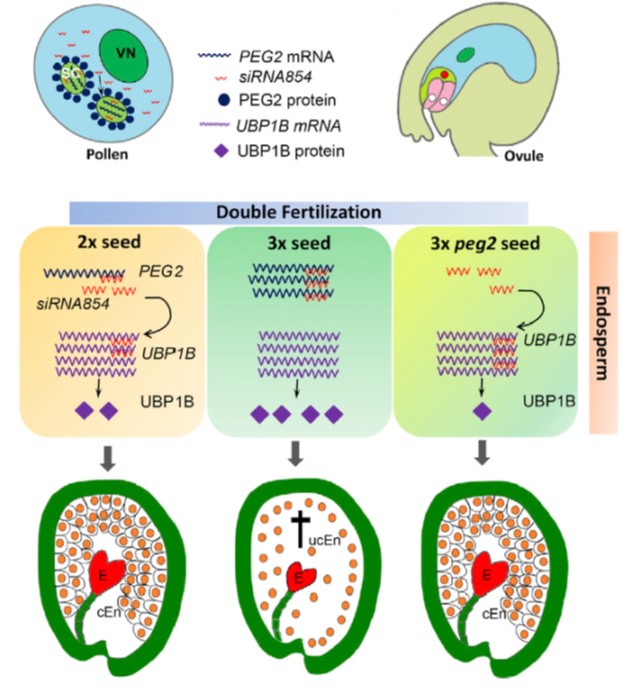
Plant Science Research WeeklyClosely related species that have different numbers of chromosomes (e.g., 2n versus 4n) are reproductively isolated, and this can arise as a consequence of an unbalancing in the expression levels of maternally- and paternally-imprinted genes. Wang et al. have identified a fascinating mechanism that explains…
Heritable phenotypic variation due to partial maintenance of organ-specific epigenetic marks during asexual reproduction ($) (PNAS)
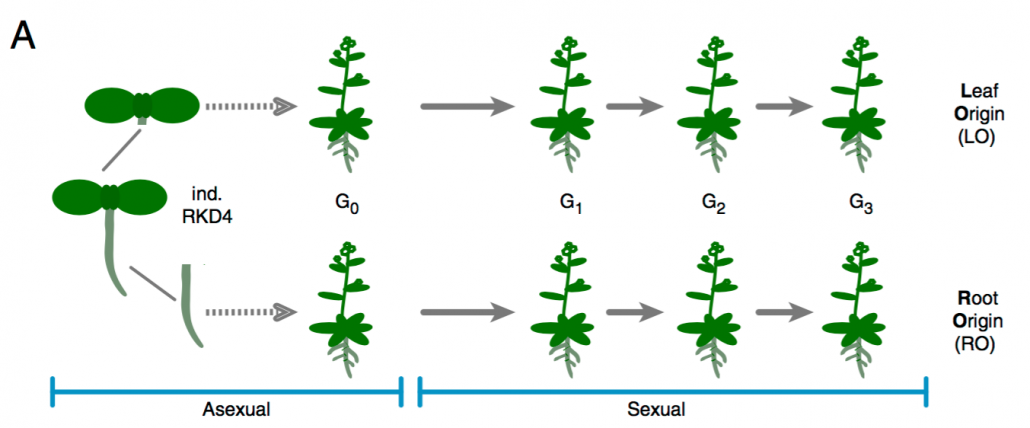
Plant Science Research WeeklyClonal propagation is widely used by humans to maintain and propagate desirable phenotypic traits in plants. Despite a restricted genetic variety, phenotypical difference, known a somaclonal variation, arises sometimes between parents and the clonally propagated progeny. Some of this variability is attributed…
Postzygotic reproductive isolation via sequestration of a transposon-derived siRNA ($) (Devel. Cell)
Plant Science Research WeeklyHybridization of plants with distinct chromosome number often results in seed development defects due to a phenomenon known as the triploid block. While this is triggered by the unbalanced expression of some paternally and maternally imprinted alleles, the molecular basis of the triploid block is not…
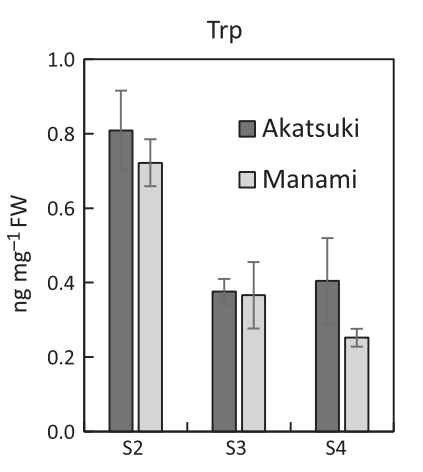
Stony hard phenotype in peach due to transposon insertion into YUCCA ($) (Plant J)
Plant Science Research WeeklyFruit softening in melting-flesh peaches is triggered by a major accumulation of ethylene at the late stage of ripening. Existence of stony hard peaches showing inhibition of fruit softening has been correlated with low levels of indole-3-acetic-acid inducing low levels of ethylene, but the underlying…
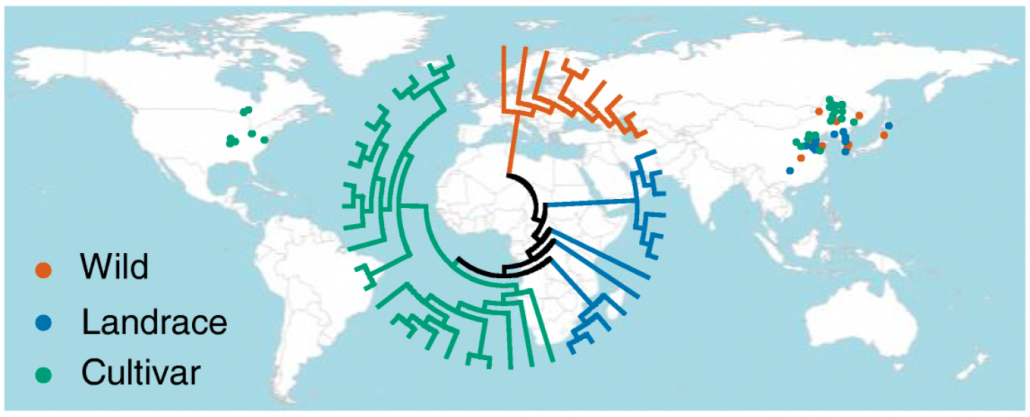
DNA methylation footprints during soybean domestication and improvement (Genome Biol)
Plant Science Research WeeklyCrop domestication relies on harnessing the natural genomic diversity present in the cultivated population. The contribution of genetic variation for selection and improvement of traits in plants has been extensively studied. Besides this, variation in epigenetic components such as DNA methylation offers…
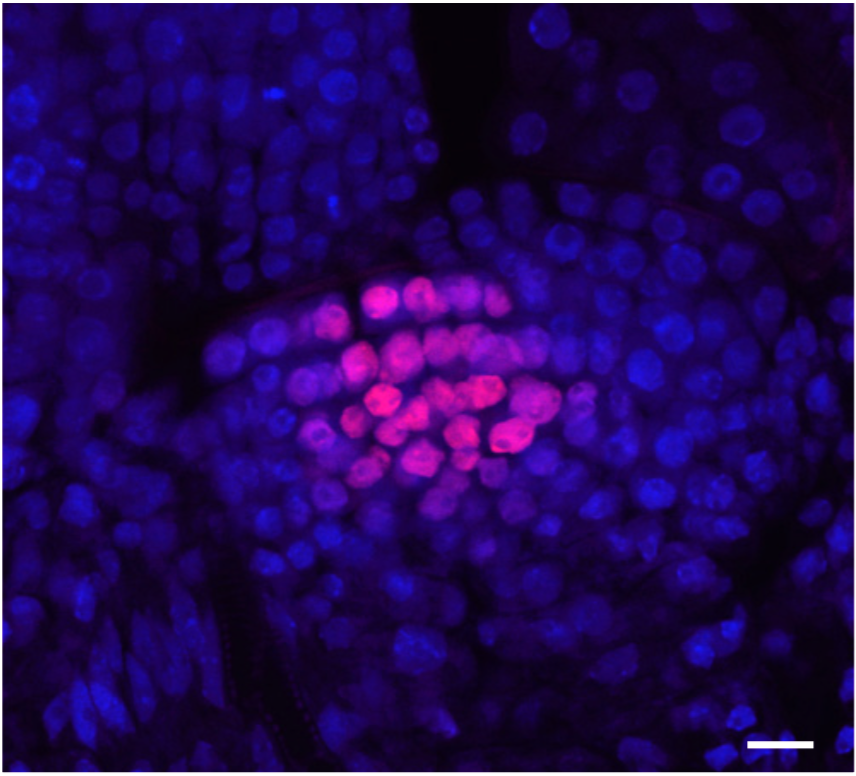
Early and transient loss of transposon control in Arabidopsis shoot stem cells (bioRxiv)
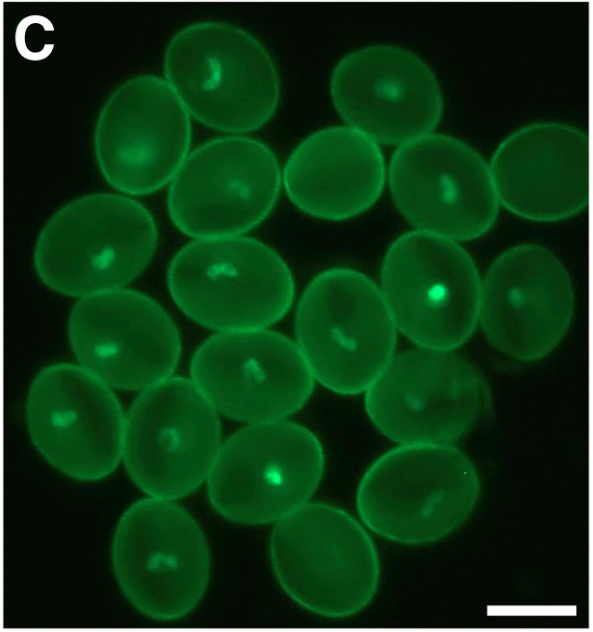
Plant Science Research WeeklyPostembryonic development in plants relies on stem cells located within the shoot apical meristem. Male and female gametes are descendants of those stem cells and maintenance of genome stability in this pool of cells is thus fundamental. In-depth molecular analysis has so far been hindered by the tedious…
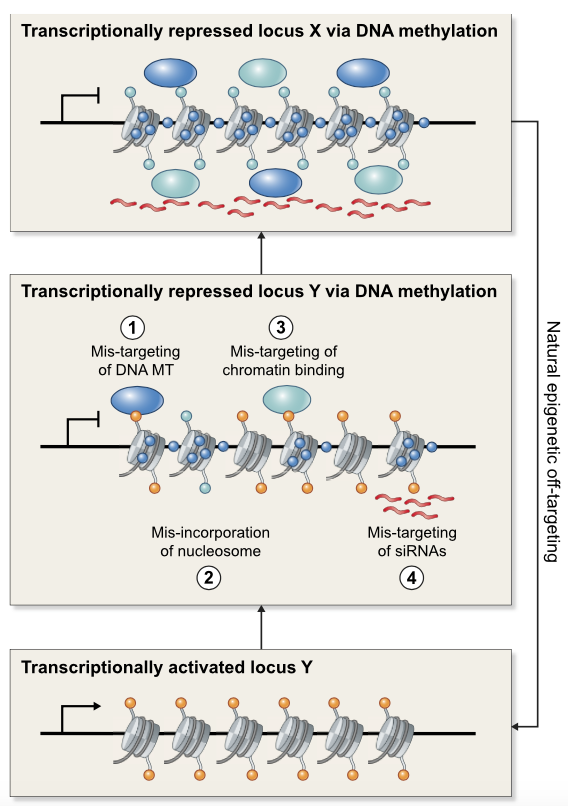
Review: Spontaneous epimutations in plants (New Phytol)
Plant Science Research WeeklySpontaneous epimutations are stochastic and heritable changes of DNA methylation in genomes. In this review, Johannes and Schmitz discuss the molecular origins of spontaneous epimutations in plants as well as their functional and phenotypical consequences. The authors highlight that spontaneous epimutations…