

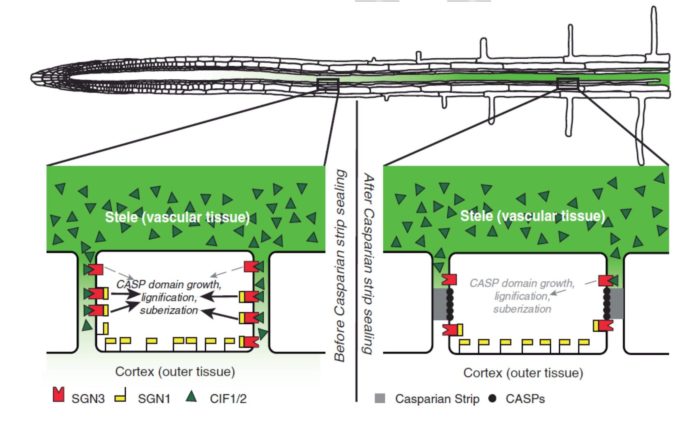
Peptide diffusion as a signal for Casparian strip diffusion barrier formation ($)
Plant Science Research Weekly, Research0 Comments
/
The Casparian strip is a permeability barrier that seals the spaces between root endodermis cells and so prevents bulk-flow uptake of solutes. Previously, a leucine-rich repeat receptor kinase called SCHENGEN3 or GASSHO1 (GSO1/SGN3) was identified as necessary for normal Casparian strip formation. Now,…

Review: Dark signaling in plants ($)
Plant Science Research Weekly, ResearchPlants use light as a source of energy and information; however, they are also sensitive and respond to light/dark diurnal cycling, with many processes happening during the dark phase of the diurnal cycle. In this review, Seluzicki et al. emphasize the importance of studying and understanding what…

Basal vs. Non-basal Polarity: Different Endomembrane Trafficking Pathways Establish Different Patterns
Research, The Plant Cell, The Plant Cell: In BriefIN BRIEF: Nancy R. Hofmann nhofmann@aspb.org
Plant development and responses to the environment hinge on the ability to target proteins to different areas of the plasma membrane within a cell. Indeed, the establishment of polar distributions of proteins such as PIN auxin transporters is among the…
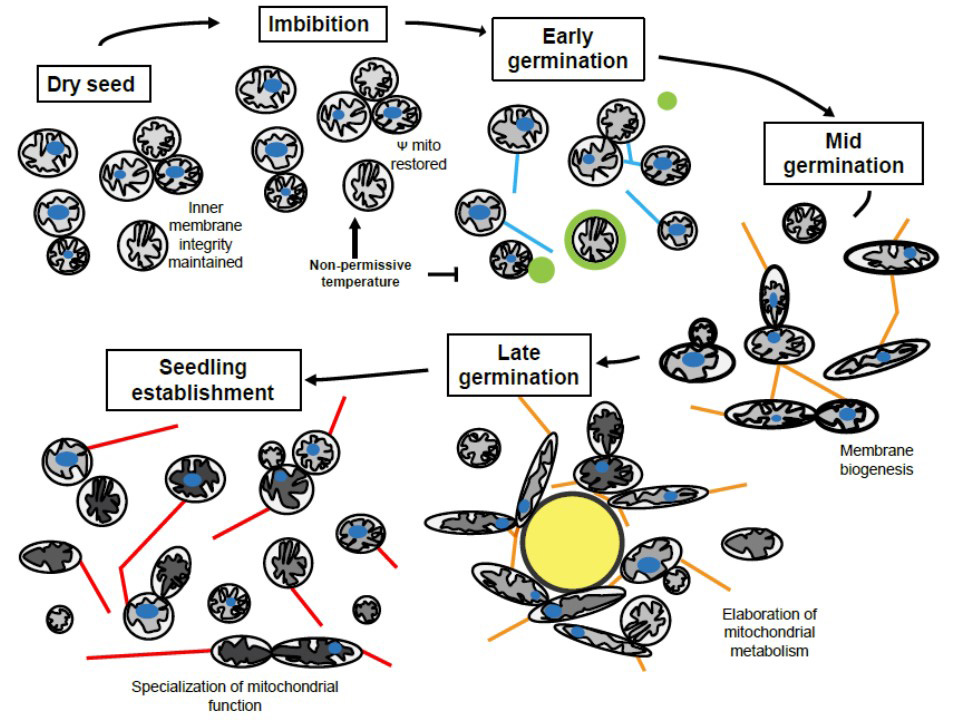
Mitochondrial dynamics during germination
Plant Science Research Weekly, ResearchA seed undergoes a dramatic transformation from dried tissues into a mature plant. This change requires energy produced by oxidative metabolism, but dry seeds contain dormant promitochondria that need to be reactivated. Paszkiewicz et al. use bioimaging tools for an in vivo analysis of seed mitochondria…

GET with it: Targeting of tail-anchored proteins via the GET system
Plant Science Research Weekly, ResearchStudents learn that membrane proteins are inserted into the endoplasmic-reticulum (ER) membrane co-translationally, but this mechanism does not hold for so-called tail-anchored (TA) proteins which carry a single C-terminal membrane spanning domain and insert into the ER membrane post-translationally.…

Root xylem plasticity to improve water use and yield in water-stressed soybean
Plant Science Research Weekly, ResearchRoot architecture and anatomy contribute to water uptake efficiency and plant performance under water-limitation. Prince et al. explored root anatomy in a panel of soybean, and identified metaxylem number as a key trait influencing performance under water-limiting conditions. Increases in metaxylem number…
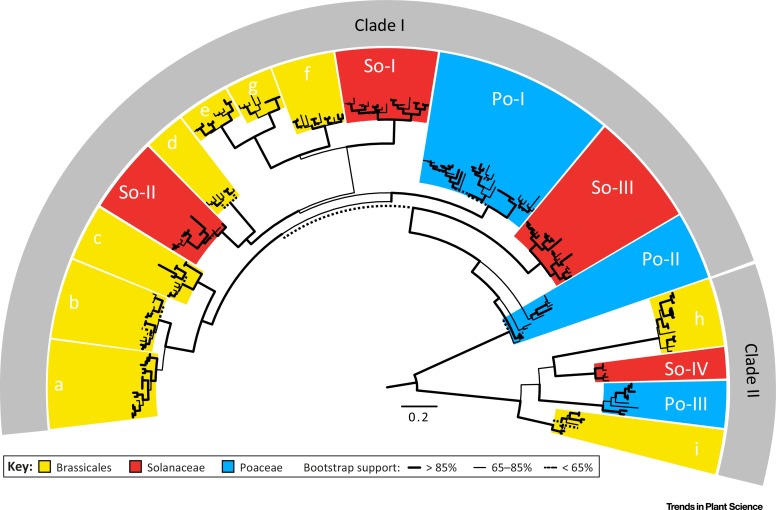
Opinion: ATG8 expansion as a driver of selective diversification of autophagy? ($)
Plant Science Research Weekly, ResearchAutophagy is a process of selective membrane trafficking that delivers cargo to the vacuole or plasma membrane for recycling or secretion. ATG8 is a small ubiquitin-like protein that is required for formation of the double-membrane enclosed autophagy vesicle, the autophagosome. The ATG8 gene family has…

Fine-tuning plant growth in the face of drought
Research, The Plant Cell, The Plant Cell: In BriefIN BRIEF by Kathleen L. Farquharson kfarquharson@aspb.org
Limiting shoot growth is an important survival strategy for plants during times of drought; smaller leaves mean that less water is lost through transpiration and more is retained in the soil. As drought stress restricts both cell division and…
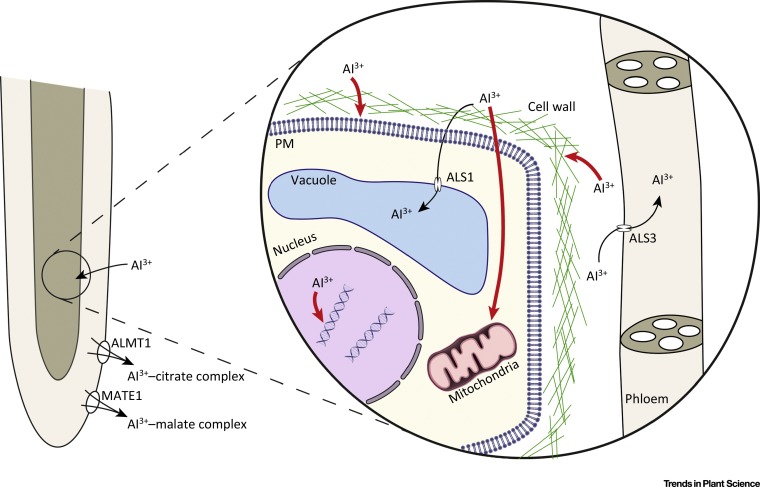
Review: DNA Checkpoints and Aluminum Tolerance ($)
Plant Science Research Weekly, ResearchAluminum (Al) toxicity is an important agricultural problem, limiting crop production globally. Al toxicity causes a reduction in nutrient uptake, resulting in nutritional deficiency and leading to an overall reduction in shoot biomass and crop yield. Eekhout et al. discuss Al toxicity and strategies…