


Review: Tale of Huanglongbing disease pyramid in the context of the citrus microbiome ($)
Plant Science Research Weekly, Research0 Comments
/
Huanglongbing (HLB or Citrus Greening Disease) has caused enormous economic losses in major citrus production areas, including Florida. The Huanglongbing disease pyramid consists of the bacteria Liberibacters, citrus psyllid vectors (insects), citrus hosts, and the environment in which they all exist. …
Review: Bound by fate: Reactive oxygen species in receptor-like kinase signaling
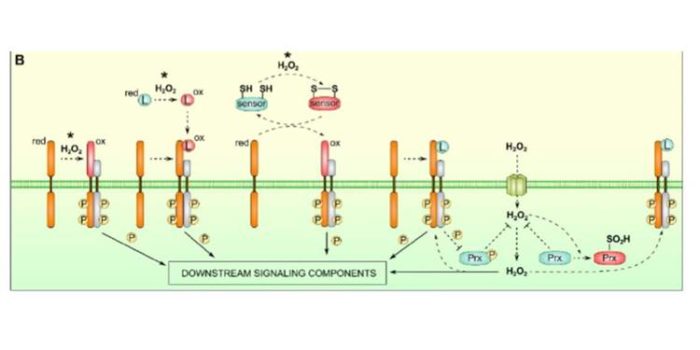
Plant Science Research Weekly, ResearchBoth receptor-like protein kinase (RLK) and reactive oxygen species (ROS) signaling have been shown to affect a plethora of plant processes, including growth, metabolism, development, and environmental responses. To date, previous reviews have focused on mechanisms that govern either ROS or RLK signaling;…
Nematode Cysts and DNA Methylation
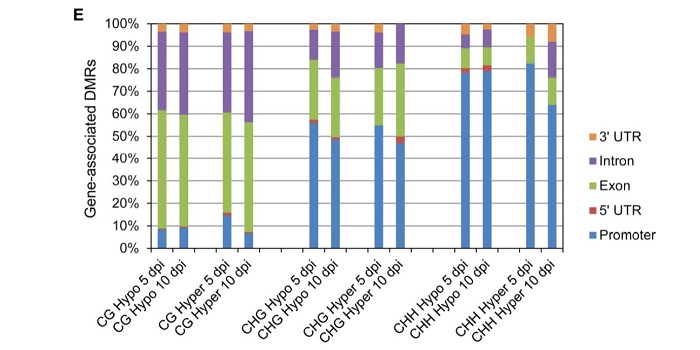
Plant Physiology: On The Inside, ResearchPlant-parasitic cyst nematodes (Heterodera species) are among the most devastating pathogens of plant roots. These obligate parasites initiate a long period of biotic interactions with their host plants where formation of an operative feeding structure, the syncytium, is vital for nematode survival and…

The Plant Cell Reviews Plant Immunity: Receptor-Like Kinases, ROS-RLK Crosstalk, Quantitative Resistance, and the Growth/Defense Tradeoff
Research, The Plant Cell: In BriefTender green leaves and tasty tubers, roots, and stems are vulnerable to a wide range of pathogens, pests, and herbivores. Perhaps it should not be surprising that they have evolved an equally wide range of defense mechanisms. This issue of The Plant Cell includes reviews of just a few of the many facets…
Covariation and phenotypic integration in chemical communication displays ($)
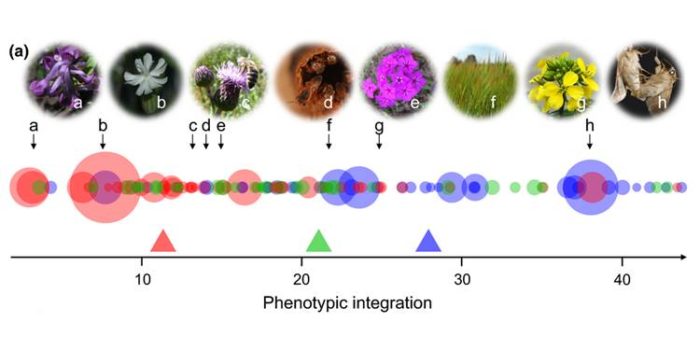
Plant Science Research Weekly, ResearchHumans aren’t very sophisticated at reading chemical communication cues. Towards deciphering the information content of complex chemical mixtures produced by plants and animals, Junker et al. ask to what extent chemical communication displays (CCDs) are replicated between samples and individuals. The…
Update: Stomatal defense a decade later
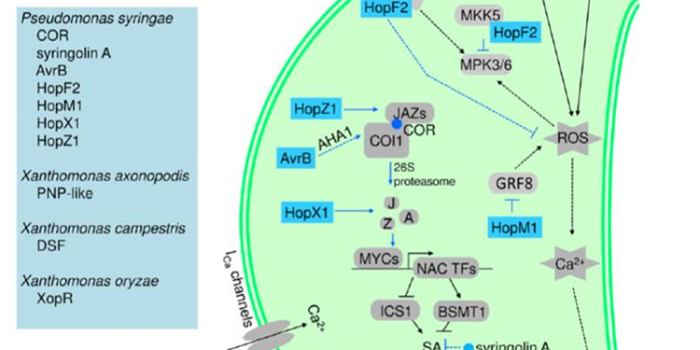
Plant Physiology, Plant Physiology: Updates, Plant Science Research Weekly, ResearchStomatal defense, recognition of pathogens at the stomatal pore accompanied by stomatal closure to prevent their entry, was discovered ten years ago. Melotto et al. review what we’ve learned in the past decade about this key defense strategy. They discuss pathogen recognition, in which microbe-associated…
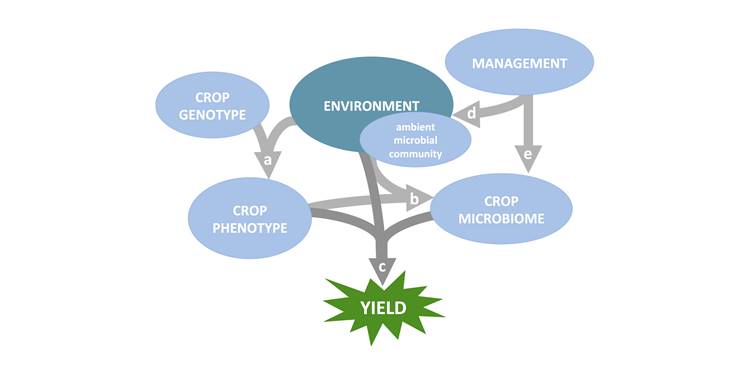
Perspective: Research priorities for harnessing plant microbiomes in sustainable agriculture
Plant Science Research Weekly, ResearchBeneficial microbes help plants take up nutrients, confer protection against pathogens, and can even affect flowering time. Busby et al. argue for a coordinated effort between researchers and farmers to study plant microbiomes with the goal of using them to enhance productivity. The authors define and…

Review: Mechanisms to mitigate the tradeoff between growth and defense ($)
Plant Science Research Weekly, ResearchIt is widely recognized that defense incurs a cost in terms of reduced growth. Karasov et al. explore the nature of this tradeoff. They observe that rather than tradeoff being driven directly by metabolic competition, it appears to occur upstream through regulatory processes including antagonism between…
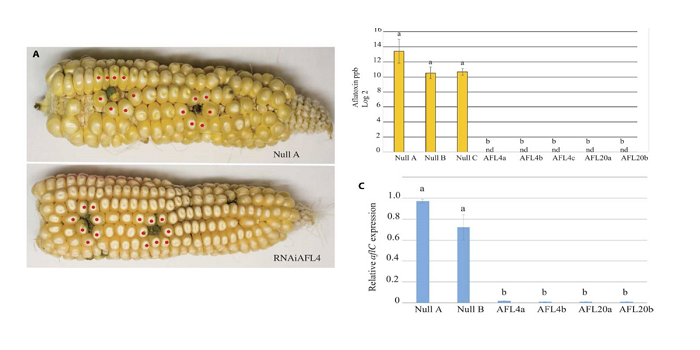
Aflatoxin-free transgenic maize using host-induced gene silencing
Plant Science Research Weekly, ResearchAflatoxins are toxic metabolites produced by some species of Aspergillus fungi that can occur on numerous crop plants. When ingested by animals, aflatoxins cause health problems including liver cancer and stunted growth. Thakare et al. used host-induced gene silencing (HIGS) to block aflatoxin production…