

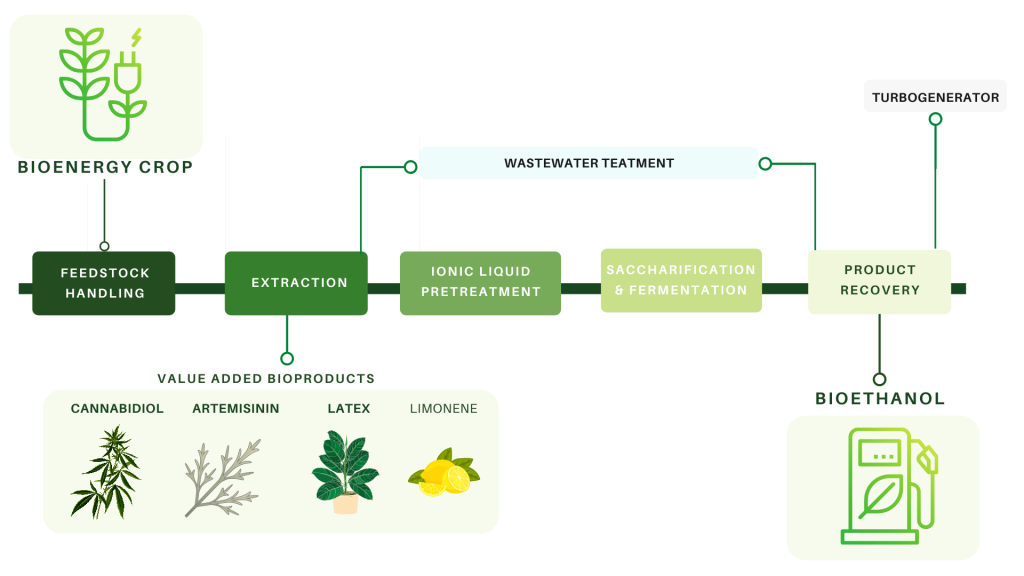
Accumulation of high value bioproducts in planta can improve the economics of advanced biofuels (PNAS)
Plant Science Research WeeklyBiofuels can be obtained from bioenergy crops such as sorghum, maize and sugarcane. However, the production of bioethanol is still more expensive than that of petroleum. Given the importance of replacing conventional fossil fuels with renewable liquid fuels, the biorefinery system should be improved…
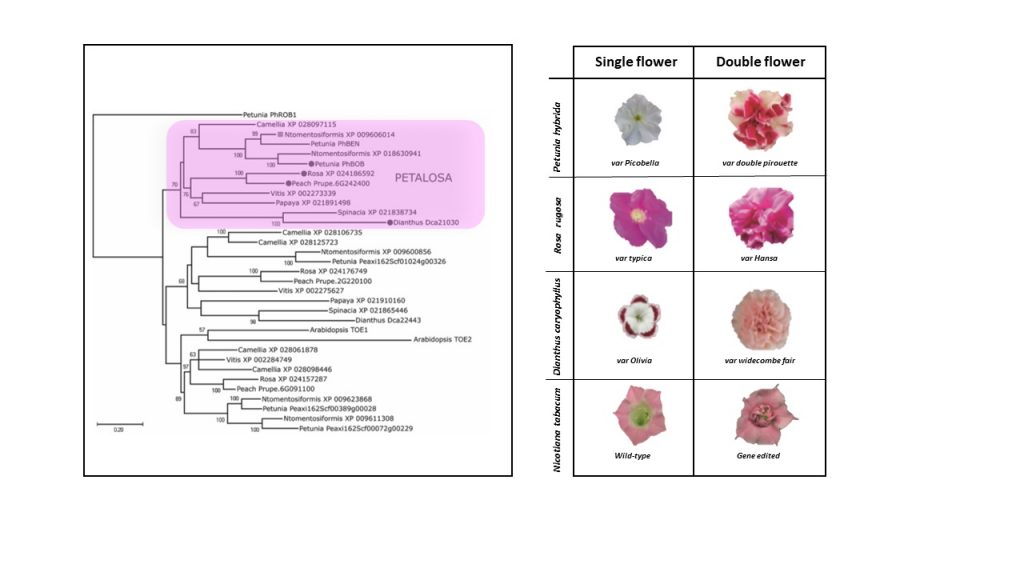
Mutations PETALOSA cause a dominant double-flower phenotype (J. Exp. Bot.)
Plant Science Research WeeklyFlower development has always been a fascinating field of research in plant biology. While molecular studies in the past focused on regulatory genes involved in the formation of floral organs in model species, current investigations are addressing the genetic determinants underlying the huge variety…
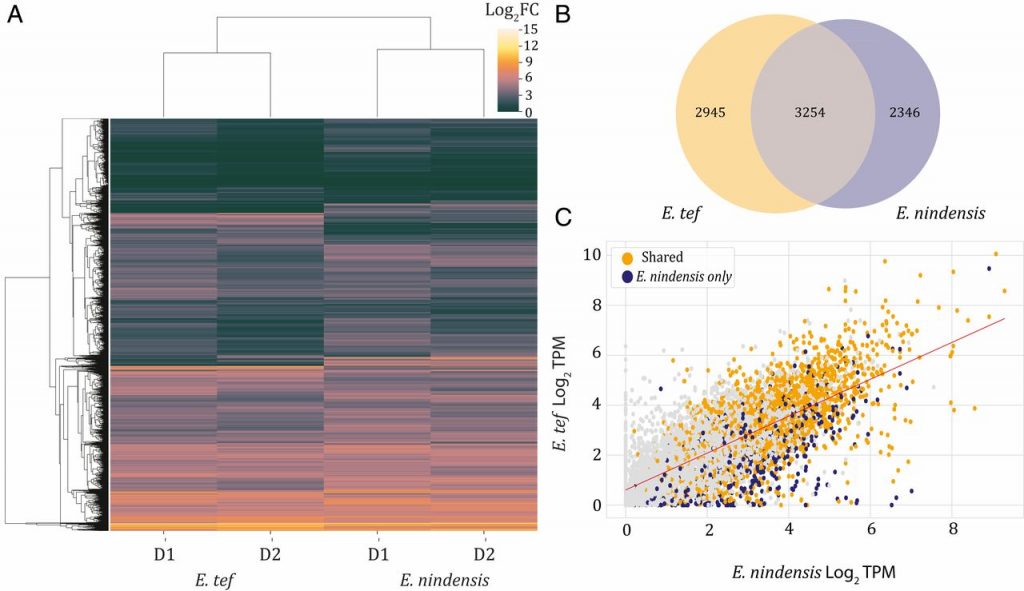
Intertwined signatures of desiccation and drought tolerance in grasses (PNAS)
Plant Science Research WeeklyDesiccation tolerance (i.e., the capacity of surviving with very low water content) is widespread in seeds and pollen, but quite rare in vegetative organs. Most authors agree that in angiosperms it originated multiple independent times from rewiring seed desiccation tolerance pathways. Here, Pardo et…
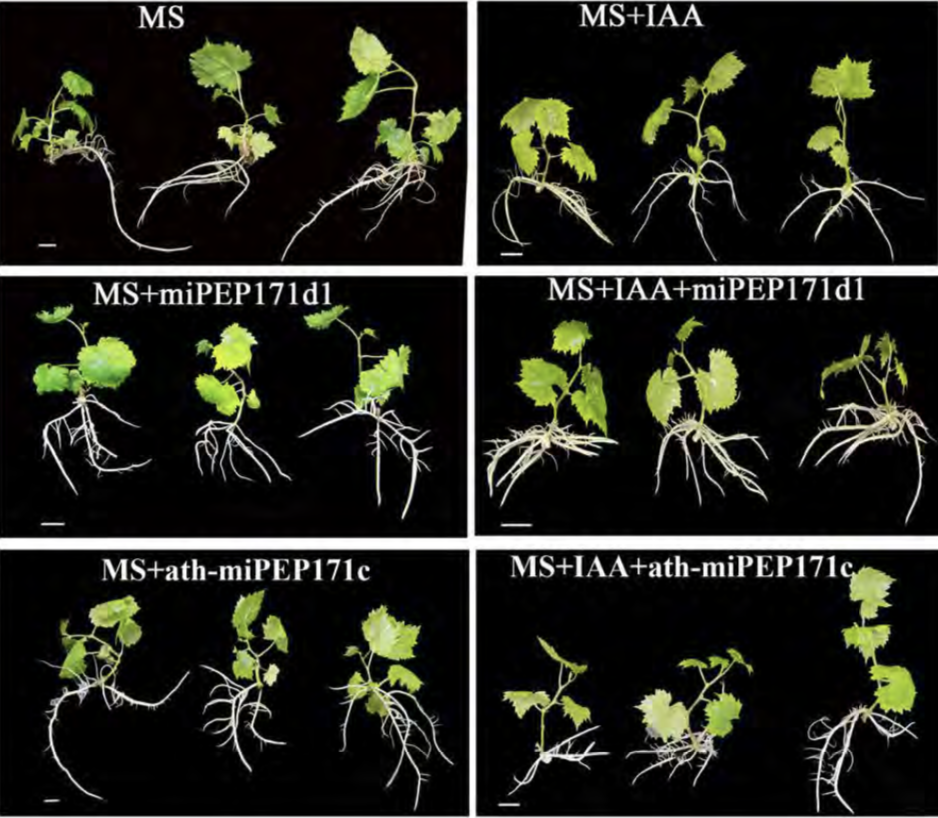
Mystery of adventitious root formation in grapevine (Plant Physiol)
Plant Science Research WeeklyGrapevines (Vitis vinifera L.) are clonally propagated by stem cuttings, which depends on the formation of adventitious (stem-borne) roots. In this paper Chen at al., showed the function of microRNA encoded peptides (miPEPs) in adventitious root formation of cultured grape plantlets. MicroRNA biogenesis…
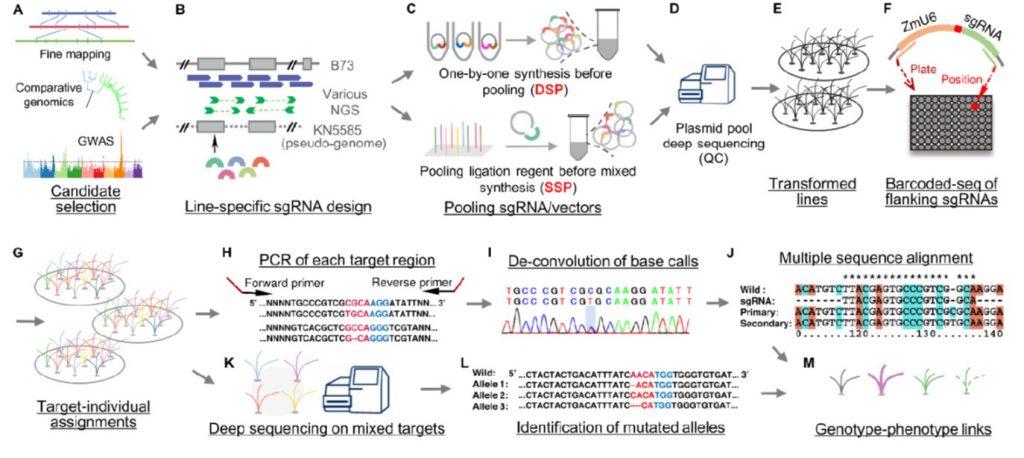
High-throughput CRISPR/Cas9 mutagenesis streamlines trait gene identification in maize (Plant Cell)
Plant Science Research WeeklyMaize has provided some fascinating mutants and developmental insights, but its genomic complexity has made it more difficult (for example as compared to rice) to identify agronomically important genes. Liu et al. describe a new high-throughput method to integrate forward- and reverse-genetics to identify…

Base-editing-mediated artificial evolution of OsALS1 in planta to develop novel herbicide-tolerant rice germplasms (Mol. Plant)
Plant Science Research WeeklyThe trait of herbicide tolerance allows farmers to use chemical means to eliminate weed competitors. Acetolactate synthase (ALS) is an enzyme targeted by more than 50 different herbicides. In order to generate novel herbicide tolerance traits, Kuang et al. used a base-editing artificial evolution approach,…
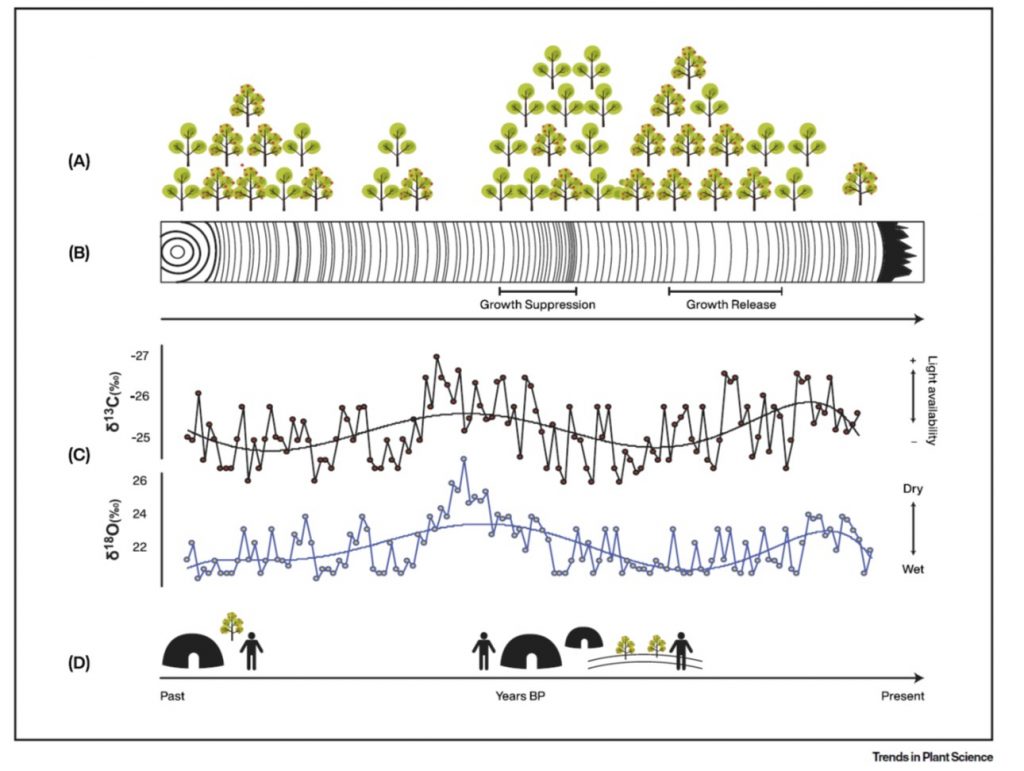
Review: Tropical trees as time capsules of anthropogenic activity (Trends Plant Sci.)
Plant Science Research WeeklyTrees will help us ensure our future, but they are also a valuable record of our past. This fascinating review article by Caetano-Andrade et al. describes how anthropologists are taking advantage of data recorded in trees to understand more about not only the atmospheric and geological events of the…
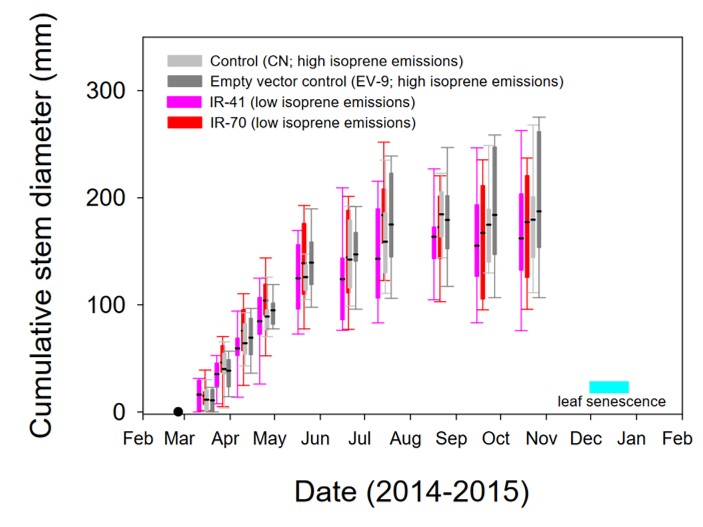
High productivity in hybrid-poplar plantations without isoprene emission to the atmosphere ($) (PNAS)
Plant Science Research WeeklyMany trees emit isoprene (C5H8, a small volatile carbon compound) during hot weather, and isoprenes have been shown to help trees tolerate short bursts of high temperatures (heat flecks). Isoprenes are not themselves harmful, but are reactive and can lead to the production of high levels of ground-level…
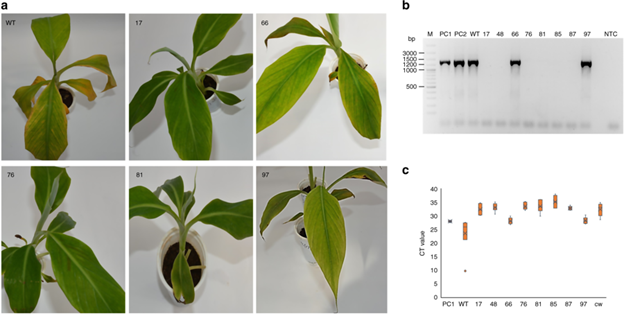
Using CRISPR/Cas9 editing to inactivate an endogenous virus impacting bananas (Commun. Biol.)
Plant Science Research WeeklyBanana streak virus (BSV) is a plant pathogenic pararetrovirus that has integrated into the genome of banana Musa spp., reducing crop production. When BSV-infected banana plants become stressed, BSV reactivates to create functional infectious viruses that can cause lethal tissue necrosis. Tripathi et…