

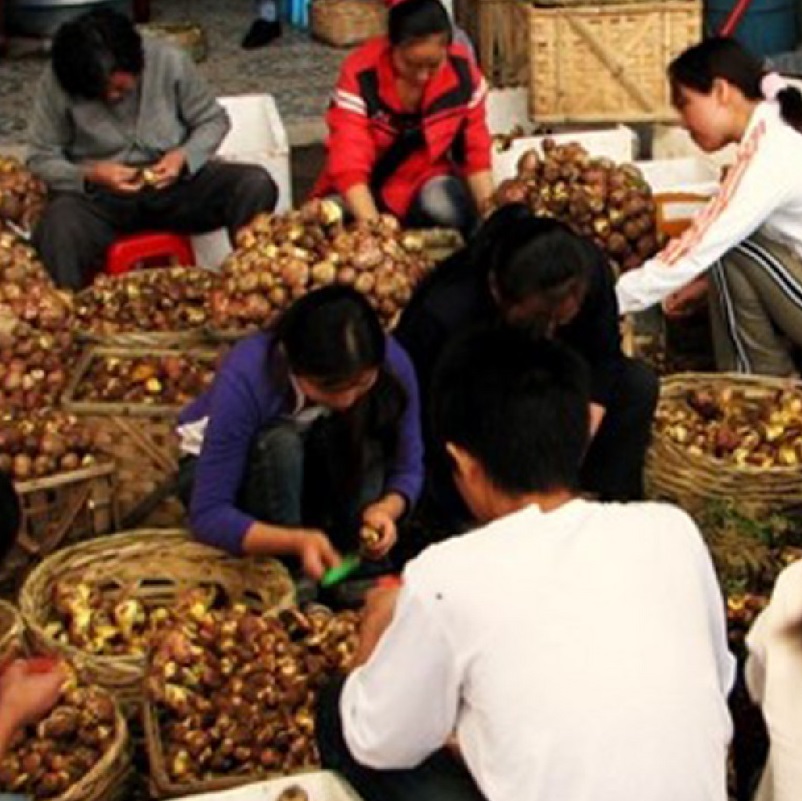
Plants People Planet Special Issue: Mycorrhizas for a changing world
Plant Science Research WeeklyPlants People Planet is a relatively young journal that launched in 2019. It’s aim is to explore aspects of plant science directly relevant to our daily lives, and how plant science is communicated to the public. The Sept 2021 issue has a focus on mychorrhizas, which it explores through several opinion,…
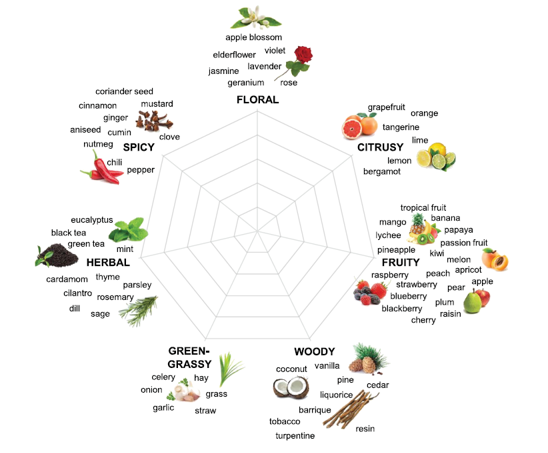
Relevance of hop terroir for beer flavor (J. Inst. Brew.)
Plant Science Research WeeklyBeer is a simple beverage, basically fermented barley sugars. But recently, it’s been all about the hops. Hops are buds of Humulus lupulus, a member of the Cannabaceae family, and from humble origins they have been carefully bred and selected, resulting in many varieties with different aroma and flavor…

A research road map for responsible use of agricultural nitrogen (Front. Sustain. Food Syst.)
Plant Science Research WeeklyRecently, the UN Environment Programme identified excessive reactive nitrogen (N) resulting from anthropogenic activity as one of the five emerging threats facing our planet. Much of this derives from agricultural practices in which N fertilizers are inefficiently applied to crops, a significant proportion…
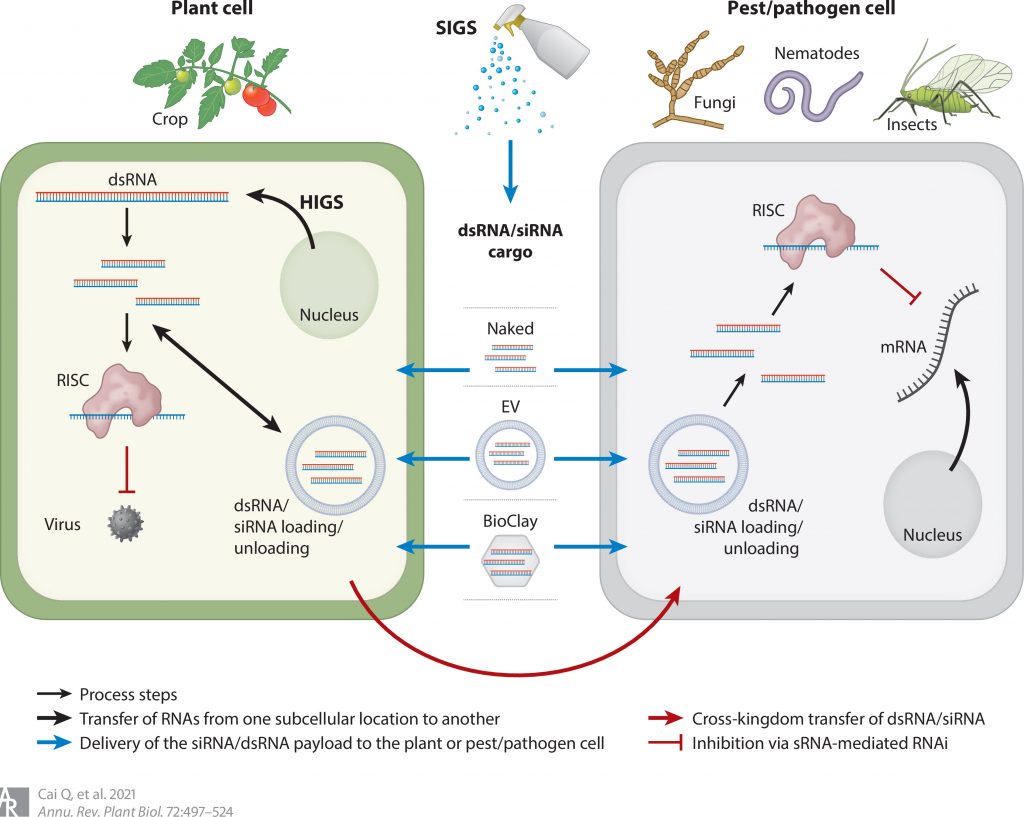
Review. Message in a Bubble: Shuttling small RNAs and proteins between cells and interacting organisms using extracellular vesicles (Annu. Rev. Plant Biol.)
Plant Science Research WeeklySmall RNAs have big effects and can serve to shut down or silence gene expression. Recently, studies have found that small RNAs can contribute to plant defense beyond the boundary of the plant, by being packed into extracellular vesicles (EVs) and delivered to a pathogen. Cai et al. review our current…
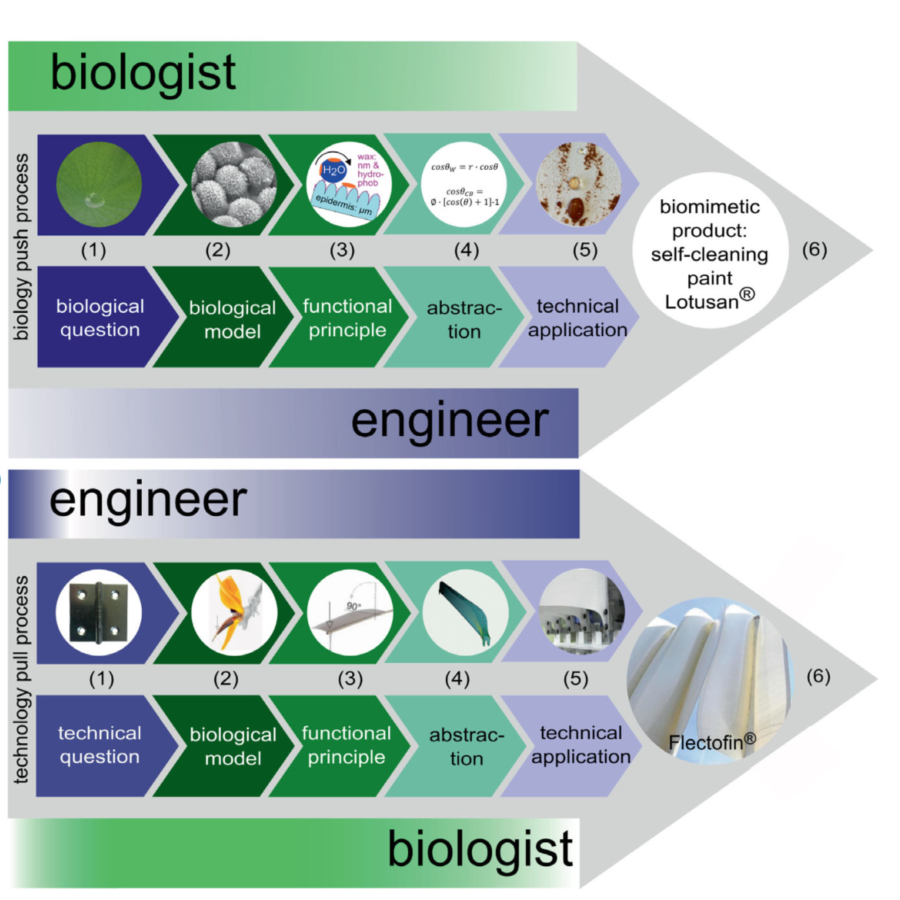
Review: Functional morphology of plants - a key to biomimetic applications (New Phytol.)
Plant Science Research WeeklyHumans have derived inspiration from innumerable corners of the natural world. Plants of diverse forms have inspired many “biomimetics,” or technical products derived from biological models. Speck and Speck review how plant-based biomimetics have developed over time and elaborate on their current…
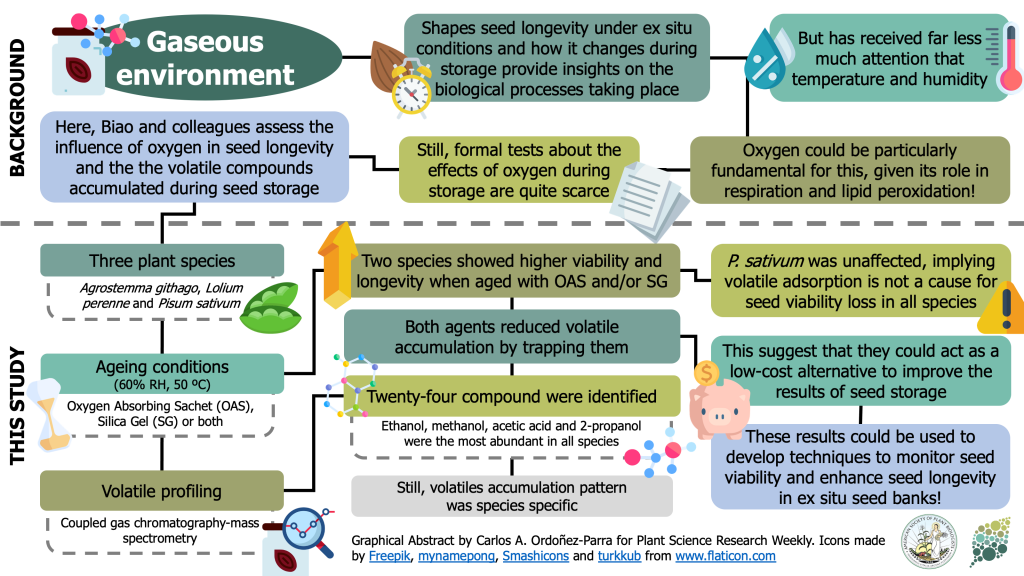
Gaseous environment modulates volatile emission and viability loss during seed artificial ageing (Planta)
Plant Science Research WeeklyThe gaseous environment is thought to play a fundamental role in seed longevity in storage conditions, given the role of oxygen and other volatile compounds in seed viability loss. However, formal tests of its influence are still scarce compared to other storage parameters such as temperature and humidity.…
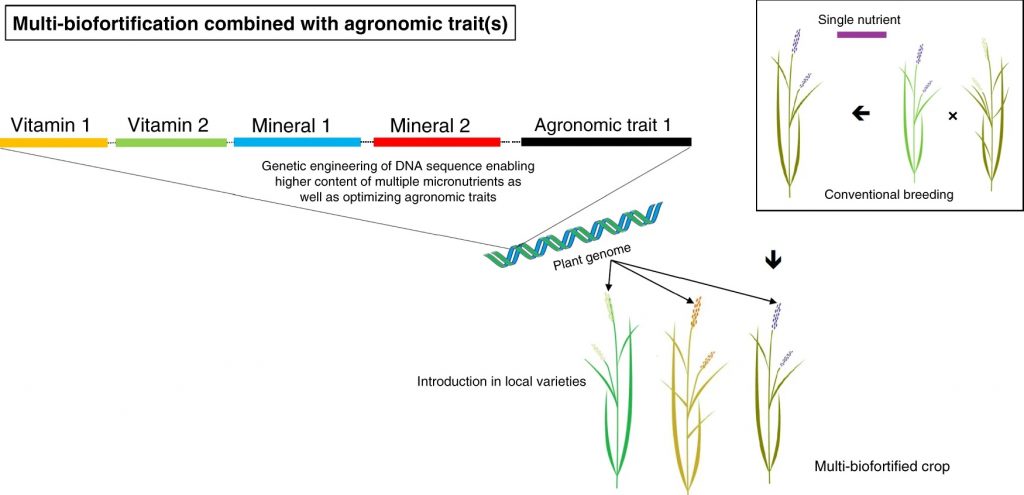
Perspective: Multiplying the efficiency and impact of biofortification through metabolic engineering (Nature Comms.)
Plant Science Research Weekly
As heterotrophs, we are what we eat. One of the UN Sustainable Development Goals is to end all forms of hunger, including the “hidden hunger” that results from nutrient deficiencies. Van Der Straeten et al. provide an overview of biofortification strategies. They review current successes from…
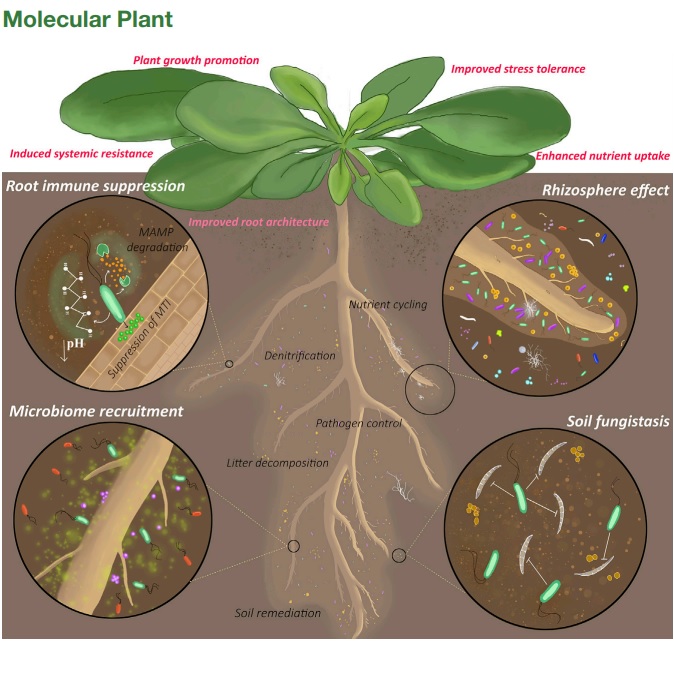
Review. The soil-borne identity and microbiome-assisted agriculture: Looking back to the future (Molecular Plant)
Plant Science Research WeeklyBakker et al. begin their review of plant-soil microbiome concepts with a Lorentz Hiltner quote from 1904: “However, I am convinced that soil bacteriology will finally provide results that are not only of explanatory nature, but will also directly affect and determine agricultural practice… I would…
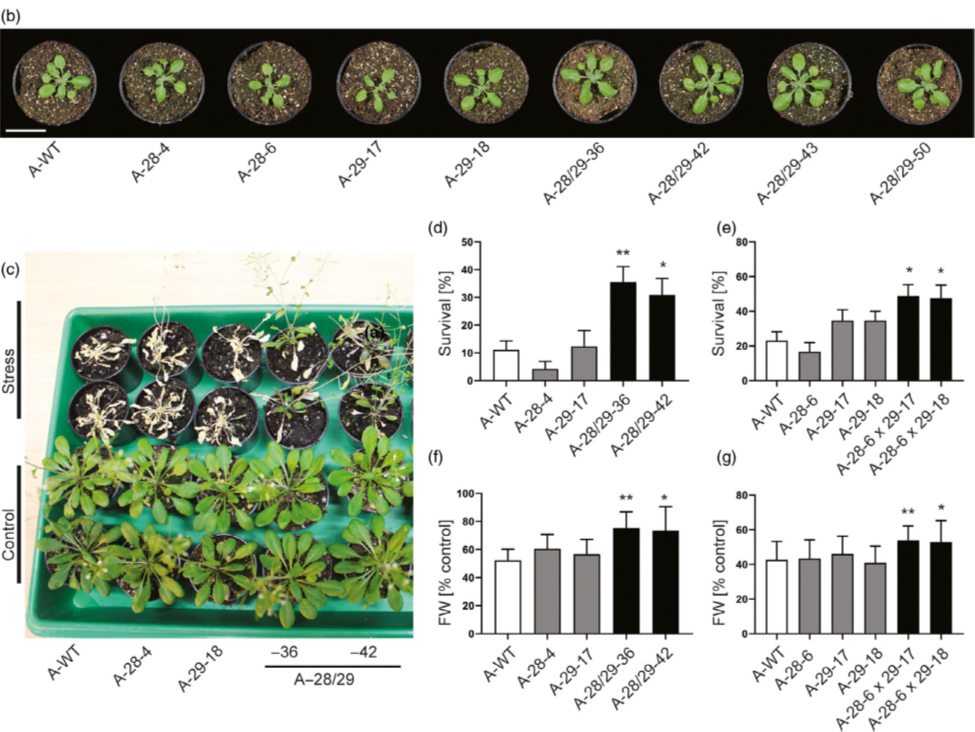
Combinatorial engineering of signaling networks for drought tolerance (Plant Biotechnol. J.)
Plant Science Research WeeklySeveral potential targets have been suggested to improve drought tolerance and water-use efficiency of crops, but many genes when upregulated can cause negative growth trade-offs. Stress recognition and signaling proteins are attractive targets as they may exert control over multiple downstream pathways…