

Plant Science Research Weekly: October 17, 2025
Review: Beautiful mutations
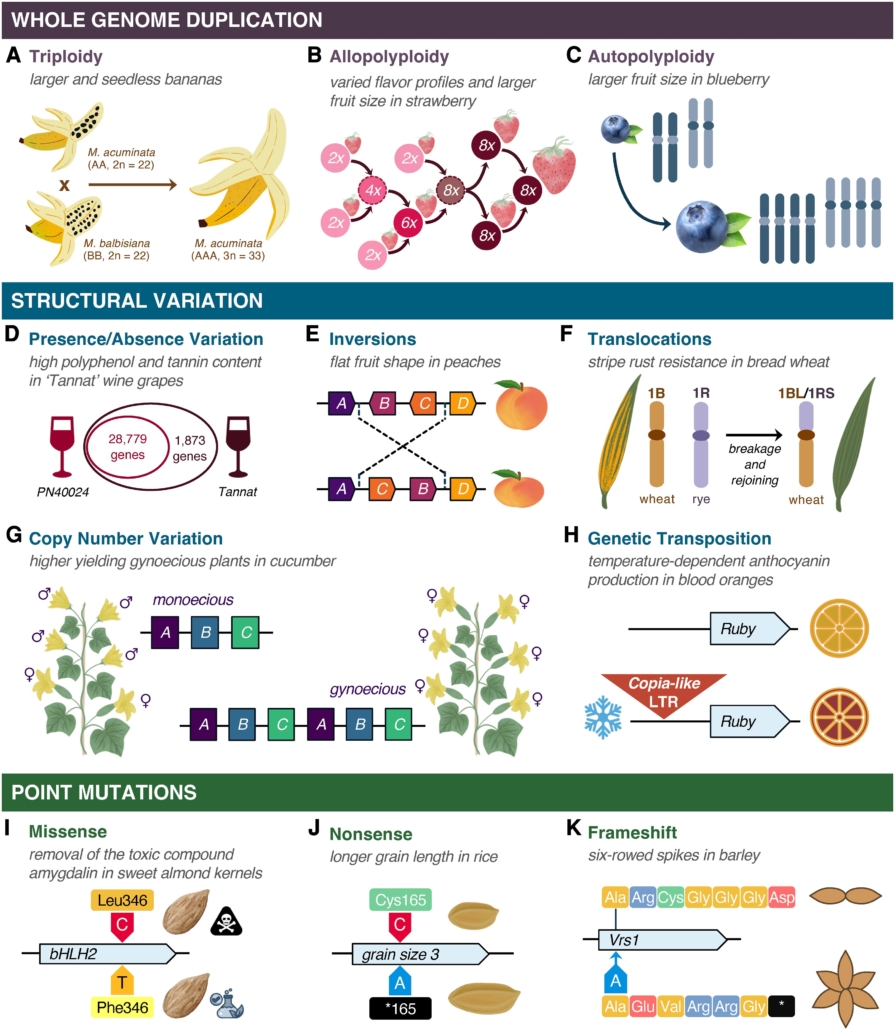
 This is an interesting and engaging review article, written by a team from Bayer US Crop Science, on how mutations (broadly defined) have benefited plant domestication and breeding. While it briefly covers the basics, such as population genetics, it really focuses on demystifying and normalizing the concept of mutations in the context of plant breeding. For example, they address the use of the term “mutation” and its limitations when we observe endless variations amongst individuals of the same species. They ask, “Which one is the mutant?” They next introduce the many ways that plant diversity has benefited from a wide array of genetic changes, including whole-genome duplication, transposon insertion, copy number variation etc. I particularly enjoyed the section on how polyploidization has benefited crop plants, and learning that the vitamin A-rich orange varieties of carrot, cauliflower, and sweet potato have all arisen from independent gain-of-function mutations in the same gene (Orange; Or), which influences phytoene synthesis. The authors conclude with an overview of how induced mutagenesis has been an important tool through which breeders have introduced variation, and a call for greater public understanding of and acceptance of the tremendous benefits that can come from precision gene editing. (Summary by Mary Williams @PlantTeaching.bsky.social) Plant Physiol. 10.1093/plphys/kiaf378
Review: The plant chemical defense arsenal
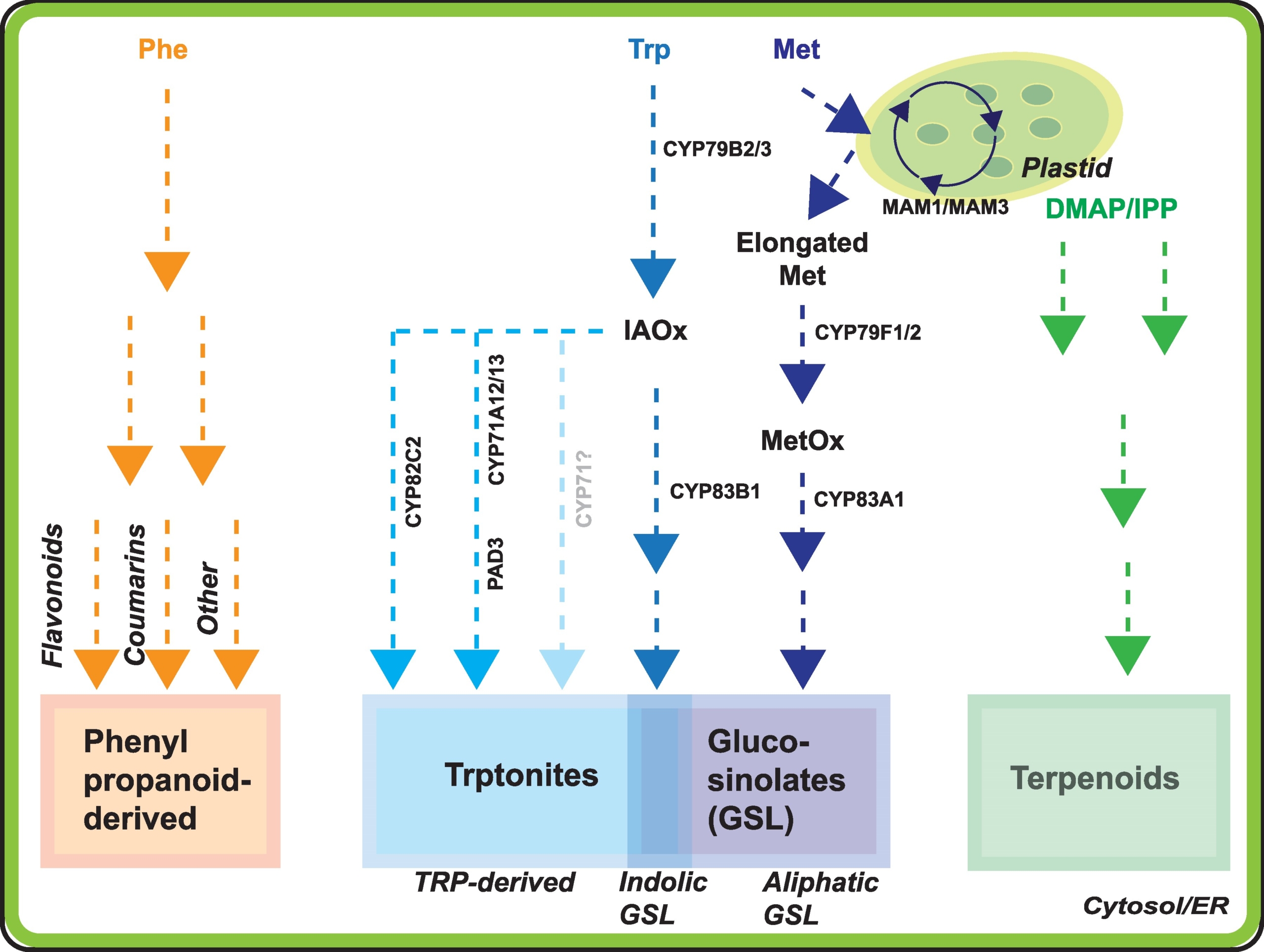 This review by Somssich et al., part of a forthcoming Focus Collection on Metabolites, provides an overview of the chemical arsenal of defense compounds in plants. Playfully titled “Guns in Rosettes”, it focuses on the well-characterized model plant Arabidopsis. The article discusses defense metabolites by chemical class, including terpenoids as well as compounds derived from methionine, tryptophan, and phenylalanine. The authors highlight that some of the compounds are made constitutively and some are induced. Additionally, the authors discuss many of the outstanding questions about how the defense arsenal is coordinated and integrated, such as how plants know when to make or deploy them, and whether they themselves act as signals to coordinate the plant defense responses. It’s a thorough yet accessible and enjoyable read. (Summary by Mary Williams @PlantTeaching.bsky.social) Plant Physiol. 10.1093/plphys/kiaf411
Review: The what, how and why of symptom development in viral disease
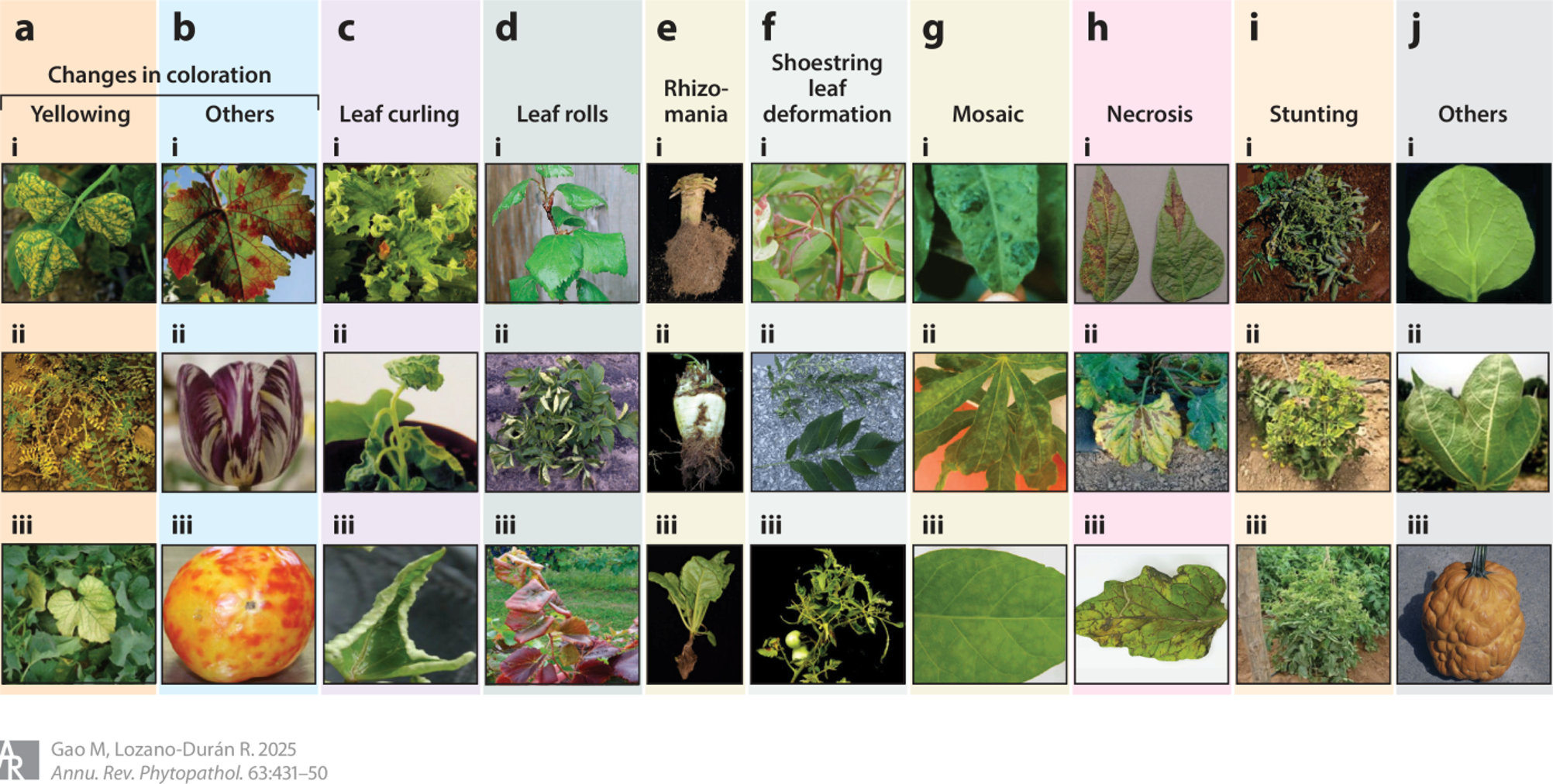 I was initially drawn to this review by curiosity about its title; I realized I hadn’t ever wondered how and why viral infections cause symptoms in plants. I’m so glad I looked into it! This is a compelling and fascinating review that takes a broad look at plant-virus interactions. It starts with a brief look at the history of plant viruses, including the first recorded written observation, and how viruses contributed to “Tulipmania” in the 17th century. The authors then take a close look at the kinds of symptoms that arise as a consequence of viral infection, and group these symptoms into a coherent scheme, categorizing them for example as interfering with development, chloroplast activity, defense responses or ROS production. They note that symptoms alone are not a diagnostic tool, as, independently evolved viruses can cause very similar symptoms. The authors also look at how environmental factors, including coinfecting viruses, affect symptom development. Interestingly, symptom development often does not influence viral performance in the plant, although the symptoms can make the plant more attractive to insect vectors, thus enhancing viral dissemination. (Summary by Mary Williams @PlantTeaching.bsky.social) Annu. Rev. Phytopathology 10.1146/annurev-phyto-121323-021434
Review. How plant cells decide their fate: Balancing growth and specialization
 Every plant begins its life as a single cell, which divides, differentiates, and gradually gives rise to the intricate tissues and organs we see. Initially, plant cells are highly versatile, able to divide and give rise to many other cell types. During development, cells receive signals that control whether they keep dividing or specialize into distinct types that carry out unique functions, such as forming vascular tissues, leaves, or flowers. In a recent review, González-Suárez and Smit explored how plant cells strike this delicate balance between division and differentiation. Classical hormones like auxin and cytokinin play major roles, forming gradients that guide the transition from proliferation to specialization. These hormonal signals are closely tied to gradients of key transcription factors such as PLETHORA and WUSCHEL, which together coordinate the cell cycle with developmental cues. Case studies across tissues, from the shoot tip and vasculature to stomata, trichomes, and anthers, reveal additional players, including brassinosteroids, reactive oxygen species, and receptor-like kinases. Yet, despite decades of research, no single universal signal explains how an individual cell decides its fate. Each plant cell, it seems, follows its own logic, one that continues to fascinate and challenge plant biologists. (Summary by Ching Chan @ntnuchanlab) J. Exp. Bot. 10.1093/jxb/eraf429
How plants attain totipotency? Reprogramming somatic cells into embryos
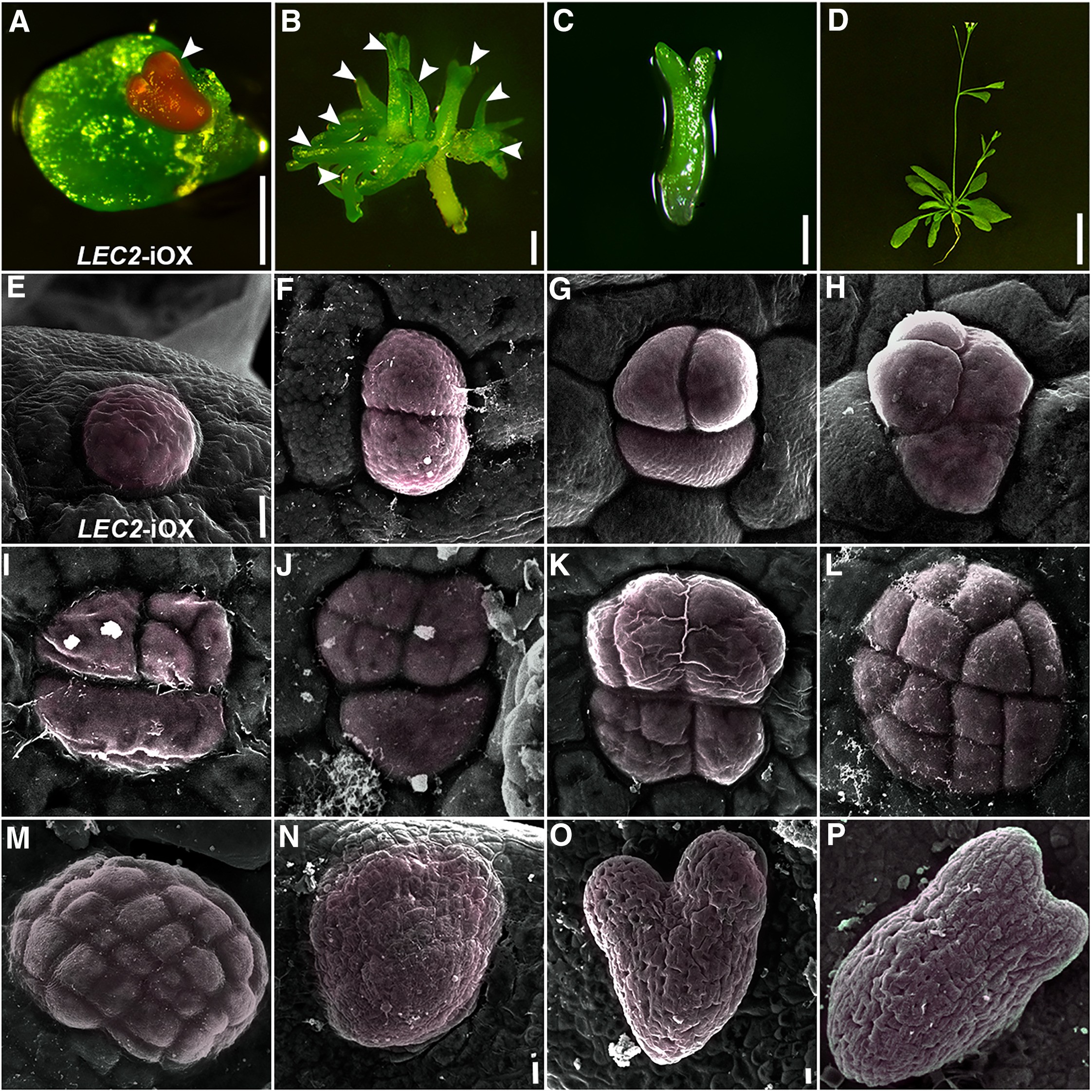 Plants have an extraordinary ability to regenerate entire organs or even embryos from a single somatic cell, a phenomenon known as totipotency. Remarkably, differentiated cells can reacquire totipotency and form embryos through somatic embryogenesis, however molecular mechanisms behind this developmental plasticity remain unclear. To address this, Tang et al. used Arabidopsis thaliana, in which somatic embryogenesis can be triggered by ectopic expression of LEAFY COTYLEDON2 (LEC2), a key regulator of somatic-to-embryonic state conversion. The authors found that LEC2 reprograms cotyledon epidermal cells directly into somatic embryos, bypassing callus stage. Mechanistically, LEC2 interacts physically with the SPEECHLESS (SPCH) transcription factor in the nucleus, reprogramming SPCH-expressing meristemoid mother cells into totipotent somatic embryo founder cells by activating local auxin biosynthesis. SPCH defines the competent lineage and directly upregulates TAA1 and YUC4, two auxin biosynthetic genes, during founder cell specification. Using single-nucleus RNA sequencing on LEC2-overexpressing cotyledons collected at multiple time points, the authors identified nine subclusters of cells representing different developmental states. Among them, subcluster 7, termed guard mother cell–auxin, was particularly enriched for auxin-related genes, marking a critical transition state preceding somatic embryo founder cell specification. This study provides new insight into how somatic cells regain totipotency and offers a foundation for engineering developmental plasticity in crops, though its conservation across species remains to be tested. (Summary by Katarina Kurtović, katarinakurtovic.bsky.social) Cell 10.1016/j.cell.2025.08.031
MSL10 and the Prey: A high-sensitivity mechanosensor in Venus flytrap
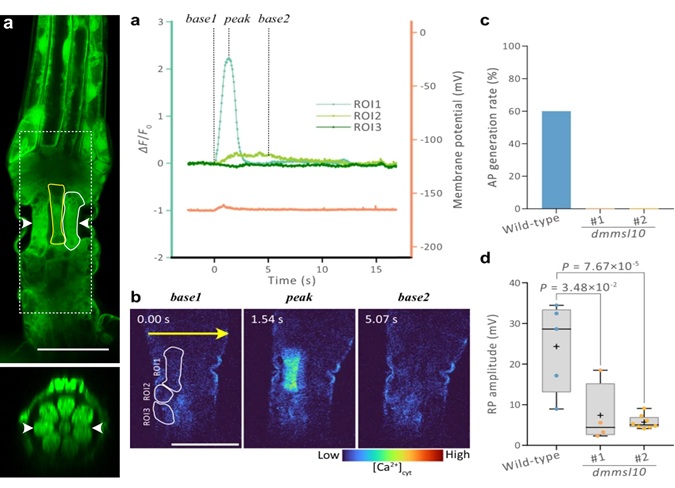 Plants are sessile and must sense and adapt to environmental stresses, including mechanical forces from wind or physical contact. Mechanosensitive genes, such as those in the Mechanosensitive channel of Small conductance-Like (MSL) family, prevent cell rupture by acting as osmotic safety valves under stressful conditions. In this study, Suda et al. investigated the role of MSL10 in the sensory hairs of Venus flytrap, which contain mechanosensitive cells in their basal indentation zones. Mechanical stimulation triggered calcium increases in indented cells on the stretched side, with small deflections leading to signal propagation to adjacent cells, and large deflections extending to surrounding cells. Single-cell destruction by laser ablation confirmed that these calcium signals originated from the indented cells. Stimulating the sensory hairs from different directions consistently triggered calcium increase at the indented cells, supporting a two-stage sensing model: (i) mechanical perception in indented cells, and (ii) multicellular signal propagation. Since electrical potential changes are also generated in response to mechanical stimuli, the authors investigated the relationship between the calcium signals and electrical signals. They identified receptor potentials (RPs) which are associated with local calcium signals, and action potentials (APs) associated with long-range propagation. MSL10 is an anion channel enriched in indented cells and utilized in long-range calcium signal propagation. The authors found that MSL10 mutants showed reduced trap closure when stimulated by ants compared to the wild-type, suggesting that MSL10 contributes to prey capture in Venus flytrap. (Summary by Irene I. Ikiriko @ireneikiriko) Nature Comms. 10.1038/s41467-025-63419-w.
When roots call, microbes answer: Glutamine as a key signal for microbial attraction
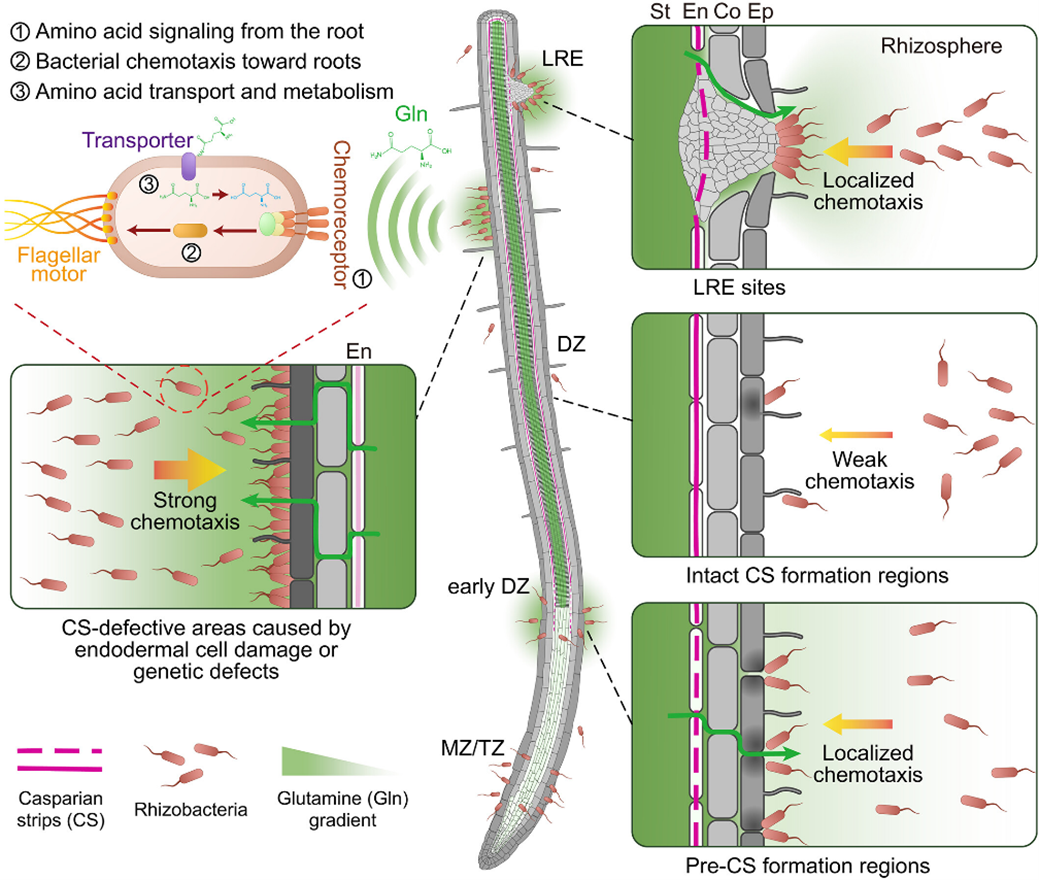 Plants don’t grow alone. They cultivate vibrant microbial communities around their roots that shape their growth, health, and resilience. Root exudates, cocktails of secreted metabolites, play a key role in selectively recruiting beneficial soil bacteria. Yet when, where, and how these exudates are released within the root system has remained largely unknown. Using an in-house mini-hydroponics setup, Tsai and colleagues visualized fluorescently-labeled bacteria colonizing specific root zones. They found that colonization peaks at the meristematic and transition zones, before the endodermal Casparian strip forms, while mature root regions show little bacterial presence other than in regions where lateral roots emerge and the Casparian strip is interrupted. Mutants with defective endodermal barriers (sgn3 and myb36) and laser ablation experiments confirmed that exudate leakage through the defective endodermis drives bacterial attraction. Through metabolomics and mutant analyses, the team identified glutamine as a key chemoattractant, a finding reinforced by glutamine-feeding and transporter-overexpression experiments. Although visualizing amino acid leakage in situ remains technically challenging, this work unveils compelling evidence and powerful tools to decode how roots orchestrate microbial partnerships, paving the way for designing crops that better harness the soil microbiome for sustainable agriculture. (Summary by Ching Chan @ntnuchanlab) Science 10.1126/science.adu423
Under attack: One reason why plants struggle in a warmer world
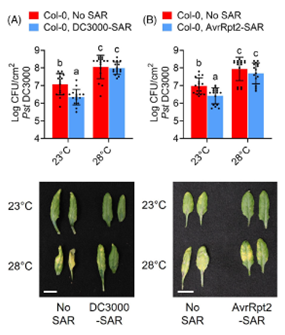 Plants, like animals, have a natural immune system that helps them defend against diseases. They not only fight local pathogens but can also alert distant, non-infected tissues to prepare for infection, a process called systemic acquired resistance (SAR). All these mechanisms can be threatened by climate change, especially by high temperatures. Shields et al. showed that as temperatures rise, plants struggle to activate their SAR mechanisms following pathogen attack. In simple terms, warmth makes it harder for plants to warn other parts of themselves, leaving them more vulnerable overall. In this study, the researchers infected individual leaves of Arabidopsis thaliana with the non-virulent bacteria Pseudomonas syringae and, two days later, reinfected other leaves with virulent pathogens to analyze resistance and SAR activation. Under normal (23 °C) conditions, infection triggered the production of N-hydroxypipecolic acid (NHP), a key immune signal. However, at 28 °C, plants failed to accumulate NHP due to reduced activity of the biosynthetic genes ALD1 and FMO1. Heat also suppressed ICS1, a gene that drives the synthesis of the defense hormone salicylic acid (SA) and lowered the expression of the master immune regulators CBP60g and SARD1, which control both NHP and SA pathways. These findings reveal that climate warming directly interferes with the molecular machinery of plant immunity, highlighting the need to engineer crops with heat-resilient immune networks. (Summary by Carlos González Sanz @carlosgonzsanz). Plant J. (10.1111/tpj.70374)
Amping up reproducibility of microbiome studies through standardized protocols and fabricated ecosystems
 There is ample evidence for the impacts of plant microbiomes to plant growth and metabolism, but there are also challenges to obtaining reproducible data. In a first of its kind multi-laboratory microbiome reproducibility study, researchers from five groups across three continents used prefabricated single-plant sterile incubation chambers (see https://www.protocols.io/view/use-of-ecofab-2-0-for-reproducible-plant-microbe-i-kxygxyydkl8j/v1) to study microbiome of the model grass, Brachyopodium distachyon. The authors applied synthetic bacterial communities (SymCom) to Brachypodium distachyon in sterile chambers, and then they examined plant phenotype, microbiome assembly and exo-metabolite profiles. The authors tested two synthetic communities. SynCom16 and SynCom17. SymCom17 has 17 bacterial isolates including the dominant root colonizer Paraburkholderia sp. OAS925, whereas SynCom16 lacks this dominant species. After 22 days, plant biomass was quantified. Plants inoculated with either SynCom showed smaller biomass than those grown sterilely, although the decrease in biomass with SynCom17 was greater, possibly due to Paraburkholderia sp. Importantly, there was minimal variation between labs of the plant phenotypes, exuded metabolites, and final microbiome composition. The findings show that through standardized protocols and conditions, plant-microbiome research can be highly reproducible. (Summary by Indrani Kakati @indranik333 @indranik18.bsky.social) PLOSBio 10.1371/journal.pbio.3003358
