

Plant Science Research Weekly: December 19, 2025
Commentary: Fund food research now

Rice fields on terraced at Chiang Mai, Thailand
Recently, a team of agricultural economists (Pardey et al.) released a powerful commentary about the state of agricultural research funding, which they say is insufficient. They observe that, fueled in part by the changing climate, food prices are rising everywhere, but they are forecast to rise even higher due to global underinvestment in agriculture R&D. They show that inflation-adjusted research spending has slowed significantly in the past decade. Furthermore, compared to the US and Europe, there has been increased spending in Asia-Pacific and middle-income countries (e.g. China, India, and Brazil) due to food security being important policy priorities. The authors call on governments to raise public funding for agriculture R&D, and for better integration of public and private research programs. Because it takes years to see impacts of R&D investments and yield improvements increase linearly not exponentially, even if governments increase spending now, the damage from recent slowdowns will continue to affect food supplies for years. The authors conclude, “Humanity faces a worsening imbalance between worldwide supply and demand for food. This will hurt everyone, but especially the poorest people in rich and poor countries alike. Governments must move quickly to reverse the agrifood R&D spending slide.” (Summary by Mary Williams @PlantTeaching.bsky.social) Nature 10.1038/d41586-025-03970-0
Review: Successes from the past decade of improving photosynthesis
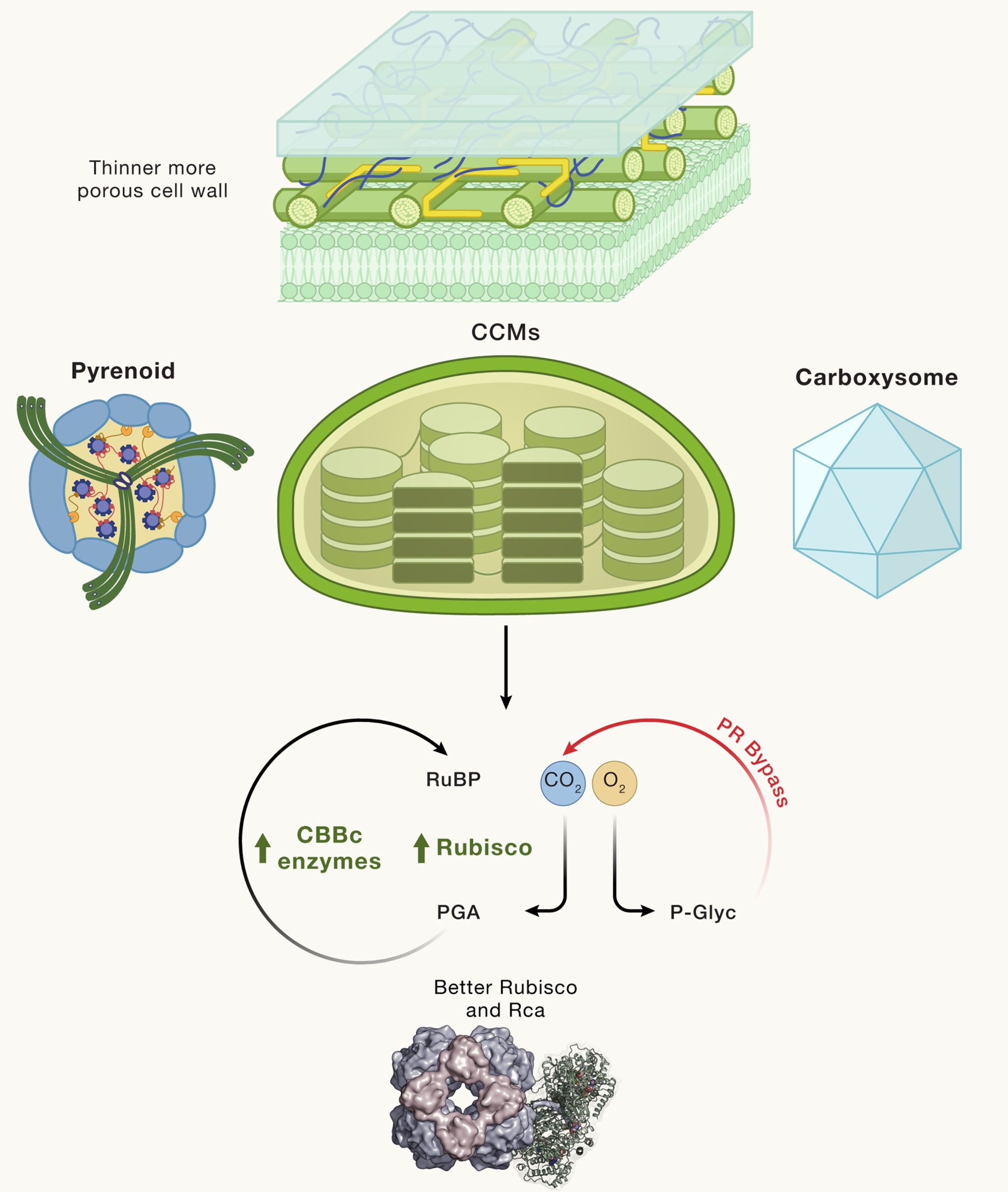 Many factors contribute to global hunger, but progress in many sensible directions such as lowering waste and improving distribution has been negligible; furthermore, the ever growing challenges of climate change continue to hinder food production. Photosynthesis is a critical yet inefficient process for plant growth that is largely conserved across important crops, so provides an excellent target for increasing production. This excellent review by Long et al. superbly lays out the different approaches being explored and their successes. The first part of the review discusses efforts to improve the efficiency with which Rubisco fixes carbon. These include carbon-concentrating mechanisms such as C4 pathways or pyrenoids as well as strategies to alter the catalytic specificity of Rubisco directly or enhance the downstream pathways. Additional approaches are discussed that can improve light harvesting, such as through altering leaf canopy architecture or fine-tuning non-photochemical quenching. An interesting thread throughout this review is a discussion of how new research tools and techniques are instrumental to such efforts, seamlessly blending basic and applied research. (Summary by Mary Williams @PlantTeaching.bsky.social) Cell 10.1016/j.cell.2025.10.033.
Review: Training tomorrow’s plant taxonomists
 Reading this review brought to mind some well-known lyrics starting “You don’t know what you’ve got …” Joni Mitchell followed with “till its gone,” whilst Blink-182 suggested “till it’s almost gone”. A major challenge for plant scientists today is to find out what we have before its gone, and hopefully use this knowledge to not let it go. However, knowing what we’ve got requires the special skills of plant taxonomists, and, as Simões et al. write, there is a global shortage of those skills. The authors undertook a global comprehensive survey of the discipline, its training, and its resources, and found several issues of concern. For example, half of all countries, including many with uncharted biodiversity, have fewer than 10 active plant taxonomists. The authors review their data and from it build a comprehensive set of recommendations for how to improve plant taxonomy training and ensure that these vital skills, and the plants they are employed to record, are not lost. (Summary by Mary Williams @PlantTeaching.bsky.social) Trends Plant Sci. 10.1016/j.tplants.2025.08.019
Viewpoint. Green life beyond Earth: Frontiers of space plant biology
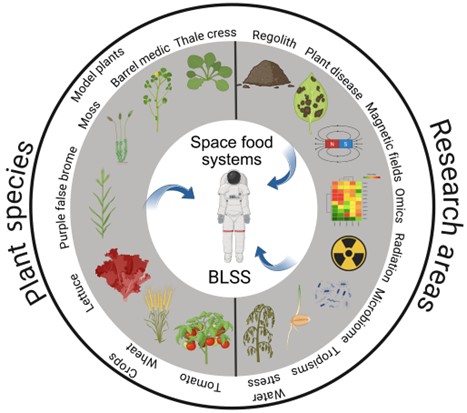 Plants are the quiet architects of life on Earth, sustaining the ecosystem through their ability to capture energy, cycle nutrients, and adapt to extreme environments. Their remarkable plasticity allows plants to thrive on non-arable land such as mountains, deserts, and floodplains, but whether this resilience extends beyond Earth’s orbit remains an open question. Fountain et al. summarize key discussions from the Third International Space Life Sciences Working Group workshop, “Plants for space exploration and Earth applications,” outlining missions and research frontiers shaping the future of plant biology in space. The authors highlight how fundamental discoveries are redefining space plant biology. Studies of plant tropisms under microgravity and partial gravity reveal how altered perception and signal transduction reshape differential growth. Beyond classical tropisms, electrotropism (aka galvanotropism, growth guided by electric fields) emerges as a promising strategy to compensate for the absence of gravity. The workshop also underscored other space stressors, including the lack of Earth geomagnetic field, ionizing radiation, and lunar or Martian regolith as growth substrates, which often result in poor growth and reduced fecundity. Microgravity further disrupts water delivery, leading to hypoxia and increased susceptibility to phytopathogens. Translating these insights into functional space agriculture remains a central challenge. Building on NASA’s Crop Readiness Level, the workshop proposed a new Bioregenerative Life Support System Readiness Level, emphasizing self-replication, regeneration, and plants’ capacity to recycle water, waste, and atmospheric gases. Looking forward, the authors emphasize that successful space farming must also extend beyond biology and engineering. Psychological well-being, ethical, and cultural considerations are indispensable integral to this journey of humanity beyond Earth. (Summary by Ching Chan @ntnuchanlab) New Phytol. 10.1111/nph.70662
Pectin modifications regulate plant stem cell dynamics
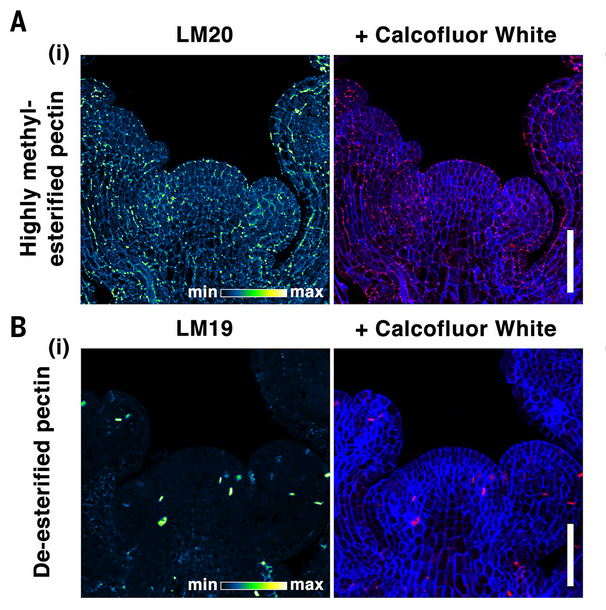 Plant development depends on the precise regulation of cell wall mechanics, largely controlled by the methylesterification status of pectin. Although pectin remodeling is known to influence cell expansion and tissue integrity, how its modification is spatially and temporally regulated during cell division in the shoot apical meristem (SAM) has remained unclear. Zhu et al., reveals that in the SAM of Arabidopsis thaliana, pectin methylesterification is highly heterogeneous. Mature cell walls are enriched in highly methylesterified pectins, whereas newly formed cell plates accumulate demethylesterified pectins. This pattern is established by the mitosis-specific pectin methylesterase PME5, whose mRNA is unusually sequestered in the nucleus and released only after nuclear envelope breakdown. Such regulation ensures that PME5 activity is restricted to the forming cell plate. Disrupting pectin demethylesterification or prematurely releasing PME5 mRNA alters division plane orientation, compromises cell wall integrity, and impairs stem cell maintenance. A key contribution of this work is the discovery that mRNA nuclear sequestration functions as a regulatory layer controlling cell wall remodeling. The RNA-binding proteins RZ-1B and RZ-1C directly bind PME5 mRNA and mediate its nuclear retention, thereby maintaining high methylesterification in mature walls while allowing localized demethylesterification during cytokinesis. Similar pectin modification patterns observed in multiple plant species suggest this mechanism is evolutionarily conserved. (Summary by Yuanyuan Liu @YuanyuanLiu12). Science 10.1126/science.ady4102
Reprogramming trees: Hairy root-mediated transformation unlocks genetic engineering in poplar
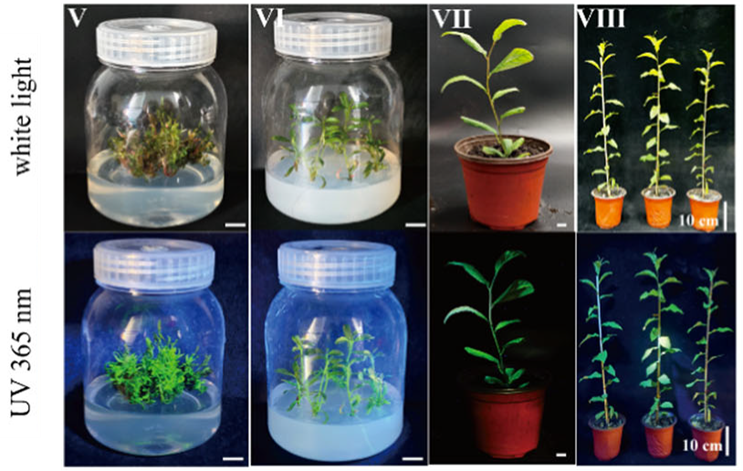 Agrobacterium tumefaciens, through its natural capacity to deliver foreign DNA into plant genomes, has enabled efficient transformation across many plant species and cultivars. Despite these advancements, persistent challenges remain, including genotype-dependent recalcitrance, potential off-target DNA integration, and the lengthy tissue culture steps required for stable regeneration. These limitations are particularly evident in woody species such as poplar (Populus spp.), which are widely used for industrial wood production, ecological restoration, and urban greening. Although poplar serves as an important model for tree biology, a robust and broadly applicable transformation system has yet to be established. Addressing this gap, Wei and colleagues demonstrate that Agrobacterium rhizogenes-mediated hairy root transformation system provides an efficient alternative for poplar genetic manipulation. The authors demonstrated that multiple explant types, including leaf, stem, and root tissues, can be readily induced to form transgenic hairy roots, which can subsequently undergo shoot induction, elongation, and rooting to generate whole plants. To validate the functional robustness of the system, they overexpressed a UV-fluorescently tagged version of Hox52, a key regulator of adventitious root formation, and employed CRISPR/Cas9 to disrupt endogenous Hox52 function. Remarkably, a single transformed hairy root produced more than 100 fluorescent plantlets within 12 weeks, underscoring the efficiency and scalability of the method. In contrast, Hox52 knockout lines exhibited reduced adventitious rooting. Together, this work establishes a rapid, versatile platform for poplar transformation along with a genome editing toolkit, opening new avenues for functional genomics and accelerating genetic improvement in woody plants. (Summary by Ching Chan @ntnuchanlab) Plant Cell Environ. 10.1111/pce.70306
A conserved pollen signal unifies intra- and interspecific reproductive barriers in Brassicaceae
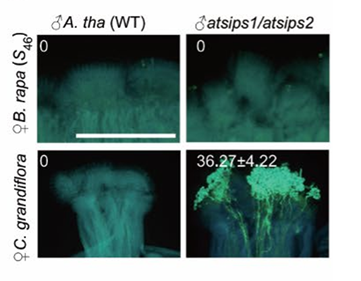 Distant hybridization is an important route for crop improvement, enabling the transfer of disease resistance and stress tolerance from wild relatives, but in Brassicaceae it is strongly restricted by stigma-based interspecific incompatibility. While self-incompatibility (SI) signaling via SCR–SRK is well established, the pollen signals responsible for rejecting heterospecific pollen have long been unknown. A recent study published in Science by Cao et al. resolves this gap. Through yeast two-hybrid screening and immunoprecipitation–mass spectrometry, the authors identified a family of pollen coat peptides from Arabidopsis, termed SIPS (SRK-interacting Interspecific Pollen Signals). Two members, AtSIPS1 and AtSIPS2, are secreted proteins that bind the extracellular domain of Brassica SRK with high affinity, comparable to canonical SCR–SRK interactions. SIPS perception recruits the receptor kinase FER, activates RBOH-dependent ROS production in the stigma, and rapidly reduces pollen viability. Genetic analyses show that SIPS-triggered ROS accumulation strictly depends on the SRK–FER pathway. Pollen lacking SIPS fails to induce ROS and survives much longer on heterospecific stigmas, identifying SIPS as the key initiator of interspecific pollen rejection. Comparative genomics reveals that SIPS homologs are restricted to a subset of Brassicaceae species and absent from non-Brassicaceae plants. Unlike SCR, SIPS binds conserved regions of SRK, allowing broad recognition across different S-haplotypes. (Summary by Yuanyuan Liu @YuanyuanLiu12) Science 10.1126/science.ady2347
In planta directed evolution: Turning a single leaf into a laboratory of quasi-infinite variants
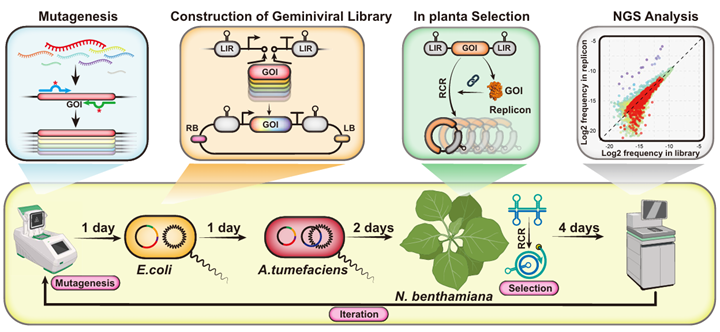 Directed evolution aims to identify variants of a gene of interest (GOI) with improved or novel functions by accelerating mutation and selection under experimental conditions. However, in planta platforms have been hindered by slow plant cell division. Recently, Zhu et al. introduced the geminivirus replicon–assisted in planta directed evolution (GRAPE) platform, enabling rapid improvement or reprogramming of gene function. It combines Nicotiana benthamiana cells for transient expression, GOI variant libraries generated through error-prone PCR or saturated mutagenesis, and a self-replicating artificial replicon engineered from a geminivirus. Replicons carrying GOI variants and replication proteins were delivered separately for controlled replication. Experimental conditions were optimized to ensure unbiased transmission of gene variants. Up to 10⁵ variants were tested in a single leaf within four days. Variant frequencies were quantified by deep sequencing, and performance was inferred by linking phenotype to replication levels. The system was validated by evolving two nucleotide-binding domain leucine-rich repeat-containing (NLR) immune receptors, using a selection scheme in which functional variants triggered hypersensitive response, cell death and their own depletion from the replicating pool. The NLR protein required for cell death, NRC3, evolved to escape inhibition by the nematode effector SPla/RYanodine receptor domain–containing Secreted protein 15 (SPRYSEC15), and iterative evolution of rice NLR receptor Pikm-1 generated variants capable of recognizing all six alleles of the Magnaporthe oryzae avirulence effector AVR-Pik. GRAPE turned the leaf into a “cellular multiverse” for accelerated Darwinian-like selection: each cell acted as a microcosm where variants replicated, were expressed, and became enriched or depleted according to their phenotype, transforming the leaf into an immense, nanoscale evolutionary laboratory. (Summary by Flavia Darqui @flavia-darqui.bsky.social) Science 10.1126/science.ady2167
Trehalose-mediated reprograming: Metabolic crosstalk in plant-insect interactions
 In nature, plants often face multiple attackers simultaneously, giving rise to complex three-way interactions that can reshape defense outcomes in unexpected ways. An intriguing example comes from observations that prior aphid infestation, or even pretreatment with aphid honeydew, suppresses the jasmonic acid (JA) burst typically triggered by herbivory, thereby increasing plant susceptibility to subsequent insect attack. Yu and colleagues dissected this phenomenon by identifying the active components in aphid honeydew and uncovering the underlying mechanism. Using mass spectrometry, they revealed a complex mixture containing saccharides (notably trehalose), amino acids (including theanine, γ-aminobutyric acid, arginine, glutamic acid, glutamine, and alanine), and several phytohormones (JA, salicylic acid, abscisic acid, and JA-Ile). Functionally, plants subjected to mechanical damage plus trehalose treatment supported significantly greater larval growth. Feeding caterpillars an equivalent amount of trehalose directly, however, did not enhance their weight, demonstrating that trehalose acts by suppressing plant resistance rather than serving as a nutritional supplement. Surprisingly, trehalose treatment did not reduce JA or JA-Ile levels; instead, these hormones increased. The key effect lay elsewhere: catechins, specialized defense metabolites induced by drought stress, were suppressed. Consistent with this, trehalose enhanced plant water retention, whereas dehydration promoted catechin accumulation and herbivory resistance. Together, these findings highlight how insect-derived metabolites can reprogram plant water status and secondary metabolism, uncoupling hormonal signaling from effective defense. Looking ahead, this work opens new avenues for understanding how ecological context and metabolic cross-talk shape plant resistance, contributing to improved design of sustainable crop protection strategies. (Summary by Ching Chan @ntnuchanlab) Plant Cell Environ. 10.1111/pce.70270
Special report: State of the climate, a planet on the brink
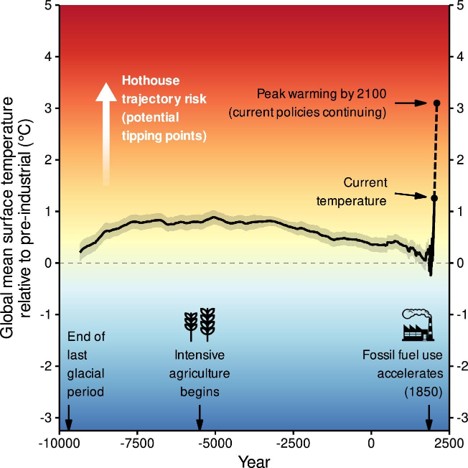
This is the last edition of PSRW before the new year. Although we have spent the past year celebrating the breakthroughs in plant science, I am going to end on a more sober note, which is succinctly captured in this important special report from Ripple et al. The authors pull together data from across the globe to alert us that we are living in dangerous times, which threaten both plants and people. As we all know, burning the “buried sunshine” of fossilized plants has rapidly changed the gaseous composition of our atmosphere, leading to rapid global heating and its myriad consequences. Beyond highlighting these data, the authors summarize several climate mitigation strategies that should be effected immediately. I urge you to read this article and consider how you can use your voice to support these critical efforts. The article ends with this powerful statement:
The future is still being written. Through choices in policy, investment, education, and care for one another and the Earth, we can still create a turning point. It begins by embracing our shared humanity and recognizing the profound interconnectedness of all life on the planet.
Take care and best wishes for 2026.
(Summary by Mary Williams @PlantTeaching.bsky.social) Bioscience 10.1093/biosci/biaf149

