

How salt-extruding halophytes avoid drying out
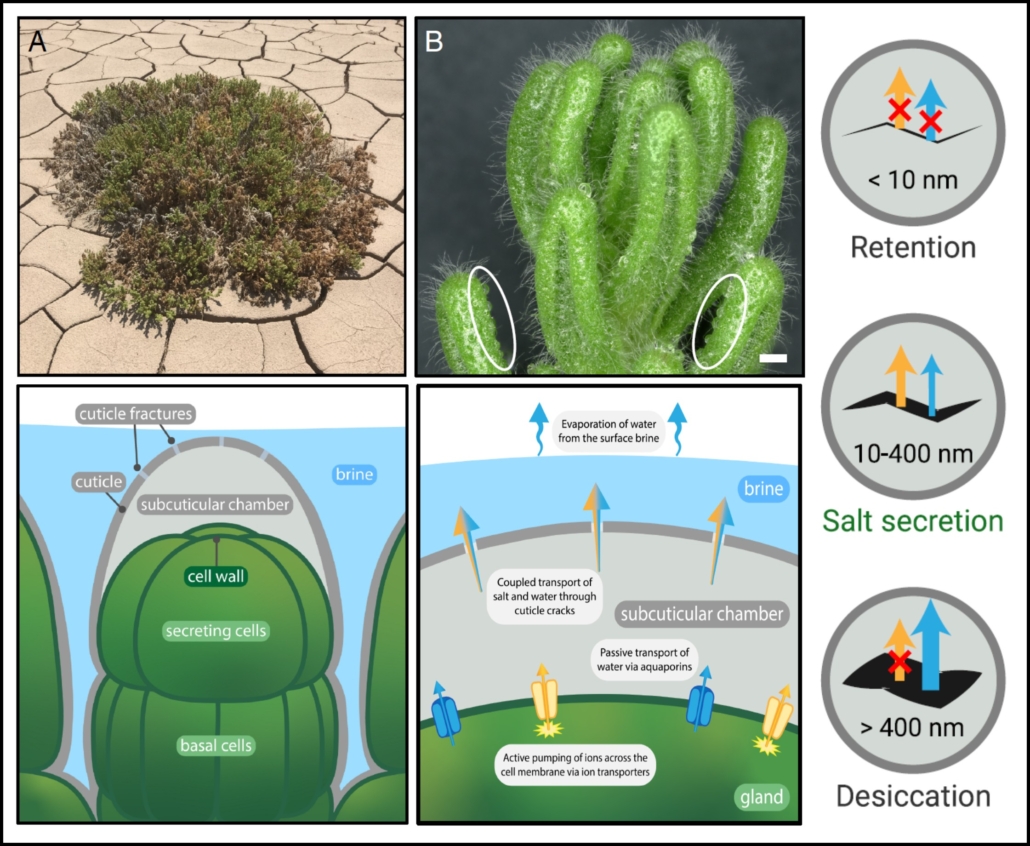
Plant Science Research WeeklyHalophytes are plants that have evolved ways to adapt to high-salt environments that can be toxic to non-halophytes. Some halophytes prevent salt uptake, some sequester it in disposable bladders, and some extrude it from salt glands. In a new study, Mai et al. studied Nolana mollis, a salt-tolerant plant…

Review. When water runs short: How plant hydraulic traits function and matter most
Plant Science Research WeeklyLong-standing puzzles have perplexed scientists about the physiological tradeoff between drought resistance and crop production, and this review brings the pieces together. What, exactly, allows a crop to keep producing when water runs short? Should breeding focus on early stomatal closure and limited…
Hydraulic trade-offs underlie enhanced performance of polyploid trees under soil water deficit
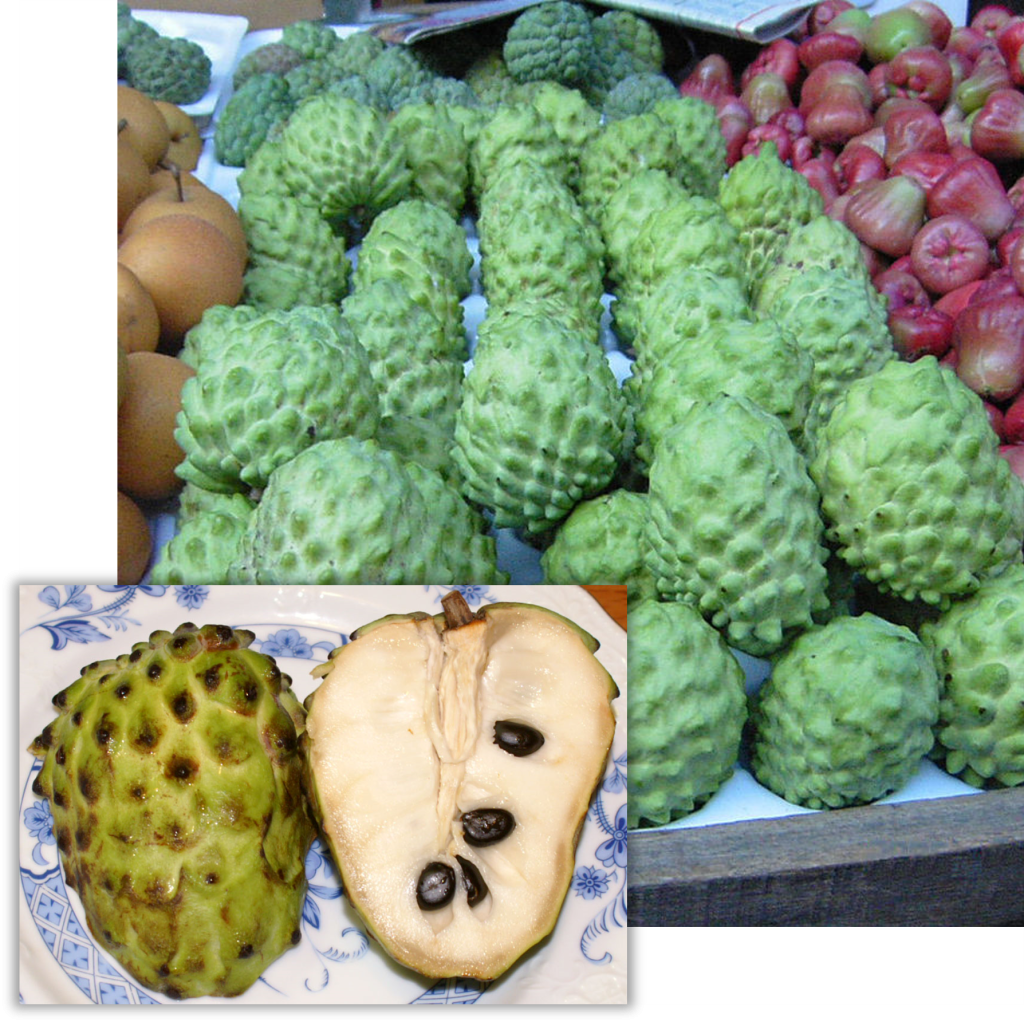
Plant Science Research WeeklyThe (apparently delicious) fruit called atemoya is produced from a hybrid of Annona squamosa (sugar apple) × Annona cherimola (cherimoya), native to the American tropics but now grown widely. The hybridization event led to plants with several ploidies; diploid, triploid and tetraploid, which serve as…
Tracking water transport to the host plants by arbuscular mycorrhizal fungi (New Phytol)
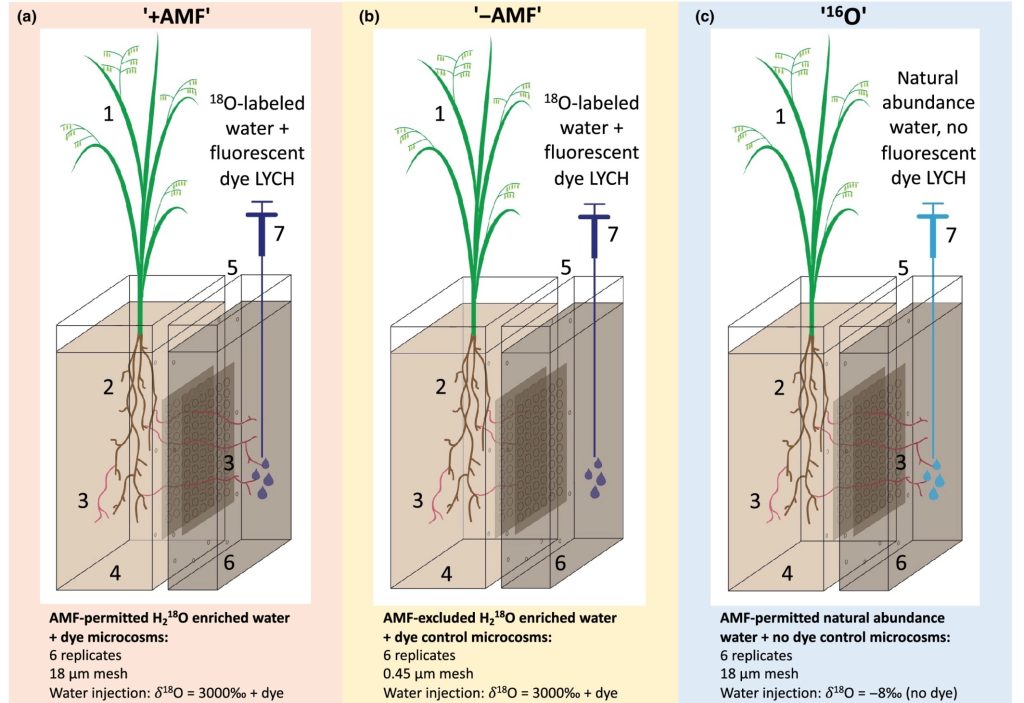
Plant Science Research WeeklyIn spite of several years of observation of the symbiotic relationship between plants and arbuscular mycorrhizal fungi, we are still learning about the intricate mechanisms and processes behind their relationship. Symbiotic fungi provide nutrients (mainly phosphorus and nitrogen), stress tolerance, and…
Water-related innovations in land plants evolved by different patterns of gene cooption and novelty (New Phytol)
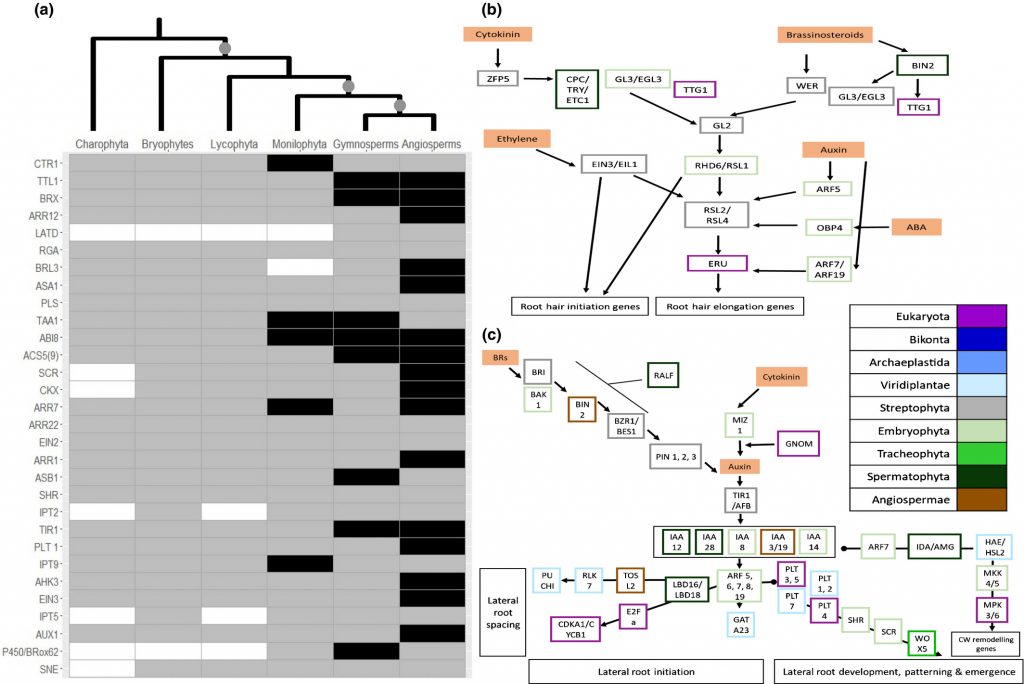
Plant Science Research WeeklyThe availability of genome data from across the kingdom of plants has provided insights into plant evolution, and particularly the emergence of land plants. Here, Bowles et al. explore the genetic origins of three key innovations that supported the expansion of land plants: stomata, vascular tissues,…