

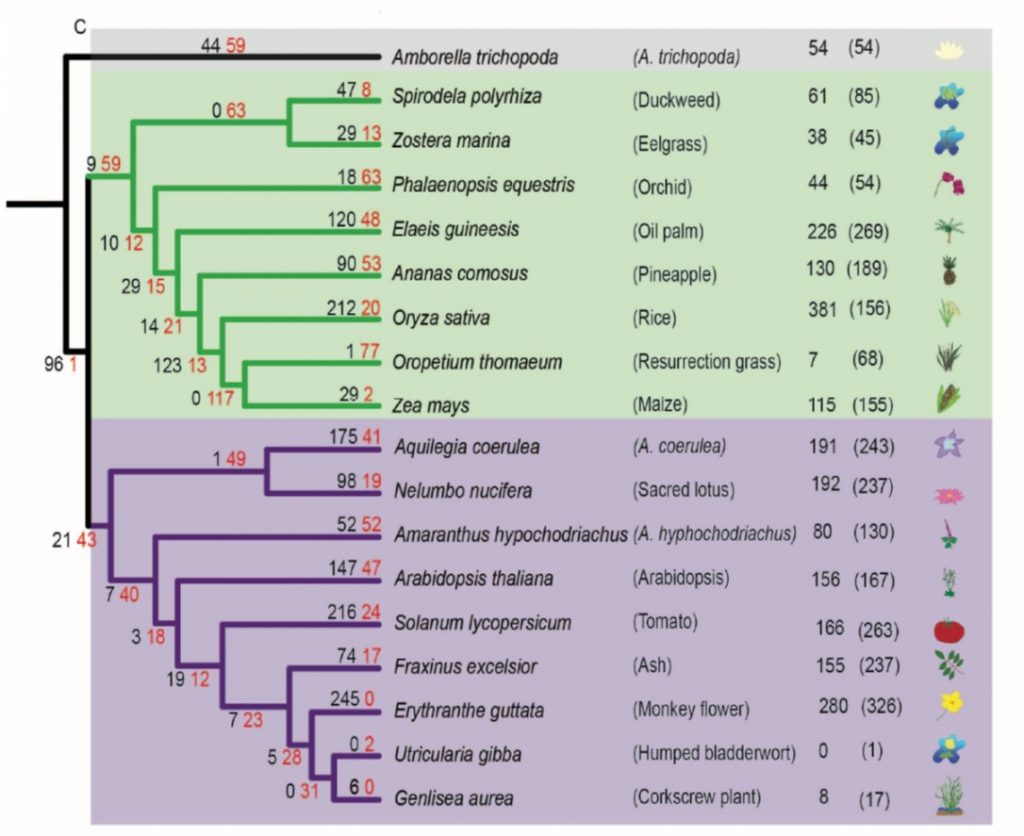
Convergent loss of plant immune receptors and signaling pathways (Plant Cell)
Plant Science Research WeeklyNucleotide-binding leucine-rich repeat receptors (NLRs) are important components of the plant immune system. They are intracellular receptors that act downstream of the cell-surface receptors, and initiate the so-called effector-triggered immunity (ETI). In most plants, the NLR gene family is large and…
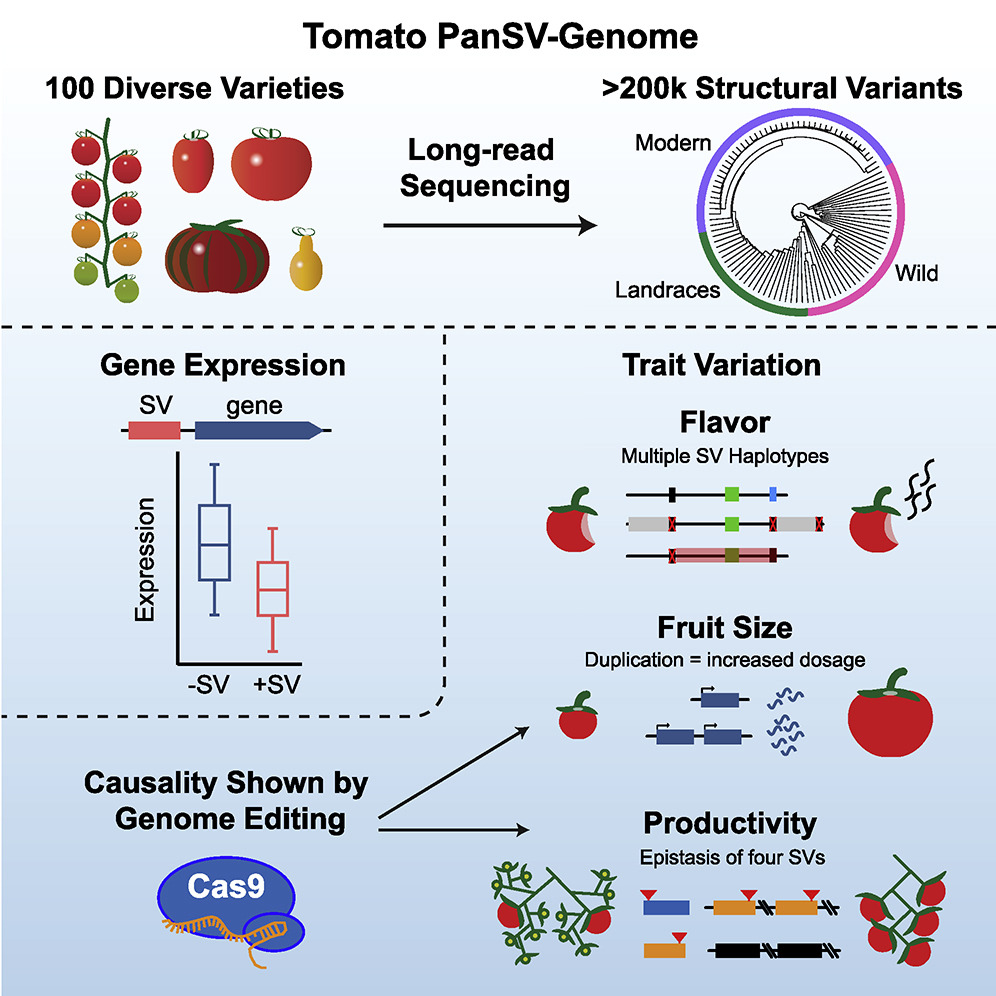
Major impacts of widespread structural variation on gene expression and crop improvement in tomato (Cell)
Plant Science Research WeeklyStructural Variants (SVs) are large genomic deletions, insertions, and duplications with underexplored roles in determining plant phenotypes. Recognizing the extent to which SVs define quantitative trait variation was previously constrained by the fact that popular short-read sequencing technologies…
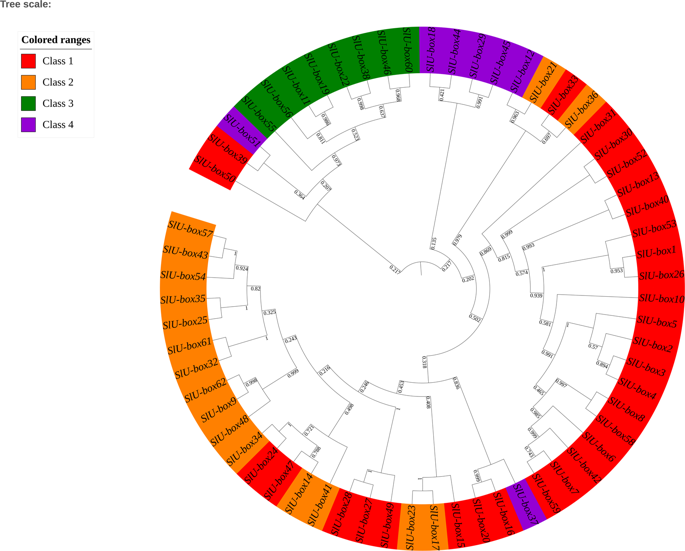
Genome-wide analysis of the U-box E3 ubiquitin ligase enzyme gene family in tomato (Sci. Reports)
Plant Science Research WeeklyUbiquitination is a process of adding ubiquitin (a small regulatory protein) to a substrate protein, leading to its degradation. A wide variety of cellular processes necessary for plant growth and development are regulated by ubiquitination. E3 ubiquitin ligases are the largest family of proteins involved…
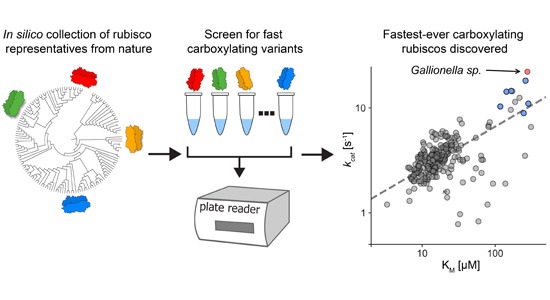
Highly active rubiscos discovered by systematic interrogation of natural sequence diversity (EMBO J)
Plant Science Research WeeklyThis is a fascinating and very well-written paper that investigates the diversity of rubisco's kinetic properties. Rubisco’s relationship with its substrate CO2 is complicated by its relationship with O2, and it has often been suggested that for this reason rubisco is locked into a slow rate of catalysis.…
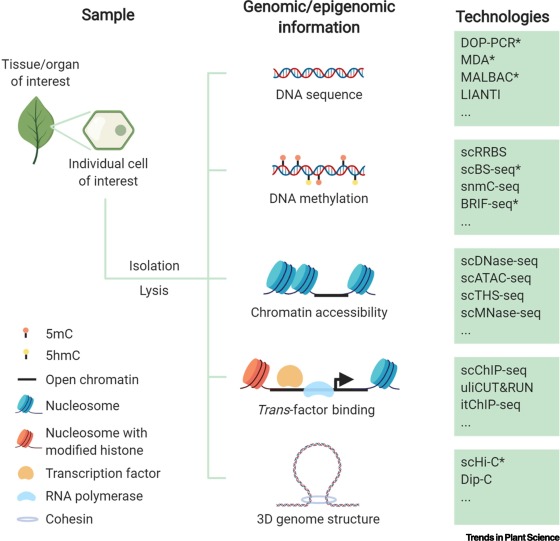
Review Single-cell genomics and epigenomics: Technologies and applications in plants ($) (Trends Plant Sci)
Plant Science Research WeeklyPlants (embryophytes) are by definition multicellular, but we seek to understand them as the sum of the activities of individual cells. Much of this knowledge rests on information obtained through grinding up tissues made up from several cell types. This review by Luo et al. describes methods for plant…
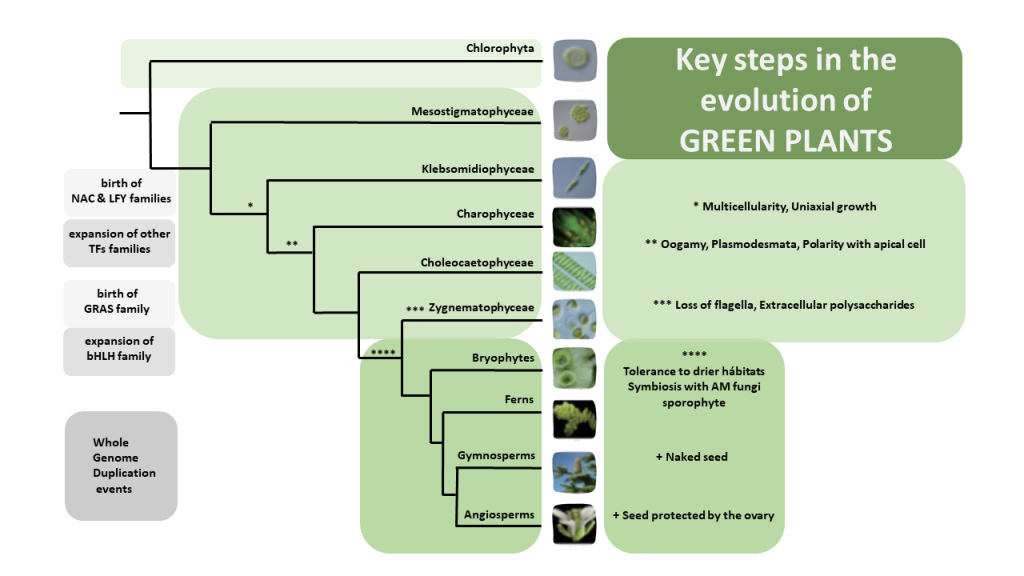
Review: Sequencing and analyzing the transcriptomes of a thousand plant species (Annu. Rev. Plant Biol.)
Plant Science Research WeeklyOver the past decade, Next Generation Sequencing (NGS) has been used for de novo assembly of crop genomes (i.e., tomato, potato) under the motto “If it tastes good, let’s sequence it”. By contrast, the One Thousand Plant (1KP) Initiative set out to obtain transcriptomic data of phylogenetically…
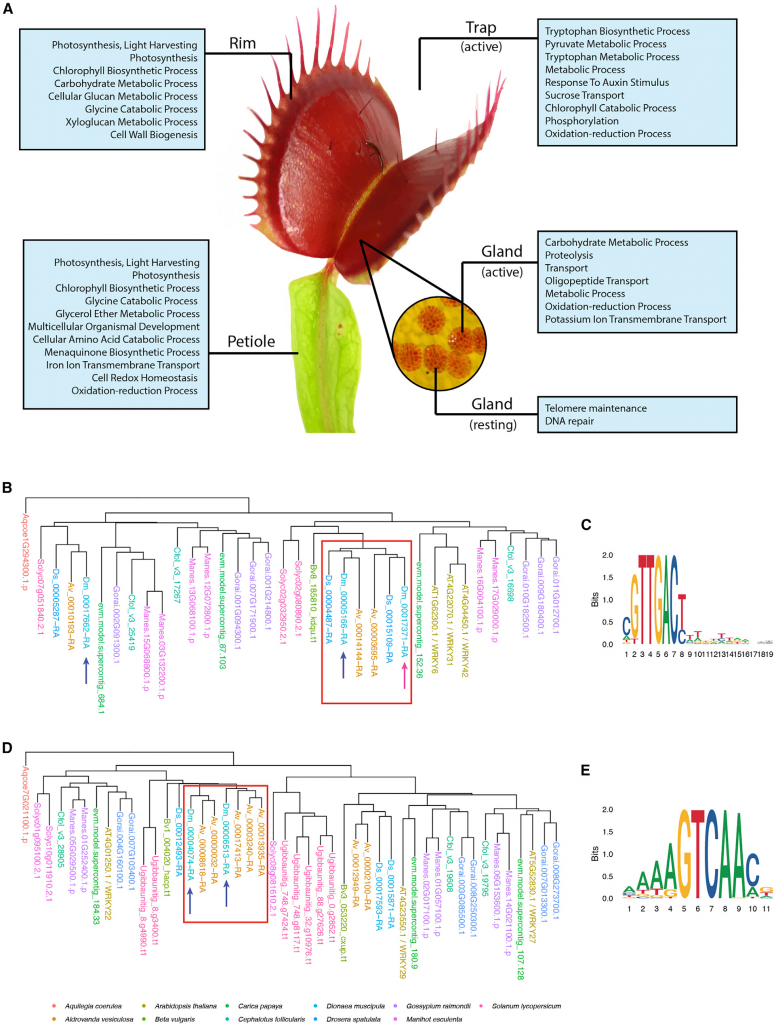
Repurposed genes and the evolution of plant carnivory (Curr. Biol.)
Plant Science Research WeeklyCarnivorous plants attract, trap, digest, and import nutrients from small animal prey, enabling these plants to thrive in nutrient-poor soil. Palfalvi et al. sequenced, annotated, and compared draft genomes from the family Droseraceae for the Venus flytrap (Dionaea muscipula), the waterwheel plant (Aldrovanda…
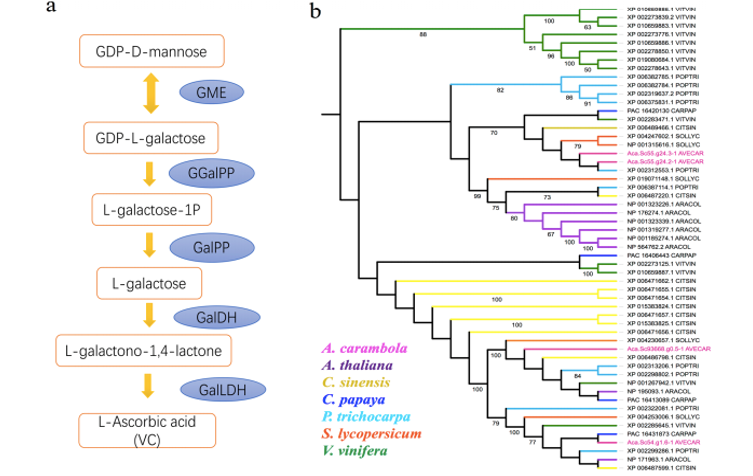
Dissecting the genome of star fruit (Averrhoa carambola L.) (Hort. Res.)
Plant Science Research WeeklyStarfruit is a sweet and sour fruit that has a shape of a five-point star. It belongs to the Oxalidaceae family and is a fruit of Averrhoa carambola, a species of tree native to tropical Southeast Asia. The fruit is consumed in many parts of the world and is known for its many economic, medicinal and…
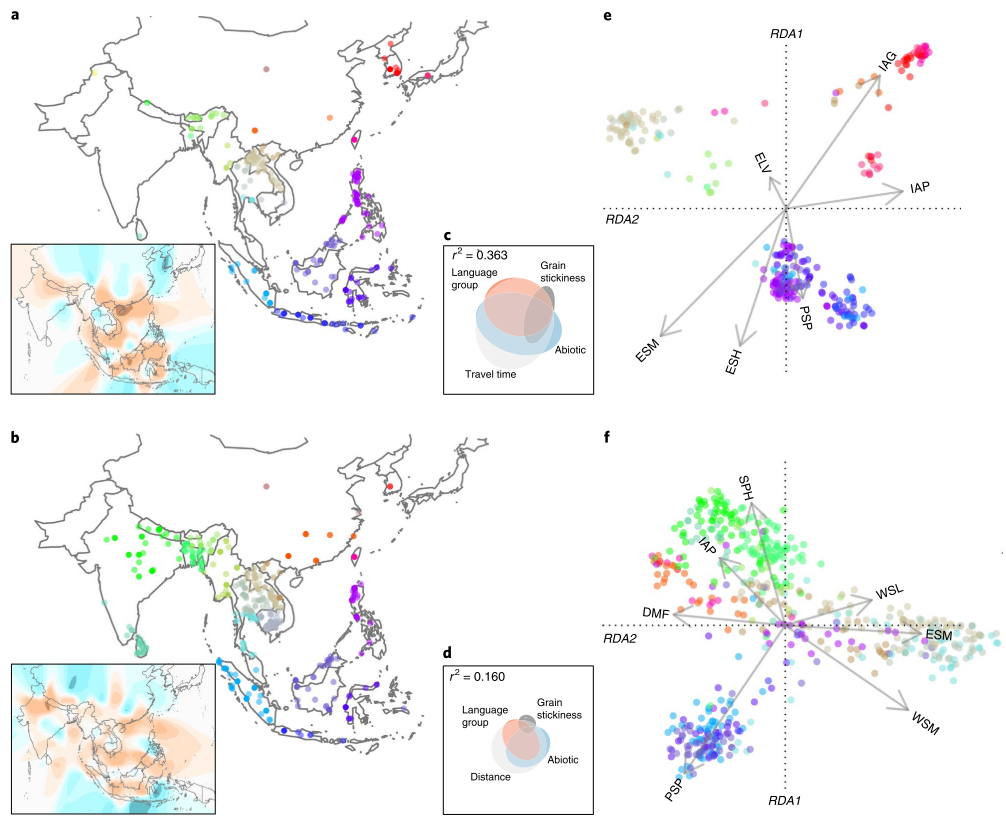
Genomic history and ecology of the geographic spread of rice (Nature Plants)
Plant Science Research WeeklyOriginating in China’s Yangtze Valley ~9,000 years ago, rice (Oryza sativa) is a staple food for over half of the world’s population. While rice domestication has been well-researched, studies addressing the species' diversification and spread post-domestication are lacking. Here, Gutaker et al. tell…