


Review. Beyond elite crops: Designing resilient agriculture from wild plant diversity
Plant Science Research WeeklyWhen looking at the foods that fill our supermarkets, it can be hard to imagine we are relying on just a handful of domesticated plant species. Thousands of wild plants, each with its own unique strengths, remain overlooked and underused. For years, plant breeders have tried to borrow these unique traits…

A kinase fusion protein from Aegilops longissima confers resistance to wheat powdery mildew
Plant Science Research WeeklyThe obligate biotrophic pathogen Blumeria graminis f. sp. tritici (Bgt) is the cause of wheat powdery mildew, a foliar disease that results in significant yield loss in most wheat-growing regions across the globe. This research focuses on the identification and functional analysis of the powdery mildew…
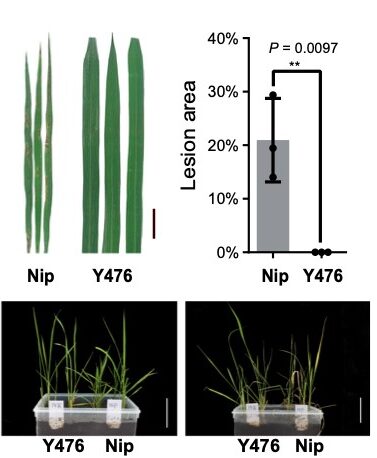
Crossing the gap: Decrypting the genome facilitates gene identification in wild rice
Plant Science Research WeeklyDomesticated crops provide a reliable food source but generally have little genetic diversity to cope with environmental fluctuations. By decrypting the genome of wild species such as the wild rice Oryza rufipogon, we may identify additional genetic variation useful for breeding process. However, the…

Oryza glumaepatula: A wild relative to improve drought tolerance in cultivated rice
Plant Science Research WeeklyWhen we speak about rice, we’re often referring to one of two domesticated species, Oryza japonica or Oryza indica. However, there are an additional 25 species in the genus Oryza. These so-called wild relatives harbor substantial genetic diversity that holds promise for crop improvement. Here, Prakash…
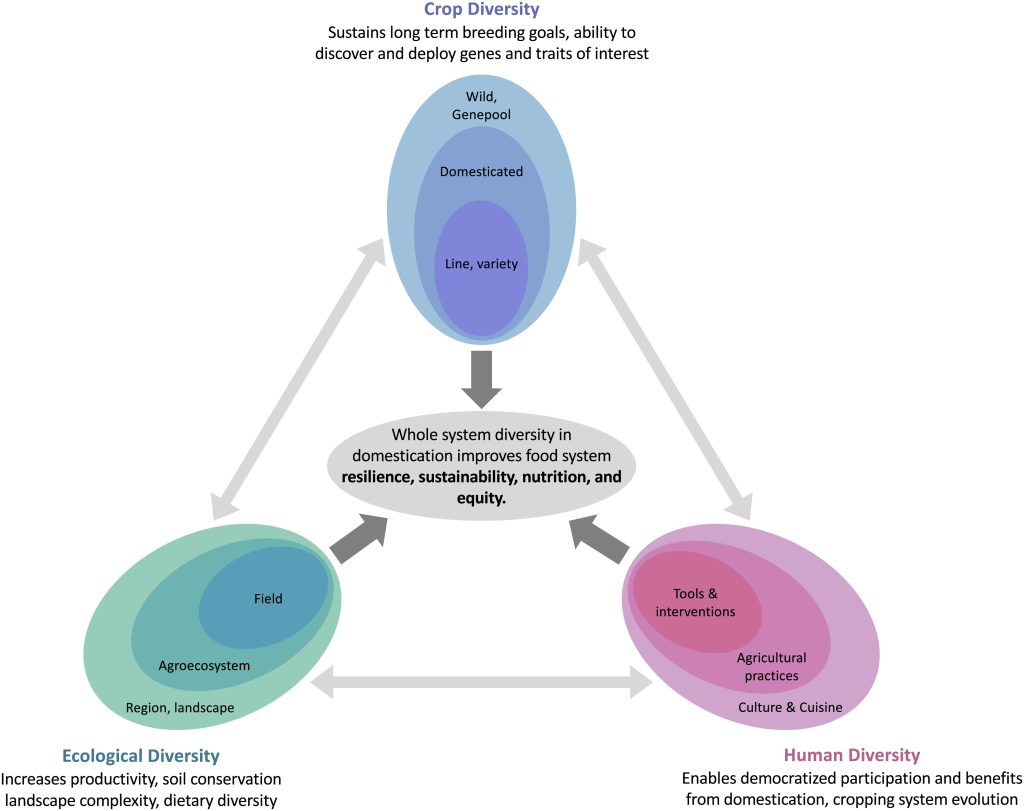
Special feature: Harnessing crop diversity
Plant Science Research WeeklyDon’t miss this excellent set of articles on the topic of crop diversity, organized by Susan McCouch, Loren Rieseberg, with Pamela Ronald. It includes five perspectives and six research articles, on topics such as breeding technologies and international policies. As the editors observe, having a very…