

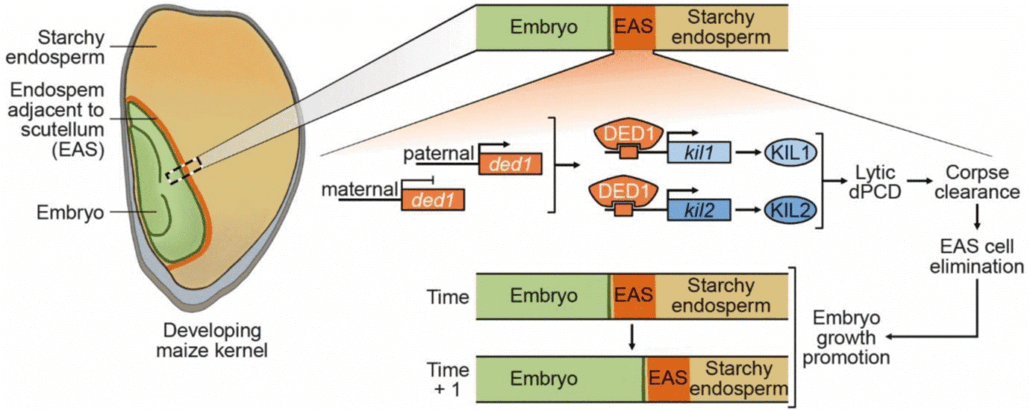
Unusual cell death pathway in maize endosperm
Plant Science Research WeeklyAn interesting new study by Doll et al. addresses one of the most complex and important plant developmental processes, that of seed formation, with a focus on maize. Like other seeds, the maize seed (kernel) includes the next generation embryo, surrounded by various maternal tissues as well as the triploid…
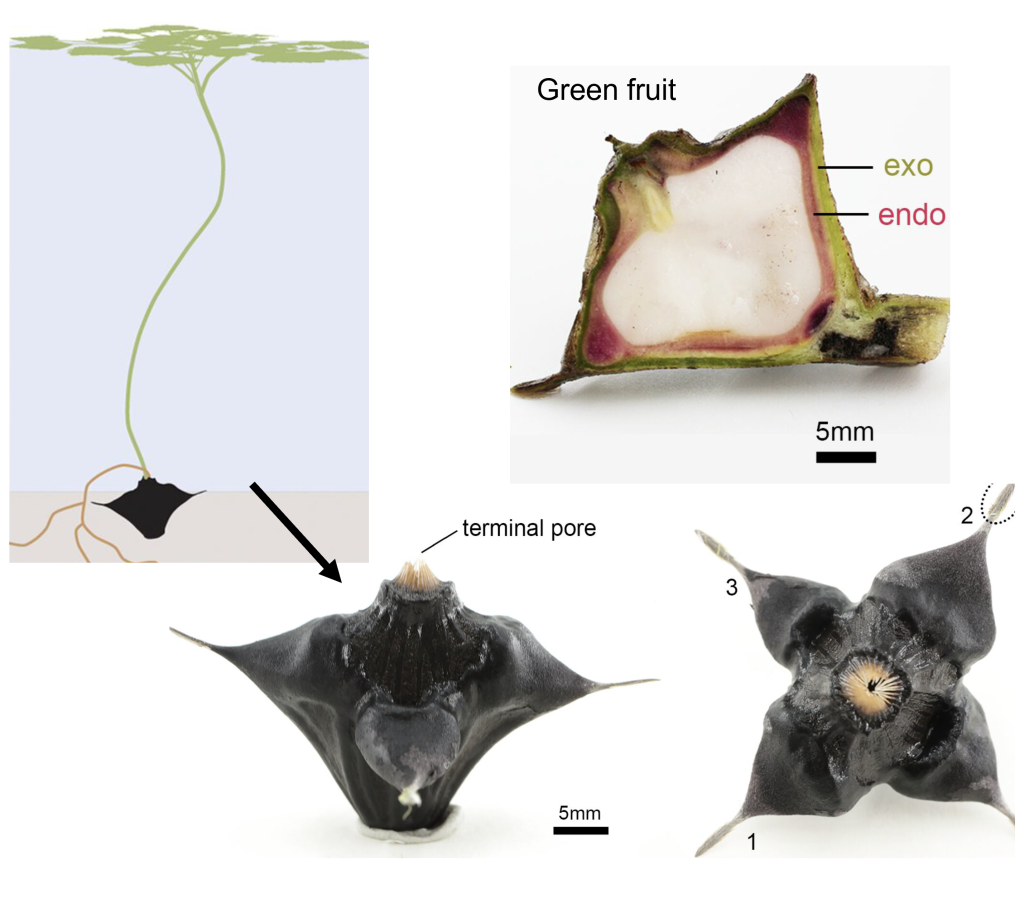
Hydrolyzable tannins are incorporated into the endocarp of water caltrop
Plant Science Research WeeklyTrapa natans, also known as water caltrop or bat nut, is an aquatic plant with large seeds encased by a hardened endocarp. Due to this durable endocarp, these seeds may remain dormant underwater for up to 12 years. Huss et al. studied the anatomical and biochemical factors responsible for the hardened…
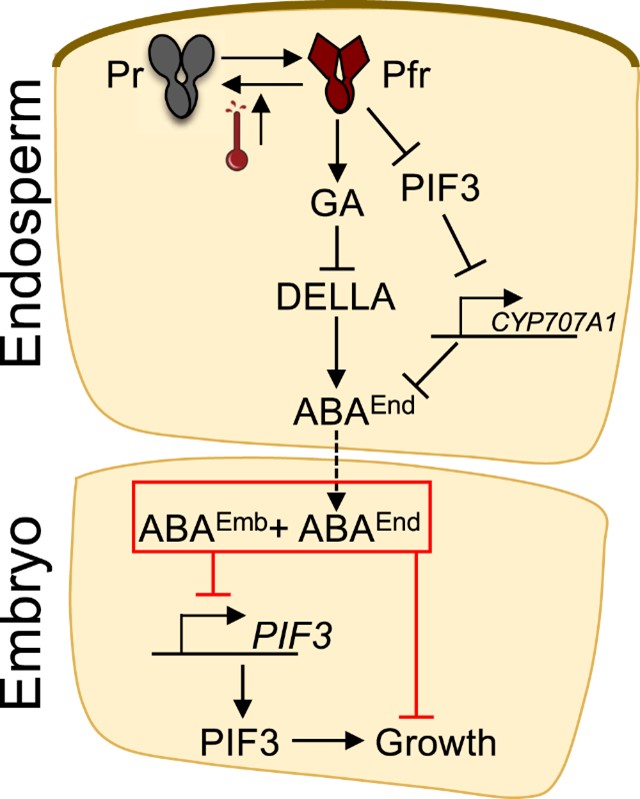
Unveiling the hot secrets of seed thermoinhibition: The endosperm’s role in plant survival
Plant Science Research WeeklyAn important phase in a plant’s life cycle is transforming from embryo to seedling, when it transitions from a protected space inside the seed to a vulnerable seedling. The capacity of the seedling to tolerate its surroundings determines its survival and eventual reproductive success. In addition to…
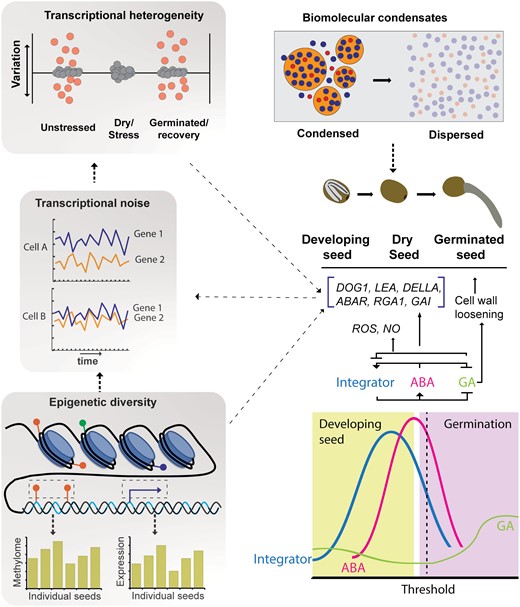
Review: Why don't genetically identical seeds germinate at the same time?
Plant Science Research WeeklyIf you've ever conducted a germination experiment, you've probably asked yourself: what causes seeds to germinate at different times? The most obvious answer would be to point to genetic differences, but this phenomenon also occurs in genetically identical seeds. In this exciting paper, Sharma and Majee…

Review. Climate change impacts on seed production and quality
Plant Science Research WeeklyAs the effects of climate change become increasingly severe and evident, there is growing concern about the future of food production. However, unlike its impact on crop yields, there is little clarity on the effects of climate change on the foundation of most agricultural systems: seed production and…
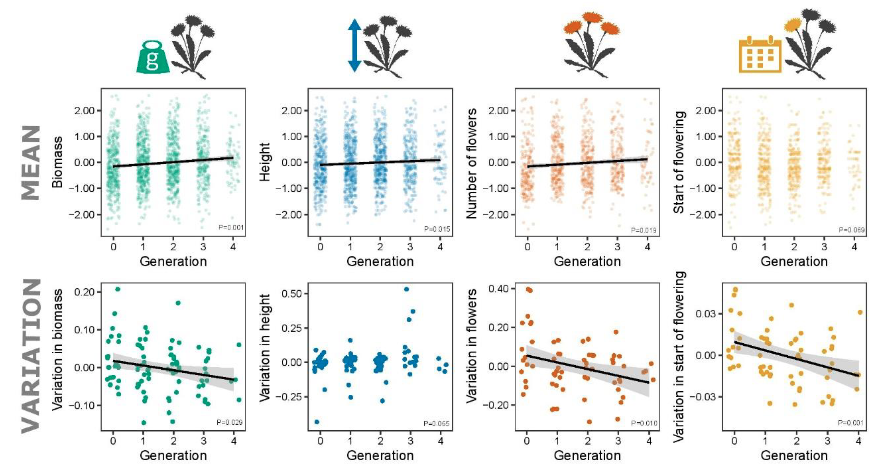
Plants cultivated for ecosystem restoration can evolve towards a domestication syndrome
Plant Science Research WeeklyThe pressing need to restore degraded areas has led to an unprecedented demand for native seeds. However, seeds are not always available in sufficient quantity and quality in nature, so some restoration practitioners might opt to source their seeds from wild plants grown on farms, just like any crop.…
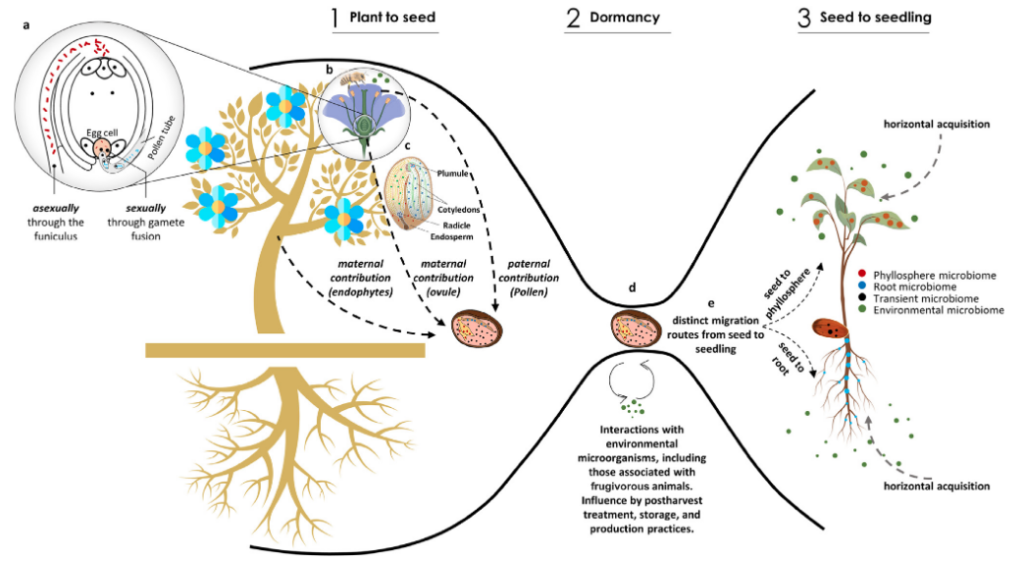
Opinion: The role of microbial inheritance in the assembly of the plant microbiome
Plant Science Research WeeklySeeds not only carry the embryo that will germinate and give rise to a new individual, but they are also the vector to the next generation for microorganisms from the mother plant and the environment. Consequently, seeds link the microbiome between plant generations. In this thorough review, Abdelfattah…
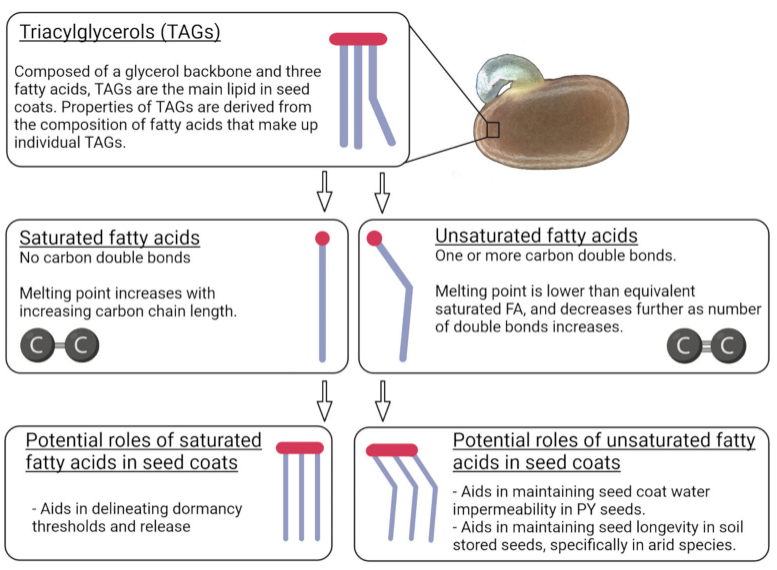
Does fire drive fatty acid composition in seed coats of physically dormant species?
Plant Science Research WeeklyPhysical dormancy is imposed by an impermeable seed coat that prevents water uptake. For germination to occur, this coat must be broken. Fire passage, for example, breaks physical dormancy in ecosystems where such events are recurrent. However, the mechanisms behind how fire achieves this has yet to…
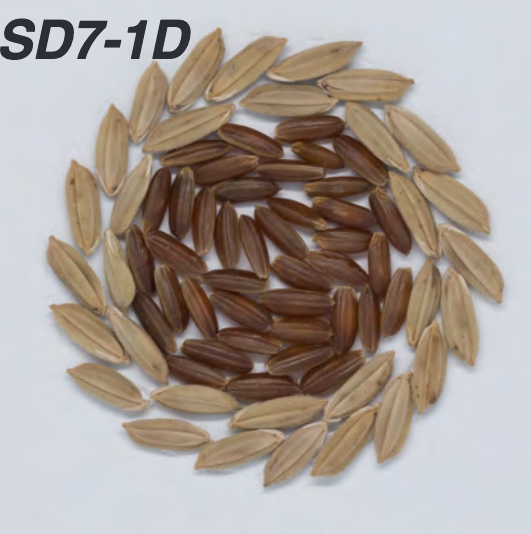
The rice Rc gene affects seed survival under dry storage
Plant Science Research WeeklyOne of the current challenges in seed conservation is identifying the genetic basis that defines how long seeds can be stored before losing viability. This challenge is exceptionally crucial for rice, a cereal that feeds roughly half of the world's population. However, most studies looking for determinant…