

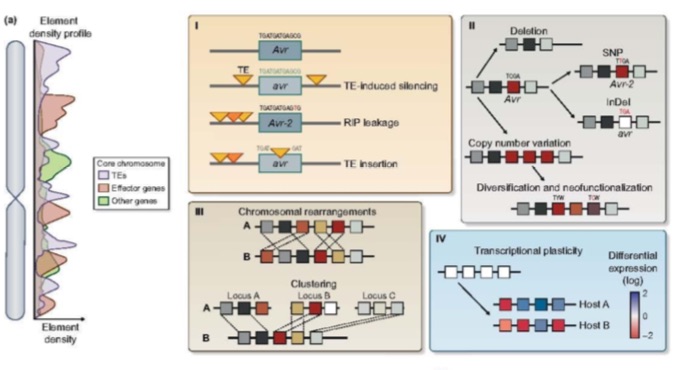
Insight: Rapid evolution in plant – microbe interactions (New Phytol)
Plant Science Research WeeklyPlants and associated microbes co-exist and co-evolve over time. The rate of evolution is higher in pathogens as compared to plants. Although the phenotypic consequences of rapid evolution in pathogens are well studied, changes at genomic level are not as well known, and are the subject of a recent review…
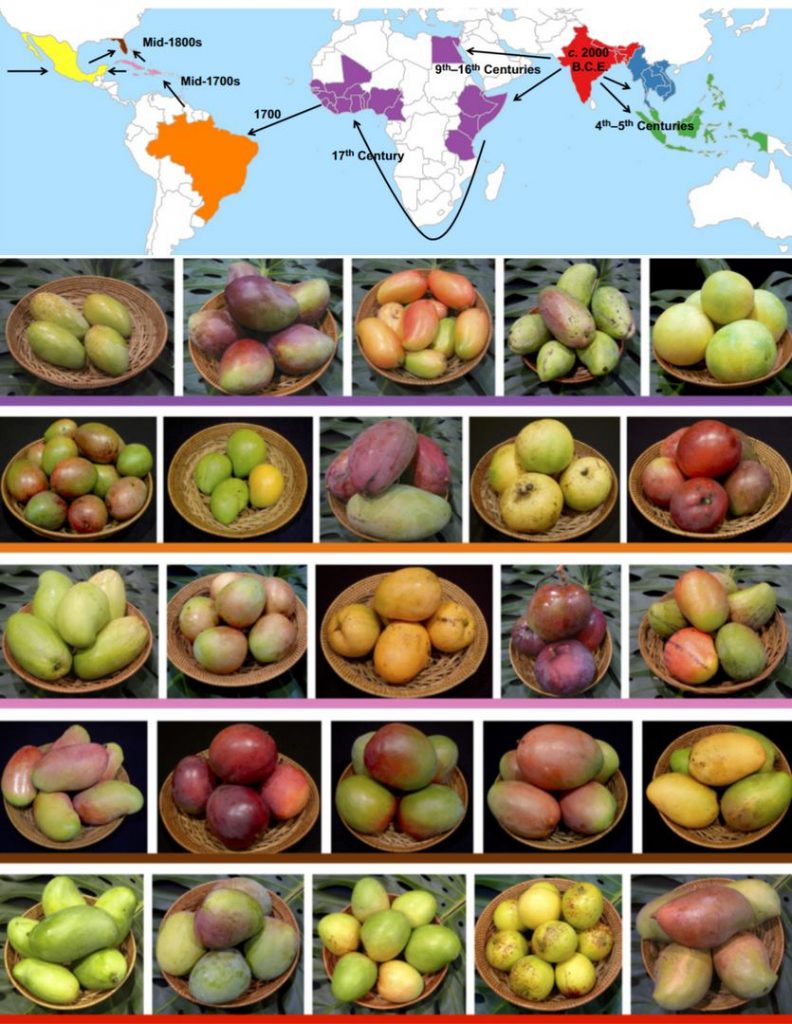
Population genomic analysis of mango suggests a complex history of domestication ($) (New Phytol)
Plant Science Research WeeklyMango trees have been cultivated for approximately 4000 years which places their domestication in the same timeline as that of walnut, peach, sweet orange, lychee, citron, sweet orange, lemon, and jujube. Throughout the process of domestication, most crops undergo severe bottlenecks which decrease genetic…
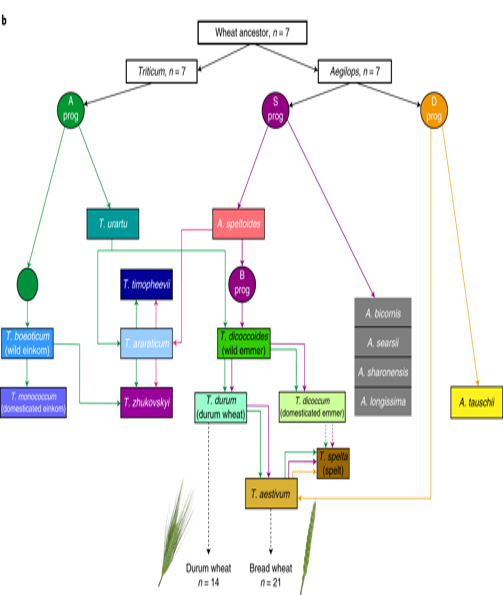
Wheat exome sequencing and wheat ancestry (Nature Genetics)
Plant Science Research WeeklyWheat is of course a hugely important food for humans, and has been selectively bred across the globe for millennia. Modern bread wheats are hexaploid and contain three distinct subgenomes (AABBDD). As with other crops, there is a need to understand wheat’s ancestry and explore the greater genetic…
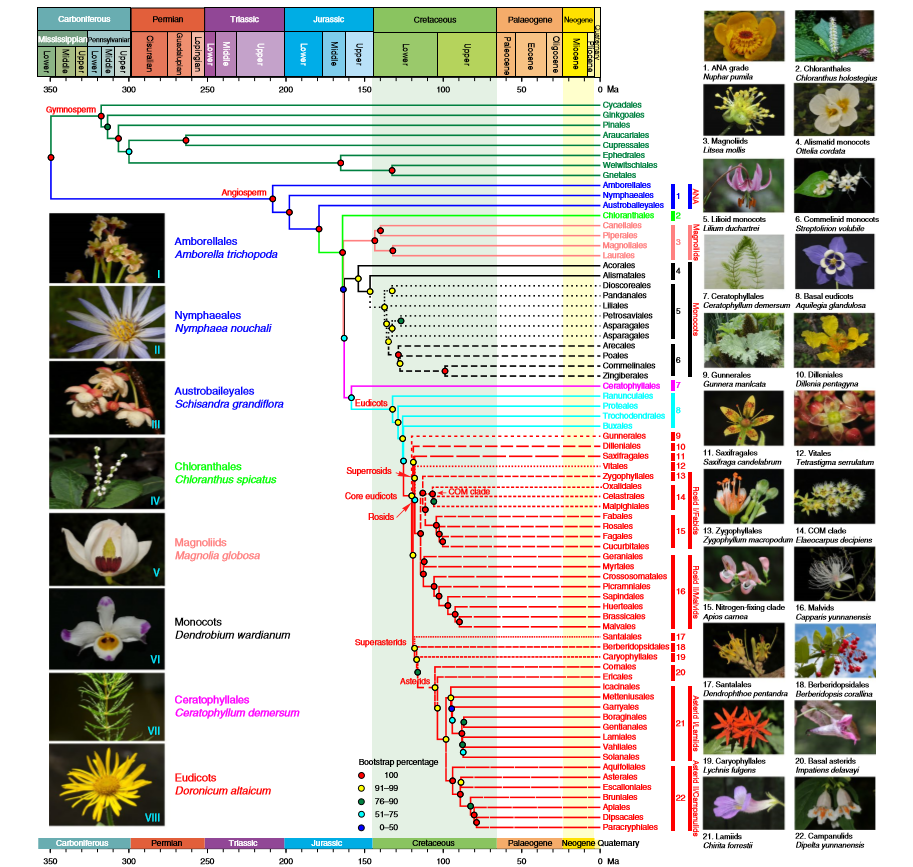
Origin of angiosperms and the puzzle of the Jurassic gap (Nature Plants)
Plant Science Research WeeklyUnderstanding the origin and evolution of flowering plants is key to explaining the development of major terrestrial ecosystems. The rapid diversification of angiosperms into over 360,000 extant species was famously termed ‘an abominable mystery’ by Charles Darwin. Here, Li et al reconstruct the…
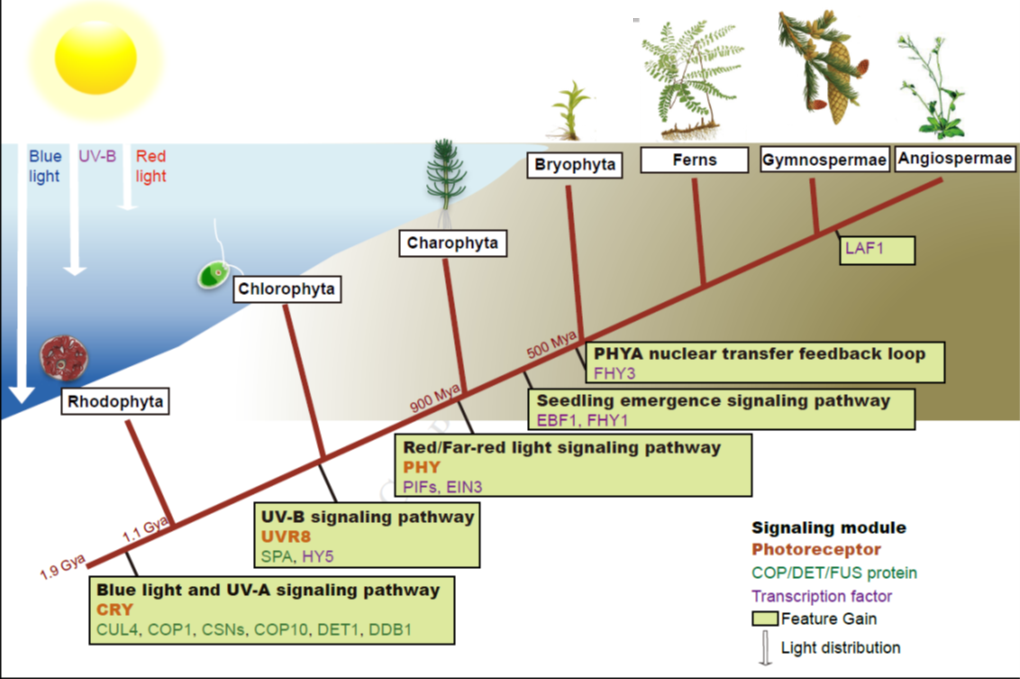
The macroevolutionary history of light signaling ($) (Mol Plant)
Plant Science Research WeeklyThe ability to sense and respond to light is a fundamental feature of photosynthetic organisms like plants. Much has been learned about the molecular genetic mechanisms controlling light perception and downstream signaling processes in evolutionarily young land plant lineages like angiosperms, with comparatively…
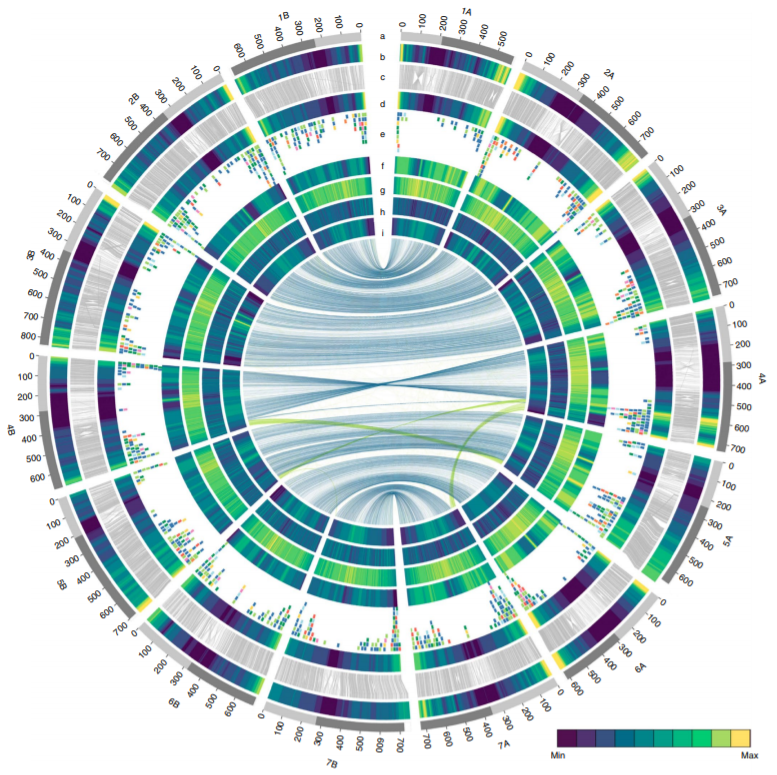
Durum wheat genome highlights past domestication signatures and future improvement targets (Nature Genetics)
Plant Science Research WeeklyDurum wheat cultivar Svevo (Triticum turgidum L. ssp. durum) is a cereal crop predominantly grown for pasta production. It is the result of multiple rounds of domestication, originally deriving from wild emmer wheat from the Fertile Crescent approximately 10,000 years ago. Here, Maccaferri et al. report…

Shared expression of crassulacean acid metabolism (CAM) genes pre-dates the origin of CAM in the genus Yucca (J Exp Bot)
Plant Science Research WeeklyCrassulacean acid metabolism (CAM) is a carbon fixation pathway that reduces photorespiration and increases water use efficiency, enabling CAM plants to survive in inhospitable environments. The evolution of CAM on 35 independent occasions across angiosperms makes it a notable case study of convergent…
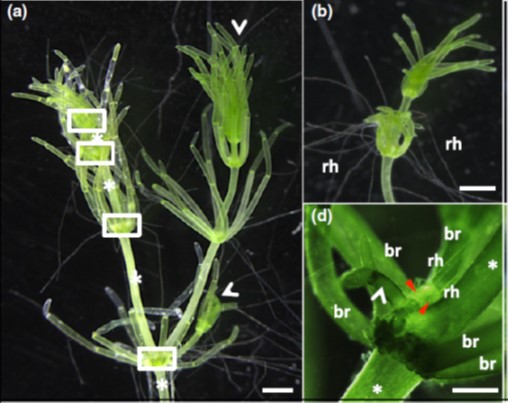
Land plants recruited an ancestral bHLH for tip-growing surface cell development ($) (New Phytol)
Plant Science Research WeeklyLand plants (embryophytes) evolved from freshwater charophycean algae over 450 million years ago. The transition from aquatic to terrestrial environments likely required the evolution and expansion of genetic programs controlling three dimensional growth and the formation of tip-growing surface cells…
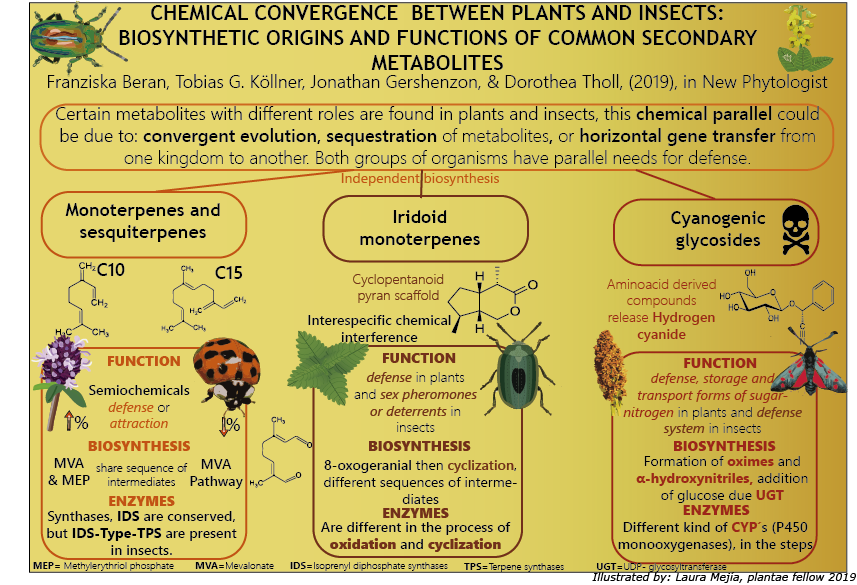
Review. Chemical convergence between plants and insects: biosynthetic origins and functions of common secondary metabolites (New Phytol)
Plant Science Research Weekly
Plants and insects aren't closely related, but they have a plethora of similar chemical weapons used for their interactions (defense, attraction, etc.). Beran et al. describe the function and biosynthesis of secondary metabolites that are shared in both insects and plants.
The monoterpenes and…